What an American Shorthair Pedigree Predicts About Temperament
It’s a common frustration when you bring a new pet home, especially a cat, that you just don’t know what kind of personality you’re going to get. Will they be aloof, a lap cat, a chaotic mischief-maker, or a calm presence? For those considering an American Shorthair, a pedigree offers a valuable roadmap to understanding the general temperament you can expect, helping to ease those anxieties and prepare you for your new family member. This guide will explore exactly what an American Shorthair pedigree reveals about their likely disposition, helping you find the purr-fect fit for your home.
The Foundation of American Shorthair Temperament: A Working History
When we talk about an American Shorthair's temperament, we really have to rewind the clock, way back to their origins. These aren't cats that were bred purely for aesthetics from the start; their very existence was about a job. Understanding this working history is key to grasping the core personality traits that are so deeply ingrained in the breed's DNA and therefore, in its pedigree.
Centuries of Self-Sufficiency and Independence
Imagine cats traveling on ships, making the perilous journey across oceans with early European settlers. These weren't pampered pets; they were essential crew members, vital for protecting food stores from rodents. Their survival depended entirely on their ability to adapt, hunt, and largely fend for themselves. This heritage of self-sufficiency meant they weren't constantly seeking human validation or demanding constant attention. They learned to be resourceful, quiet, and observant. This deep-seated independence is a hallmark of the American Shorthair and is reflected directly in their pedigree. When you look at the lines tracing back generations, you’re essentially seeing a lineage of cats that historically valued their own space and capabilities. It’s why you’ll often find them content to share a room with you, perhaps on a nearby perch, rather than always being right on your lap. They appreciate companionship, but they don't need it in the same intense way some more modern, human-dependent breeds do. The Mayflower Cats Behind the American Shorthair certainly weren't clingy!
The Instinct to Hunt, Not to Cuddle
Following their seafaring days, these cats transitioned to barns and homes on American soil, continuing their role as pest control. This further reinforced their hunting instincts. While many domestic cats enjoy play, for an American Shorthair, the "hunt" isn't just a game; it's a deeply ingrained behavioral pattern. A pedigree from well-established lines will inherently predict a cat with a strong prey drive, even if they've never seen a mouse in their life. This translates to a playful nature, often focused on toys that mimic prey – think wand toys with feathers, or small, movable objects. They love to stalk, pounce, and "catch" their dinner, even if it's just a kibble from a puzzle feeder. This isn't to say they won't cuddle; many American Shorthairs are incredibly affectionate on their own terms. However, their primary mode of interaction often involves engaging in activities that satisfy their natural instincts. This inherent drive for purposeful activity is far more central to their disposition than an innate desire to be a constant lap warmer. Ships Carried the American Shorthair's Ancestors as Ratters, making them excellent partners against unwanted critters but also shaping their independent, active temperament.
Understanding the Pedigree's Promises for Temperament
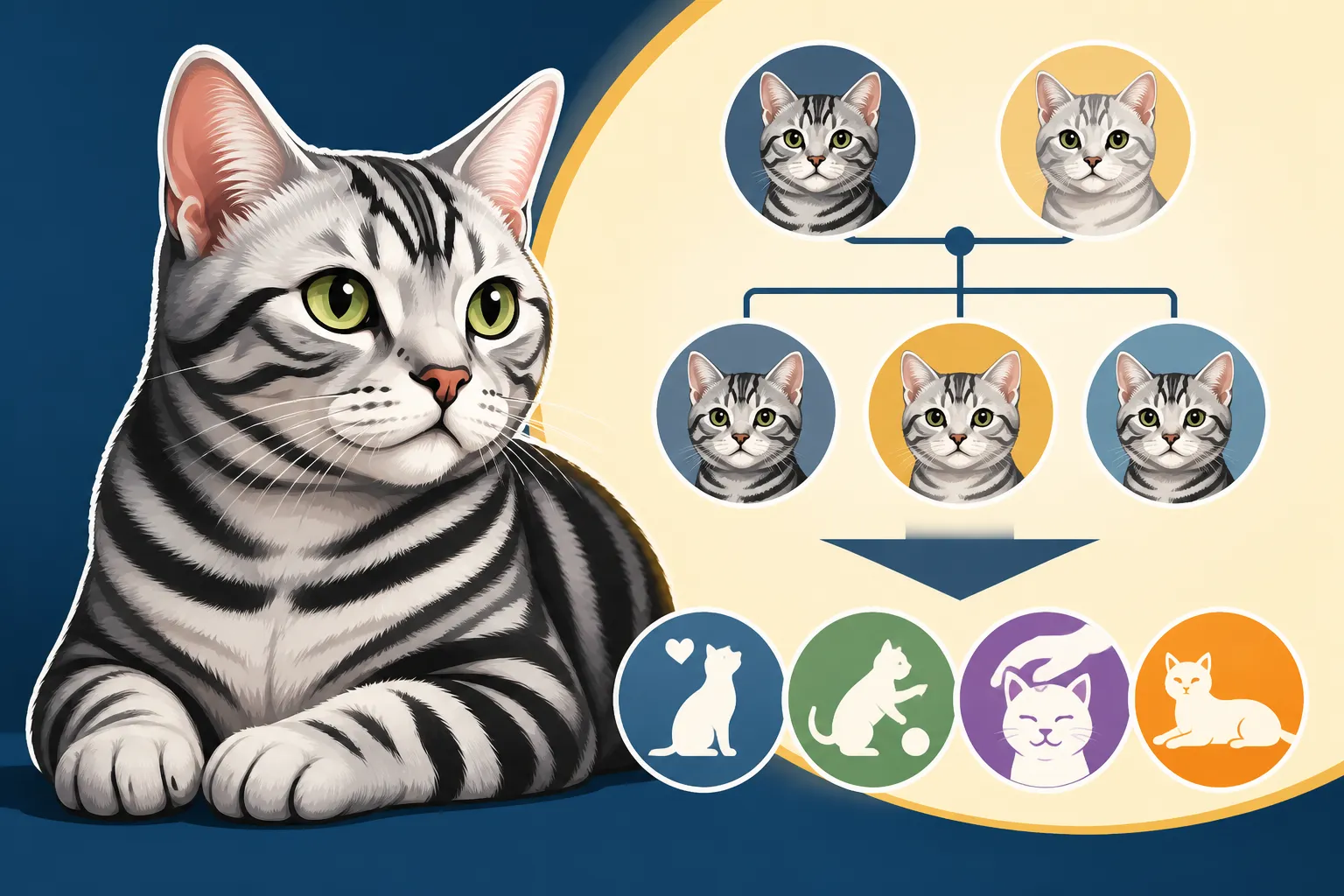
So, how does all that history translate into what you can expect from your American Shorthair kitten today? A pedigree is more than just a family tree; it’s a living document that speaks to generations of careful breeding decisions, leading to a remarkably consistent and desirable temperament.
Predictable Traits vs. Individual Variation
One of the most comforting aspects of choosing a pedigree American Shorthair is the predictability of their temperament. While every single cat is an individual, and you'll always find charming quirks unique to your own feline friend, the breed standard for American Shorthairs emphasizes a specific set of desirable temperament traits. This means breeders are actively selecting for cats that are calm, easy-going, intelligent, and adaptable. Unlike some breeds where temperamental extremes might be more common, the American Shorthair's pedigree strongly suggests a balanced and stable disposition. You're far less likely to encounter an overly skittish or aggressive cat, though outliers can occur in any breed. The beauty of the pedigree is that it provides a strong baseline expectation. It’s like knowing the general flavor profile of a dish before you taste it; you know what to expect, even if there are subtle variations in each chef's rendition. This predictability makes them an excellent choice for first-time cat owners who might be nervous about managing a cat with more complex behavioral needs. Why an American Shorthair Suits a First Time Owner because of this very consistency.
Stability and Adaptability
The core of the American Shorthair temperament, as predicted by its pedigree, is its remarkable stability and adaptability. These cats are known for being unflappable. They're not prone to dramatics or extreme reactions to change. This stems directly from their historical role where they had to be resilient, whether on a rocking ship or in a bustling barn. A well-bred American Shorthair takes new situations in stride. Moving to a new home? Generally, they'll explore with quiet curiosity rather than hiding for days. New furniture? It’s just another surface to investigate. This calm demeanor makes them wonderfully easy companions in a variety of living situations, from bustling family homes to quieter apartments. They integrate themselves into the household rhythm without causing much fuss, often observing more than participating in high-energy human antics. Their natural inclination is to assess, then adjust. How an American Shorthair Copes With Change is a testament to this inherent adaptability.
Interactions with Family and Other Pets
When it comes to family dynamics, an American Shorthair pedigree suggests a cat that is generally tolerant and good-natured. They are often described as amiable companions who get along well with respectful children and even other pets, including dogs, given proper introductions. Their self-sufficient nature means they're not constantly vying for attention, which can be a relief in multi-pet households or homes with busy schedules. They’re observant, preferring to watch the action from a comfortable vantage point before deciding to join in. For children, they are typically patient and will simply walk away if overstimulated rather than resorting to claws. With other animals, their calm disposition often allows them to coexist peacefully, establishing their own territory and routines without major conflict. Of course, individual personalities will always play a role, but the breed standard aims for a cat that is part of the family without being overly demanding. An American Shorthair With Children, Dogs and Noise highlights their inherent suitability for diverse family environments. While they might enjoy a good game of chase with a cat-friendly dog, they also appreciate their solo patrols.
What a Reputable Breeder Adds to the Pedigree Prediction
While the pedigree itself lays a strong foundation for temperament, the breeder plays an absolutely critical role in nurturing and reinforcing those desirable traits. A good breeder isn't just ensuring genetic purity; they are actively shaping the early experiences of their kittens to bring out the best in their inherent disposition.
Early Socialization and Handling
A reputable American Shorthair breeder understands that genetics are only half the battle. The first few weeks of a kitten's life are crucial for developing a confident, well-adjusted temperament. Good breeders ensure their kittens are handled gently and regularly from a very young age. This consistent, positive human interaction helps kittens grow into friendly, outgoing adults who are comfortable with being touched and held. They’ll introduce them to various sights, sounds, and textures, all within a safe and loving environment. This isn't just about making them "tame"; it's about building resilience and positive associations with the world around them. When a kitten experiences a diverse, nurturing environment from a conscientious breeder, it reinforces the calm and adaptable traits that are already written in their pedigree. This early socialization means your American Shorthair is more likely to be curious and accepting rather than fearful and withdrawn when they arrive in your home. It’s a huge part of What an American Shorthair Pedigree Guarantees beyond just looks.
Observing Parental Temperaments
Another significant advantage of acquiring an American Shorthair from a reputable breeder is the opportunity to meet the kitten's parents. The temperament of the queen (mother cat) and often the stud (father cat) is a powerful indicator of what you can expect from their offspring. Breeders who prioritize temperament will select breeding cats that are calm, friendly, and possess all the classic American Shorthair traits. If the mother is skittish or aggressive, there’s a higher chance her kittens might inherit some of those tendencies, regardless of how good their pedigree looks on paper. A good breeder will be transparent about their breeding cats' personalities and happy for you to observe them. This direct observation provides invaluable insight beyond what a written pedigree can convey. It's the practical application of the genetic blueprint, showing you what that pedigree actually produces in terms of a living, breathing cat's personality. When you see a relaxed, confident queen interacting with her kittens, you get a tangible sense of the temperament being passed down through the generations.
Health and Temperament's Interconnection
It might seem obvious, but a healthy cat is a happy cat, and a happy cat generally has a better temperament. A responsible breeder will prioritize the health of their American Shorthairs, performing necessary health screenings and providing excellent nutrition and veterinary care. A cat suffering from chronic pain, discomfort, or an underlying illness is far more likely to exhibit behavioral issues like irritability, withdrawal, or even aggression, regardless of their genetic predisposition for calmness. Therefore, a pedigree that comes from a breeder dedicated to health testing and optimal care indirectly predicts a good temperament. They’re less likely to be dealing with the discomfort that leads to grumpiness. For ongoing wellness, investing in good quality food can make a real difference to their physical and mental well-being, reinforcing that calm disposition. Additionally, considering pet insurance from providers like Healthy Paws can help manage unexpected health costs, ensuring that health issues don't become a source of stress for your cat or your wallet, which can also impact their overall demeanor. After all, What an American Shorthair Pedigree Predicts About Health is deeply intertwined with their predicted happy disposition.
Common Misconceptions and Realistic Expectations
Even with a predictable pedigree, it's easy to project our ideal cat onto a breed. It's important to set realistic expectations for your American Shorthair's temperament to truly appreciate their unique qualities. They might not be exactly like that overly affectionate cat you saw on social media, and that's perfectly fine.
Not a Lap Cat, But a Companion
One of the biggest misconceptions about American Shorthairs is that they are constantly seeking to be on your lap. While some individuals will absolutely be "lap magnets," the breed's historical independence means many prefer to be near you rather than on you. They are social cats who enjoy companionship and being part of the family's activities, but often from a comfortable distance. They might choose to curl up on the sofa next to you, perch on a nearby cat tree, or follow you from room to room, supervising your tasks. Their affection often manifests as a quiet presence, a gentle head-butt, or a soft purr during a petting session, rather than demanding prolonged physical contact. They are excellent companions, offering a comforting, steady presence without being overly needy. If you’re looking for a cat that will constantly be in your space, demanding cuddles, an American Shorthair might surprise you with their subtle expressions of affection. They prefer to choose when and how they interact. How Undemanding an American Shorthair Really Is is often a pleasant surprise for owners.
The Quiet Observer
American Shorthairs are generally not known for being overly vocal. Unlike some more chatty breeds, they tend to be quiet observers, communicating their needs and desires through soft chirps, gentle trills, or subtle body language. This trait also stems from their working past; a loud cat would have been a poor hunter. They've perfected the art of silent communication. If you're expecting a cat that will loudly "tell" you about their day or demand food with insistent meows, an American Shorthair might not fit that bill. They are more likely to sit by their food bowl, gazing meaningfully at you, or rub against your legs with a quiet purr to signal their hunger. This makes them a wonderful choice for those who prefer a less vocal household or who live in apartments where excessive noise could be an issue. However, it also means owners need to be observant of their cat's more subtle cues. A sudden increase in vocalization from a usually quiet American Shorthair can often be a sign that something is amiss and warrants attention. What an American Shorthair Does Instead of Demanding is a lesson in quiet feline communication.
Environment's Role in Shaping Behavior
While a pedigree provides a strong genetic blueprint for temperament, it’s absolutely crucial to remember that environment plays a significant role in shaping a cat’s actual behavior. Even the most genetically calm and adaptable American Shorthair can become stressed, fearful, or develop undesirable behaviors if raised in an inappropriate or neglectful environment. Providing a stimulating, safe, and loving home is paramount. This includes offering plenty of appropriate enrichment, such as scratching posts, climbing opportunities, and interactive toys. Consistent routines, a clean litter box, fresh water, and a high-quality diet are also fundamental to their well-being. A pedigree predicts potential, but it's up to the owner to unlock that potential through good care and a positive environment. A cat’s temperament is a dynamic interplay between nature and nurture, and while the American Shorthair's nature is wonderfully solid, nurture is still essential for them to truly thrive.
| Temperament Trait | Pedigree Prediction (General Expectation) | Environmental Influence (Owner's Role) |
|---|---|---|
| Independence | Moderate; content with own company | Providing solo play, high perches; respecting boundaries |
| Affection | Present but subtle; prefers proximity | Gentle handling, positive reinforcement; avoiding forced interactions |
| Playfulness | High prey drive; enjoys interactive play | Regular interactive play sessions (wand toys); puzzle feeders |
| Vocalization | Low; quiet observer | Responding to subtle cues; not encouraging excessive meowing |
| Adaptability | High; resilient to change | Consistent routine; gradual introductions to new things/people |
| Tolerance | Good with children/pets (respectful) | Proper introductions; supervising interactions; providing safe retreats |
| Confidence | High; curious explorer | Early socialization; positive experiences; secure home environment |
| Intelligence | High; problem-solver, trainable | Mental enrichment (puzzles); clicker training; consistent gentle guidance |
Disclaimer
This article is for general informational purposes only and does not constitute professional advice. Laws, prices and regulations vary by location and change over time. Consult a qualified professional for guidance on your specific situation.