Whether Registering a Shelter Tabby as an American Shorthair Is Possible
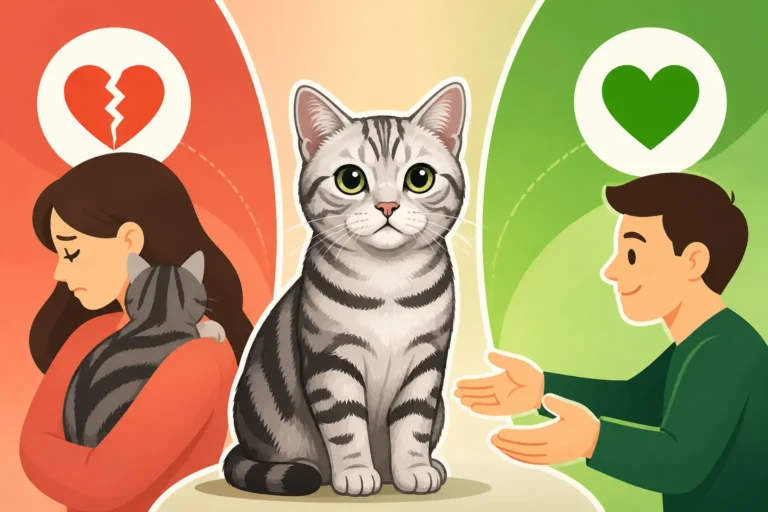
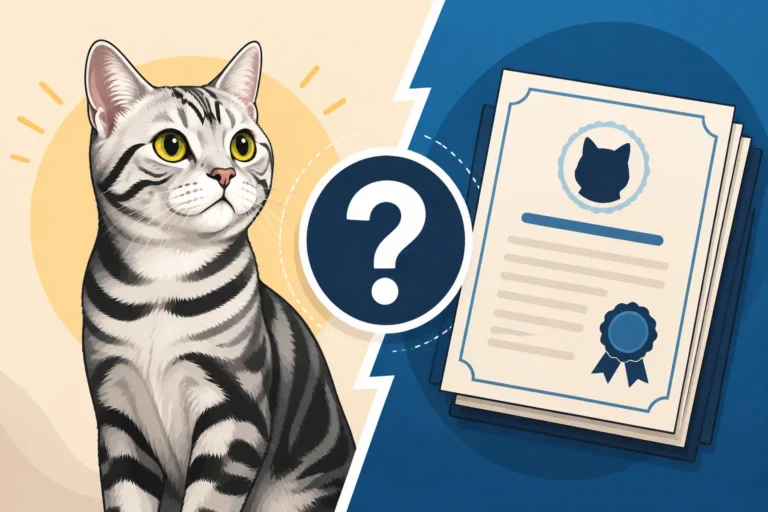
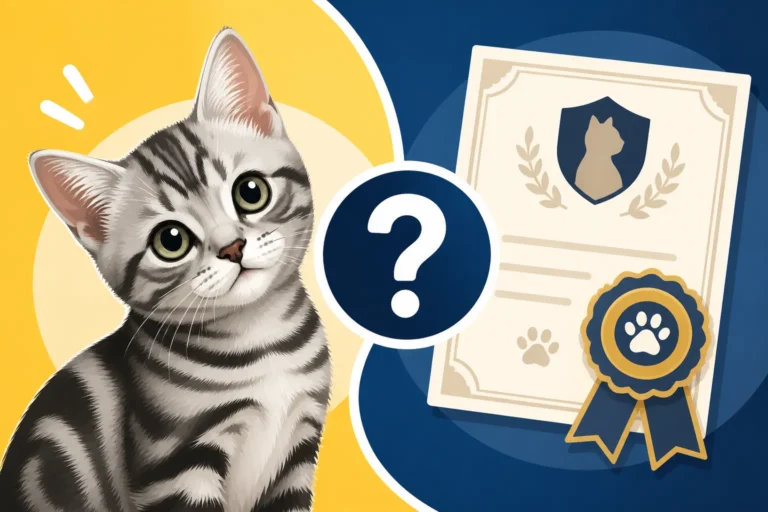
It's a common, heartwarming scenario: you open your home to a lovely tabby from a local animal shelter, and over time, as you learn more about different cat breeds, you start to notice striking similarities between your sweet furball and pictures of the elegant American Shorthair. Suddenly, the question blossoms in your mind: could my rescue cat actually be a pedigreed American Shorthair? This guide will dive deep into why this question is so popular, the distinctions between a beloved domestic shorthair and a registered American Shorthair, and the often-misunderstood process of feline breed registration, ultimately helping you understand if your shelter cat can indeed be formally recognized as an American Shorthair.
Understanding the American Shorthair Standard
Before we even begin to ponder registration, it's crucial to grasp what truly defines an American Shorthair in the eyes of the cat fancy world. Many people mistakenly believe that any robust, short-haired tabby cat is an American Shorthair. While the breed certainly shares a visual kinship with many common domestic cats, its identity goes far beyond simple appearance.
The Foundation of a Pedigree Breed
A true American Shorthair isn't just a cat that looks the part; it's a cat with a documented family tree, a pedigree stretching back generations that proves its lineage. This lineage ensures that the cat consistently displays the traits and characteristics that breeders have carefully cultivated for over a century. Think of it like a family heirloom – it's not just any old chair, it's the antique rocking chair passed down through your family, with a known history.
The breed's history is steeped in its working origins. The ancestors of the American Shorthair were robust, healthy working cats brought over on ships to control rodent populations. Over time, these cats evolved into a distinct type, and dedicated breeders began to selectively breed for specific physical traits and temperaments. This deliberate effort to maintain a particular look and disposition is what separates a breed from a random-bred cat. The registration process is designed to track and preserve this intentional breeding.
The Official Breed Standard
Every recognized cat breed has a "standard" – a detailed written description of the ideal physical and temperamental characteristics for that breed. For the American Shorthair, this standard outlines everything from the shape of its head (a slightly squared muzzle, for example) to the length of its tail and the texture of its coat. Judges at cat shows meticulously evaluate cats against this standard, looking for how closely an individual cat conforms to the ideal.
For instance, the American Shorthair standard calls for a medium-to-large cat with a powerful, muscular build, a broad chest, and a well-developed muzzle. The eyes should be large, round, and wide-set, and the coat should be short, dense, and even, providing protection from the elements. While your shelter tabby might have some of these features, a pedigreed American Shorthair is expected to embody all of them with a consistent level of quality across its entire structure. This strict adherence to the standard across multiple generations is a hallmark of a registered breed.
The Definition of a Domestic Shorthair
Now, let's turn our attention to the vast majority of cats residing in shelters and loving homes across the country: the domestic shorthair. This term is often used interchangeably with "moggy" or "alley cat," and it’s important to understand why.
A Descriptive Term, Not a Breed
A "domestic shorthair" is simply a cat that has short fur and no documented pedigree from a recognized breed. It's a descriptive term, much like saying someone has "brown hair" or "blue eyes." It tells you nothing about their ancestry, only their general appearance. These cats are a beautiful mosaic of genetics, the result of generations of natural selection and random breeding.
Because domestic shorthairs are not selectively bred for specific traits, their appearance, temperament, and health can vary wildly. You'll find domestic shorthairs that are sleek and slender, and others that are stout and stocky. They come in every imaginable color and pattern, including the ever-popular tabby, which is why they often bear a superficial resemblance to the American Shorthair. This incredible genetic diversity is what makes each domestic shorthair truly unique.
The "Look-Alike" Phenomenon
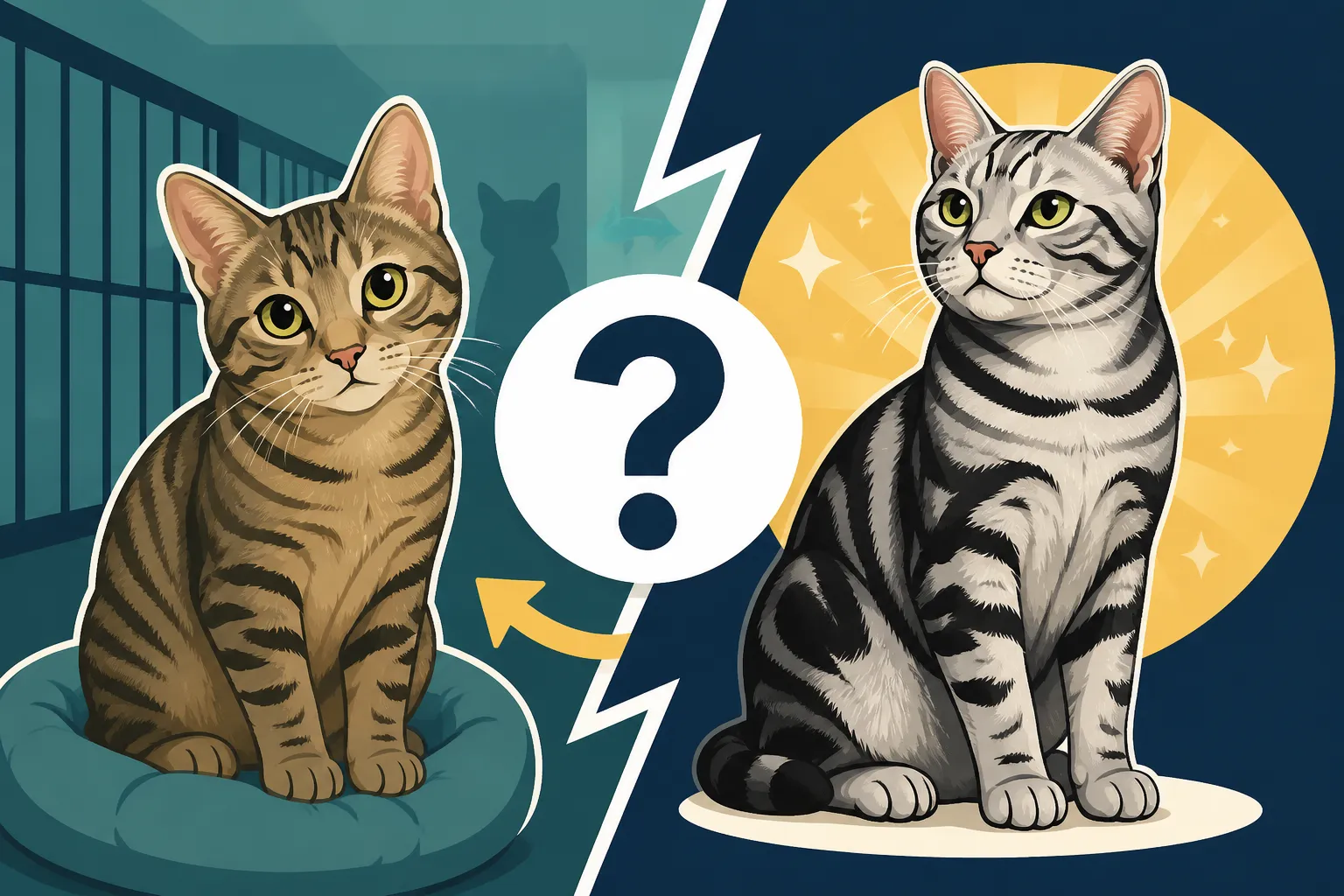
It's completely natural for a domestic shorthair to resemble a pedigreed American Shorthair. After all, the American Shorthair itself originated from common domestic cats found in North America. Breeders took these hardy, functional cats and, through careful selection, honed them into the recognizable breed we know today. Therefore, many domestic shorthairs will share ancestral traits with their pedigreed cousins.
This resemblance, however, doesn't make them the same. Imagine a beautiful, classic car that's been lovingly restored, versus a modern replica built to look exactly like it. Both might appear identical to the casual observer, but only one has the authentic history and documented origin. The same applies to cats; the history and documented lineage are what truly differentiate a registered breed from a domestic cat that merely shares its aesthetic.
Why Pedigree Registration Matters
The process of registering a cat might seem like a bureaucratic formality, but for breeders and the preservation of specific breeds, it's absolutely vital. It's about much more than just a piece of paper; it's about establishing, verifying, and preserving the integrity of a breed.
Documenting Lineage and Breed Integrity
The primary purpose of breed registration, whether through organizations like the Cat Fanciers' Association (CFA) or The International Cat Association (TICA), is to document a cat's ancestry. When a cat is registered as an American Shorthair, it means that its parents, grandparents, and often many generations beyond, were also registered American Shorthairs. This verifiable lineage is crucial for maintaining breed standards, tracking genetic traits, and ensuring the health and predictability of future generations.
Without this meticulous documentation, a "breed" would quickly devolve into a random collection of cats that simply share a similar look. Registration provides accountability for breeders, encourages responsible practices, and gives prospective owners confidence in the cat's background. It helps preserve The American Shorthair Is the Control Group of Cat Breeding and ensures that the characteristics associated with the breed are consistently passed down.
The Value of Predictability
One of the main reasons people seek out pedigreed cats is for the predictability they offer. When you get a registered American Shorthair kitten from a reputable breeder, you have a reasonable expectation of its eventual size, temperament, appearance, and even potential health predispositions. This predictability comes directly from generations of carefully recorded breeding. You know, for example, that an American Shorthair is typically a calm, adaptable, and affectionate companion, thanks to the consistent selection process by breeders.
A domestic shorthair, while equally loving and wonderful, doesn't come with this same level of predictability. You might get a shy cat, an outgoing one, a tiny cat, or a giant fluffy monster – it's part of their charm, but it's not a standardized outcome. For those who want a specific set of traits, pedigree registration is the mechanism that allows breeders to deliver. This is why What an American Shorthair Pedigree Buys That a Free Tabby Does Not can be appealing to some owners.
The Documentation Required for Registration
This is where the rubber meets the road. If you have a shelter tabby that you suspect is an American Shorthair, the registration requirements will quickly highlight the challenges. It's a system built on verifiable records, not just hopeful identification.
Proving Ancestry and "Papers"
To register a cat as an American Shorthair, you need to provide proof of its ancestry from registered American Shorthair parents. This typically means obtaining registration papers from the breeder. These papers serve as the official record of the cat's lineage, confirming that both parents were registered and that the mating was reported to the registry. For a shelter cat, this information is almost universally unavailable.
Even if you were to somehow trace your cat's lineage back, you'd need the breeders of those ancestral cats to confirm their registration and your cat's place in that line. This is an incredibly complex, if not impossible, task for a cat whose history is unknown. The system isn't designed for retroactive identification of "found" pedigrees; it's designed for forward-looking tracking of planned breedings. This is why it's a critical difference between How to Tell an American Shorthair From a Random Bred Tabby and a truly pedigreed one.
Breeder Contracts and Health Clearances
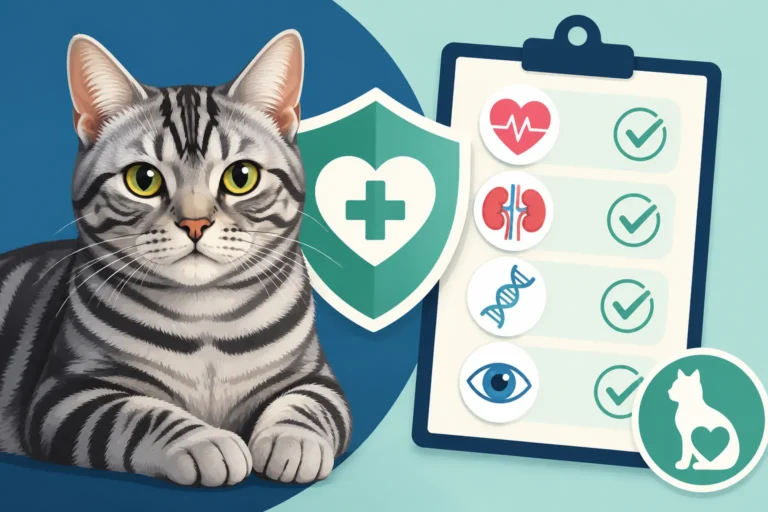
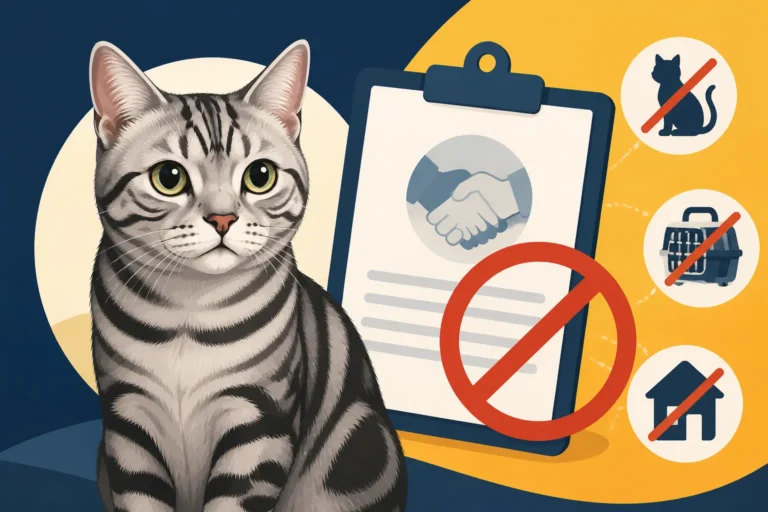
Reputable American Shorthair breeders will also provide a kitten with a health guarantee and often a contract that specifies conditions for its care and breeding status. They will have conducted health screenings on the parents, particularly for conditions like Hypertrophic Cardiomyopathy (HCM), which, while rare, is still present in some lines. This means that a registered American Shorthair kitten often comes with documented health clearances for its parents. You can learn more about this by reading Which Health Results an American Shorthair Breeder Must Show.
A shelter cat, by its very nature, comes without this kind of detailed history or documentation. While shelters work tirelessly to assess the health and temperament of their animals, they cannot provide a multi-generational health history or guarantee specific genetic clearances in the way a registered breeder can. Your shelter cat's past is often a mystery, which, while adding to their charm, makes breed registration impossible under current rules.
Can a DNA Test Confirm Breed?
A common misconception is that a DNA test can magically confer pedigree status on a cat. While feline DNA tests can provide insights into a cat's genetic makeup, identifying markers associated with certain breeds or geographic origins, they cannot fulfill the requirements for breed registration. A DNA test might tell you that your shelter tabby has genetic markers consistent with the American Shorthair breed profile, but it cannot create a documented, verifiable pedigree where none exists.
Breed registries require a paper trail: the registration of the parents, the litter notification, and sometimes even proof of parentage via DNA when there's a dispute, but always building upon a foundation of already registered cats. A DNA test from a company like Wisdom Panel or Basepaws is fascinating for personal curiosity and understanding your cat's genetic background, but it will not allow you to register your beloved shelter cat as a pedigreed American Shorthair. Whether a DNA Test Confirms an American Shorthair goes into more detail on this topic.
Distinguishing Features: ASH vs. Domestic Shorthair
Even if registration isn't possible, it's still fun to appreciate the subtle (and sometimes not-so-subtle) differences that exist. While a domestic shorthair can look remarkably like an American Shorthair, the breed standard sets out very specific benchmarks.
Key Physical Characteristics of the American Shorthair
The American Shorthair is celebrated for its working-class build: a powerful, sturdy body designed for efficiency and strength. When you look at an American Shorthair, you'll often notice a broader, more muscular chest, a powerful jawline, and a generally square or rectangular body shape. Their heads are usually a medium size, with full cheeks and a moderately short, broad muzzle. Their ears are medium in size, set moderately apart, and slightly rounded at the tips.
Perhaps one of the most iconic features, especially in the famous silver tabbies, is the clarity and contrast of their coat patterns. Whether classic (swirled) or mackerel (striped), the markings are typically crisp and distinct. The texture of their coat is also quite specific – dense and hard, meant to offer protection from various climates, rather than being soft or plush like some other shorthaired breeds. This is why What an American Shorthair Looks Like by the Standard can be so helpful.
The Spectrum of Domestic Shorthair Traits
Domestic shorthairs, on the other hand, showcase an astounding array of variations. Because their breeding is undirected, their physical traits are a mixed bag of genetic possibilities. You might find a domestic shorthair with a delicate frame, while another might be incredibly large and brawny. Their head shapes can range from round to wedge-shaped, and their muzzles can be long, short, pointed, or broad. Their coat textures can be soft, coarse, thin, or thick.
While many domestic shorthairs proudly wear the tabby pattern, the clarity and contrast of these markings can differ greatly. Sometimes the patterns are strong and well-defined, mirroring those of an American Shorthair. Other times, they might be faded, broken, or less distinct. This immense variability is what makes it so difficult to pigeonhole a domestic shorthair into a specific breed simply based on looks. They truly are the original "designer" cats, each with their own unique genetic blueprint.
Here's a quick comparison to highlight the key differences:
| Feature | Pedigreed American Shorthair (ASH) | Domestic Shorthair (DSH) |
|---|---|---|
| Origin | Deliberately bred with documented lineage since the late 19th/early 20th century | Random breeding over generations; no recorded ancestry |
| Defining Factor | Pedigree and adherence to a strict breed standard | Physical description (short hair); no breed standard |
| Registration | Registrable with organizations like CFA/TICA (with documented lineage) | Not registrable as a breed; may be shown as "Household Pet" |
| Predictability | High predictability in appearance, temperament, and health traits | High variability; traits are a genetic lottery |
| Appearance | Consistent build (muscular, broad chest, square muzzle), distinct coat texture/patterns | Highly variable in size, shape, features, and coat quality/pattern |
| Health Info | Reputable breeders provide health screening results for parents | Health history often unknown; relies on shelter's vet assessment |
The Reality of Registering a Shelter Cat
So, after all this, what's the definitive answer to whether you can register a shelter tabby as an American Shorthair? In nearly all cases, the answer is a straightforward no.
The Impossibility of Creating a Pedigree
The core issue lies in the definition of a pedigree. A pedigree is a record of ancestry. When you adopt a shelter cat, its ancestry is almost always unknown. There's no documentation of its parents, grandparents, or previous generations being registered American Shorthairs. Without this verifiable paper trail, you cannot meet the fundamental requirement of any cat registry. It's not about how much your cat looks like an American Shorthair; it's about whether its lineage is formally recorded and confirmed by breeders who are part of the recognized breeding programs.
Even if your cat displays every single trait outlined in the American Shorthair standard, without the documented pedigree, it remains a domestic shorthair. The beauty of these cats is that they are living proof of the hardy, adaptable genetics that form the foundation of so many breeds, including the American Shorthair. They carry the echoes of those ship-borne mousers, but without the formal connections. This is also why Whether a Backyard Bred American Shorthair Is Really One is often a question with a negative answer – "backyard bred" often means no papers and no verifiable lineage, even if the cats look the part.
The "Household Pet" Category
Does this mean your beloved shelter cat can never participate in the world of cat shows or receive recognition? Not at all! Most cat associations, including the CFA and TICA, have vibrant "Household Pet" divisions. In these categories, cats are judged not on their adherence to a breed standard, but on their overall condition, temperament, and personality.
This is a wonderful avenue for domestic shorthairs to shine. Judges look for well-groomed cats, those with a good disposition, and a healthy appearance. It's a celebration of the unique charm of every cat, regardless of their genetic lineage. Many cats adopted from shelters or rescues thrive in this environment, proving that you don't need a pedigree to be a champion in your own right. This allows owners to showcase their cherished companions and share their joy with the cat community.
Appreciating Your Cat for Who They Are
Ultimately, the breed status of your cat doesn't change the love and companionship they bring into your life. Whether your furry friend is a pedigreed American Shorthair or a wonderful domestic shorthair, their value as a family member is immeasurable. The American Shorthair is lauded for its calm demeanor, adaptability, and generally robust health, traits that many domestic shorthairs also possess.
Focus on providing your cat with the best care possible, including a nutritious diet, plenty of enrichment, and regular veterinary check-ups. Whether you feed them a high-quality brand from Chewy or engage them with interactive toys, their happiness and well-being are paramount. Your shelter tabby is a unique individual, a survivor, and a testament to the enduring charm of cats. Cherish them for the unconditional love they offer, which is something no piece of paper can ever quantify. After all, Whether an American Shorthair Is Worth the Money isn't just about pedigree, it's about the bond you share.
Disclaimer
This article is for general informational purposes only and does not constitute professional advice. Laws, prices and regulations vary by location and change over time. Consult a qualified professional for guidance on your specific situation.