Why a Withdrawn American Shorthair Should See a Vet
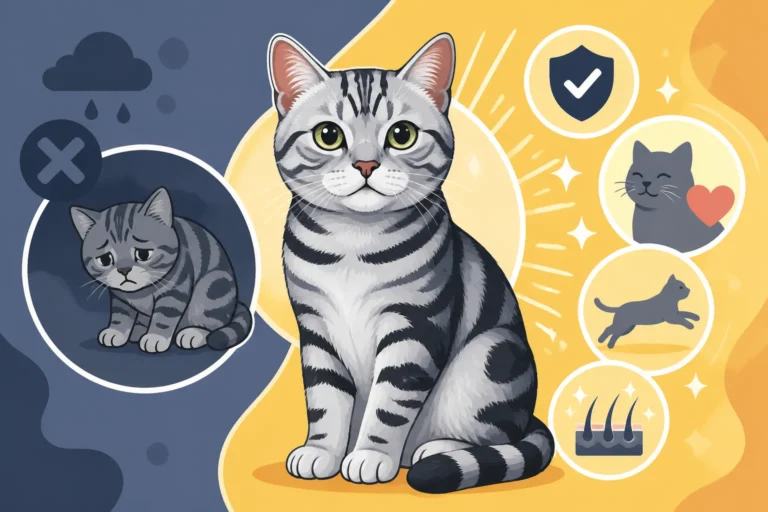
It’s a truly unsettling feeling when your normally calm and perhaps a bit independent American Shorthair suddenly becomes withdrawn. They're not demanding cats by nature, but when their quiet confidence turns into hiding away or a reluctance to engage, it’s impossible for a devoted owner not to feel a pang of worry. This isn't just a quirky mood swing; a withdrawn American Shorthair is almost always telling you, in their subtle feline way, that something isn't quite right. This guide will walk you through why this behavior is a red flag and why a prompt vet visit is absolutely essential.
Understanding the American Shorthair's Nature
American Shorthairs have a fantastic heritage, rooted in generations of working cats who sailed across oceans and kept barns free of vermin. This history has ingrained a deep sense of independence and a stoic demeanor that many owners cherish. They aren't typically "velcro cats" and often express affection in more understated ways, like following you from room to room or settling near you rather than on you. It's this quiet self-reliance that makes changes in their behavior so critical to observe.
The Stoic Hunter's Demeanor
Think about their ancestors: a cat working alone on a ship or a farm couldn't afford to show weakness or pain. In the wild, appearing vulnerable makes you a target. This instinct to hide discomfort or illness is deeply embedded in your American Shorthair's DNA. They are masters of disguise when it comes to feeling unwell. What might seem like a minor shift to us could be a significant indicator that they're trying to cope with something serious beneath the surface. This inherent stoicism means that by the time you notice overt signs of illness, the problem may have progressed quite a bit. It’s why any behavioral change, no matter how small, warrants attention. You might be interested in reading more about Why a Stoic American Shorthair Hides Pain the Longest.
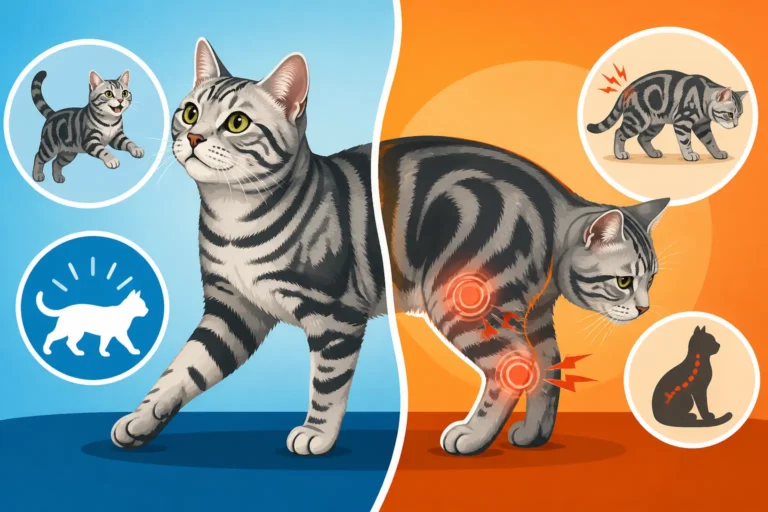
They might still patrol their territory or engage in short bursts of play, but the underlying enthusiasm isn't there. Their movements might be slightly stiffer, their purr less vibrant, or their gaze a little less bright. These are the subtle clues that an owner must learn to recognize, as your American Shorthair won't be melodramatic about their discomfort. They simply try to manage it quietly, often by retreating to a safe, solitary space where they feel less exposed.
What "Withdrawn" Looks Like in an American Shorthair
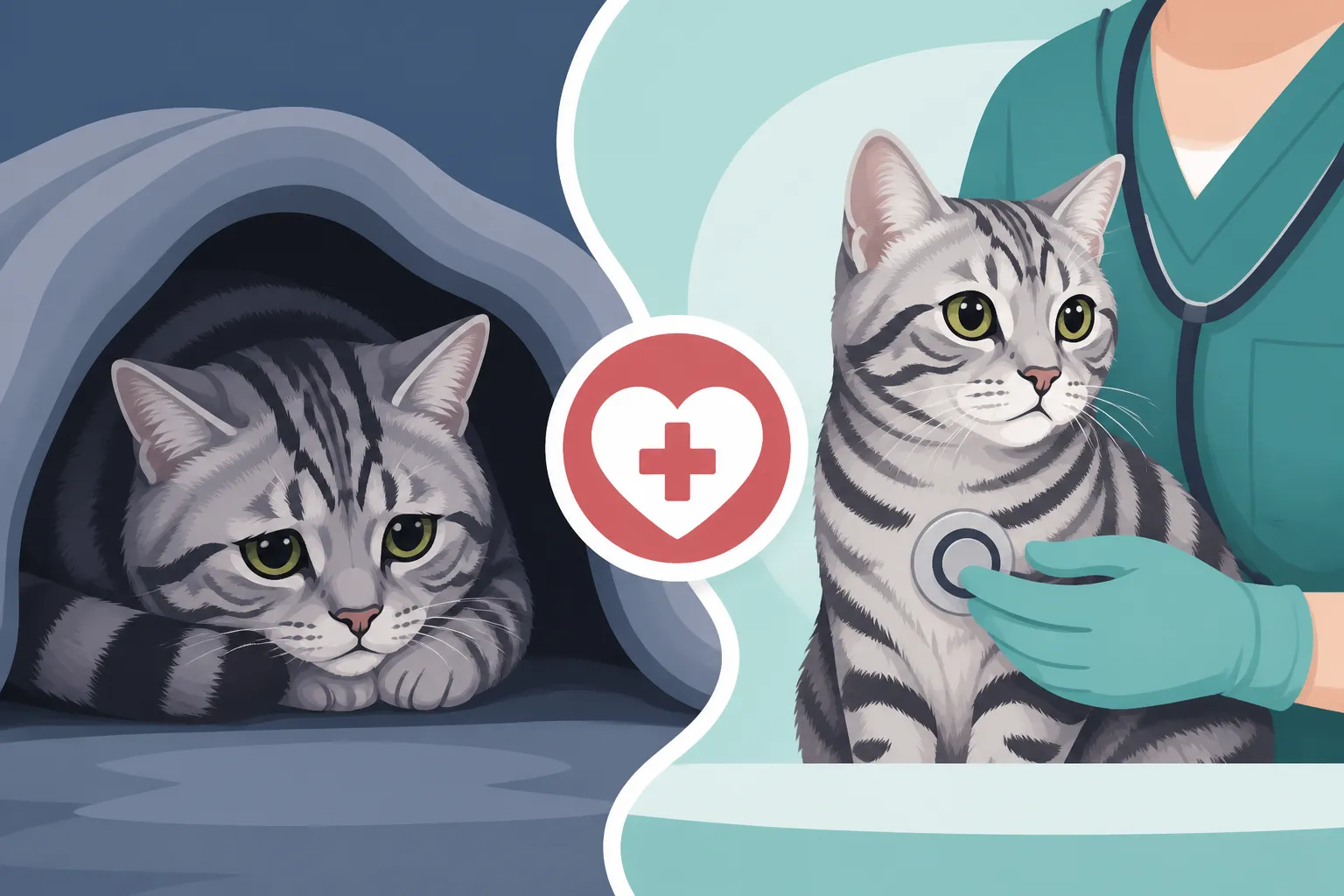
"Withdrawn" isn't always about hiding under the bed for days, though it certainly can be. For an American Shorthair, it can manifest in a variety of nuanced ways. It might be that they’re spending more time alone in a quiet room, perhaps a bedroom or a less trafficked area of the house, when they usually prefer to be in the living space. They might still come out for meals, but retreat immediately afterward. You might notice they're less eager to greet you at the door, or they might not rub against your legs for attention like they used to.
Another common sign is a noticeable decrease in their usual activities. If your American Shorthair loves to bat at toys or watch birds from the window, but now just stares blankly or sleeps through these prime opportunities, that's withdrawal. Changes in grooming are also telling; an unwell cat might groom excessively in one spot due to pain or neglect grooming altogether, leading to a duller coat. Even subtle shifts in their litter box habits, appetite, or water intake can be part of this withdrawn picture. Understanding these subtle cues is paramount, as more dramatic signs like vocalizing in pain or outright collapse often mean the issue is no longer in its early stages. For insight into cognitive changes, consider reading What Confusion Looks Like in an American Shorthair Past Sixteen.
Common Health Issues Manifesting as Withdrawal
When an American Shorthair withdraws, it's often a direct response to physical discomfort or illness. Their independent nature means they'll seek solitude to manage their feelings when they aren't feeling 100%. This can be incredibly frustrating for owners, as pinpointing the exact cause without veterinary help is nearly impossible.
Pain and Discomfort
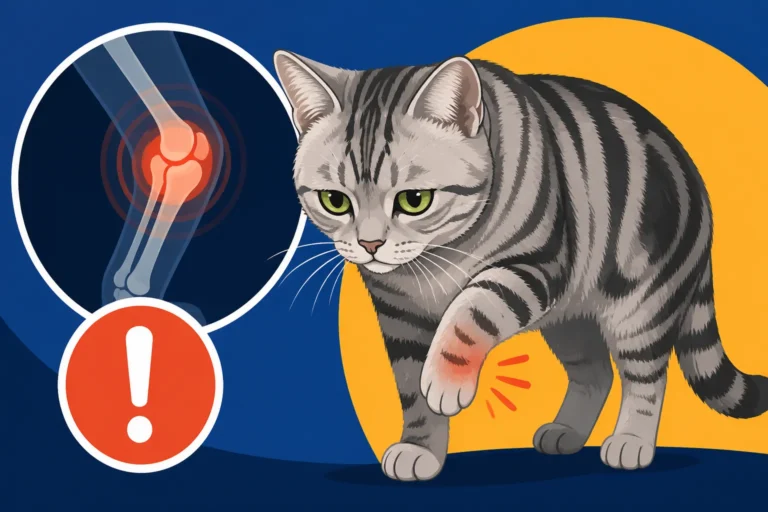
Pain is one of the most frequent underlying reasons for a cat to become withdrawn. Whether it's chronic pain from conditions like arthritis or an acute injury, a cat's first instinct is often to hide it. An older American Shorthair, with their robust build, can be particularly susceptible to joint issues. They might be experiencing discomfort in their hips, knees, or spine, making jumping or even moving around painful. You might notice they hesitate before using the cat tree or that they're stiff after a nap. This kind of pain often makes them less social, as interaction, even gentle petting, might inadvertently aggravate their discomfort. Learning How an Old American Shorthair Shows Its Joints Hurt can be incredibly helpful for owners.
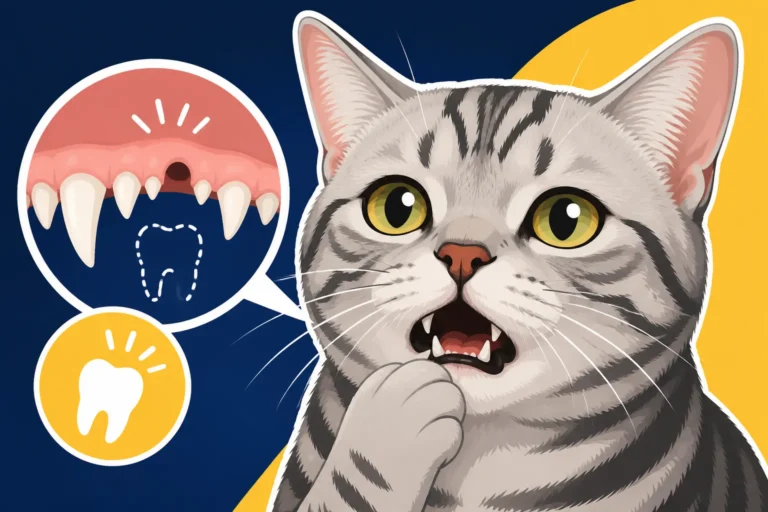
Dental problems are another silent source of pain that can lead to withdrawal. Cats are notoriously good at hiding mouth pain, but a severe toothache, gum disease, or tooth resorption can make eating uncomfortable, leading to a reduced appetite and general malaise. They might stop grooming as much, or paw at their face. It’s a common issue that often goes unnoticed until it's quite advanced. Even a seemingly minor injury, like a strained muscle or a small cut that becomes infected, can be enough to make your cat seek solitude. Understanding Why an American Shorthair Loses Teeth Nobody Noticed highlights the stealthy nature of these issues.
Internal Illnesses and Systemic Problems
Beyond pain, many internal illnesses can cause a cat to feel generally unwell and thus withdrawn. Kidney disease, for instance, is a common ailment in aging cats. It can cause lethargy, nausea, and a decrease in appetite, all of which contribute to a withdrawn demeanor. Similarly, hyperthyroidism, which causes an overactive thyroid, can lead to weight loss, increased appetite (initially), and hyperactivity, but also periods of irritability and withdrawal as the disease progresses and taxes their system. To understand more about this, look into Why Hyperthyroidism Catches a Long Lived American Shorthair.
Diabetes is another condition where early signs can include lethargy and withdrawal, often alongside increased thirst and urination. Even heart conditions, such as Hypertrophic Cardiomyopathy (HCM), can manifest as quietness and reduced activity. While American Shorthairs are generally considered a healthy breed, they are not immune to these systemic issues. Early detection is paramount for managing these conditions effectively and providing your cat with the best possible quality of life. For more detailed information on kidney issues, consider reading How Kidney Disease Creeps Up on an Old American Shorthair. It's also worth noting that HCM Is the One Inherited Disease the American Shorthair Kept, making regular heart checks important.
Environmental and Psychological Stressors
Sometimes, physical health isn't the primary driver of withdrawal, but rather something in their environment or their emotional state. Cats thrive on routine and a sense of security, and anything that disrupts this can cause significant stress, leading them to retreat.
Changes in Environment or Routine
American Shorthairs, despite their generally adaptable nature, are creatures of habit. Major disruptions to their environment or daily routine can be incredibly unsettling. Moving to a new house, for example, completely removes them from their familiar territory and scent markers, which can be a huge source of anxiety. Introducing a new pet, whether another cat, a dog, or even a new human baby, can make your American Shorthair feel threatened or displaced, causing them to withdraw to a safe space. Even subtle changes, like a new work schedule for you, meaning less interaction, or significant redecorating that alters their patrol routes, can contribute to stress.
They might react by hiding more, becoming less vocal, or even experiencing litter box issues. It's their way of coping with a situation they can't control or understand. These changes aren't always negative; sometimes a cat will withdraw simply because a favorite human leaves for college or a family member moves out. Understanding how your American Shorthair processes these changes is key to helping them adjust. For example, knowing How an American Shorthair Handles Building Work can prepare you for potential stress responses during home renovations.
Anxiety and Fear
Beyond general environmental changes, specific triggers can cause significant anxiety and fear, leading to withdrawal. Loud, unexpected noises like thunderstorms, fireworks, or even construction work nearby can send a sensitive cat scurrying for cover. Conflict with other pets in the household, even if it seems minor to you, can create an underlying tension that makes your American Shorthair feel unsafe, prompting them to avoid common areas. If they are being bullied by another cat, they will often retreat to avoid confrontation.
Sometimes, anxiety can stem from a lack of stimulation or boredom, particularly for intelligent, prey-driven cats that are kept strictly indoors. A feeling of stagnation can lead to depression-like symptoms, including withdrawal. Providing adequate mental and physical enrichment is crucial to their well-being. When considering potential vet visits for stress-related issues or unexpected illnesses, having a reliable pet insurance provider like Healthy Paws can truly alleviate financial worries, allowing you to prioritize your cat's health. They understand that even placid American Shorthairs can experience anxiety that requires professional intervention.
What to Expect at the Vet and Next Steps
The decision to take a withdrawn American Shorthair to the vet is always the right one. You are their advocate, and since they can’t tell you what’s wrong, a professional diagnosis is the only way forward. Don't second-guess your instinct that something isn't right.
The Importance of a Thorough Examination
When you bring your withdrawn American Shorthair to the vet, they will start with a comprehensive physical examination. This typically involves checking their eyes, ears, nose, mouth (for dental issues), feeling their abdomen, checking their joints, listening to their heart and lungs, and assessing their overall body condition. Beyond the physical, your vet will ask you a lot of questions about the changes you've observed: when they started, how severe they are, any changes in appetite, thirst, urination, defecation, grooming habits, and any recent environmental shifts at home. This detailed history is crucial.
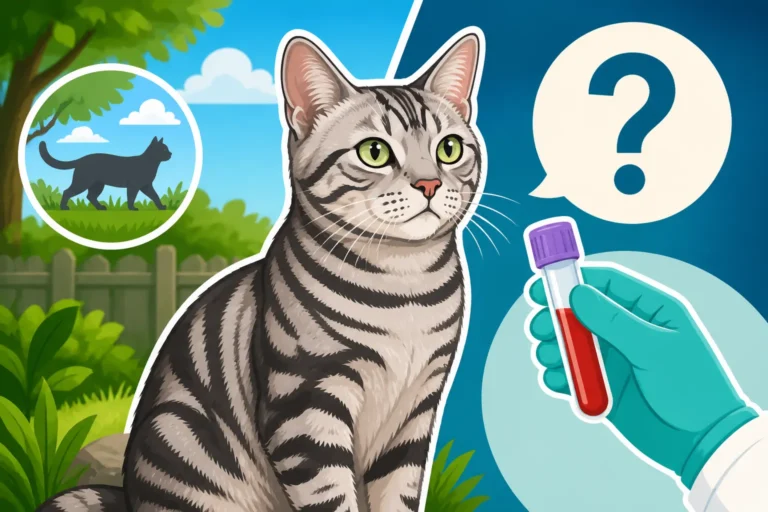
Depending on the findings from the physical exam and your observations, your vet will likely recommend diagnostic tests. These can include bloodwork to check organ function (kidneys, liver, thyroid), look for signs of infection or inflammation, and assess blood sugar levels. A urinalysis might be done to check for urinary tract infections or kidney issues. In some cases, X-rays or ultrasound may be necessary to visualize internal organs, check for arthritis, or identify any masses or foreign bodies. Getting a full picture can involve several steps, but it's the most effective way to get to the root of the problem. For more on comprehensive testing, read What a Full American Shorthair Panel Actually Screens For. Keep in mind that diagnostics, while essential, can add up, and having pet insurance from a provider like Healthy Paws can make these crucial steps more accessible. It can help cover eligible costs for examinations, bloodwork (see What an American Shorthair's Bloodwork Costs), and other diagnostics needed to identify why your cat is withdrawn.
Preparing for Your Vet Visit
To make the most of your vet visit, preparation is key. Before you go, try to keep a brief log of the specific changes you’ve noticed. When did they start? Are they constant or intermittent? What food are they eating, and how much? How are their litter box habits? Any changes in vocalization or interaction with other pets or family members? Even seemingly minor details can be vital clues for the veterinarian. Write down any questions you have so you don’t forget them in the moment.
Getting your American Shorthair into their carrier might be a challenge if they are feeling unwell or anxious. Make it as stress-free as possible by leaving the carrier out with a soft blanket inside, perhaps with some favorite treats, so it becomes less of a "dreaded box" and more of a familiar den. Using a pheromone spray in the carrier beforehand can also help calm them. Remember that even if the vet visit doesn't reveal a serious physical illness, simply ruling out medical causes can be a huge relief, allowing you to focus on environmental or behavioral solutions. For practical tips on carrier training, refer to How to Get a Patrol Minded American Shorthair Into a Carrier. A proactive approach, supported by a pet insurance plan like those offered by Healthy Paws, ensures that you can always address your American Shorthair's health needs without hesitation.
Table of Potential Causes for Withdrawal and Diagnostic Approaches
| Potential Cause of Withdrawal | Common Accompanying Signs | Typical Veterinary Diagnostics |
|---|---|---|
| Pain (Arthritis, Injury) | Limping, stiffness, reduced jumping, vocalizing when touched | Physical exam, palpation, X-rays, pain trial |
| Dental Disease | Bad breath, drooling, difficulty eating, pawing at mouth | Oral exam (often under sedation), X-rays of teeth |
| Kidney Disease | Increased thirst/urination, weight loss, vomiting, poor coat | Bloodwork (renal panel), Urinalysis, Blood pressure, Ultrasound |
| Hyperthyroidism | Weight loss despite appetite, hyperactivity, poor coat, vomiting | Bloodwork (thyroid panel), Blood pressure |
| Diabetes | Increased thirst/urination, weight loss, lethargy, sweet breath | Bloodwork (blood glucose), Urinalysis |
| Heart Disease (HCM) | Lethargy, difficulty breathing, coughing, hiding | Physical exam (heart murmur), X-rays, Echocardiogram |
| Gastrointestinal Issues | Vomiting, diarrhea, constipation, appetite changes | Physical exam, Fecal tests, Bloodwork, X-rays, Ultrasound |
| Stress/Anxiety | Hiding, reduced play, inappropriate urination, aggression, over-grooming | Behavioral history, environmental assessment, rule out medical causes |
| Cognitive Dysfunction | Disorientation, altered sleep cycles, vocalizing, changes in interaction | Behavioral history, physical exam, rule out medical causes |
Disclaimer
This article is for general informational purposes only and does not constitute professional advice. Laws, prices and regulations vary by location and change over time. Consult a qualified professional for guidance on your specific situation.