Why Hyperthyroidism Catches a Long Lived American Shorthair
It’s heartbreaking to watch our beloved feline companions start to show their age, especially when they've been such a steady, quiet presence throughout their lives. One of the most common, yet often sneaky, conditions that can catch a long-lived American Shorthair is hyperthyroidism. This guide will walk you through why this happens, how to recognize the signs, and what you can do to help your cherished cat live out their golden years comfortably.
Understanding Hyperthyroidism in Senior Felines
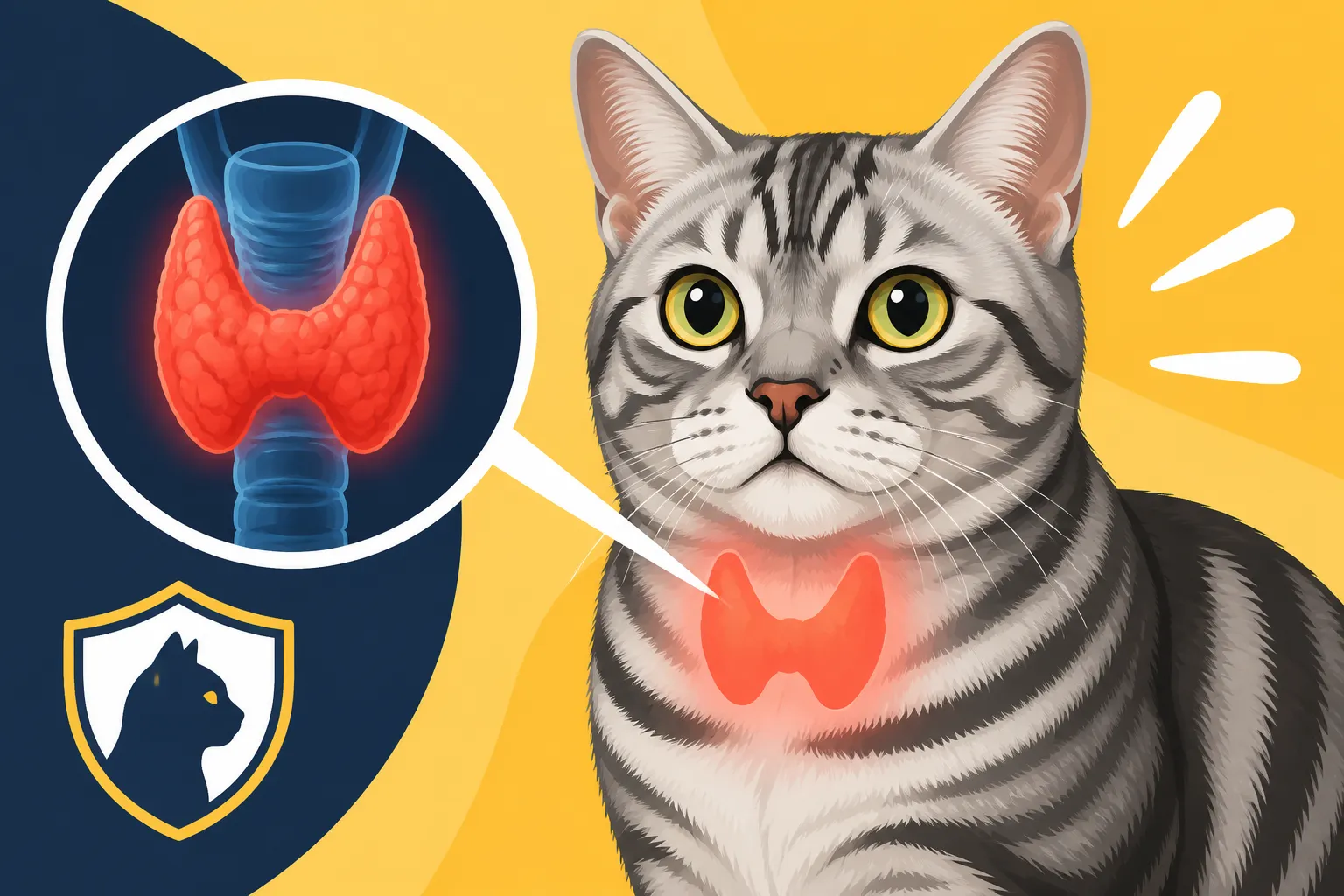
When we talk about hyperthyroidism in cats, we're referring to an overactive thyroid gland, usually located in the neck, that produces too much thyroid hormone. This hormone is like the body's internal thermostat and accelerator pedal all rolled into one. It regulates metabolism, heart rate, body temperature, and almost every other bodily function. When there's too much of it circulating, everything speeds up, leading to a cascade of noticeable and often distressing symptoms. It’s not just a minor imbalance; it's a condition that can profoundly impact your cat's quality of life if left unaddressed.
The Role of the Thyroid Gland
The thyroid gland itself is a small, butterfly-shaped organ in the neck, though in cats, it's often comprised of two separate lobes. Its primary job is to produce two key hormones: thyroxine (T4) and triiodothyronine (T3). These hormones are absolutely critical for maintaining a normal metabolic rate. Think of them as the orchestrators of energy production and utilization in every cell of your cat's body. They tell the heart how fast to beat, the digestive system how quickly to process food, and even how quickly cells regenerate.
In hyperthyroidism, this delicate balance is thrown completely off. The gland, for reasons we'll delve into shortly, starts working overtime, flooding the bloodstream with excessive T3 and T4. This hormonal surge puts the body into overdrive, essentially pushing all systems to their limits. Imagine your car constantly running with the pedal to the metal; that's what hyperthyroidism can feel like for your cat. This prolonged state of high metabolism is incredibly taxing on internal organs, particularly the heart and kidneys, and can lead to serious secondary health issues if not managed promptly.
How Hyperthyroidism Develops in Older Cats
Hyperthyroidism is overwhelmingly a disease of middle-aged and senior cats. While there are always exceptions, it’s rare to see it in felines under seven years old, and it becomes increasingly common past the age of ten. The vast majority of cases, about 98%, are caused by a benign (non-cancerous) tumor or hyperplasia (enlargement) of the thyroid gland. These growths aren't usually malignant, which is a huge relief for many owners, but they are still problematic because they secrete excessive hormones.
The exact cause of these benign growths isn't fully understood, which can be frustrating for those of us who like clear answers. Researchers have looked into everything from environmental factors, diet (especially certain types of cat food with high iodine content or thyroid-disrupting chemicals), genetic predispositions, and even certain types of cat litter. While no definitive single cause has been identified, it’s generally believed to be multifactorial, meaning a combination of these elements contributes to its development over time. The longer a cat lives, the more exposure they have to potential triggers, and the more time these small, benign changes have to develop and become significant. This explains why hyperthyroidism truly catches a long lived American Shorthair.
Why American Shorthairs Are Prone to Hyperthyroidism with Age
The American Shorthair is renowned for its robust health and impressive longevity, often living 15 to 20 years or even longer. This makes them particularly susceptible to age-related conditions like hyperthyroidism, not because they are inherently weaker, but simply because they live long enough for these conditions to manifest. When we consider how long the American Shorthair lives against other pedigrees, their extended lifespans mean more years for the subtle physiological changes that lead to hyperthyroidism to accumulate.
The Impact of Extended Lifespan
Because American Shorthairs regularly enjoy exceptionally long lives, often reaching into their late teens and even beyond, they naturally have a higher statistical chance of developing age-related diseases. Hyperthyroidism is precisely one of those conditions that typically emerge as a cat matures into its senior years. It's not a genetic flaw specific to the breed, but rather a consequence of their excellent health and longevity. Think of it this way: the longer you live, the more likely you are to experience conditions associated with old age. The same principle applies to these wonderful cats.
Their strong genetic background, which results in fewer congenital health issues compared to some other breeds, means they're often spared from early-onset problems. This allows them to thrive into old age, but then they become part of the general senior feline population where hyperthyroidism is a prevalent concern. Owners caring for an American Shorthair past twelve should be particularly vigilant for the subtle signs, as the risk significantly increases with each passing year. It’s part of the trade-off for having such a long-lived and healthy companion – you eventually face the ailments that come with advanced age.
Other Age-Related Health Considerations
It's also crucial to understand that hyperthyroidism rarely occurs in isolation in an older cat. As American Shorthairs age, they can develop other health issues that might either mimic hyperthyroidism symptoms or be exacerbated by it. For instance, kidney disease, heart conditions (like hypertrophic cardiomyopathy or HCM), and dental problems are all common in senior felines.
A cat with hyperthyroidism will often lose weight despite eating ravenously, a symptom that could be confused with other conditions. The rapid metabolism puts a strain on the heart, potentially worsening pre-existing heart murmurs or even inducing new cardiac issues, which means Why an American Shorthair Still Needs a Yearly Heart Scan. Furthermore, the increased blood flow and metabolic rate can put extra stress on the kidneys, sometimes masking or unmasking underlying kidney disease. This is why a thorough veterinary examination, including a comprehensive blood panel, is absolutely essential. Understanding Which Blood Values Matter Most in an American Shorthair can help you interpret discussions with your vet, and regular checks can help detect when How Kidney Disease Creeps Up on an Old American Shorthair. It's a complex picture, and your vet will need to consider all these factors to paint a complete health portrait for your senior American Shorthair.
Recognizing the Subtle Signs and Seeking Diagnosis
One of the trickiest things about hyperthyroidism is that the initial signs can be incredibly subtle, or even attributed to "just getting old." American Shorthairs are known for being stoic and independent, which means they can be particularly good at hiding discomfort until a condition is quite advanced. This makes early detection a challenge, but not an impossible one, for attentive owners.
Common Symptoms to Watch For
While the list of potential symptoms is long, some key indicators should prompt you to call your vet. Remember, these can appear gradually, so it's about noticing changes over time, not just sudden onset.
Here are some of the most common signs:
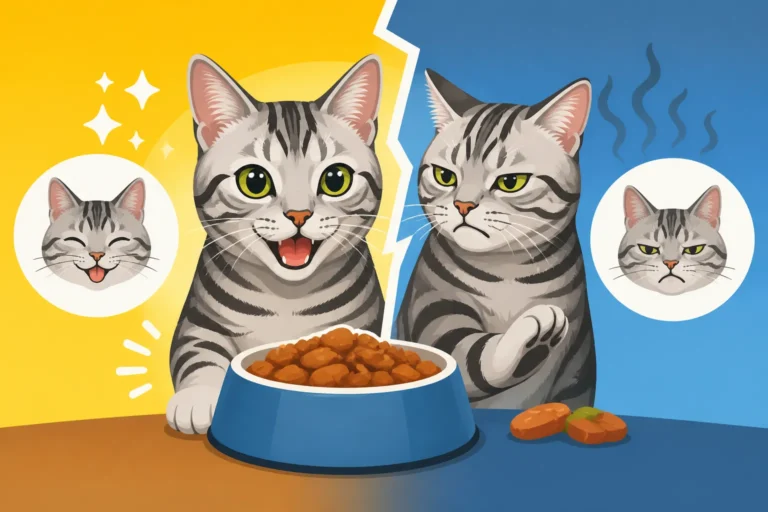
- Weight Loss Despite Increased Appetite: This is arguably the most classic symptom. Your cat might be eating more than ever, perhaps even begging for food constantly, yet still losing weight. Their metabolism is working so fast they can't keep enough calories in their system.
- Increased Thirst and Urination: The overactive thyroid can affect kidney function, leading to your cat drinking more water and therefore needing to urinate more frequently. You might notice more trips to the litter box or larger clumps in the tray.
- Hyperactivity or Restlessness: Many older cats become more sedentary, but a hyperthyroid cat might seem to have a new burst of energy. They might be constantly pacing, restless, vocalizing more, or just unable to settle down. This can be startling in a breed often known for its calm demeanor.
- Poor Coat Condition: Despite increased grooming (which some hyperthyroid cats do obsessively), their coat might appear greasy, unkempt, matted, or dull. They might also shed more.
- Vomiting and Diarrhea: The accelerated metabolism can upset the digestive system, leading to more frequent vomiting or loose stools.
- Increased Vocalization: Your usually quiet American Shorthair might start meowing more, especially at night, often with a louder or more insistent tone.
- Heat Intolerance: Because their metabolism is high, they might feel warmer and seek out cooler places to rest, or simply seem uncomfortable in normal room temperatures.
It's important to remember that these symptoms can also point to other conditions. For example, increased thirst could indicate diabetes or kidney disease, and weight loss can be a sign of many illnesses. This is why veterinary consultation is paramount. If you notice your cat starting to slow down or showing any of these signs, don't dismiss it as just old age; it’s a sign Why a Withdrawn American Shorthair Should See a Vet.
| Symptom Category | Hyperthyroidism | Kidney Disease | Diabetes | Arthritis |
|---|---|---|---|---|
| Weight | Loss (despite eating) | Loss | Loss (despite eating) | Stable or gain |
| Appetite | Increased/Ravenous | Decreased | Increased | Variable |
| Thirst/Urination | Increased | Increased | Increased | Normal |
| Energy Level | Hyperactive/Restless | Lethargic | Variable | Reduced mobility |
| Vomiting/Diarrhea | Common | Common | Less common | Rare |
| Coat Condition | Poor/Greasy | Poor | Variable | Normal |
| Vocalization | Increased | Variable | Normal | Normal |
| Body Temp | Warmer | Normal | Normal | Normal |
The Diagnostic Process
Once you've noticed these concerning signs and brought your American Shorthair to the vet, the diagnostic process is usually straightforward. The vet will perform a thorough physical examination, paying close attention to your cat's neck to feel for an enlarged thyroid gland, though this isn't always palpable. They'll also listen to the heart for murmurs or arrhythmias that can be associated with hyperthyroidism, and check their overall body condition.
The cornerstone of diagnosis is a simple blood test that measures the levels of thyroid hormones, specifically total T4.
If the T4 level is elevated, it strongly indicates hyperthyroidism. Sometimes, in early or mild cases, or if another illness is present, the T4 level might be borderline or even within the normal range. In these situations, your vet might recommend additional, more sensitive tests like a free T4 by equilibrium dialysis (fT4 ED) or a T3 suppression test. These specialized tests can help confirm the diagnosis when the total T4 is ambiguous.
Beyond the thyroid hormone levels, a full blood panel, which includes a complete blood count (CBC) and a biochemistry profile, is crucial. This provides a comprehensive overview of your cat's organ function, checking kidney values, liver enzymes, and electrolyte levels. It's especially important to assess kidney health because hyperthyroidism can sometimes mask kidney disease, or treatment for hyperthyroidism can unmask it. An American Shorthair's senior panel costs a bit more, but it's an invaluable investment in their health. The vet may also recommend a urinalysis and blood pressure measurement, as hypertension is a common complication of hyperthyroidism. What a Full American Shorthair Panel Actually Screens For will give you a better idea of what to expect from these comprehensive checks.
Navigating Treatment Options and Managing Long-Term Care
Receiving a hyperthyroidism diagnosis for your American Shorthair can feel overwhelming, but the good news is that it’s a treatable condition. There are several effective treatment options available, and your veterinarian will work with you to determine the best course for your individual cat, taking into account their overall health, age, and your family's circumstances. Pet insurance, such as plans from Healthy Paws, can be incredibly helpful here, covering a significant portion of diagnostic tests, medications, or specialized treatments.
Medical Management with Methimazole
The most common and often first-line treatment for hyperthyroidism is oral medication, typically methimazole. This drug works by interfering with the thyroid gland's ability to produce thyroid hormones. It doesn't cure the condition, but rather manages it by bringing hormone levels back into a normal range.
Methimazole is usually given once or twice daily, and it's something your cat will likely need for the rest of their life. The starting dose is usually low and then adjusted based on follow-up blood tests, which are crucial for monitoring effectiveness and ensuring the dosage is just right. Initially, your vet will want to recheck blood work frequently (every 2-4 weeks) to titrate the dose. Once stable, checks might be every 3-6 months.
While generally effective, methimazole can have side effects. Some cats might experience mild vomiting, lethargy, or loss of appetite, especially when first starting the medication. More rarely, severe side effects like liver problems, blood disorders, or facial itching can occur. If your cat develops any adverse reactions, it's vital to contact your vet immediately. On the positive side, methimazole is relatively affordable compared to other options, and it allows for a "test drive" to see how your cat's kidney function responds once their thyroid levels are normalized. This is important because, as mentioned earlier, hyperthyroidism can sometimes mask underlying kidney disease, and normalizing thyroid levels can sometimes reveal or worsen kidney issues.
Radioactive Iodine Therapy
For many owners, radioactive iodine (I-131) therapy is considered the gold standard treatment, offering a potential cure for hyperthyroidism. This treatment involves a single injection of radioactive iodine, which is then absorbed by the overactive thyroid cells, destroying them while sparing the surrounding healthy thyroid tissue and other organs.
The beauty of I-131 therapy is its targeted action. The radioactive iodine specifically targets and eliminates the abnormal thyroid tissue responsible for the overproduction of hormones. Because it’s a cure, it eliminates the need for daily medication, blood tests, and the stress of giving pills. It’s also highly effective, with success rates typically over 95%.
However, there are some significant considerations. First, it requires your cat to stay at a specialized veterinary facility for several days (usually 3-7 days, depending on local regulations and the dose administered) while they excrete the radioactive material. This can be stressful for both the cat and owner, as visits are usually not allowed. Second, it's a more expensive upfront cost than ongoing medication, although over a long lifespan, it can be more cost-effective. Many owners find relief in pet insurance plans, and providers like Healthy Paws can help cover the costs of diagnostics and long-term medication, and sometimes even a portion of specialized treatments like I-131. The decision often comes down to balancing the cost, the logistics, and the desire for a permanent solution versus lifelong daily medication.
Dietary Management and Surgical Options
Beyond medication and radioactive iodine, there are other approaches, though they are less commonly used as primary treatments for the majority of cases.
Dietary Management: A specialized prescription diet, restricted in iodine, is another option. Iodine is essential for the production of thyroid hormones, so by severely limiting dietary iodine, the overactive thyroid gland cannot produce excessive hormones. This approach requires strict adherence to the diet – absolutely no other foods, treats, or supplements can be given, as even small amounts of iodine can undermine the treatment. This can be incredibly challenging in a multi-cat household or with an American Shorthair that is particularly adept at finding rogue snacks. It's non-invasive and can be effective for some cats, but it needs consistent compliance from all family members.
Surgical Removal (Thyroidectomy): Surgical removal of the affected thyroid gland (thyroidectomy) is another treatment option. This involves a delicate procedure to excise the enlarged thyroid tissue. While it can be curative, surgery comes with inherent risks, including anesthesia (especially in older cats with potential heart issues) and potential damage to the adjacent parathyroid glands, which regulate calcium levels. Damage to these glands can lead to life-threatening low calcium levels, requiring additional medical management. For this reason, and because of the effectiveness and safety of I-131 therapy, surgery is less frequently recommended unless other options are unsuitable. However, Why an American Shorthair Is a Low Anesthetic Risk can make this a more viable option for some healthy senior cats.
Regardless of the treatment chosen, regular follow-up veterinary visits are essential. This includes monitoring thyroid hormone levels, kidney function, and overall health to ensure the treatment is effective and to catch any emerging issues early. This commitment to ongoing care is vital for ensuring your long-lived American Shorthair maintains a good quality of life despite hyperthyroidism. Early detection is key, and routine senior blood panels, which Healthy Paws might help cover, are invaluable.
Disclaimer
This article is intended for informational purposes only and does not constitute medical advice. Always consult with a qualified veterinarian for any health concerns or before making any decisions about your pet's medical care.