Whether Ear Mites Reach an American Shorthair
Finding your otherwise pristine American Shorthair scratching its ears constantly, shaking its head, or even developing a crusty, dark discharge can be incredibly worrying. You try to keep them clean, you feed them well, and yet here's this issue that just won't quit. It’s a frustrating situation, and you're right to wonder if ear mites are the culprit. This guide will walk you through everything you need to know about ear mites in American Shorthairs, from identifying the subtle signs to understanding effective treatments and, most importantly, how to keep these pesky parasites away.
Understanding Ear Mites and How They Spread
Let's be clear: ear mites are a common and annoying problem that can affect any cat, including your typically robust American Shorthair. These aren't just some rare ailment; they're a persistent threat, especially if your cat has any contact with other animals.
What Exactly Are Ear Mites?
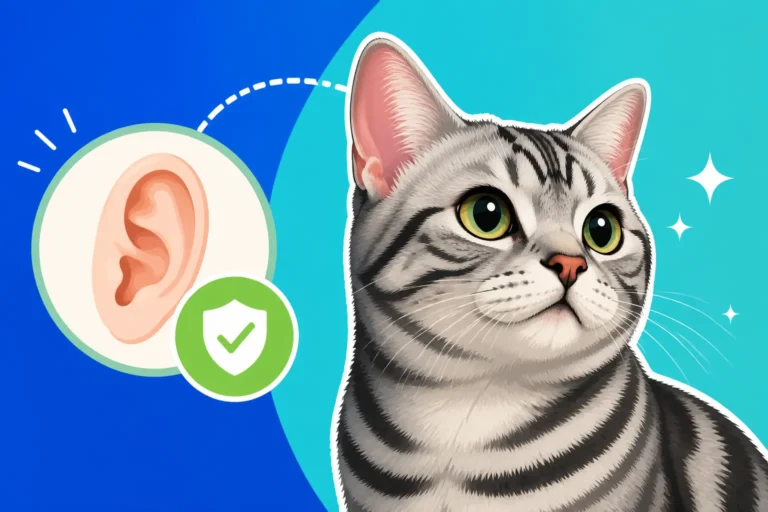
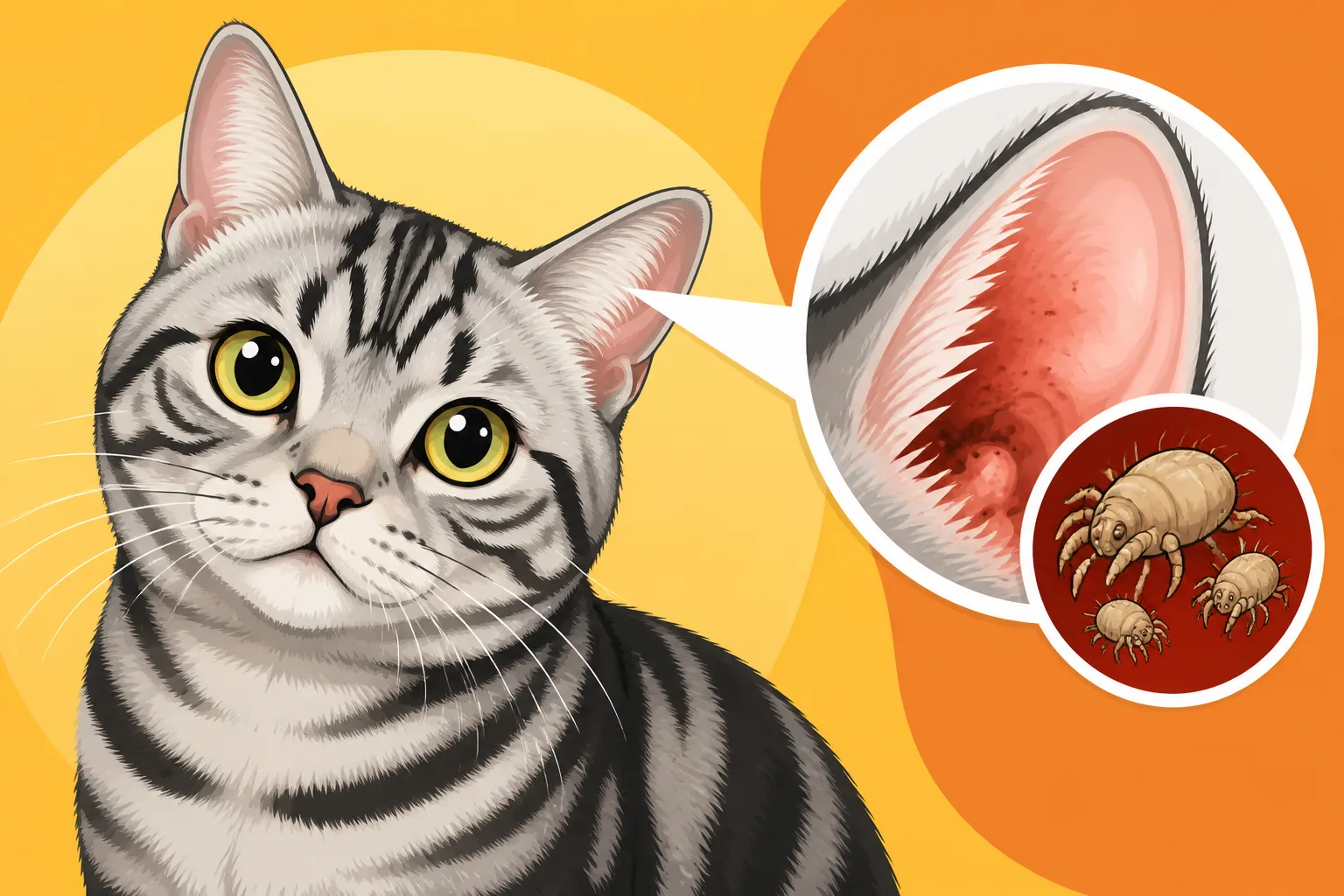
Ear mites, scientifically known as Otodectes cynotis, are tiny, spider-like parasites that live on the surface of the ear canal skin. They're so small that you usually can't see them with the naked eye – often, what you see is the dark, crumbly discharge they produce, which many describe as looking like coffee grounds. These little critters thrive in the warm, dark, and slightly moist environment of a cat's ear. They feed on skin debris and ear wax, causing intense irritation, inflammation, and discomfort.
The life cycle of an ear mite is relatively quick, lasting about three weeks from egg to adult. The female lays eggs, which hatch into larvae that feed and develop into nymphs, and then finally into adult mites. This rapid reproduction means that a small initial infestation can quickly escalate into a full-blown problem, leading to a significant amount of dark, waxy debris and a very unhappy cat. It's a truly miserable experience for them, causing constant itching and pain.
How Ear Mites Infest an American Shorthair
American Shorthairs might be known for their resilient health, but they are absolutely not immune to ear mites. The primary way ear mites spread is through direct contact with an infested animal. This means if your American Shorthair spends time around other cats, dogs, or even ferrets that carry mites, they are at risk.
Think about common scenarios:
- Multi-cat households: If one cat gets ear mites, it's highly probable that every other cat in the home will eventually get them too. Mites easily transfer during grooming sessions, playtime, or even just sharing a bed.
- Shelters or rescues: Cats coming from environments with many animals, like a rescue organization, often arrive with ear mites due to the close quarters. If you're considering Adopting an American Shorthair From a Shelter, it's vital to have them checked thoroughly upon arrival.
- Outdoor access: An outdoor American Shorthair has a much higher chance of encountering other animals – feral cats, neighborhood dogs, or even wildlife – that could be carrying ear mites. This is just one of the many The Risks an Outdoor American Shorthair Takes That an Indoor One Does Not.
- Brief encounters: Even a quick nose-to-nose greeting with an infected cat at the vet's office (though rare if proper hygiene is maintained) or a visit from a friend's pet can be enough.
The robust nature and hunting instincts of an American Shorthair mean they might be more inclined to interact with other animals, inadvertently increasing their exposure risk. It's not a reflection of their health, but simply a fact of how these parasites operate.
Recognizing the Signs of Ear Mites in Your American Shorthair
Catching ear mites early can make a big difference in treatment and your cat's comfort. While some symptoms are obvious, others might be subtle enough to miss at first glance.
Common Symptoms and Behaviors
The most hallmark sign of ear mites is intense itching in and around the ears. Your American Shorthair might start exhibiting several behaviors that scream "ear mites!"
- Persistent scratching: This is usually the first and most noticeable symptom. Your cat will scratch at their ears with their back paws, sometimes so vigorously that they break the skin, leading to scabs or secondary infections.
- Head shaking: An attempt to dislodge the mites or relieve the itching sensation, your cat might shake its head repeatedly.
- Dark, crumbly discharge: This is the classic "coffee grounds" appearance. It's a mixture of ear wax, blood, skin debris, and the mites themselves. This discharge can be found deep in the ear canal or sometimes visible at the entrance of the ear.
- Ear odor: A foul smell can accompany the discharge, especially if a secondary bacterial or yeast infection has set in due to the inflammation and scratching.
- Redness and inflammation: The skin inside the ear might appear red, irritated, or swollen.
- Scabs or crusts: Constant scratching can lead to open wounds, which then scab over. You might see these scabs on the inside of the ear flap or just outside the ear canal.
- Hair loss around the ears: Due to excessive scratching, some fur might be rubbed away around the ears.
It's heartbreaking to see your usually composed American Shorthair so uncomfortable, and these signs should prompt a quick visit to the vet.
Differentiating Ear Mites from Other Ear Problems
While the coffee-ground discharge is a strong indicator of ear mites, other ear conditions can mimic some of the symptoms. It’s crucial not to self-diagnose, as incorrect treatment can worsen the problem.
For example, a common ear infection caused by bacteria or yeast can also cause redness, itching, and discharge, but the discharge is often yellow, brown, or greenish, and might have a different consistency. Allergies, either environmental or food-related, can also manifest as itchy ears, sometimes without much discharge. Foreign bodies, like a blade of grass or a tiny bug, occasionally find their way into the ear canal, causing acute discomfort and head shaking.
Knowing whether it's How Rarely an American Shorthair Gets an Ear Infection compared to ear mites is vital. While ear infections are less common in American Shorthairs generally due to their open ear structure, mites can certainly precipitate one. Only a veterinarian can definitively diagnose ear mites by examining the discharge under a microscope, making sure your beloved feline gets the correct and effective treatment it needs.
Diagnosing and Treating Ear Mites in American Shorthairs
When you suspect ear mites, a trip to the vet is non-negotiable. They have the tools and expertise to make an accurate diagnosis and prescribe the right course of action.
The Veterinary Diagnosis Process
When you bring your American Shorthair in, your vet will start with a thorough physical examination, paying close attention to their ears.
- Visual Inspection: They'll look for the tell-tale signs: the "coffee grounds" discharge, redness, inflammation, and any scabs or raw areas.
- Otoscopic Examination: Using an otoscope, a tool with a light and magnifying lens, the vet can look deeper into the ear canal to assess the extent of the inflammation and confirm the presence of discharge. In some cases, if the cat is very cooperative and the mites are active, the vet might even spot the tiny white mites moving around.
- Microscopic Examination: This is the most definitive step. The vet will gently take a sample of the ear discharge using a cotton swab, place it on a slide, and examine it under a microscope. The mites are easily identifiable, along with their eggs. This step also helps the vet check for secondary bacterial or yeast infections that might be present alongside the mites.
This quick and straightforward diagnostic process ensures that your American Shorthair receives an accurate diagnosis, avoiding unnecessary or incorrect treatments.
Effective Treatment Options
Once ear mites are confirmed, your vet will prescribe a treatment plan. It's important to follow these instructions precisely to fully eradicate the mites and prevent re-infestation.
Treatment usually involves a combination of:
- Ear Cleaning: Before any medication is applied, the ears need to be thoroughly cleaned to remove the discharge, wax, and debris. This helps the medication reach the mites more effectively. Your vet may do the initial cleaning and instruct you on how to continue at home, usually with a gentle, cat-safe ear cleaner.
- Topical Miticides: These are ear drops containing medication specifically designed to kill ear mites. They are typically applied daily or every few days for a specified period, often several weeks, to ensure all mites, including those that hatch from eggs, are eliminated. Common active ingredients include ivermectin or selamectin.
- Systemic Medications: For more severe cases, or in multi-pet households, vets might recommend systemic treatments. These are typically spot-on medications applied to the skin (like Revolution or Advantage Multi) that are absorbed into the bloodstream and kill mites and other parasites. These often offer broader parasite protection.
- Addressing Secondary Infections: If your cat has developed a bacterial or yeast infection due to the irritation, your vet will prescribe antibiotics or antifungal ear drops in addition to the miticide.
- Pain Relief: In cases of severe inflammation and discomfort, your vet might prescribe anti-inflammatory medication to help soothe your cat's ears.
It's crucial to complete the entire course of treatment, even if your American Shorthair seems better after a few days. Stopping too early can lead to a quick recurrence of the infestation.
The Importance of Treating All Pets
This is a step many owners overlook, but it's absolutely vital. If you have multiple pets in your home – cats, dogs, or ferrets – all of them must be treated for ear mites simultaneously, even if only one is showing symptoms. Ear mites are incredibly contagious and can jump from one host to another with ease.
If you only treat the symptomatic American Shorthair, the mites will simply migrate to another untreated pet, wait for the first cat's treatment to finish, and then re-infest the original host. It's a frustrating cycle that can be easily broken by a comprehensive, household-wide treatment plan. Discuss this with your vet to ensure every pet receives the appropriate medication. Remember, a stitch in time saves nine, especially when dealing with tiny, persistent parasites.
Preventing Ear Mites in Your American Shorthair
While treatment is effective, prevention is always better. Taking proactive steps can save your American Shorthair from the discomfort of an ear mite infestation.
Best Practices for Indoor Cats
Even if your American Shorthair is an indoor-only cat, prevention is still important, especially if you have visitors with pets or if your cat ever leaves the house for vet visits or travel.
- Regular Ear Checks: Make it a habit to gently check your American Shorthair's ears once a week or every couple of weeks. Look for any redness, discharge, or unusual odor. Early detection can prevent a minor issue from becoming a major problem.
- Maintain Cleanliness: While American Shorthairs are excellent self-groomers, ensuring their bedding is clean and regularly washed can reduce environmental mite load, although mites don't live long off a host.
- Limited Exposure: If you introduce a new pet into the household, especially a rescue, keep them separate initially and have them checked by a vet for parasites, including ear mites, before allowing full integration. This is particularly important for How to Introduce an American Shorthair Without a Territory Fight and preventing disease.
- Vet Check-ups: Regular veterinary check-ups, even if your cat seems perfectly healthy, allow your vet to spot issues you might miss. An annual exam should include a quick look into the ears.
Safeguards for Outdoor or Multi-Pet Households
If your American Shorthair enjoys supervised outdoor time, or if you have a bustling multi-pet household, your prevention strategy needs to be more robust.
- Preventative Medications: Many monthly topical flea and tick preventatives also protect against ear mites. These products, often prescribed by your vet, are a fantastic way to offer ongoing protection for your American Shorthair and any other pets in the home. Talk to your veterinarian about which product is best for your specific situation. This added protection can make Whether an Outdoor American Shorthair Needs Regular Worming and flea treatment much simpler, as some products cover multiple parasites.
- Quarantine New Animals: Any new pet entering the home should be quarantined from existing pets and thoroughly examined by a veterinarian, including ear mite checks, before being introduced to your American Shorthair.
- Monitor Interactions: If your outdoor American Shorthair frequently interacts with neighborhood cats or other animals, increase your vigilance for ear mite symptoms.
- Clean Pet Environments: Regularly clean and vacuum areas where pets sleep and spend time, as this can help remove any stray mites (though their survival off a host is limited).
Being diligent with prevention is a small effort that can save your American Shorthair from a lot of discomfort and you from stressful vet visits and treatment costs. While your American Shorthair might be a Why the American Shorthair Is Used as a Health Benchmark for its general robustness, common parasites like ear mites don't discriminate.
Comparing Ear Mite Symptoms to Other Common Ear Issues
To help you distinguish between potential ear problems, here's a quick comparison of common symptoms. Remember, this table is for informational purposes, and a vet visit is always necessary for a definitive diagnosis.
| Symptom / Condition | Ear Mites | Bacterial Ear Infection | Yeast Ear Infection | Allergies (Ear Involvement) | Foreign Body |
|---|---|---|---|---|---|
| Itching/Scratching | Severe & Constant | Moderate to Severe | Moderate to Severe | Moderate to Severe | Sudden & Intense |
| Head Shaking | Frequent | Frequent | Frequent | Occasional | Sudden & Frequent |
| Ear Discharge | Dark, dry, crumbly (coffee grounds) | Yellow, brown, purulent | Brown, waxy, greasy | Minimal or None | Variable, often bloody |
| Odor | Mild to Foul | Foul | Yeasty, sweet | None or mild | Variable |
| Redness/Inflammation | Moderate to Severe | Severe | Moderate | Moderate | Localized, Severe |
| Scabs/Crusts | Common, especially on ear flaps | Occasional | Occasional | Occasional | Rare |
| Contagious | Highly | No | No | No | No |
| Visibility of Cause | Tiny white mites (microscopic) | Bacteria (microscopic) | Yeast (microscopic) | Skin inflammation | Visible on exam |
It's clear that while some symptoms overlap, the "coffee ground" discharge and highly contagious nature are strong indicators of ear mites. Always consult your vet for an accurate assessment.
Disclaimer
The information provided in this guide is for general educational purposes only and should not be considered a substitute for professional veterinary advice. Always consult with a qualified veterinarian regarding any health concerns or before making any decisions about your pet's medical care.