How Road Traffic Shortens an Outdoor American Shorthair’s Life
It’s a heartbreaking reality that many American Shorthair owners face: the undeniable allure of the outdoors for a cat with deep hunting instincts, pitted against the ever-present dangers of human civilization. When your cherished feline companion ventures outside, the biggest, and often deadliest, threat they encounter isn't another animal or a strange plant – it’s the relentless flow of road traffic. This guide aims to pull back the curtain on this sobering risk, detailing how road traffic dramatically shortens an outdoor American Shorthair's life and what you can do to protect them.
The Unseen Dangers of the Open Road for an American Shorthair
The American Shorthair, with its sturdy build and alert intelligence, carries a strong legacy of independence and a powerful prey drive. These traits, while admirable and part of what makes them such compelling companions, can become severe liabilities when juxtaposed with the speed and scale of modern vehicles. It’s a conflict between ancient instinct and contemporary hazards that often ends tragically.
The Hunter's Instinct Versus Modern Traffic
Think about your American Shorthair. Even if they’re indoor-only, you've probably seen them stalk a dust bunny, pounce on a toy, or intently watch a bird from the window. This isn't just play; it's the deeply ingrained predatory sequence passed down from generations of working cats. Historically, these cats were indispensable on ships and farms, relied upon to keep rodent populations in check. Their focus was singular: the hunt. When an American Shorthair steps outside, that instinct kicks in. They're scanning for movement, listening for scurrying sounds, and plotting their next "patrol route" through their perceived territory.
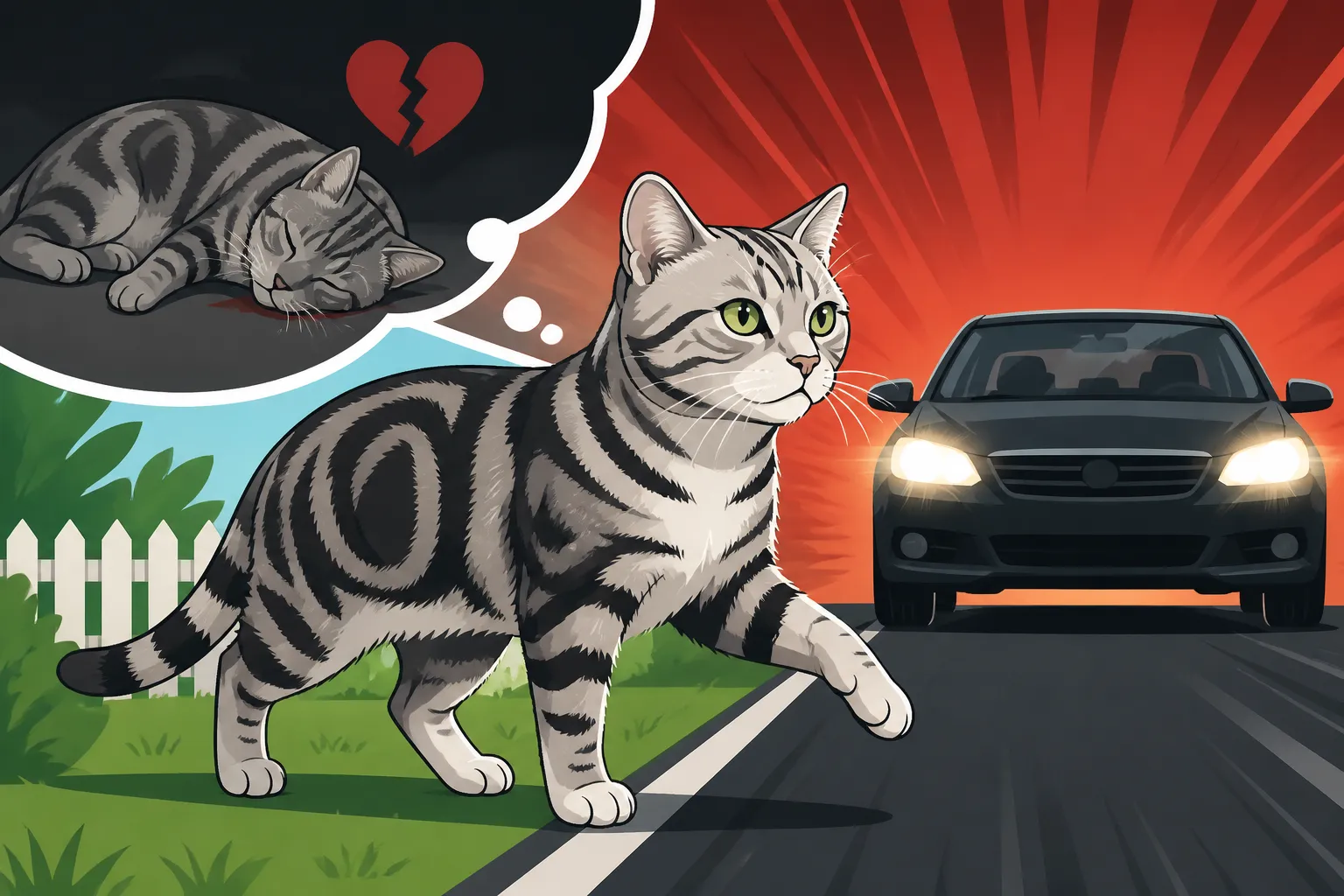
The problem arises because this laser focus on potential prey or territorial boundaries doesn't account for a rapidly approaching car. A bird flitting across the street or a squirrel darting into bushes can trigger a chase response that overrides all caution. They might not look left and right the way we do; their primary concern is the target. A cat used to the quiet life of a sprawling farm might find themselves disoriented and overwhelmed by the noise and speed of even a moderately busy suburban street. In a flash, their natural agility and quick reflexes, usually their greatest assets, are no match for a vehicle traveling at 30 miles per hour. This inherent drive, while fascinating to observe, is one of the most significant factors placing The Risks an Outdoor American Shorthair Takes That an Indoor One Does Not into sharp relief, highlighting the vulnerability that comes with their incredible natural abilities.
Why a Cat's Survival Skills Aren't Enough
Many owners hold onto the belief that cats are exceptionally agile, with "nine lives," and will instinctively know how to avoid danger. While American Shorthairs are indeed nimble and possess incredible reflexes, these natural defenses are often insufficient against the sheer speed and mass of a car. A vehicle can cover a significant distance in the blink of an eye, far faster than even the quickest cat can react or change direction. The braking distance of a car, especially at higher speeds, makes it almost impossible for a driver to stop in time if a cat suddenly appears.
Furthermore, it's not always a direct, fatal impact that causes the most harm. Many traffic accidents involve glancing blows that send the cat flying, resulting in severe internal injuries that aren't immediately obvious. A cat might be hit, flee in terror and pain, only to collapse and succumb to internal bleeding or organ damage hours or even days later, hidden away from sight. These aren't just minor scrapes; these are often life-threatening traumas requiring immediate and extensive veterinary intervention. The myth of the indestructible cat unfortunately contributes to a false sense of security for owners, making the decision to allow unrestricted outdoor access seem less perilous than it truly is.
The Devastating Health Consequences of Vehicular Trauma
When an American Shorthair is involved in a road traffic accident, the consequences are almost universally severe, often leading to immediate fatality or injuries so profound that they drastically shorten the animal’s life and diminish their quality of existence. This isn't just about a broken bone; it's about life-altering, often excruciating, trauma.
Common Injuries and Their Severity
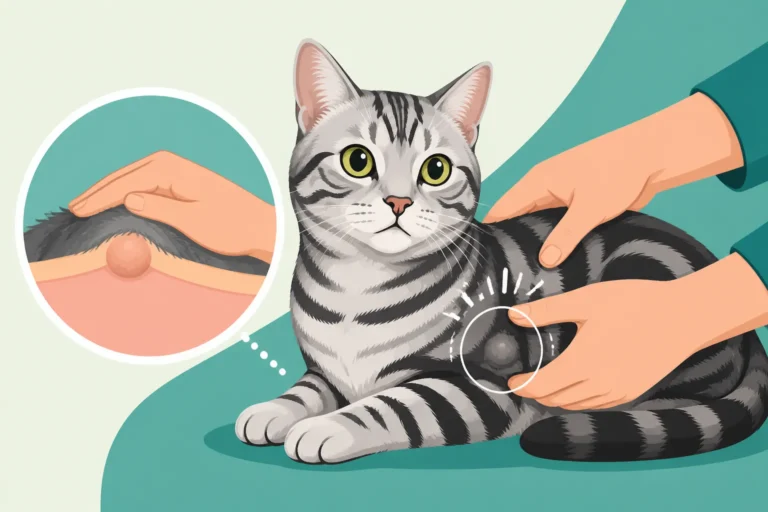
The types of injuries sustained by cats in vehicle collisions are grim and varied, reflecting the immense force involved. Broken bones are incredibly common, particularly those in the pelvis, which can shatter, requiring complex and expensive surgical repair. Legs might be fractured in multiple places, sometimes so severely that amputation becomes the only option. Internal bleeding, often in the chest or abdomen, is a silent killer, as it can go unnoticed for a time while causing catastrophic organ damage. Head trauma can result in brain swelling, neurological damage, and blindness, impacting the cat's ability to live a normal life even if they survive the initial impact. Spinal injuries are also a significant concern, frequently leading to paralysis, incontinence, and a complete loss of mobility.
Degloving injuries, where skin and tissue are ripped away from underlying muscle and bone, exposing tendons and nerves, are agonizing and prone to infection. These wounds are not only horrific but also incredibly difficult and costly to treat, often requiring multiple surgeries and prolonged rehabilitation. Each of these scenarios represents an emergency, demanding immediate and expert veterinary care. When contemplating Which Injuries an Outdoor American Shorthair Comes Home With, the spectrum of road traffic injuries is among the most severe and life-threatening possibilities, far beyond a typical cat fight or fall from a fence.
The Emotional and Financial Toll on Owners
Beyond the physical suffering of the cat, the emotional and financial burden on owners is immense. The shock of finding your beloved American Shorthair injured, or worse, receiving that dreaded call from the vet, is a deeply traumatic experience. Owners often grapple with intense grief, guilt, and the agonizing decisions that follow. The question of "what if I had just kept them indoors?" can haunt you for years.
Then there’s the financial aspect. Emergency veterinary care for vehicular trauma is exceptionally expensive. A single emergency visit can quickly rack up costs for diagnostics (X-rays, ultrasounds), pain management, IV fluids, wound care, and potential surgeries. We're talking thousands of dollars for a pelvic fracture repair or internal injury treatment. This is where pet insurance, like a comprehensive plan from Healthy Paws, can be an absolute lifeline. Without it, many owners are faced with the heartbreaking choice of declining life-saving treatment due to financial constraints. Knowing What an American Shorthair's Emergency Visit Costs can prepare you for the stark reality, but the emotional cost is immeasurable. The stress of caring for a severely injured pet, coupled with the financial strain, can be overwhelming, even for the most devoted owner.
Long-term Impact on Lifespan and Quality of Life
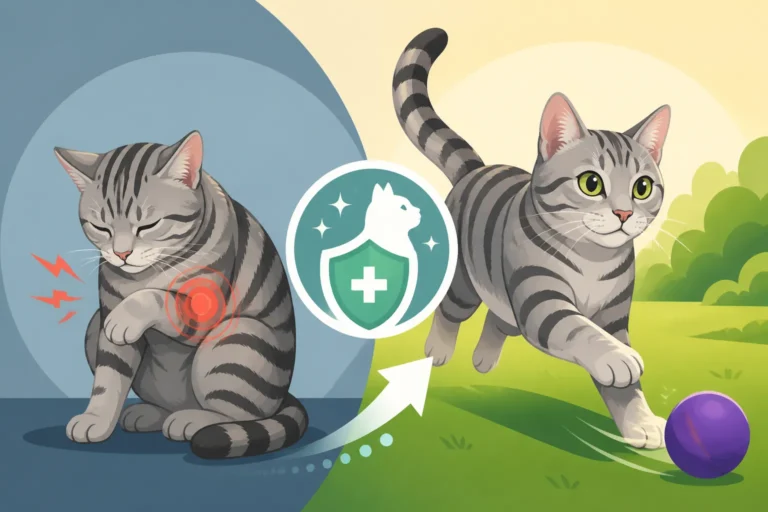
Even for those American Shorthairs fortunate enough to survive a traffic accident, the long-term impact on their lifespan and quality of life can be profound. A cat that endures severe injuries might live, but often with permanent disabilities, chronic pain, or neurological deficits. A fractured pelvis might heal, but leave them with a permanent limp or reduced agility. Internal injuries could lead to chronic organ dysfunction, necessitating lifelong medication and special diets. A cat that once loved to jump and explore might be confined to ground level, its adventurous spirit stifled by physical limitations.
This isn't just about shortening their life; it's about fundamentally altering the quality of the years they have left. A life of pain management, limited mobility, and constant vet visits is a stark contrast to the vibrant, active life an American Shorthair is meant to live. These long-term consequences directly contribute to a shortened overall lifespan, as their bodies are simply less resilient to other health challenges. It's a stark comparison when you consider How Long the American Shorthair Lives Against Other Pedigrees when protected from such risks. While many American Shorthairs can reach 15-20 years with proper care, a severe traffic accident can shave many years off that potential. Furthermore, accidents are a leading cause of premature death, contrasting sharply with What an Untested American Shorthair Usually Dies Of, which typically includes age-related diseases rather than sudden trauma.
Mitigating Risks and Making Safer Choices for Your American Shorthair
Understanding the severe risks associated with road traffic is the first step towards protecting your American Shorthair. The next, and most crucial, is actively implementing strategies to reduce or eliminate those risks. This often involves a thoughtful assessment of your living situation and a commitment to providing a safe, enriching environment.
Assessing Your Home Environment and Local Traffic
Before making decisions about outdoor access, it's vital to realistically evaluate your immediate surroundings. Is your home on a quiet cul-de-sac, or does it border a busy main road with a high speed limit? Do you live in a dense urban area with constant vehicle movement, or a rural setting where traffic is sparse but speeds might be higher? Consider the volume of traffic, the average speed of vehicles, and the presence of blind spots or fast turns. Even seemingly quiet residential streets can have unexpected dangers, particularly from delivery vehicles, visitors, or children playing.
Beyond the roads themselves, think about driveways, parking lots, and even the proximity to neighbors who may not be as careful. If you live in an apartment complex, how does your American Shorthair navigate common areas or parking structures to get outside? These factors, often overlooked, significantly amplify the risk. Truly understanding your specific local environment helps contextualize The Risks an Outdoor American Shorthair Takes That an Indoor One Does Not and allows for more informed decision-making regarding their safety.
The Case for a Controlled Outdoor Experience
For many American Shorthair owners, the idea of completely depriving their cat of fresh air and outdoor stimulation feels wrong, especially given their innate drive. The good news is that there are numerous ways to provide a safe, enriching outdoor experience without the dangers of unrestricted roaming.
One of the most popular and effective solutions is a "catio" – a secure, enclosed outdoor space. These can range from small window boxes to elaborate, multi-level structures with tunnels and climbing perches. A catio allows your American Shorthair to feel the sun on their fur, watch birds, smell the fresh air, and even hunt bugs, all within the safety of an impenetrable barrier. You can even bring elements of What an Indoor American Shorthair Does With a Mouser's Instinct into the catio by hiding treats or providing puzzle feeders.
Another option is supervised leash walking, using a properly fitted harness designed for cats. While this takes training and patience, many American Shorthairs can learn to enjoy exploring their immediate surroundings on a leash, offering exercise and mental stimulation. The key here is supervision; you are always present and in control, ensuring they don't dart into traffic or encounter other hazards. Balancing their natural instincts, like The American Shorthair Still Hunts, Whether You Want It To or Not, with these controlled outdoor experiences, is a responsible way to keep them safe. Ultimately, carefully weighing the freedom of Whether an American Shorthair's Cat Flap Is Worth the Risk against the inherent dangers of an open environment is a critical part of responsible pet ownership.
Essential Safety Measures for Any Outdoor Cat
If, despite the risks, you still allow your American Shorthair unrestricted outdoor access, certain safety measures become absolutely non-negotiable. First and foremost is microchipping. A microchip, implanted painlessly under the skin, provides permanent identification. If your cat is hit by a car and found by a good Samaritan or animal control, a quick scan can reunite them with you, potentially saving critical time if they need emergency medical attention. This is paramount to Why a Roaming American Shorthair Must Be Chipped and helps ensure that if they are injured, you can be notified and make critical decisions promptly, especially since How an American Shorthair Finds Its Way Home can be hindered by injury or disorientation.
Secondly, a reflective breakaway collar can offer a thin layer of protection. Reflective material can make your cat more visible to drivers at night, and the breakaway feature ensures they won't get caught on branches or fences. However, never rely solely on a collar; it's a minimal deterrent at best. Regular veterinary check-ups are also crucial for any outdoor cat. They are exposed to more parasites, potential injuries, and diseases. Discuss with your vet about specific preventative care, such as Whether an Outdoor American Shorthair Needs the FeLV Vaccine, to protect against infectious diseases common among outdoor cats. Finally, always have an emergency plan in place. Know the location and contact information for your nearest 24-hour veterinary emergency clinic. And seriously consider pet insurance, like Healthy Paws, to help cover the astronomical costs if the unthinkable happens.
Understanding the Statistics and Making Informed Decisions
The decision to allow an American Shorthair outdoors is deeply personal, often stemming from a desire to provide them with a "natural" life. However, modern environments are far from natural for cats, and the statistics paint a clear, stark picture about the reduced lifespans of outdoor cats, particularly due to traffic.
The Stark Reality of Outdoor Cat Mortality
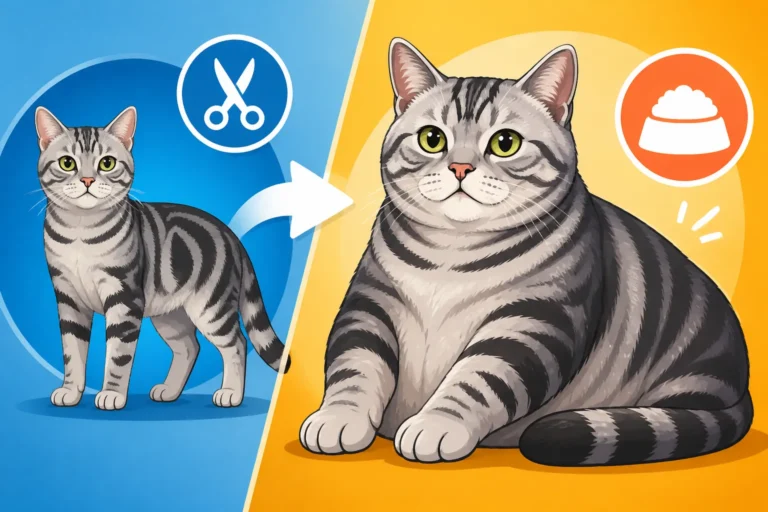
Numerous studies and anecdotal evidence from veterinary professionals consistently show that outdoor cats, on average, live significantly shorter lives than their indoor counterparts. While indoor American Shorthairs can easily live into their late teens or even early twenties, the average lifespan for an outdoor cat is often cited as a mere 2 to 5 years. Road traffic accidents are a leading cause of this dramatic reduction. These are not just isolated incidents; they represent a continuous, pervasive threat that quietly claims countless feline lives every day. Many incidents are hit-and-runs, meaning injured cats are left to suffer or die unseen, contributing to the "silent epidemic" of outdoor cat mortality. The table below illustrates this stark difference.
| Factor | Indoor American Shorthair | Outdoor American Shorthair |
|---|---|---|
| Average Lifespan | 15-20 years (often longer) | 2-5 years (significantly reduced due to external risks) |
| Traffic Risk | Virtually zero | High, especially in urban/suburban areas |
| Common Causes of Death | Age-related illness, chronic disease | Accidents (RTA, falls), predation, disease, poisoning |
| Preventive Measures | Enrichment, regular vet care, diet control | Microchipping, reflective collar, secure enclosure (catio) |
| Associated Costs | Routine vet care, food, toys, potential chronic illness management | Emergency vet care (trauma), higher insurance premiums (if outdoor life affects them), routine care |
Balancing Instinct with Responsibility
It's completely understandable to want your American Shorthair to experience the joys of the outdoors, to express their natural instincts to hunt and explore. They are, after all, descendants of highly capable working cats. However, we, as their guardians, have a responsibility to protect them from preventable harm. The world has changed dramatically since their ancestors roamed freely, and the dangers of road traffic are a modern menace that their instincts aren't equipped to handle.
The balance lies in acknowledging their instincts while providing safe outlets for them. This means creating an enriching indoor environment, offering supervised outdoor access like catios or leash walks, and accepting that the ultimate act of love might be to limit their exposure to the most significant threat to their life. While pet insurance, such as Healthy Paws, can offer a financial safety net for emergencies, Whether Insurance Pays Off on a Low Risk American Shorthair becomes a less relevant question when the risk is high-impact trauma. The best insurance is prevention, ensuring your beloved American Shorthair can enjoy a full, healthy life for as long as possible, free from the harrowing dangers of the road.
Disclaimer
The information provided in this article is for general informational purposes only and does not constitute professional veterinary advice. Always consult with a qualified veterinarian for any health concerns or before making any decisions about your pet's care or treatment.