Whether an Outdoor American Shorthair Should Be FIV Tested
There's a special kind of freedom we often associate with our beloved American Shorthairs, especially those who relish the great outdoors. Watching them explore, patrol their territory, and bask in the sun can bring us so much joy. But with that freedom comes a unique set of worries, especially the silent threats they might encounter from other animals. One of the biggest concerns for any outdoor cat owner is the risk of Feline Immunodeficiency Virus (FIV), and it's a topic that often leaves us wondering: how important is regular testing for our adventurous companions? This guide will dive deep into why an outdoor American Shorthair absolutely should be FIV tested, helping you understand the risks, the testing process, and how to best protect your furry explorer.
The Realities of an Outdoor American Shorthair's Lifestyle
Our American Shorthairs are, by nature, robust and independent cats. Their history as working cats, clearing barns and ships of vermin, has instilled in them a keen sense of adventure and a powerful drive to explore. This heritage makes them well-suited to outdoor life, but it also exposes them to a world of potential dangers that indoor-only cats simply don't face.
The Independent Nature of the American Shorthair Outdoors
It's no secret that the American Shorthair is an incredibly self-sufficient breed. They’re not as clingy as some other cats, preferring to patrol their domain and engage with their environment on their own terms. This strong, muscular build and sharp intellect mean they thrive when given access to the outdoors, where they can indulge their natural hunting instincts and explore vast territories. For centuries, these cats honed their skills outdoors, and that instinct remains powerful even in today's domestic setting. This desire for independence and exploration is part of their charm, but it's also the very thing that brings them into contact with unforeseen risks. They aren't seeking out trouble, but their territorial nature and interactions with other creatures often lead to it.
Common Threats an Outdoor American Shorthair Faces
Beyond the joy of chasing a butterfly or climbing a tree, the outdoor environment presents numerous hazards. Our American Shorthairs can come across everything from busy roads to toxic plants, and of course, other animals. The threat of injury from fights, encounters with wildlife, or even accidental poisoning from things like antifreeze or pesticides is a constant worry. Parasites are another major concern; an outdoor cat is far more likely to pick up fleas, ticks, or worms than an indoor one. You can read more about Which Parasites an Outdoor American Shorthair Picks Up to understand the full spectrum of creepy crawlies your cat might encounter. These dangers are not just about immediate harm; they also increase the likelihood of disease transmission, with some illnesses being far more insidious than a simple cut or scrape.
The Unavoidable Risk of Cat Fights
Perhaps the most significant risk for an outdoor American Shorthair, particularly concerning FIV, is the unavoidable reality of cat fights. Cats are territorial creatures, and even the most laid-back American Shorthair might find itself in a skirmish when defending its perceived domain or encountering an unneutered stray. These aren't always dramatic, claw-flailing battles you'd see in cartoons. Sometimes, it's a quick, silent ambush, resulting in a single, deep bite wound that you might not even notice until days later. This deep bite wound is the primary method of FIV transmission, making outdoor cats, especially those who frequently interact with other felines, highly susceptible. It's an unfortunate truth that even if your cat is generally peaceful, a territorial dispute with an aggressive, FIV-positive cat can happen in a flash, and the consequences can be life-altering. Understanding Which Injuries an Outdoor American Shorthair Comes Home With often reveals bite wounds as a top concern, directly linking to FIV risk.
Understanding Feline Immunodeficiency Virus (FIV): What Every Owner Needs to Know
FIV is a topic that can sound scary, but with the right information, it becomes far less daunting to manage. It's crucial for any American Shorthair owner, especially those with outdoor cats, to grasp the fundamentals of what FIV is and how it impacts our feline friends.
What Exactly is FIV and How Does It Affect Cats
Feline Immunodeficiency Virus (FIV) is a viral infection that specifically targets and weakens a cat's immune system. Think of it a bit like HIV in humans, though it's important to remember that FIV cannot be transmitted to humans or other non-feline animals. The virus primarily infects crucial immune cells, such as T-lymphocytes, leading to a gradual decline in the cat's ability to fight off other infections and diseases. In the early stages, a cat might show no symptoms at all, or only mild, flu-like signs that quickly resolve. For a long period, often years, an FIV-positive cat can appear perfectly healthy. However, as the immune system slowly compromises, these cats become more vulnerable to secondary infections, chronic illnesses, and certain types of cancer. It's this slow, progressive nature that makes regular testing so vital, as you might not know your cat is infected until the disease has progressed significantly.
How FIV Spreads Among Cats
Unlike Feline Leukemia Virus (FeLV), which can spread through casual contact like shared food bowls or mutual grooming, FIV primarily spreads through deep bite wounds from an infected cat. This is why outdoor cats, particularly unneutered males who tend to be more territorial and get into more fights, are at a much higher risk. The virus needs to enter the bloodstream directly, which is why a casual lick or sniff generally isn't enough to transmit it. This means that while sharing food or water bowls with an FIV-positive cat might pose a very low theoretical risk, it's generally not considered a significant route of transmission in a stable household where cats aren't fighting. The real danger lies in the unexpected, often unseen, scuffles that can occur in the backyard or during a late-night patrol. For this reason, if you have an indoor-outdoor American Shorthair, and especially if they ever come home with a mysterious cut or puncture wound, FIV testing should be high on your priority list.
Recognizing the Subtle Signs of FIV Infection
This is where things get tricky, and why proactive testing is truly a game-changer. An American Shorthair infected with FIV can go months, even years, without showing any overt signs of illness. They might seem perfectly healthy, eating well, playing, and acting like their usual robust selves. When symptoms do appear, they are often non-specific and can mimic many other common feline ailments. These might include:
- Chronic or recurring infections: Think persistent dental disease, skin infections, bladder infections, or upper respiratory infections that just won't clear up.
- Weight loss and poor coat condition: Even with a good appetite, an FIV-positive cat might struggle to maintain weight or have a dull, unkempt coat.
- Persistent diarrhea: Another common sign that their immune system is struggling.
- Changes in behavior: Lethargy, withdrawn behavior, or a general lack of enthusiasm could be indicators. As we know, an American Shorthair is a stoic breed, and sometimes a Why a Withdrawn American Shorthair Should See a Vet consultation is crucial, even for subtle changes.
- Inflammation of the gums (gingivitis) or mouth (stomatitis): Dental issues are notoriously common in FIV-positive cats.
Because these signs are so varied and subtle, relying on symptoms alone to diagnose FIV is often too late, as the virus may have already significantly compromised their immune system. This underscores the importance of regular testing, especially for cats with outdoor access.
Why Regular FIV Testing is Crucial for Outdoor American Shorthairs
Given the quiet nature of FIV and the inherent risks of an outdoor lifestyle, routine testing for your American Shorthair isn't just a good idea – it's an essential part of responsible pet ownership. It offers peace of mind and, more importantly, empowers you to make informed decisions about your cat's health and well-being.
Assessing the Risk Profile of Your Outdoor Adventurer
Every outdoor American Shorthair has a unique risk profile for FIV. Do you live in a rural area with many stray cats? Does your cat frequently engage in skirmishes with neighborhood felines? Is your cat neutered or spayed? (Intact cats tend to roam more and fight). Even a generally docile cat can get into trouble. If your American Shorthair enjoys regular outdoor adventures, they are by definition at a higher risk than an indoor-only cat. Regular testing helps you quantify that risk and address it proactively. Think of it as part of their comprehensive wellness check, just like a yearly physical or vaccinations. Knowing their FIV status allows you to tailor their care to their specific needs, mitigating potential future health crises before they fully develop.
The Testing Process: What to Expect at the Vet's Office
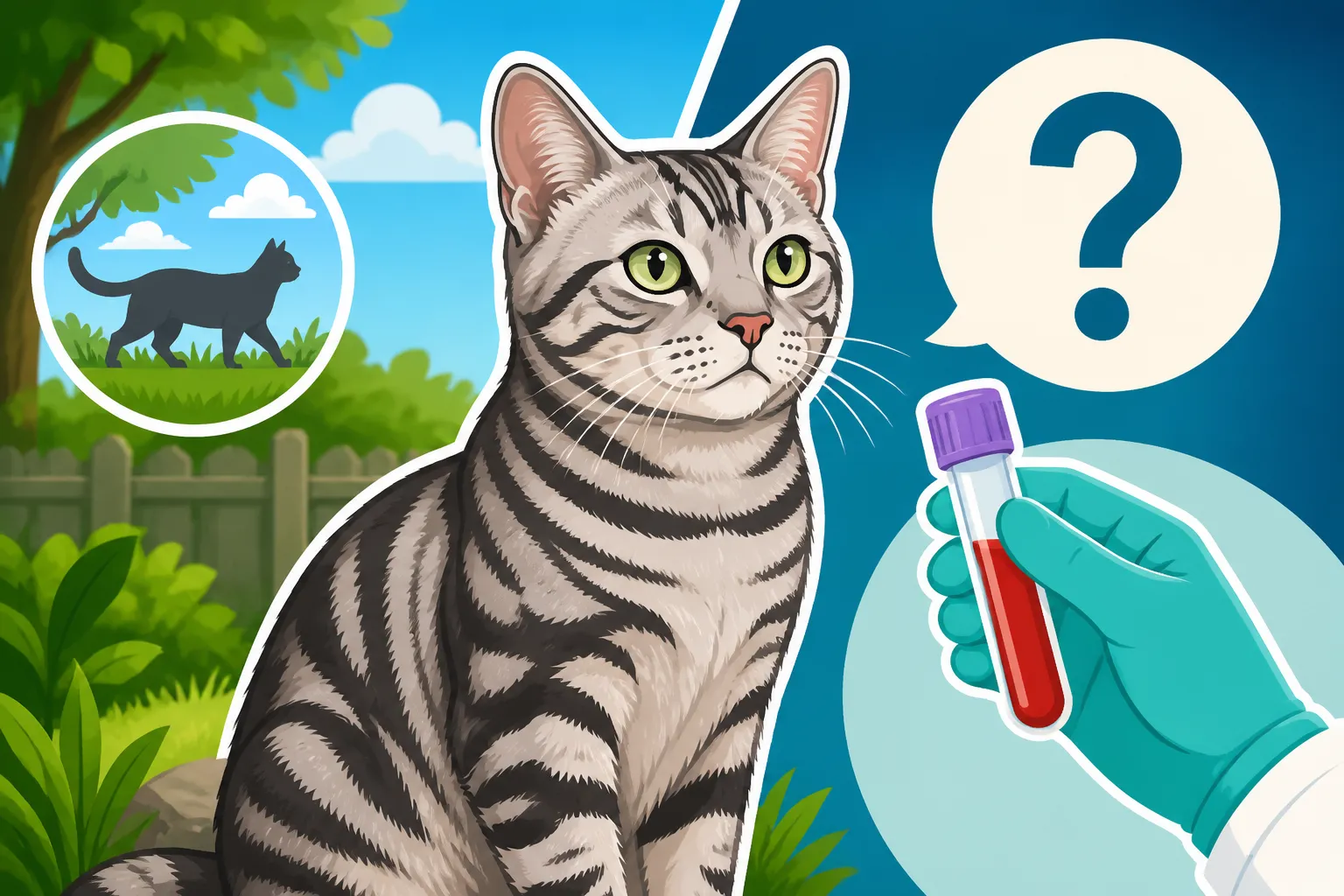
FIV testing is generally straightforward and involves a simple blood test. Most veterinary clinics use an in-house ELISA (Enzyme-Linked Immunosorbent Assay) test, which can detect FIV antibodies in a small blood sample within minutes. This test is often performed during your cat's routine annual check-up or if there's a specific concern.
Here’s a general overview of the process:
- Blood Draw: Your vet will draw a small amount of blood, usually from a leg vein.
- In-House Test: The blood sample is processed using a rapid test kit.
- Results: You'll typically get preliminary results within 10-15 minutes.
It’s important to understand that while these in-house tests are quite accurate, a positive result from an ELISA test should ideally be confirmed with a more definitive laboratory test, such as a Western blot or PCR test. This is especially true for kittens under six months old, as they might test positive due to maternal antibodies (antibodies passed from an FIV-positive mother) even if they aren't actually infected. Your vet will guide you through the appropriate next steps based on the initial results. Considering the overall health panel, it's a good idea to discuss What a Full American Shorthair Panel Actually Screens For during your routine visits.
Benefits of Knowing Your Cat's FIV Status
Knowing your American Shorthair's FIV status provides invaluable benefits, impacting both their individual health and the safety of any other cats in your household.
First and foremost, it allows for early intervention and tailored veterinary care. If your cat tests positive, your vet can recommend a proactive health management plan designed to support their immune system and monitor for any secondary infections more closely. This often means more frequent check-ups and immediate attention to any new symptoms.
Secondly, it's crucial for preventing transmission to other cats. If you have a multi-cat household, knowing your outdoor cat is FIV-positive means you can take steps to prevent spread, primarily by keeping the FIV-positive cat indoors and ensuring they don't get into fights with other resident cats. FIV is rarely transmitted through casual contact, so with careful management, FIV-positive and FIV-negative cats can often coexist happily in an indoor environment, provided there's no aggression or fighting.
Finally, it offers peace of mind. While a positive diagnosis can be concerning, it's not a death sentence. Many FIV-positive cats live long, fulfilling lives with proper care. Knowing their status empowers you to provide that best possible care, reducing anxiety and focusing on quality of life. For owners concerned about costs associated with such care, pet insurance providers like Healthy Paws can offer plans that cover diagnostic tests and ongoing treatments, helping to alleviate financial stress should your adventurous American Shorthair need more extensive care down the line.
When and How Often to Test
For an outdoor American Shorthair, a good rule of thumb is to test annually as part of their routine wellness exam. This proactive approach ensures that any new infection is detected early.
Additionally, consider testing in these specific scenarios:
- After any known or suspected cat fight: If your cat comes home with a fresh bite wound, it's a prime opportunity for transmission. Even if you don't see immediate symptoms, a test a few weeks after the incident can be prudent.
- Before introducing a new cat to the household: This is absolutely critical to prevent potential spread. All new cats should be tested before joining an existing feline family.
- If your cat becomes ill with unexplained, chronic, or recurring infections: As discussed, these can be subtle signs of FIV.
- Before they undergo any major surgery or treatment for an unrelated condition: Knowing their FIV status helps the vet prepare for any potential immune complications.
An annual test, combined with vigilance for any new wounds or unexplained illnesses, provides the best protection for your outdoor American Shorthair. It's just as important as ensuring they are up-to-date on their vaccinations or getting a regular check-up for their heart, which you can read more about in Why an American Shorthair Still Needs a Yearly Heart Scan.
Living with an FIV-Positive American Shorthair
Receiving an FIV-positive diagnosis for your American Shorthair can be upsetting, but it's important to remember that it is absolutely not a death sentence. Many FIV-positive cats live healthy, happy lives for many years with proper management and care. The key is understanding how to support their immune system and prevent the spread of the virus.
Managing an FIV-Positive Cat's Health
The primary goal in managing an FIV-positive American Shorthair is to support their immune system and prevent secondary infections. This means a proactive and diligent approach to their daily care and veterinary visits.
Here are key aspects of managing their health:
- Regular Veterinary Check-ups: More frequent vet visits (often twice a year) are recommended to monitor their overall health, catch any signs of infection early, and perform routine bloodwork. This allows your vet to track their immune system health.
- High-Quality Nutrition: A balanced, high-quality diet is paramount. Good nutrition helps bolster their immune system and maintain overall body condition. Discuss dietary needs with your vet, especially if your cat has any concurrent issues like dental problems or weight fluctuations. Even for an American Shorthair with a working frame, ensuring they get the right nutrition is key; you can learn more about What an American Shorthair Should Weigh at Its Frame.
- Preventative Care: Strict parasite control (fleas, ticks, worms) is vital, as any parasitic burden can put extra strain on their weakened immune system. Keeping up-to-date on non-adjuvanted vaccinations (if recommended by your vet) is also important.
- Stress Reduction: Stress can suppress the immune system. Provide a calm, stable environment, plenty of enrichment, and consistent routines. A comfortable home environment can significantly contribute to their well-being.
- Prompt Treatment of Illnesses: Even minor sniffles or small cuts should be addressed immediately by your vet, as an FIV-positive cat's body may struggle to fight off infections that a healthy cat could easily handle. For comprehensive care, exploring pet insurance like Healthy Paws can ensure that prompt treatments and ongoing management are financially feasible.
- Dental Hygiene: Dental disease is common in FIV-positive cats. Regular dental check-ups and professional cleanings, possibly more frequently than for FIV-negative cats, are crucial to prevent oral infections from compromising their overall health.
Preventing Transmission to Other Cats in the Household
If your outdoor American Shorthair tests positive for FIV, and you have other cats in your household, preventing transmission becomes a top priority. The good news is that with proper precautions, FIV-positive and FIV-negative cats can often live together without spreading the virus.
The most critical step is to eliminate the risk of fighting and deep bite wounds. This usually means:
- Strictly Indoor Life: The FIV-positive cat should become an indoor-only cat. This removes them from any potential altercations with neighborhood cats and, most importantly, with your other resident cats. This might be a big shift for an adventurous American Shorthair, so provide ample indoor enrichment to satisfy their natural instincts.
- Separate Feeding: While casual transmission is rare, some experts recommend separate feeding areas and bowls to minimize any theoretical risk.
- Monitor Interactions: Observe interactions between your cats closely. If any aggression or fighting occurs, you may need to implement temporary or even permanent separation until a peaceful coexistence can be established. This is also important for understanding How to Introduce an American Shorthair Without a Territory Fight if you're bringing new cats into the home.
Remember, FIV is primarily spread through aggressive bite wounds. By preventing fights, you are significantly reducing the risk of transmission to your other beloved felines.
The Lifespan and Quality of Life for FIV-Positive Cats
This is perhaps the most reassuring part of an FIV diagnosis: many FIV-positive cats can live long, comfortable, and happy lives. The prognosis largely depends on factors such as their age at diagnosis, the stage of the disease, and the quality of care they receive.
With excellent veterinary care, a high-quality diet, and a stress-free indoor environment, an FIV-positive American Shorthair can have a lifespan comparable to an FIV-negative cat. Many will live well into their senior years, even Caring for an American Shorthair Past Twelve is very possible. The key is diligent monitoring and proactive management of any health issues that arise. They might need more frequent vet visits or medication for secondary infections, but these interventions can effectively manage the disease's progression.
The quality of life for an FIV-positive cat can be excellent. They can still enjoy playtime, cuddles, and all the joys of being a cherished family member. The main difference is the increased vigilance required from their human companions to keep them healthy and comfortable. Organizations like the Cornell Feline Health Center emphasize that FIV-positive cats, especially those living peacefully with FIV-negative cats, can have excellent quality of life. Don't let an FIV diagnosis overshadow the potential for a long and loving future with your American Shorthair.
| Aspect | Recommendation for Outdoor American Shorthair (FIV) |
|---|---|
| Testing Frequency | Annually, or after any known/suspected fight |
| Primary Transmission | Deep bite wounds during cat fights |
| Key Risk Factor | Unsupervised outdoor access, interactions with other cats |
| Symptoms | Often asymptomatic for years; later, chronic infections, weight loss |
| First Test Type | ELISA blood test at vet's office |
| Confirmatory Test | Western Blot or PCR test (if initial test is positive) |
| If Positive | Keep strictly indoors, manage health proactively, monitor other cats |
| Lifespan | Can be comparable to FIV-negative cats with good care |
| Prevention for Other Cats | Prevent fighting; if multi-cat home, keep positive cat indoors |
| Insurance Coverage | Many pet insurance plans (e.g., Healthy Paws) cover diagnostics & treatment for FIV |
Disclaimer
The information provided in this article is for general educational purposes only and should not be considered a substitute for professional veterinary advice. Always consult with a qualified veterinarian regarding your American Shorthair's health and specific medical conditions.