Why an Affected Cat Leaves the American Shorthair Gene Pool
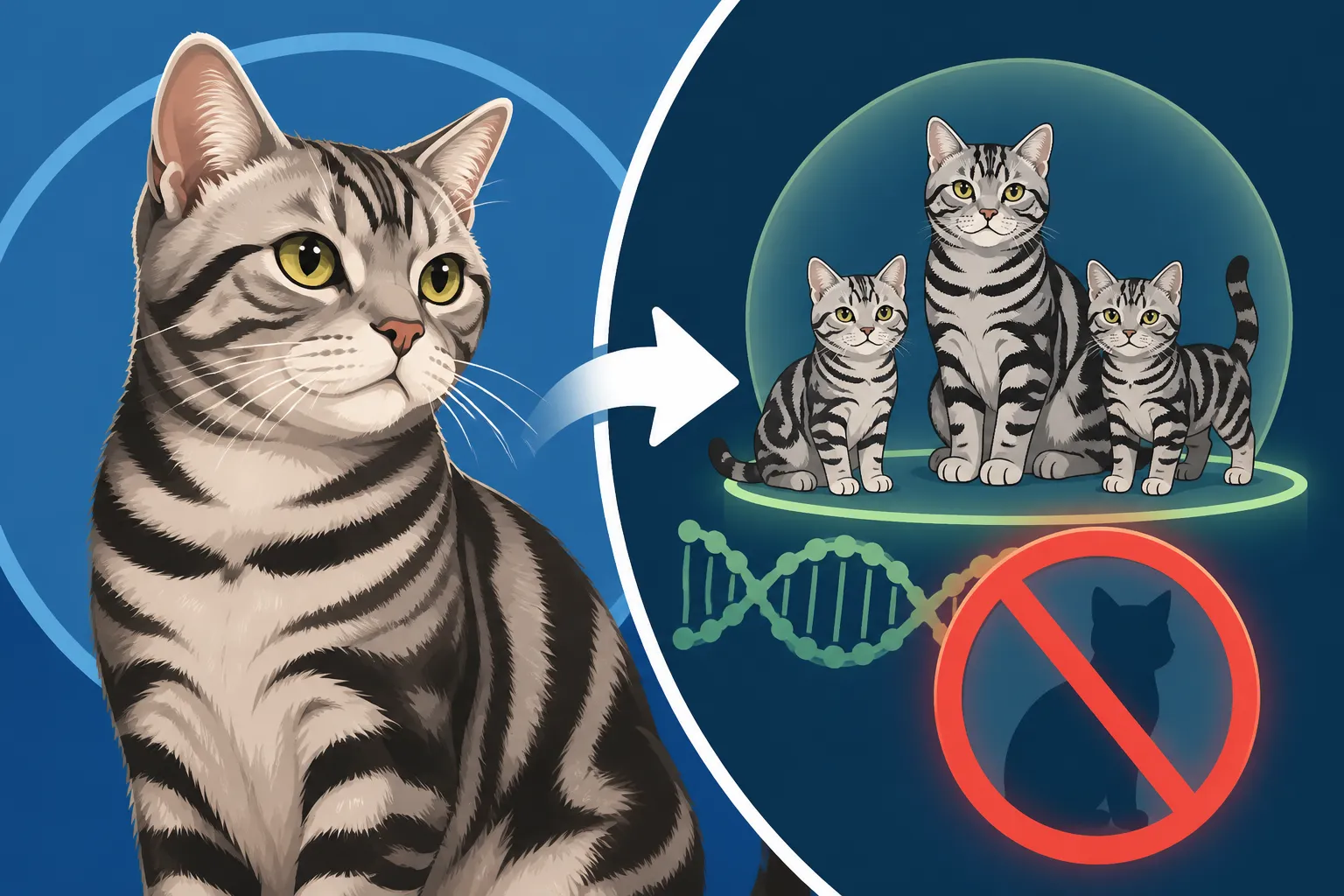
It’s a heartbreaking reality for any cat lover, but especially for dedicated American Shorthair breeders: the moment you realize a cherished cat, one you planned to be part of your breeding program, carries a genetic condition. The decision to remove an affected cat from the gene pool isn't easy, often feeling like a betrayal to an individual animal, but it's a critical, ethical step to safeguard the health and longevity of the entire breed, ensuring future generations of these wonderful cats can live full, healthy lives.
The Weight of Genetic Responsibility in Breeding
When you become an American Shorthair breeder, you're not just bringing adorable kittens into the world; you're taking on a profound responsibility for the health and genetic well-being of the entire breed. It's a commitment that extends far beyond the sale of a kitten, impacting generations to come. The goal is always to improve, or at the very least maintain, the breed's excellent health, and that means making tough choices when genetic issues arise.
Understanding Inherited Conditions in American Shorthairs
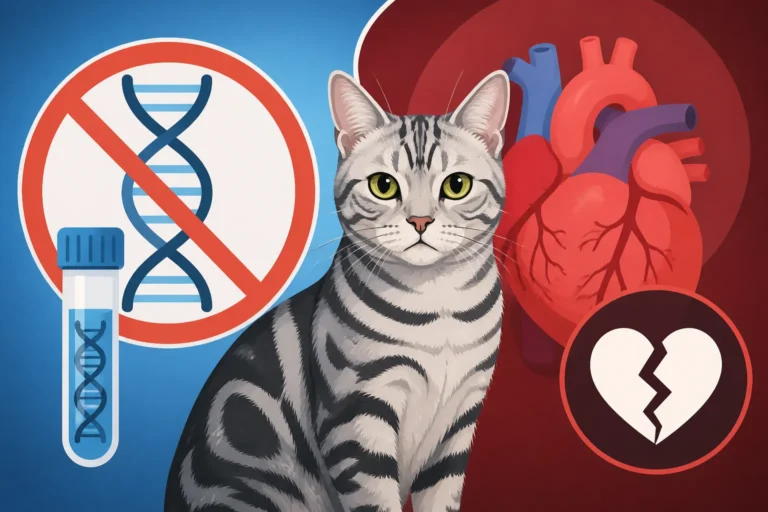
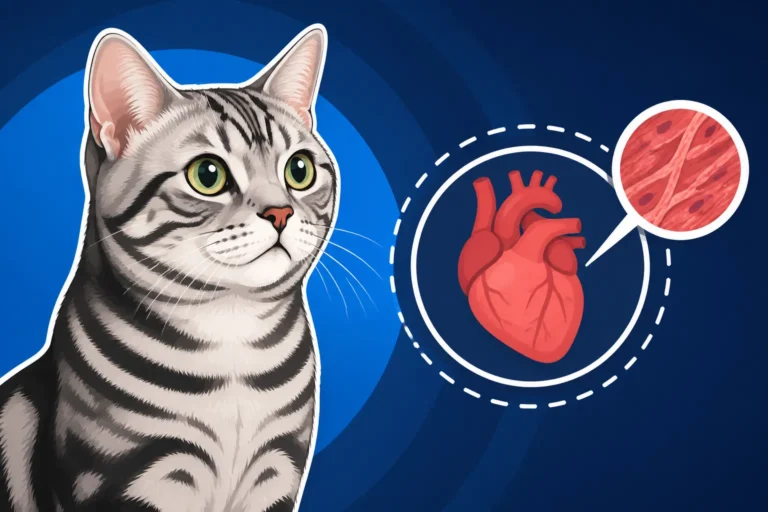
Like all pedigreed cats, American Shorthairs, despite their robust nature, can be susceptible to certain inherited conditions. While they are often celebrated for their hardiness – a direct result of their landrace origins and working-cat heritage – no breed is entirely immune. Conditions like Hypertrophic Cardiomyopathy (HCM) are a prime example. This is a heart disease where the muscular walls of a cat's heart thicken, making it harder for the heart to pump blood effectively. It's a particularly cruel disease because it can progress silently for years before manifesting in serious symptoms. Owners often don't see any outward signs until the disease is quite advanced. This stealthy nature is precisely why responsible breeders are so vigilant. You might wonder, HCM Is the One Inherited Disease the American Shorthair Kept, and the answer lies in its complex genetic basis and the sheer difficulty of eradicating it entirely from a gene pool without excessively narrowing diversity.
The Moral and Ethical Imperative for Responsible Breeding
For a conscientious breeder, bringing an affected cat into the breeding program is simply not an option. The moral imperative is clear: you want to produce kittens that are as healthy as possible, giving them the best chance at a long, vibrant life with their future families. The heartbreak of seeing a kitten develop a severe inherited illness, or hearing from a new owner that their beloved cat is suffering, is a powerful motivator. Beyond the individual suffering, there's also the breed's reputation to consider. The American Shorthair is revered for its health and amiable temperament; maintaining that standard requires unwavering dedication to health screening and careful genetic selection. Organizations like Healthy Paws, an insurance provider, often highlight the importance of preventative care and genetic screening, underscoring how these practices can save pet owners significant emotional and financial stress down the line. It truly is about prioritizing the welfare of the cats above all else, even when it means making a difficult decision about a cat you love.
How Diseases Are Identified and Confirmed
The path to identifying an inherited disease in an American Shorthair is often a multi-step process, involving various diagnostic tools and expert interpretation. It's not always a straightforward genetic test, especially for complex conditions. Breeders invest considerable time and resources into these screenings to ensure they're making informed decisions for their breeding lines.
The Role of Health Screening and DNA Panels
For many genetic conditions, specialized DNA tests are available that can identify carriers or affected individuals. These tests are incredibly valuable, offering clear answers and allowing breeders to make proactive choices. However, for some conditions, especially those with polygenic inheritance (meaning multiple genes are involved), or where the genetic markers haven't been fully identified, DNA tests aren't the complete picture. This is particularly true for HCM. While some breeds have specific gene mutations identified, Why a Gene Test Cannot Clear an American Shorthair's Heart is because, for the American Shorthair, a definitive single gene hasn't been found or is not the primary cause of the disease. Therefore, breeders must rely on other diagnostic methods. Regularly reviewing What an American Shorthair Breeder Should Have Screened is part of the ongoing commitment to responsible breeding practices.
Diagnosing Conditions like HCM in American Shorthairs
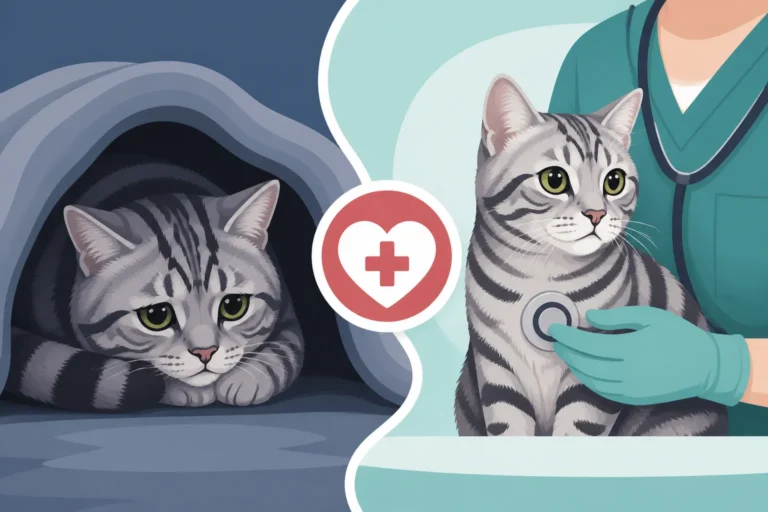
When DNA tests aren't sufficient, or for conditions like HCM, physical examinations and specialized imaging are crucial. For HCM, the gold standard diagnostic tool is a cardiac ultrasound, or echocardiogram, performed by a board-certified veterinary cardiologist. This allows the cardiologist to visualize the heart's structure, measure the thickness of its walls, and assess its function. These scans are often done annually on breeding cats, as the disease can develop and progress over time. Imagine taking your otherwise healthy-looking American Shorthair, full of vigor and personality, for its routine heart scan, and getting the devastating news of a thickening heart wall. It's a stark reminder that even outwardly healthy cats can harbor silent diseases. This vigilance explains Why an American Shorthair Still Needs a Yearly Heart Scan, even if previous scans were clear. The detailed reports from these specialists, often referred to as What an American Shorthair Breeder's Echo Paperwork Should Say, are vital for making informed breeding decisions and demonstrating commitment to health to potential kitten buyers.
| Health Condition | Primary Screening Method | Frequency for Breeding Cats | Importance for Breed Health |
|---|---|---|---|
| Hypertrophic Cardiomyopathy (HCM) | Echocardiogram by Cardiologist | Annually (or as recommended) | Prevents heart failure, sudden death, and arterial thromboembolism |
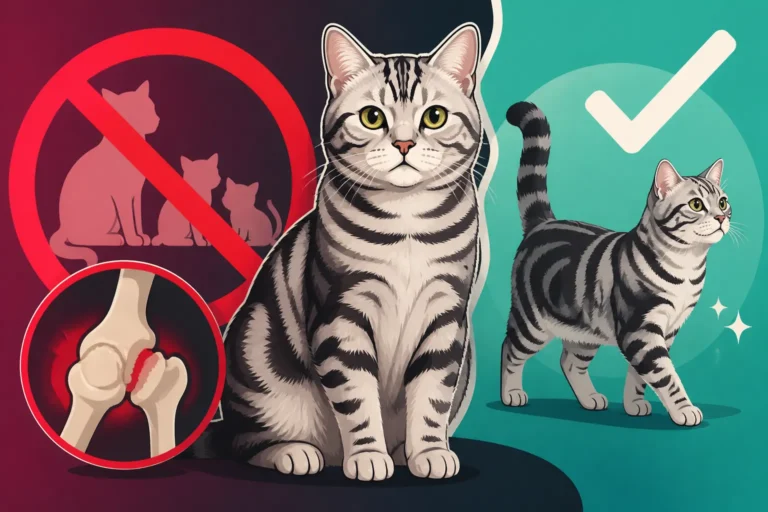
| Hip Dysplasia | Hip X-rays (OFA or PennHIP evaluation) | Once, typically after 2 years old | Prevents chronic pain, arthritis, and mobility issues |
| Patellar Luxation | Veterinary Orthopedic Exam | Annually | Prevents lameness and surgical intervention |
| Polycystic Kidney Disease (PKD) | DNA test (if mutation identified in breed) or Ultrasound | Once for DNA, periodic ultrasound | Prevents kidney failure |
| Progressive Retinal Atrophy (PRA) | DNA test (if mutation identified in breed) or Ophthalmic Exam | Once for DNA, periodic exam | Prevents blindness |
The Process of Removing an Affected Cat from the Gene Pool
Once a cat is diagnosed with a serious inherited condition, the responsible decision is to remove it from the breeding program. This is not a punitive action against the individual cat, but a protective measure for the entire breed and, ultimately, for the welfare of future kittens. This process is handled with care and consideration for the cat's health and future quality of life.
Spaying/Neutering as a Crucial Step
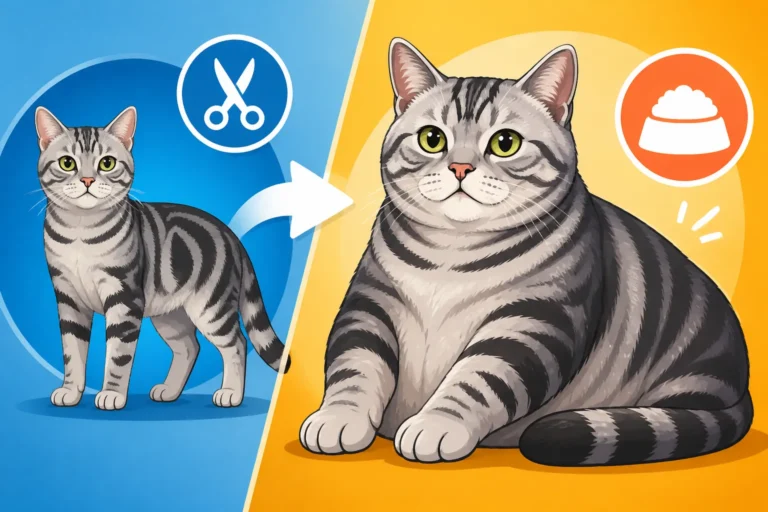
The most immediate and critical step to remove an affected cat from the gene pool is spaying or neutering. This ensures that the cat cannot reproduce and pass on the undesirable genes to any offspring. It's a permanent solution that stops the cycle of inherited disease right there. For a breeder, this often means sacrificing years of planned breeding lines and potential income, but it's a non-negotiable ethical choice. It's about prioritizing long-term breed health over short-term gains. Many responsible breeders also include clauses in their contracts with pet owners stipulating that kittens not intended for breeding must be spayed or neutered by a certain age, further safeguarding the gene pool from accidental or irresponsible breeding. This proactive approach helps prevent the spread of genetic issues to the wider American Shorthair population.
Communicating Health Information and Pedigree Management
Responsible breeding doesn't stop at spaying or neutering the affected cat. It also involves transparent communication and meticulous record-keeping. Breeders should inform other breeders who might have cats from the same lineage, particularly the parents or siblings of the affected cat, about the diagnosis. This allows others to make informed decisions about their own breeding programs and to potentially screen related cats more thoroughly. Detailed pedigree records, often maintained by organizations like the CFA, are crucial here. These records help track lines and identify potential genetic links, offering insights into Which American Shorthair Lines Are Documented for HCM and other conditions. It's a commitment to shared knowledge within the breeding community, all working towards the common goal of a healthier American Shorthair. Owners insured with providers like Healthy Paws might find that such detailed health records are also beneficial for their insurance claims and understanding their cat's long-term health prospects.
The Long-Term Impact on the American Shorthair Breed
The diligent efforts of individual breeders in removing affected cats from the gene pool have a ripple effect, contributing significantly to the overall health and vitality of the American Shorthair breed for generations to come. It’s a testament to the dedication within the community.
Protecting the Breed's Future Health and Reputation
By consistently screening breeding cats and removing those affected by inherited conditions, breeders actively reduce the prevalence of these diseases in the breed. This practice means fewer kittens are born with predispositions to painful or life-limiting illnesses, which translates to healthier, happier American Shorthairs living longer, more comfortable lives as beloved family members. This commitment to health also protects the breed's reputation. The American Shorthair is known for its robust health and easy-going nature, making it a wonderful companion cat. Maintaining this standard reinforces public trust in the breed and in responsible breeders. When you see a healthy, thriving American Shorthair, it’s a direct result of decades of careful selection and tough decisions made by dedicated breeders who prioritize health above all else. This contributes to The Fifteen to Twenty Years the American Shorthair Was Given on average, showcasing the success of these health-conscious breeding practices.
What an American Shorthair Breeder Should Have Screened
The reality is that thorough screening is a continuous process, and what "should have been screened" evolves as veterinary science advances and more is understood about genetic diseases. Beyond the essential cardiac screenings for HCM, breeders also consider genetic testing for any newly identified conditions relevant to the breed, ensuring their lines remain as clear as possible. The concept of the American Shorthair as The American Shorthair Is the Control Group of Cat Breeding underscores its historical role as a benchmark for natural health. This means breeders have a responsibility to keep it that way, preventing the introduction or proliferation of genetic weaknesses. Furthermore, when considering an adult American Shorthair, especially one with an unknown history, it's wise to consider Why an Untested Adult American Shorthair Should Still Be Scanned, as many conditions are silent until later in life. Responsible breeders work tirelessly to ensure that the cats they produce embody the very best of the breed, a testament to careful selection and profound care.
Disclaimer
This article is intended for informational purposes only and does not constitute veterinary advice. Always consult with a qualified veterinarian or a board-certified veterinary specialist for any health concerns or before making any decisions about your cat's care or breeding program.