What an American Shorthair’s Inbreeding Coefficient Looks Like
It’s perfectly normal to feel a bit overwhelmed when you start delving into the genetics behind a purebred cat like the American Shorthair. Many prospective owners, and even experienced ones, can get lost in terms of pedigree charts and what all those numbers mean for their future feline companion. You want to make sure you’re bringing home a healthy, robust cat, and understanding terms like "inbreeding coefficient" can feel like decoding a secret language. This guide is here to unravel the mystery of the American Shorthair's inbreeding coefficient, explaining what it is, what the typical numbers look like, and how it impacts your beloved cat's health and longevity.
What Is an Inbreeding Coefficient and Why Does It Matter for American Shorthairs?
The concept of an inbreeding coefficient can sound a bit academic, but it's fundamentally about the genetic diversity of your cat. It's a crucial piece of information that helps breeders and owners alike understand the potential health landscape of a particular feline. For a breed like the American Shorthair, known for its generally robust health, understanding this factor is still incredibly important.
Defining the Inbreeding Coefficient (COI)
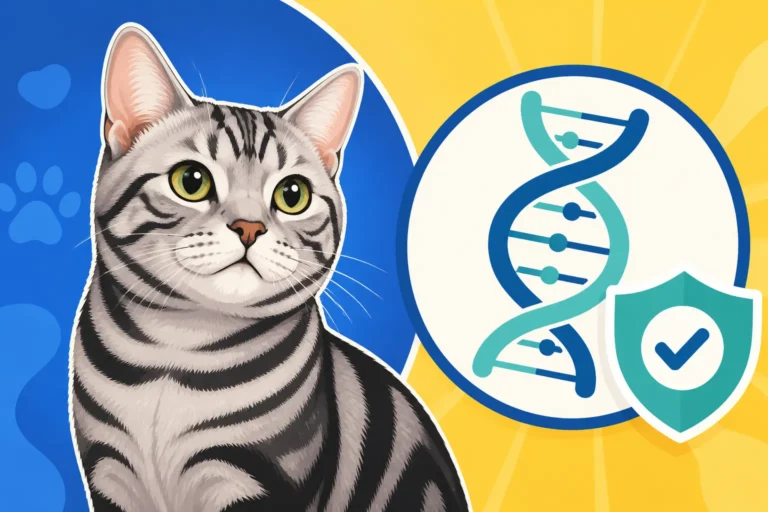
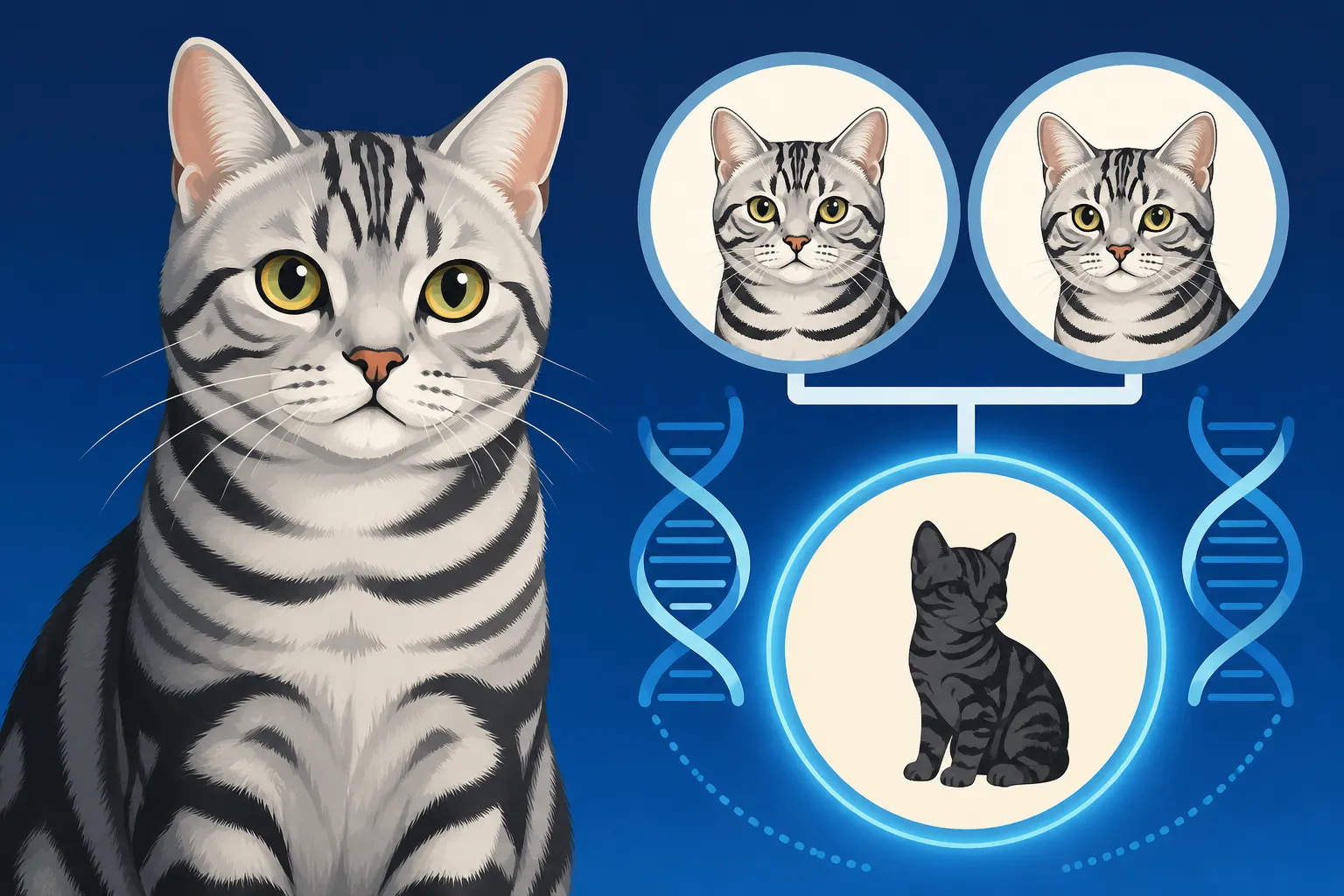
Simply put, an inbreeding coefficient (often abbreviated as COI) is a numerical representation of the probability that a kitten will inherit two identical copies of a gene from a common ancestor. This sounds complex, but think of it this way: every cat has two copies of each gene, one from its mother and one from its father. If the mother and father are related, there's a chance they both inherited the same gene copy from their shared ancestor, and then passed those identical copies down to their offspring.
The COI is calculated based on a cat's pedigree, tracing back its family tree for several generations to identify any shared ancestors. The deeper the pedigree you can trace, the more accurate the COI calculation will be. A higher COI means a higher chance of inheriting identical gene copies. This isn't inherently "bad," but it's a significant indicator of genetic diversity within a particular individual and, by extension, within a breeding line. Less genetic diversity can, over time, lead to an increased risk of certain health issues.
The Historical Context for American Shorthairs
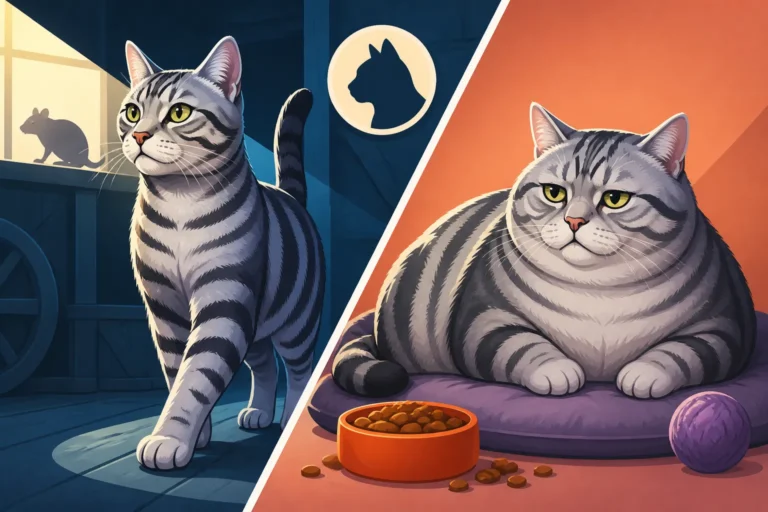
The American Shorthair has a truly fascinating history that sets it apart from many other purebred cats. Unlike many breeds specifically developed for extreme aesthetics or niche traits, the American Shorthair’s ancestors were working cats, brought over on ships to the New World to control rodent populations. These were robust, hardy felines selected purely for their ability to survive and thrive in challenging environments. This "natural selection" meant that a very wide variety of genes were in play right from the start.
For centuries, these cats bred naturally, maintaining a vast and open gene pool. When formal breeding began in the early 20th century, the founders of the American Shorthair breed made a conscious effort to preserve this genetic diversity. They registered many "random bred" cats who fit the desired type, which was a crucial step in ensuring that Whether Registering Random Bred Cats Kept the American Shorthair Sound. This practice meant that the breed benefited from a continuous influx of new genetic material, keeping the overall inbreeding coefficient relatively low compared to breeds with very small founding populations or those that underwent intense, rapid selection for specific, sometimes exaggerated, traits. This foundational approach is a big reason why American Shorthairs are generally known for their excellent health, a stark contrast to some breeds that have struggled with genetic bottlenecks. If you're curious about the overall genetic health, it’s worth reading about How Wide the American Shorthair's Gene Pool Really Is.
Understanding the Numbers: Typical Inbreeding Coefficients for American Shorthairs
So, you understand what an inbreeding coefficient is. Now, let’s talk about what those numbers actually mean when you’re looking at an American Shorthair pedigree. It’s not just about a single number, but understanding the context and what breeders strive for.
What's a 'Good' or 'Acceptable' COI?
For most cat breeds, a general consensus suggests that an ideal inbreeding coefficient for an individual cat should be below 10%, with many breeders aiming for something even lower, often under 6%. For an American Shorthair, given their historically broad gene pool, you’ll often see COIs that are commendably low. Many reputable American Shorthair breeders aim to keep their lines with COIs in the single digits, often between 0% and 5%.
A COI of 0% indicates that no common ancestors can be found within the generations traced in the pedigree. While theoretically ideal for maximizing genetic diversity, it’s also very rare in a purebred population that has been closed to outside genetics for decades. A COI around 5% or less is generally considered excellent, indicating a healthy level of genetic diversity. As the COI climbs above 10%, and especially past 15%, the potential risks associated with reduced genetic diversity begin to increase more significantly.
Here's a quick reference table to help visualize what different COI percentages generally imply:
| Inbreeding Coefficient (COI) | General Interpretation | Implications for American Shorthairs |
|---|---|---|
| 0 – 5% | Excellent Diversity | Highly desirable, good breeding practices. |
| 6 – 9% | Good Diversity | Acceptable, still generally healthy. |
| 10 – 14% | Moderate Diversity | Manageable, but warrants careful consideration. |
| 15% + | Reduced Diversity | Higher risk of health issues, less desirable for breeding. |
It's important to remember that these are guidelines. An individual cat with a slightly higher COI might still be perfectly healthy, just as a cat with a low COI could have other health challenges. It’s one piece of a larger puzzle.
Factors Influencing an American Shorthair's COI
Even for a breed known for its robust health and broader gene pool, several factors can influence an individual American Shorthair's inbreeding coefficient. Breeders meticulously track these to make informed decisions.
One significant factor is the concept of "popular sire syndrome." This occurs when a particular male cat (or sometimes a female) is used extensively for breeding due to their winning show traits or desirable temperament. While these cats may be exceptional individuals, their overuse can quickly narrow the genetic diversity of a breed over just a few generations, causing COIs to rise across the board. Responsible American Shorthair breeders are acutely aware of this and strive to use a variety of breeding lines to prevent genetic bottlenecks.
Another factor is the history of the breed's registry. The American Shorthair's gene pool has been relatively open, allowing for the inclusion of certain domestic shorthairs into the registry in the past, which helped infuse new genetic lines. However, as the breed matured and standards became more established, the opportunities for such "outcrossing" became more limited, meaning that breeders must be vigilant within the existing registered population to manage COIs. This is why it's a good idea to understand Whether the American Shorthair Gene Pool Is Still Open.
Finally, the sheer number of active breeding cats and breeders also plays a role. If a breed has a small number of breeders or a limited geographical spread, it naturally leads to a smaller effective breeding population, making it harder to find unrelated mates and keep COIs low. Thankfully, the American Shorthair is a popular and widespread breed, which generally aids in maintaining a healthier genetic outlook across different regions.
The Impact of Inbreeding on American Shorthair Health and Lifespan
While the American Shorthair is celebrated for its vitality, understanding the general impacts of inbreeding is crucial. Even a genetically strong breed can face challenges if genetic diversity isn't carefully managed.
The Risks of High Inbreeding Coefficients
When the inbreeding coefficient is high, it means an individual cat is more likely to inherit two copies of the same gene. While this can sometimes "fix" desirable traits, it also significantly increases the risk of inheriting two copies of undesirable or recessive genes that can lead to health problems. Many genetic disorders are recessive, meaning a cat needs two copies of the problematic gene (one from each parent) to express the disease. If parents are closely related, the chance of both carrying and passing on the same recessive gene skyrockets.
For cats in general, high COIs have been linked to:
- Reduced Immune System Function: Cats with high COIs may have less robust immune systems, making them more susceptible to common infections and potentially less responsive to vaccinations.
- Decreased Fertility and Reproductive Issues: Lower litter sizes, higher rates of stillbirths, and general difficulty conceiving can all be indicators of too much inbreeding within a line.
- Reduced Vigor and Lifespan: While not always immediately apparent, over time, a lack of genetic diversity can subtly impact a cat's overall hardiness and potentially shorten their active years. Sometimes, high inbreeding can manifest as "fading kitten syndrome," where seemingly healthy kittens fail to thrive and pass away shortly after birth.
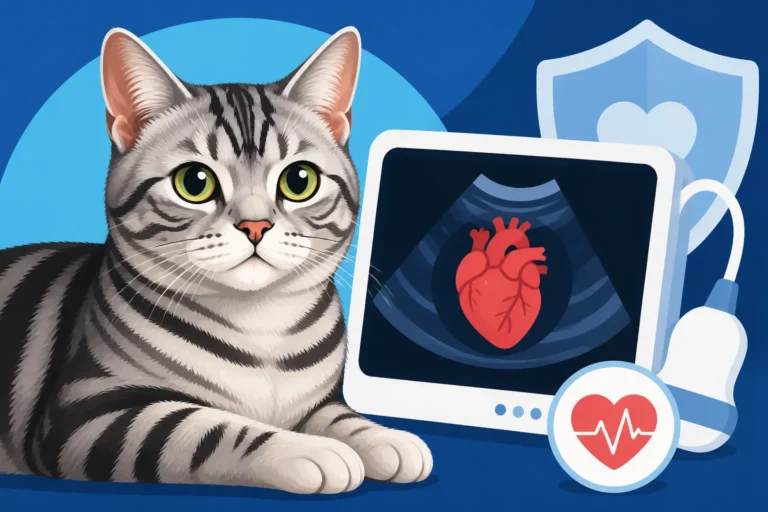
- Increased Risk of Specific Genetic Diseases: Even though American Shorthairs are generally healthy, all breeds have some predispositions. For example, Hypertrophic Cardiomyopathy (HCM) is the most common heart disease in cats, and while not rampant in American Shorthairs, it is still a consideration. We know that HCM Is the One Inherited Disease the American Shorthair Kept, and while the breed’s overall risk is low, high COI could theoretically increase the likelihood of expression if problematic genes are present in a line. This is why thorough health screening is paramount.
American Shorthair's Natural Resilience
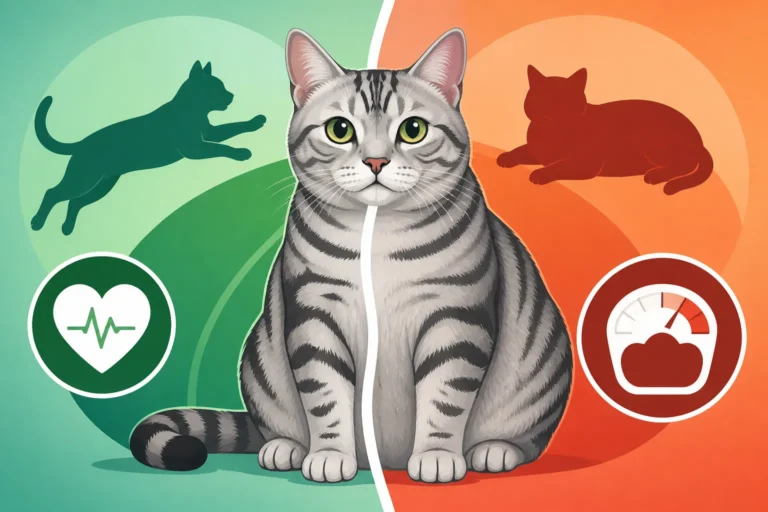
It’s important to balance these potential risks with the inherent strengths of the American Shorthair. This breed is truly a testament to natural selection and sensible breeding practices. Their working origins meant that only the most robust and healthy cats survived and reproduced, weeding out many genetic weaknesses over centuries. This has gifted them with a physical structure and genetic makeup that is remarkably sound.
Unlike some breeds that have been bred for exaggerated features – think flat faces, extreme body types, or very long backs – the American Shorthair maintains a moderate, functional build. This lack of extreme traits significantly contributes to Why Function Left the American Shorthair Fewer Faults. Their strong, well-muscled bodies, broad chests, and well-proportioned heads are all assets to their overall health. This means they are less prone to the orthopedic, respiratory, or dental issues that can plague breeds with more extreme conformations. Their hardy nature is often why many people consider them to be a low-maintenance companion.
Despite this natural resilience, responsible American Shorthair breeders still go above and beyond. They adhere to strict breeding protocols, which include screening for conditions like HCM. Knowing What an American Shorthair Breeder Should Have Screened provides peace of mind that a healthy kitten is coming from carefully selected parents. When considering a cat from a reputable breeder, you can often feel secure in their overall health, and a good pet insurance provider like Healthy Paws recognizes these efforts by often having favorable rates for healthy breeds like the American Shorthair. Their inherent good health means you are less likely to face unexpected vet bills.
Choosing a Healthy American Shorthair: Using the Inbreeding Coefficient as a Tool
So, how do you take all this information and apply it when you're looking for your own American Shorthair? The inbreeding coefficient is a valuable piece of the puzzle, but it’s part of a bigger picture of responsible pet ownership.
Questions to Ask Breeders About COI
When you're speaking with a reputable American Shorthair breeder, don't be afraid to ask detailed questions about their breeding practices and the health of their cats. A good breeder will welcome your inquiries and be transparent with information. One of the key questions you should ask is about the inbreeding coefficient of the litter you are interested in, and the COI of the parents.
Here's what to look for and discuss:
- Pedigree Information: Ask to see the pedigree of the parents and the prospective kitten. A breeder should be able to provide at least a 4-5 generation pedigree.
- COI Calculation: Inquire if the breeder calculates the COI for their breeding pairs and individual kittens. Many breeders use specialized software to do this. A transparent breeder will share these numbers and explain what they mean for that particular mating. They should also be able to explain their philosophy on managing COI within their lines.
- Breeder's Goals: A good breeder isn't just focused on aesthetics; they prioritize health and temperament. Ask how they balance genetic diversity with other breeding goals. They should be able to demonstrate an understanding of Which Health Results an American Shorthair Breeder Must Show, including screening for conditions relevant to the breed, even if rare.
A breeder who is knowledgeable and open about the genetic health of their lines, including discussing COI, is a strong indicator of their commitment to the well-being of the breed. If they seem hesitant or unwilling to provide this information, it might be a red flag.
Balancing COI with Other Factors
While a low inbreeding coefficient is definitely something to strive for, it’s crucial to understand that it’s not the only factor in determining a cat’s health. Think of it as one vital component in a comprehensive approach to choosing a healthy American Shorthair.
Here are other equally important considerations that should be weighed alongside the COI:
- Comprehensive Health Screening: This cannot be stressed enough. Even with a low COI, parents should still undergo breed-specific health screenings. For American Shorthairs, this primarily includes echocardiograms for HCM. Asking What an American Shorthair Breeder Should Have Screened will reveal a lot about their dedication to the breed's health. While HCM is rare, it’s still prudent. Also consider if hip health is relevant, especially given their stocky build, as problems with mobility can impact How an American Shorthair's Lifespan Compares to a Maine Coon's or other robust breeds.
- Temperament: A well-bred American Shorthair should have a calm, adaptable, and friendly temperament. Observe the parents and how they interact.
- Living Environment: A kitten raised in a clean, stimulating, and loving environment will have a better start in life, regardless of its COI.
- Overall Health of the Parents: Are the mother and father healthy, active, and well-cared for? Their condition is a direct reflection of the breeder's standards.
- Veterinary Check-ups: Ensure the kitten has had a thorough veterinary check-up, its first vaccinations, and deworming before coming home.
Ultimately, the goal is to find a kitten from a breeder who combines excellent genetic management (including COI awareness) with meticulous health testing, responsible care, and a focus on producing well-socialized, happy cats. Even with the best breeding practices, unforeseen health issues can sometimes arise, which is why considering pet insurance from a reliable provider like Healthy Paws is a smart choice for any new pet parent, offering peace of mind. They can help cover unexpected vet costs, allowing you to focus on your cat's recovery.
Disclaimer
This article is intended for informational purposes only and does not constitute veterinary advice. Always consult with a qualified veterinarian for any health concerns or before making any decisions about your pet's care.