Why an American Shorthair Tom Blocks
There's hardly anything more terrifying for a cat owner than seeing their beloved feline companion straining in the litter box, producing nothing, or worse, finding them hunched over, clearly in pain. If you've got an American Shorthair tom, this scenario can be particularly harrowing because male cats, especially breeds with a sturdy build, are unfortunately prone to a serious and potentially fatal condition: urinary blockages. This guide aims to shed light on why your American Shorthair boy might be facing this painful ordeal, what warning signs to look for, and the critical steps you need to take to ensure his health and longevity.
The Anatomy and Physiology Predisposing Male Cats to Blockages
Understanding why male cats, specifically, are more susceptible to urinary blockages begins with a quick look at their plumbing. It's a design flaw, in a way, that evolution hasn't quite ironed out for our domesticated felines, and it can lead to genuinely life-threatening situations if not addressed immediately.
The Narrow Urethra in Male Cats
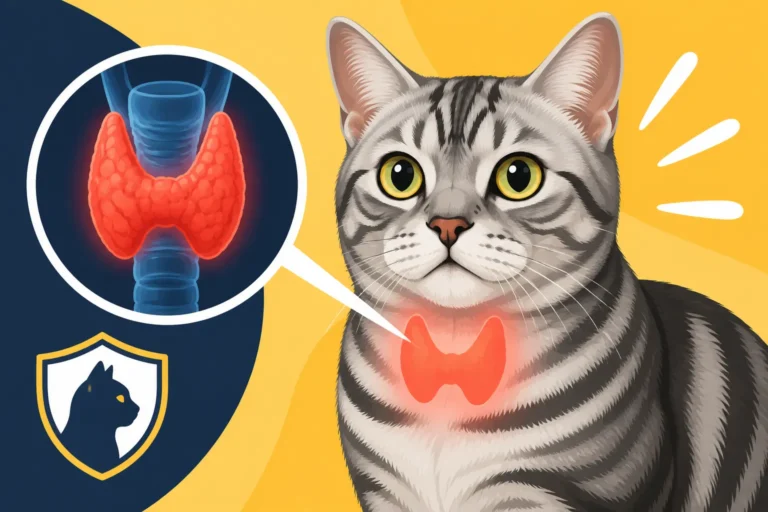
The key anatomical difference that puts male cats at a disadvantage compared to their female counterparts is the urethra. The urethra is the tube that carries urine from the bladder out of the body. In male cats, this tube is significantly longer and, crucially, much narrower than in females. Imagine trying to push a small pebble through a thin straw versus a wider pipe – the straw is far more likely to get jammed.
This anatomical bottleneck is precisely why conditions that might cause only mild discomfort or minor issues for a female cat can become a full-blown emergency for a male. Even a small collection of crystalline deposits, inflammatory cells, or mucus can form a plug that completely obstructs the flow of urine. When this happens, urine backs up into the bladder, causing immense pain and rapidly leading to kidney failure and electrolyte imbalances, which can be fatal within 24-48 hours. This is the primary reason why a situation like "Why a Male American Shorthair's Urethra Blocks First" is such a pressing concern for owners of male felines.
American Shorthair Specifics: Build and Lifestyle Factors
While the narrow urethra is a universal male cat issue, certain breed characteristics and common lifestyle factors can amplify the risk for an American Shorthair tom. These cats are known for their robust, muscular build and historically were working cats, constantly active and often outdoor. Today, many American Shorthairs live indoors, enjoying a more sedentary life than their ancestors. This shift, while safer in many respects, can contribute to problems.
A less active lifestyle often means lower overall water intake, especially if they are primarily fed dry kibble. Cats naturally have a low thirst drive, evolved to get most of their hydration from prey. An indoor cat consuming dry food may not drink enough water to keep their urine diluted, making it more concentrated and hospitable for crystal formation. Furthermore, their sturdy build, while charming, means they might have a higher metabolic rate that, if not matched with appropriate hydration, can lead to more concentrated urine. Owners need to be mindful of these subtle shifts in their care routine compared to how these cats might have lived in the past.
Common Culprits Behind Urinary Blockages
A urinary blockage isn't usually a standalone event; it's often the culmination of several underlying issues that irritate the bladder or produce physical obstructions. Understanding these factors is crucial for both emergency response and long-term prevention.
Urinary Crystals and Stones (Urolithiasis)
One of the most frequent causes of blockages in male cats is the formation of urinary crystals or, in more severe cases, stones (uroliths). These mineral deposits develop in the urine and can irritate the bladder lining, but more critically, they can clump together to form plugs. The two most common types seen in cats are Struvite and Calcium Oxalate.
Struvite crystals are typically formed in alkaline urine and are often associated with certain diets that are high in magnesium and phosphorus. They can be quite painful as they irritate the bladder, and if left unchecked, they can grow into larger stones. Calcium Oxalate crystals, on the other hand, tend to form in acidic urine and are notoriously harder to dissolve with diet alone, often requiring surgical removal if they form stones. Dietary management plays a huge role here, as specialized prescription foods are formulated to adjust urine pH and reduce the concentration of the minerals that form these crystals, thereby helping to dissolve struvite and prevent the formation of both types. To delve deeper into what these deposits are, you might find "Which Bladder Stones an American Shorthair Forms" to be an insightful read.
Urethral Plugs
Sometimes, a blockage isn't caused by a full-blown stone, but by a "urethral plug." Imagine a sticky, gelatinous mass that forms in the narrowest part of the urethra. These plugs are typically a mixture of protein, mucus, inflammatory cells, and sometimes, a few tiny crystals. They act like a cork, completely blocking the flow of urine.
Urethral plugs are often a consequence of inflammation in the bladder and urethra. When the lining of the urinary tract becomes irritated, it sheds cells and produces excess mucus. This debris, combined with any microscopic crystals that might be present, can coagulate into a plug. The frustrating part is that even in the absence of significant crystals or stones, severe inflammation alone can produce enough cellular and mucous debris to cause a complete and dangerous obstruction. This highlights that managing inflammation, not just crystals, is key to prevention.
Feline Idiopathic Cystitis (FIC) and Stress
Perhaps one of the most perplexing and common underlying causes of urinary issues, including blockages, is Feline Idiopathic Cystitis (FIC). "Idiopathic" means there's no identifiable cause – no bacteria, no stones, no cancer. It's a diagnosis of exclusion, meaning your vet will rule out all other possibilities before landing on FIC. What we do know is that FIC is strongly linked to stress and environmental factors.
Cats, especially American Shorthairs who value routine and clear territory, can be highly sensitive to changes in their environment. A new pet, a houseguest, moving furniture, changes in your work schedule, conflict with other pets, or even loud noises can trigger a stress response. This stress can manifest physically as bladder inflammation, leading to pain, frequent urination, and the production of the inflammatory mucus that forms urethral plugs. This connection between mental stress and physical urinary problems is profound. If you're wondering "Whether Stress Cystitis Affects a Placid American Shorthair," the answer is a resounding yes; even the most laid-back cats can be affected by internal or external stressors. Addressing environmental enrichment and stress reduction is therefore a cornerstone of managing and preventing FIC and its dangerous complications.
Recognizing the Alarming Signs of a Blocked American Shorthair
Catching a urinary blockage early can literally be the difference between life and death for your American Shorthair. While the full-blown emergency symptoms are unmistakable, recognizing the subtle early warning signs can allow for intervention before the situation becomes critical.
Subtle Early Warning Signals
Cats are masters at hiding pain and illness, a survival instinct from their wild ancestors. This means you need to be a keen observer of your American Shorthair's habits, especially around the litter box. The earliest signs of an impending blockage are often behavioral and can be easily missed if you're not paying close attention.
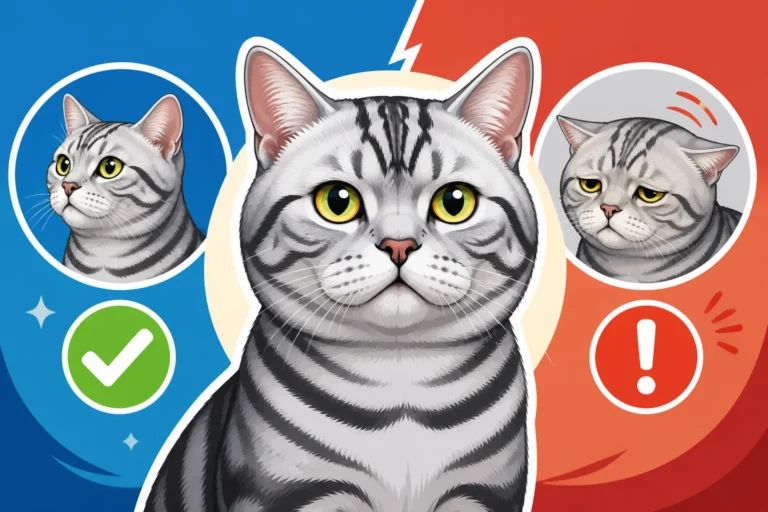
Look out for changes in his litter box routine. Is he going in more frequently than usual, but producing very little urine each time? Is he straining hard, hunching his back, or crying out while attempting to urinate? He might seem restless or unusually withdrawn, hiding in unusual spots. You might also notice him licking his genital area excessively, trying to alleviate discomfort. Sometimes, owners report finding small puddles of urine outside the litter box, often in cool, smooth places like a bathtub, sink, or tile floor. This isn't necessarily a behavioral issue; it's often a desperate attempt to find a place to relieve the immense pressure and pain when the litter box feels associated with discomfort or failure. Any deviation from his normal urination pattern warrants immediate attention.
Urgent Emergency Symptoms
When a complete blockage occurs, the subtle signs rapidly escalate into an undeniable emergency. If you observe any of these symptoms, drop everything and get your American Shorthair to an emergency veterinary clinic immediately. Time is absolutely critical, as a complete blockage can lead to fatal complications within 24-48 hours.
The most alarming sign is a complete inability to urinate, despite continuous straining. Your cat will likely be very vocal, crying out in pain, and may adopt a hunched-up posture. If you gently feel his abdomen, you might notice it's distended and firm, indicating a painfully full bladder. As toxins build up in his system, he may become lethargic, weak, vomit, or lose his appetite. His breathing might become labored, and his gums could appear pale or bluish. This constellation of symptoms means his kidneys are failing, and his electrolytes are severely out of balance. This is a life-threatening situation, and there is no time to wait. A straining American Shorthair that is unable to pass urine "What a Straining American Shorthair Needs Within Hours" – immediate veterinary care.
The Immediate Veterinary Response and Treatment
When your American Shorthair tom is experiencing a urinary blockage, every minute counts. The veterinary team will prioritize stabilizing him and relieving the obstruction to prevent further damage to his kidneys and other organs.
Emergency Stabilization and Unblocking
Upon arrival at the vet, the first steps involve rapidly assessing your cat's condition. The vet will feel his bladder, check his heart rate, breathing, and hydration status. If he is blocked, pain relief will be administered immediately to make him more comfortable and to relax the urethra. Intravenous (IV) fluids will be started to combat dehydration, flush toxins, and support kidney function.
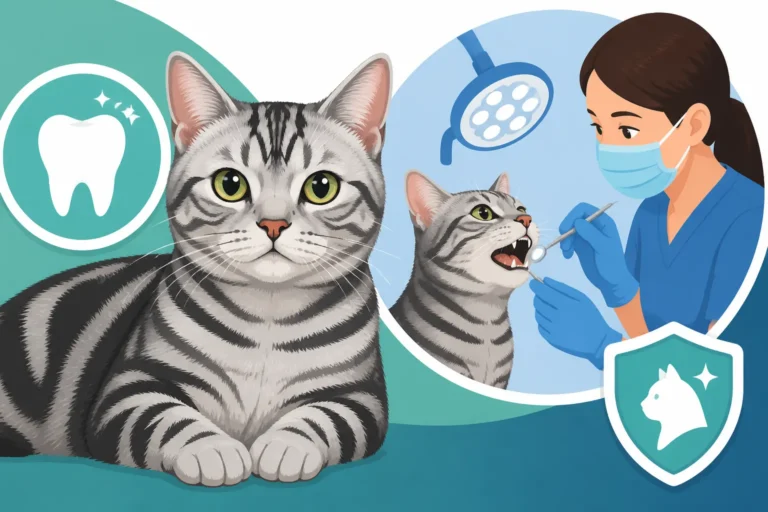
Once stabilized, the vet will gently sedate your cat to allow for the unblocking procedure. This typically involves passing a urinary catheter into the urethra, through the blockage, and into the bladder. The catheter helps to flush out the plug or crystals, relieve the pressure on the bladder, and allow urine to flow. Once the obstruction is cleared, the catheter is often sutured in place for a few days to ensure the urethra remains open and to allow the bladder to rest and flush out any remaining debris. Throughout this process, your cat's urine output and kidney values will be closely monitored. While American Shorthairs are generally considered "Why an American Shorthair Is a Low Anesthetic Risk," any anesthesia carries some degree of risk, which your vet will discuss with you.
Post-Unblocking Care and Prevention Strategies
After the immediate crisis of unblocking, your American Shorthair will typically require hospitalization for a few days. During this time, he'll continue to receive IV fluids to help flush his system, and he'll be given medications such as anti-inflammatories to reduce bladder swelling, antibiotics if a secondary infection is suspected, and sometimes muscle relaxers to help keep the urethra relaxed. The urinary catheter will usually remain in place for 24-72 hours to prevent re-blockage and allow the bladder to heal.
Once the catheter is removed and your cat is able to urinate on his own, the focus shifts to preventing recurrence. This is where long-term management strategies come into play, primarily centered around diet and stress reduction. Your vet will likely recommend a prescription urinary diet, and it's vital to stick to this strictly. They will also discuss ways to reduce stress in your home environment, which we'll cover in more detail next. Understanding "What an Emergency Unblocking Costs an American Shorthair Owner" can also help you prepare for the financial aspect of this critical care.
Long-Term Management and Prevention for Your American Shorthair
Preventing future urinary blockages is a proactive, ongoing process that requires commitment from you. It’s not just about treating the immediate problem but fundamentally changing aspects of your cat’s diet and environment to support optimal urinary health.
Dietary Modifications for Urinary Health
Diet is arguably the most powerful tool in preventing recurrent urinary blockages, especially those related to crystals. Your veterinarian will almost certainly recommend a prescription urinary diet. These specialized foods, from brands like Royal Canin Urinary SO, Hill's Prescription Diet c/d, or Purina Pro Plan Veterinary Diets, are formulated with specific goals in mind. They carefully control mineral levels (like magnesium, phosphorus, and calcium) to prevent crystal formation, and they are designed to either acidify or alkalinize the urine to dissolve existing struvite crystals or prevent calcium oxalate formation.
Crucially, these prescription diets are often available in wet food formulations. For a cat prone to blockages, prioritizing wet food is paramount. Wet food significantly increases your cat's water intake, which dilutes the urine. Diluted urine is less likely to form crystals and helps flush the bladder regularly, reducing the concentration of irritants. If your American Shorthair is currently on dry food, gradually transitioning him to a wet prescription diet, or at least incorporating a large portion of wet food, can make a monumental difference. It’s important to understand that "What a Urinary Diet Costs an American Shorthair Owner" can be a factor, but the expense is far outweighed by the benefits of preventing another life-threatening emergency.
Boosting Hydration and Environmental Enrichment
Beyond diet, increasing overall hydration and creating a low-stress environment are cornerstones of preventing urinary blockages in American Shorthair toms. Cats are notoriously poor drinkers, so we have to get creative!
To boost hydration, consider investing in a cat water fountain. Many cats prefer drinking from moving water. Place multiple water bowls around your home, in quiet, accessible locations, ensuring they are wide and shallow, allowing your cat to drink without his whiskers touching the sides. Adding extra water to wet food can also significantly increase his daily intake. Small steps like these ensure "How Much Water Keeps an American Shorthair's Bladder Clear" remains a priority.
Environmental enrichment focuses on minimizing stress, particularly if FIC is an underlying factor. Cats thrive on routine and feeling secure in their territory. Provide safe, quiet hiding spots, elevated perches (like cat trees or shelves) for observation, and ensure there are enough litter boxes for all cats in the household (the general rule is one per cat, plus one extra, kept scrupulously clean). Engage your American Shorthair in regular play sessions with wand toys that simulate hunting, allowing him to stalk, chase, and "kill" his prey, which is excellent for stress relief. A predictable daily routine for feeding and play can also provide a sense of security.
Regular Veterinary Check-ups and Monitoring
Even after a successful unblocking and the implementation of preventive measures, regular veterinary check-ups are essential. Your vet will want to perform periodic urine analyses to monitor your American Shorthair's urine pH, check for crystals, and screen for any signs of infection or inflammation. These routine checks help catch any potential problems early, before they escalate into another blockage. For an American Shorthair, even a generally healthy one, knowing "How Regularly a Healthy American Shorthair Still Needs Checking" is vital for ongoing care.
Keep a close eye on your cat's behavior at home. Note any changes in litter box habits, appetite, energy levels, or general demeanor. Early detection of symptoms is always best. Finally, consider pet insurance. Plans from providers like Healthy Paws can be invaluable in covering the significant costs associated with emergency unblocking procedures and ongoing management of chronic conditions like FIC or recurrent crystal formation. While "Whether Insurers Price the American Shorthair Low" is often true due to their generally robust health, having a policy can provide peace of mind for unexpected emergencies.
Comparison of Common Urinary Crystals in American Shorthairs
| Feature | Struvite Crystals (Magnesium Ammonium Phosphate) | Calcium Oxalate Crystals |
|---|---|---|
| Typical pH | Alkaline (high pH) | Acidic (low pH) |
| Composition | Magnesium, ammonium, phosphate | Calcium, oxalate |
| Causes | Diet high in magnesium/phosphorus, low water intake, urinary tract infections | Genetic predisposition, certain diets, metabolic disorders, low water intake |
| Dissolvable by Diet | Often YES, with prescription acidifying diets | Generally NO, surgical removal often needed for stones |
| Prevention | Prescription urinary diets (pH-modifying, controlled minerals), increased water intake | Prescription urinary diets (controlled minerals), increased water intake, stress reduction |
| Appearance | Often coffin-lid shaped under microscope | Often envelope or dumbbell shaped under microscope |
Disclaimer
The information provided in this article is for educational and informational purposes only and does not constitute medical advice. Always consult with a qualified veterinarian for any health concerns or before making any decisions about your pet's health or treatment.