Why a Stocky Build Costs an American Shorthair Its Hips
It can be heartbreaking to watch your once agile American Shorthair struggle with everyday movements, especially when you know their famously robust build, a hallmark of their breed, might be contributing to their discomfort. Many of us are told that their solid, stocky frame is a sign of good health and strength, but the truth is, this very characteristic can predispose them to significant hip problems later in life. This guide will delve deep into why this occurs and what you can do to help your beloved feline friend.
The American Shorthair's Ancestral Build and Modern Challenges
For centuries, the ancestors of the American Shorthair were working cats, earning their keep as mousers on ships and farms across North America. Their very survival depended on a strong, agile, and resilient physique – a compact, muscular build that allowed them to hunt effectively, navigate rough terrain, and withstand harsh conditions. This wasn't about aesthetics; it was about pure function. However, as their role shifted from utilitarian worker to cherished household companion, their breeding focus changed, and sometimes, the very traits that made them excellent working cats can become a burden in a sedentary home environment.
From Mouser to Companion: The Evolution of Their Physique
Imagine a cat needing to pounce, climb, and maneuver through tight spaces to catch prey. That requires powerful hindquarters, a strong back, and an overall athletic yet compact body. The American Shorthair's ancestors had exactly that. They weren't dainty or overly slender; they were solid and robust, built for endurance and short bursts of intense activity. This innate hardiness is what made them such successful survivors and, ultimately, what caught the eye of early cat fanciers. When breeders began to standardize the American Shorthair, they sought to preserve these very characteristics – the broad chest, the muscular legs, the dense bone structure. The problem arises when a cat bred for a highly active, outdoor hunting life transitions to a comfortable, indoor existence without the corresponding adjustments in diet and exercise. Their body is still programmed for intense physical demands, and without them, the same strong build can become a liability.
The "Stocky" Standard: What It Really Means
When we talk about an American Shorthair's "stocky" build, we're referring to their well-muscled, broad-chested, and substantial frame. The breed standard emphasizes a powerful, medium-to-large cat with a well-developed musculature and heavy boning. This isn't just about being "chunky"; it's about a specific kind of athletic, powerful structure. They should feel substantial when you pick them up, not fat, but solid. This ideal physique is a testament to their working heritage. However, the term "stocky" can sometimes be misinterpreted, leading owners to believe that a slightly overweight American Shorthair is simply "stocky" when, in fact, they might be carrying excess weight that puts undue strain on their joints. The nuance is crucial: a truly stocky American Shorthair is muscular and firm, not soft and round. The dense bone structure and strong muscles are fantastic assets when actively hunting, but when those muscles aren't consistently engaged and supported by a healthy weight, the underlying skeletal structure, particularly the hips, can begin to feel the pressure.
Anatomical Factors Contributing to Hip Stress
The American Shorthair's distinctive build, while beautiful and a nod to their heritage, does come with certain anatomical characteristics that can predispose them to hip issues. It's not a flaw in the breed, but rather a consequence of their specific development and the mechanics of how their weight is distributed through their sturdy frame. Understanding these specific points can help owners recognize potential vulnerabilities and take preventive measures.
The Broad Chest and Its Impact on Pelvic Girdle
One of the defining features of an American Shorthair is its broad, powerful chest. This breadth extends through their body, contributing to their overall robust appearance. While this wide front is excellent for powerful movements and providing ample lung capacity, it can have an indirect effect on the pelvic girdle. When a cat has a very broad chest and shoulders, its weight distribution can place different stresses on the spine and hips compared to a more slender-bodied cat. The muscular front half means the hindquarters are designed to propel that mass. If there's any misalignment or weakness in the hip joints, the broad front can exacerbate the problem by demanding more of the rear. Think about how a body in motion distributes force; a heavier, broader front section requires a stable, strong, and perfectly aligned posterior to function smoothly. When that alignment is compromised, the hips bear the brunt. This is why it’s so important to understand Why a Broad Chested American Shorthair Puts Weight Through Its Hips. Any additional weight can severely amplify this pressure, turning a structural predisposition into a painful reality.
Weight Distribution and Joint Load
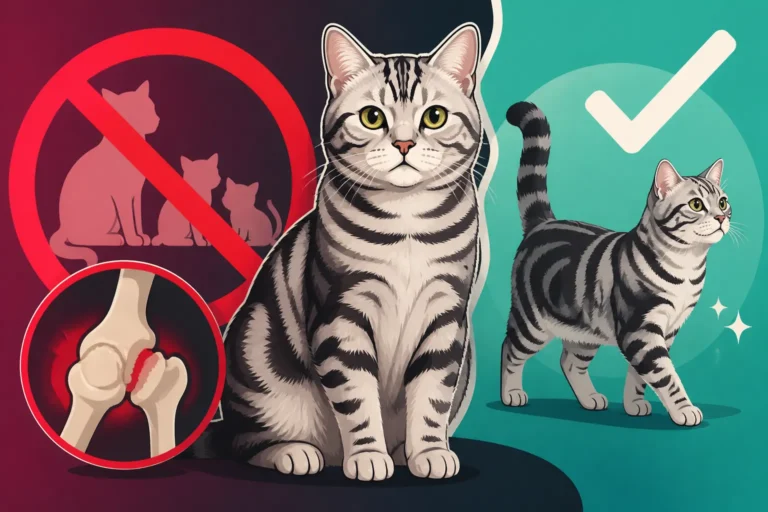
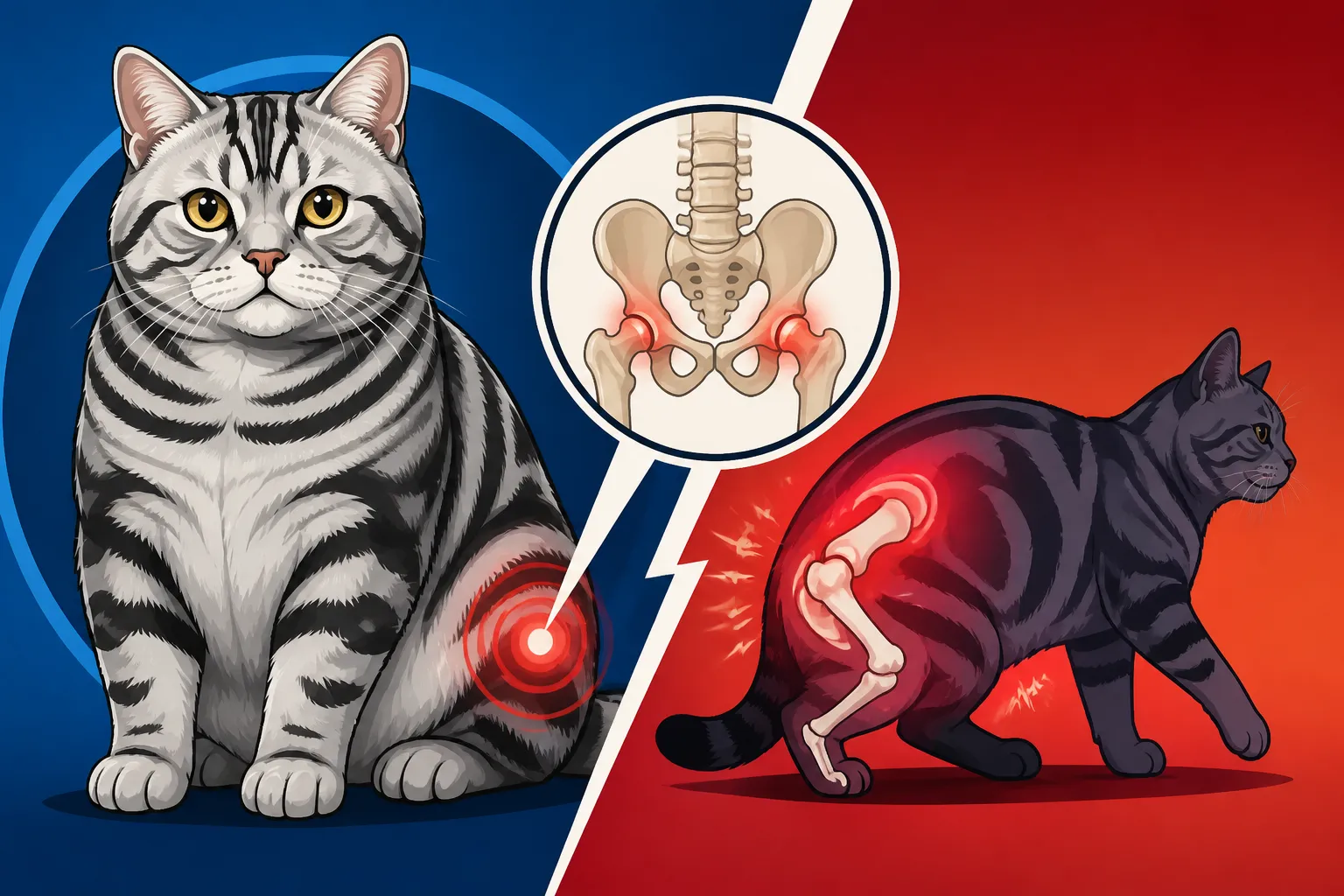
The strong, dense boning and heavy musculature of the American Shorthair means they naturally carry more mass than many other cat breeds. This inherently places a greater load on their joints, especially the major weight-bearing joints like the hips and knees. When they walk, jump, or run, these joints absorb the impact of their substantial body weight. A cat's hips are ball-and-socket joints, designed for smooth, fluid motion. In an ideal scenario, the head of the femur (thigh bone) fits snugly into the acetabulum (socket) of the pelvis. With a heavier-than-average body, even if perfectly proportioned, the cartilage and ligaments supporting these joints experience more wear and tear over time.
This issue is greatly compounded if the American Shorthair carries even a little extra weight beyond their ideal body condition. Every extra pound translates to exponentially more stress on these joints. Imagine carrying a backpack full of bricks all day; your joints would quickly suffer. For an American Shorthair, particularly one whose activity levels may have decreased from their ancestral mousing duties, that added weight can accelerate degenerative joint disease and exacerbate any existing hip laxity. This is a critical factor, as How Weight Wears Out an American Shorthair's Joints is a common concern among owners. It's not just about aesthetics; it's about the fundamental physics of joint health under continuous load.
Understanding Hip Dysplasia in American Shorthairs
Hip dysplasia is a condition that, while more commonly associated with certain dog breeds, can and does affect cats, including the robust American Shorthair. It’s a developmental disorder where the hip joint doesn’t form correctly, leading to a loose or unstable joint. Over time, this instability causes abnormal wear and tear on the cartilage and bone, resulting in painful arthritis. Given the American Shorthair's genetic predisposition for a sturdy, sometimes heavy, build, it's crucial for owners to be aware of this condition, understand its signs, and know how it's diagnosed.
Recognizing the Subtle Signs of Discomfort
Cats are masters of disguise when it comes to pain. Their evolutionary instinct is to hide weakness, so detecting hip dysplasia in an American Shorthair often requires keen observation and an understanding of their normal behavior. You might not see obvious limping right away. Instead, watch for subtle changes in their gait or routine. They might show reluctance to jump onto their favorite window sill or climb the cat tree – activities they once performed with ease. You might notice they hesitate before going up or down stairs, or they might land awkwardly after a short jump. A common sign is a decrease in overall activity, perhaps sleeping more or engaging in less play.
They may also exhibit changes in grooming habits; if reaching their hindquarters to groom becomes painful, their coat around the hips or base of the tail might appear unkempt or matted. You might also notice a slight stiffness, particularly after resting, which may improve once they've "warmed up." Pay attention to Why an American Shorthair Stops Jumping to the Counter – it’s often a tell-tale sign of discomfort. Sometimes, owners report a change in temperament, with a typically placid American Shorthair becoming more irritable or withdrawn if touched in certain areas. It's essential to act on these subtle clues, as early intervention can make a significant difference in managing the condition.
Diagnostic Process: From Examination to Imaging
If you suspect your American Shorthair might be experiencing hip discomfort, the first step is always a thorough veterinary examination. Your vet will perform a physical assessment, gently manipulating your cat's hind legs and hips to check for pain, range of motion, and any signs of laxity or crepitus (a grinding sound or sensation within the joint). They'll also observe your cat's gait and posture. However, a definitive diagnosis of hip dysplasia usually requires diagnostic imaging, specifically X-rays.
During the X-ray process, your cat will likely need to be sedated or anesthetized to ensure proper positioning and minimize stress. This allows the vet to get clear, unobstructed views of the hip joints. The X-rays will reveal the structure of the ball and socket, indicating if there's any shallowing of the socket, flattening of the femoral head, or signs of degenerative joint disease like bone spurs or cartilage loss. Specialists might use specific positioning techniques, such as the PennHIP method, which can detect hip laxity even in younger cats, to get a comprehensive view of the joint health. This meticulous process helps to accurately diagnose the extent of the dysplasia and rule out other potential causes of lameness or pain, ensuring your American Shorthair gets the most appropriate care. For more on what to expect, read How a Vet Assesses an American Shorthair's Hips.
Proactive Management and Prevention Strategies
While genetics play a role in hip dysplasia, environmental factors, particularly weight and activity, significantly influence the onset and severity of symptoms. For American Shorthair owners, understanding how to proactively manage these factors is key to protecting their cat's hip health and ensuring a comfortable, active life. Prevention often starts long before symptoms appear, focusing on a holistic approach to their well-being.
Maintaining an Ideal Weight to Protect Joints
This cannot be stressed enough: maintaining an ideal body weight is arguably the most crucial factor in preventing and managing hip problems in American Shorthairs. Their sturdy build can easily mask excess weight, making it tricky for owners to spot those creeping pounds. Every extra ounce puts additional strain on their hip joints, accelerating wear and tear and exacerbating any underlying predisposition to dysplasia. The goal is a lean, muscular physique, where you can easily feel their ribs without pressing hard, and they have a distinct waist when viewed from above.
Talk to your vet about your American Shorthair's ideal weight and create a tailored feeding plan. This often involves precise portion control and potentially a diet formulated for indoor or less active cats. Free-feeding, where food is left out all day, is a common culprit for weight gain. Instead, aim for two to three measured meals a day. If your American Shorthair is already overweight, a gradual weight loss plan is essential, as rapid weight loss can lead to other health issues. Remember, What an American Shorthair Should Weigh at Its Frame is a vital piece of information that your vet can help you determine, ensuring you're working towards a healthy, joint-sparing weight for your individual cat.
Environmental Modifications and Exercise for Hip Health
Beyond diet, creating a joint-friendly environment and encouraging appropriate exercise can significantly support hip health. For an American Shorthair, whose instincts still call for movement, providing safe opportunities for physical activity is paramount. Instead of high, jarring jumps, consider providing ramps or steps to help them access their favorite perching spots, like window sills or cat trees. This reduces the impact on their hips and ensures they can still enjoy vertical space, which is crucial for feline enrichment.
Interactive play is also essential. Engage your American Shorthair in daily play sessions using wand toys or laser pointers (always ending with a physical 'catch' of a toy to prevent frustration). These sessions should mimic hunting, encouraging low-impact stalking, pouncing, and chasing rather than high-flying acrobatics. Puzzle feeders can also encourage mental and physical activity by making them "work" for their food, channeling their natural foraging instincts. For cats with developing hip issues, softer bedding can provide extra comfort for resting joints. A combination of thoughtful environmental adjustments and consistent, appropriate exercise can go a long way in preserving mobility and comfort for your American Shorthair, making their daily life much more enjoyable.
Treatment Options for Hip-Related Issues
Once hip issues are diagnosed in an American Shorthair, a multi-faceted approach to treatment is usually recommended. The goal is to alleviate pain, reduce inflammation, slow the progression of joint degeneration, and improve your cat's overall quality of life. The specific treatment plan will depend on the severity of the condition, your cat's age, and their individual response to therapies.
Medical Management: Pain Relief and Supplements
For many American Shorthairs with hip dysplasia or arthritis, medical management forms the cornerstone of their treatment. This often begins with pain relief. Your veterinarian may prescribe non-steroidal anti-inflammatory drugs (NSAIDs) to reduce pain and inflammation, or other pain medications specifically formulated for cats, such as gabapentin, which can help with chronic pain and neuropathic components. It's crucial to never administer human pain medications, as many are toxic to cats.
Alongside pain relief, joint supplements are frequently recommended. These often contain ingredients like glucosamine, chondroitin, and MSM, which are believed to support cartilage health, improve joint lubrication, and reduce inflammation. Omega-3 fatty acids, found in fish oil, are also powerful anti-inflammatories and can be beneficial for joint health. While supplements aren't a cure, they can significantly contribute to comfort and slow the progression of arthritis. Your vet might also discuss injectables like polysulfated glycosaminoglycans (PSGAGs), which aim to improve joint fluid quality and cartilage health. Regular vet check-ups are essential to monitor your cat's response to medication and adjust dosages as needed, ensuring they remain comfortable and active. For more information, consider reading Whether Pain Relief Extends an American Shorthair's Active Years. When considering these long-term treatments, having pet insurance like Healthy Paws can be a real lifeline, helping to cover the ongoing costs of medication and veterinary visits.
When Surgery Becomes a Consideration
In more severe cases of hip dysplasia, or when medical management no longer provides adequate relief, surgical intervention might be considered. While less common in cats than in dogs, certain surgical procedures can offer significant improvement in quality of life for an American Shorthair suffering from debilitating hip pain.
One option is a Femoral Head Ostectomy (FHO). In this procedure, the head and neck of the femur are removed, eliminating the painful bone-on-bone rubbing that occurs in a dysplastic joint. The body then forms a "false joint" of scar tissue, and while it doesn't replicate the original joint, it typically results in a pain-free limb with good function, especially for cats of average weight. Another, more advanced option, though rarely performed in cats, is Total Hip Replacement (THR). This involves replacing both the femoral head and the acetabulum with prosthetic implants, providing a functional, pain-free joint. This is a highly specialized procedure, usually performed by an orthopedic veterinary surgeon. The decision for surgery is a significant one, involving careful consideration of your cat's overall health, the severity of their condition, and your financial capabilities. Post-operative care, including physical therapy, is critical for successful recovery. These complex procedures can be costly, highlighting the value of comprehensive pet insurance like Healthy Paws, which can mitigate the financial burden during such challenging times. It's worth exploring Whether Hip Surgery Is Ever Needed in The American Shorthair with your vet to understand all possibilities.
Long-Term Care and Quality of Life
Living with an American Shorthair who has hip issues requires ongoing commitment and careful attention to their needs. It’s not just about addressing the pain but also about fostering an environment that supports their mobility and maintains their quality of life for as long as possible. This long-term perspective ensures that your stoic companion can continue to enjoy their days with comfort and dignity.
Monitoring Progression and Adapting Care
Hip dysplasia and associated arthritis are often progressive conditions, meaning they can worsen over time. Therefore, continuous monitoring is vital. Regular veterinary check-ups, typically every 6-12 months, will allow your vet to assess your American Shorthair's mobility, pain levels, and overall health. They may recommend follow-up X-rays to track changes in the joints. You, as the owner, are the most important observer. Keep a journal of your cat's activity levels, any signs of stiffness, changes in gait, or reluctance to engage in once-loved activities. Note How an Old American Shorthair Shows Its Joints Hurt as they age.
Based on these observations and veterinary assessments, your cat's care plan will need to be adapted. This might mean adjusting pain medication dosages, exploring new supplements, or incorporating complementary therapies like acupuncture or laser therapy if recommended by your vet. Maintaining an optimal weight becomes even more critical as the disease progresses, as every extra pound will exert more pressure on already compromised joints. Furthermore, ensuring easy access to food, water, and litter boxes by using low-sided boxes or placing bowls in easily accessible locations can make a huge difference to their daily comfort. This proactive and adaptive approach helps to stay ahead of the condition and keep your American Shorthair as comfortable as possible.
Supporting an Aging American Shorthair with Hip Concerns
As American Shorthairs age, their hips naturally experience more wear and tear, and any pre-existing dysplasia can become more pronounced. Caring for an older cat with hip issues demands extra empathy and practical adjustments. The goal is to minimize discomfort and maximize their ability to perform daily functions. Soft, orthopedic beds can provide superior joint support and cushioning compared to hard surfaces, encouraging restful sleep. Ensure their litter boxes have low sides to prevent painful stepping over high edges, and place them in easily accessible, quiet areas.
Consider providing heated beds, especially in colder months, as warmth can help soothe stiff joints and improve circulation. Continue with gentle, interactive play to encourage movement without overexertion, focusing on short, low-impact sessions. Grooming assistance may be necessary if they struggle to reach certain areas, as Why an Old American Shorthair Loses Muscle First means their flexibility decreases. Regular brushing can prevent mats and keep their coat healthy. Most importantly, continue to provide a safe, loving, and predictable environment. Your aging American Shorthair may become more sensitive to changes, so consistency in routine can provide a sense of security. Comprehensive care, including vet visits that track Caring for an American Shorthair Past Twelve, contributes to their well-being, allowing them to enjoy their golden years with as much comfort and joy as possible.
Understanding Hip Grading and Prognosis
When dealing with a condition like hip dysplasia in American Shorthairs, understanding the grading system and what it means for your cat's long-term outlook can be incredibly helpful. It provides a clearer picture of the severity and helps inform treatment decisions and expectations for their future mobility.
The OFA and PennHIP Systems for Feline Hip Assessment
While more commonly known in canine diagnostics, both the Orthopedic Foundation for Animals (OFA) and the PennHIP systems can be used to assess feline hip health, including in American Shorthairs. The OFA evaluation involves taking a standard radiograph of the hips, typically with the cat lying on its back with hind legs extended and rotated inward. These radiographs are then evaluated by three independent board-certified veterinary radiologists who grade the hips based on several criteria, including hip joint conformation, presence of degenerative joint disease, and femoral head coverage. The OFA grades range from Excellent to Dysplastic, with various categories in between.
The PennHIP method, on the other hand, is a more quantitative and objective measure of hip laxity. It involves three distinct radiographs taken with the cat in specific positions, one of which uses a distractor device to passively stretch the hip joint, revealing the degree of laxity. The results are expressed as a distraction index (DI), a numerical value ranging from 0 to 1, where values closer to 0 indicate tighter hips and values closer to 1 indicate more laxity. Cats with tighter hips (lower DI values) are statistically less likely to develop hip dysplasia. PennHIP can also be performed earlier in a cat's life, potentially allowing for earlier detection and intervention. While these systems might not be as routinely applied to all cats as they are to certain dog breeds, they can offer valuable insights, especially for breeding American Shorthairs or for cases where a precise diagnosis is needed. Understanding Which Hip Grade an American Shorthair Should Have can guide breeders and owners alike.
Long-Term Outlook and Quality of Life Adjustments
The prognosis for an American Shorthair with hip dysplasia varies greatly depending on the severity of the condition, the age of onset, and, crucially, the consistency and quality of management. Cats with mild dysplasia who maintain an ideal weight and receive appropriate supportive care can often live long, relatively comfortable lives with minimal impact on their daily activities. With early intervention and a diligent approach to diet, exercise, and supplements, many can continue to enjoy a good quality of life.
For cats with moderate to severe dysplasia, especially those who develop significant arthritis, the long-term outlook might involve ongoing pain management and a more noticeable reduction in mobility. However, even these cats can have a good quality of life with dedicated care. This often means making significant adjustments to their environment, such as ensuring all necessities are easily accessible, providing ramps, and carefully monitoring their comfort. Regular vet check-ups are non-negotiable to adjust medication as needed and explore new therapies. While they may not be able to jump to the highest shelves anymore, they can still enjoy interactive play, affectionate cuddles, and a generally happy existence within their physical limitations. The key is to prioritize their comfort and adapt to their evolving needs, allowing them to thrive within their capabilities, even if those capabilities change over time.
| Aspect | Mild Dysplasia & Arthritis | Moderate Dysplasia & Arthritis | Severe Dysplasia & Arthritis |
|---|---|---|---|
| Symptoms | Occasional stiffness, slight reluctance to jump | More frequent stiffness, reduced activity, visible hesitation to jump, altered gait | Consistent lameness, significant pain, difficulty with daily movements, reluctance to be touched |
| Diagnosis | Subtle changes on X-ray, minimal joint space narrowing | Clear signs on X-ray, moderate joint changes, early bone spurs | Pronounced X-ray changes, severe joint degeneration, significant bone spurs, potential subluxation |
| Management Focus | Weight control, joint supplements, environmental enrichment, low-impact exercise | Daily pain relief (NSAIDs), joint supplements, physical therapy, environmental modifications | Higher doses/combinations of pain meds, aggressive joint support, surgery considered (FHO), dedicated environmental changes |
| Prognosis | Excellent with proactive management, good quality of life expectable | Good to fair with consistent management, quality of life maintained with adjustments | Fair to guarded, requires intensive management, significant lifestyle adjustments, potential for pain despite treatment |
| Lifestyle Impact | Minimal to mild activity restrictions | Moderate activity restrictions, need for ramps/steps, adjusted play | Significant activity restrictions, careful handling required, consistent monitoring essential |
| Vet Costs (Estimated) | Moderate (supplements, annual checks) | High (medication, supplements, regular vet visits, potential specialty consults) | Very high (intensive meds, potential surgery, physical therapy, frequent vet visits) |
Disclaimer
This article is intended for informational purposes only and does not constitute veterinary advice. Always consult with a qualified veterinarian for any health concerns or before making any decisions about your pet's medical care.