Whether the American Shorthair Deserves More Attention
The American Shorthair can be easy to overlook: its sturdy build and familiar tabby coat may look more everyday than exotic. But “ordinary-looking” is not the same as uninteresting. This guide looks at what the breed contributes, why it gets less attention than some flashier cats, and how to decide whether its quieter appeal deserves a closer look.
Why the American Shorthair Can Be Easy to Overlook
Familiar looks can hide a distinct breed
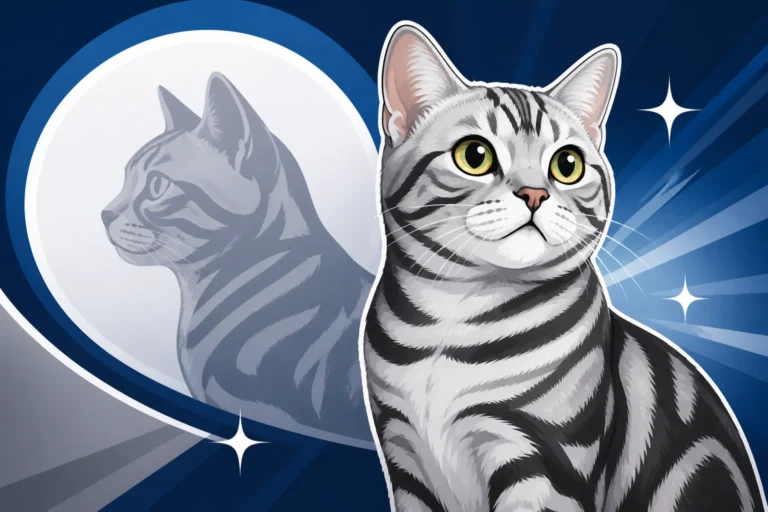
Many American Shorthairs have the kind of appearance people associate with cats in general: a short coat, balanced features, and a solid, capable body. A silver tabby may be especially recognizable, but even that pattern can read as familiar rather than unusual. When a breed’s appeal depends on dramatic features, the American Shorthair’s natural-looking appearance can seem less attention-grabbing at first glance.
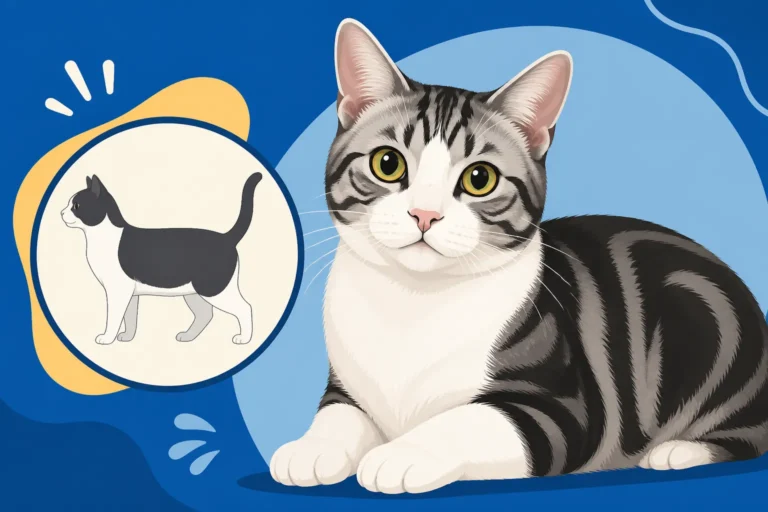
That familiarity creates a common mix-up. A shorthaired tabby from a shelter may look similar to an American Shorthair, but appearance alone does not establish pedigree. The breed is a registered, selectively bred cat with a defined standard; a domestic shorthair is a broad category for mixed-ancestry cats with short coats. Neither label makes a cat more lovable or worthwhile, but the distinction matters when someone is researching breed traits or looking for a pedigreed kitten. How an American Shorthair Differs From a Domestic Shorthair
The breed’s visual identity is also broader than its best-known silver tabby pattern. American Shorthairs come in many recognized colors and patterns, and their sturdy frame, rounded head, and moderate proportions matter as much as coat color when describing the breed. A closer look at What an American Shorthair Looks Like by the Standard makes clear that the intended type is balanced rather than extreme.
A working-cat history is less flashy than a dramatic origin story
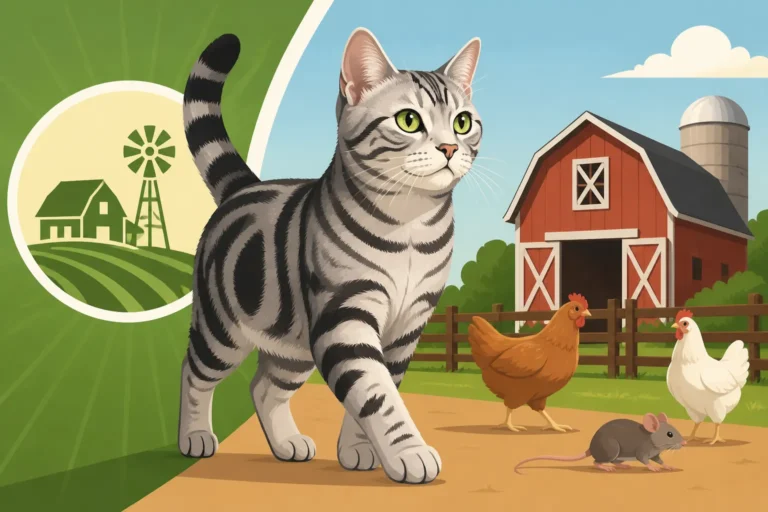
The American Shorthair’s appeal is tied to practical history. Its ancestors were valued as capable cats, including for keeping rodents in check around farms, homes, and ships. That background helps explain why the breed is associated with a substantial, muscular body rather than a delicate or highly specialized silhouette. For more on that heritage, see Ships Carried the American Shorthair's Ancestors as Ratters.
A working history does not mean every American Shorthair today is a skilled mouser, nor does it guarantee a particular temperament. Individual cats vary, and early socialization, health, and home environment all affect how a cat behaves. Still, the breed’s history offers a useful lens: it was not shaped solely to look striking in a photograph. Function and a sturdy, moderate build helped define its type.
That practical image can make the breed seem less glamorous in a market full of unusual coat textures, extreme facial features, and novelty. Yet the lack of an exaggerated look can be a real part of its appeal. Some people want a cat whose appearance feels familiar and whose character is not sold as a theatrical promise. The American Shorthair can be worth noticing precisely because it does not need a dramatic look to have a clear identity.
What Makes the Breed Worth a Closer Look
Its appeal is balance, not a single standout feature
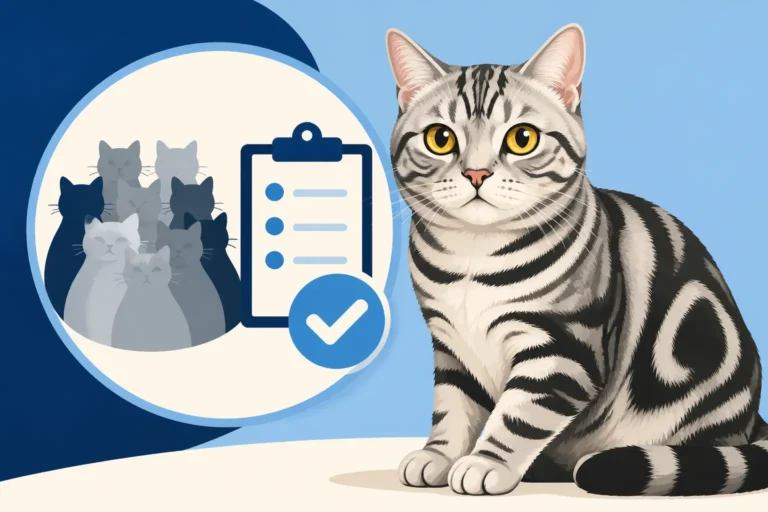
The American Shorthair is not defined by one extreme trait. It is generally a medium-to-large, strong-bodied cat with a short, dense coat and a broad range of colors and patterns. The breed standard gives breeders and judges a shared description of the desired type, but a pet owner does not need a show-winning cat to appreciate the breed. A pet’s comfort, health, and fit with the household matter more than whether its markings are especially crisp.
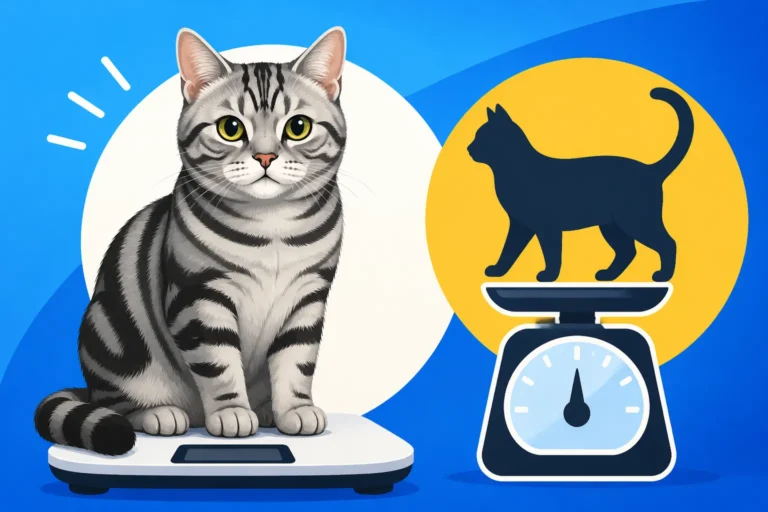
That balanced appearance can suit people who like a substantial cat without seeking a very large breed. It can also appeal to someone who wants a short coat rather than a high-maintenance long coat, while understanding that shorthaired cats still shed and need routine care. A quick search for How Big an American Shorthair Gets can help set expectations, but weight and build vary between individual cats. A cat’s frame and body condition are more useful than trying to match a single number.
Temperament deserves the same caution. Breed descriptions can suggest patterns, but they cannot promise that every American Shorthair will be cuddly, quiet, independent, or easygoing. A prospective owner should ask about the individual cat’s behavior, history, and needs. If adopting, observe how the cat responds to handling and unfamiliar situations when possible; if buying from a breeder, ask how kittens are raised and what the breeder has learned about their personalities.
Its familiar features invite a more useful kind of attention
Some breeds attract notice because they are instantly distinctive. The American Shorthair may instead reward attention over time: how its body is put together, how its coat changes seasonally, and how its particular personality fits into a home. That is a quieter kind of interest, but it can be more grounded than choosing a cat based on a striking photo or an assumption that a breed label guarantees a certain personality.
The breed also provides an interesting example of how cat breeds are developed and maintained. A working-type cat became a recognized breed with an established name and standard, while retaining a look that remains close to what many people think of as a classic house cat. The history of that transition is explored in Why the American Shorthair Was Called Domestic Shorthair Until 1966 and The Rename That Separated the American Shorthair From the Alley Cat.
This is one reason the American Shorthair deserves attention from people interested in responsible breeding, not just prospective owners. Its story raises broader questions about how a breed can preserve useful, moderate traits while still being selected for a defined appearance. What People Get Wrong About the American Shorthair is a helpful companion topic for separating common assumptions from what the breed label can actually tell you.
What Attention Should Mean for Owners and Breeders
Choose for the individual cat, not just the breed name
If you are considering an American Shorthair, start with the individual cat’s needs and history. Ask what the kitten or adult cat is like around people, whether it has lived with other animals, and what veterinary care it has received. A responsible breeder should be open about health screening, the parents’ history, and how they raise kittens. A rescue organization may have less background information, but can often share observations about a cat’s behavior in foster care or a shelter.
A pedigree can document ancestry and registration, but it does not guarantee a particular personality or a lifetime without health problems. Likewise, a cat that resembles an American Shorthair is not automatically a registered member of the breed. For a closer look at what documentation can and cannot establish, see Which Registries Recognize the American Shorthair. The practical takeaway is to treat paperwork as one piece of information, not a substitute for meeting the cat and asking careful questions.
Consider lifestyle fit before falling for a coat pattern. Think about how much time you can give to play, what you will do to keep the cat safely occupied indoors, and whether you can provide routine veterinary care. A robust-looking cat still needs preventive care, enrichment, and a suitable diet. If you are comparing adoption and purchase, make the decision around the cat’s needs and your readiness rather than the prestige of a label.
Give everyday care the attention the breed itself often misses
A short coat does not mean no grooming. Many American Shorthairs benefit from occasional combing, with more attention when shedding picks up. Regular handling can also help you notice changes in coat condition, skin, ears, paws, or body shape. For basic supplies, owners might compare options at a local pet store or a retailer such as Chewy, while choosing tools that suit the cat rather than buying every product marketed for the breed.
Food and weight deserve particular care. The American Shorthair’s substantial build can make a few extra pounds less obvious, especially when a cat has a dense coat. Measure meals rather than relying on a bowl that stays full all day, and ask a veterinarian to assess body condition instead of judging by appearance alone. If you shop for food through Chewy or another retailer, use the cat’s age, health needs, and veterinary guidance to narrow choices; a product’s breed-themed label does not automatically make it the right fit.
Enrichment is part of care, too. A cat with a working heritage may enjoy chasing, stalking, climbing, and investigating even if it lives entirely indoors. Rotate toys, create places to perch, and make play sessions interactive. Chewy may be one place to find wand toys, puzzle feeders, or scratching surfaces, but a cardboard box, a safe paper bag with handles removed, or a toy rotated back into use can be just as engaging. What matters is whether the cat gets opportunities to move and use its senses.
Does the American Shorthair Deserve More Attention
Yes, if attention means looking beyond novelty
The American Shorthair deserves more attention when “attention” means being understood on its own terms. It is a recognized breed with a practical history, a balanced physical type, and a range of colors and patterns. Its familiar appearance should not be mistaken for a lack of character or distinction. At the same time, breed popularity is not a measure of a cat’s worth, and no breed should be treated as automatically superior to a mixed-breed companion.
For a prospective owner, the most useful question is not whether the breed is fashionable enough. It is whether the particular cat suits your home, whether you can meet its care needs, and whether the source is responsible. If the answer is yes, a quieter public profile is no reason to dismiss it. If you are drawn mainly by the idea that a breed guarantees an easy temperament or low-maintenance life, pause and learn about the individual cat before making a commitment.
For breed enthusiasts, the American Shorthair is also worth attention because it illustrates a less extreme route to a defined breed identity. Its traditional, sturdy appearance helps show that selective breeding does not have to rely on exaggerated features to create a recognizable type. That does not mean every breeding decision is automatically sound; responsible health practices and welfare-conscious choices remain essential.
Give it a fair comparison with other ways to bring home a cat
A pedigreed American Shorthair and a shelter cat should not be treated as competing versions of the same purchase. A registered kitten may offer documented ancestry and some predictability in general appearance, while a shelter or rescue cat may be a better match for someone who wants to adopt and is open to uncertainty about ancestry. Either route can lead to a rewarding relationship, and neither makes a person a better cat owner by itself.
If you are choosing between them, compare the real commitments: the cat’s known health and behavioral history, the support available after adoption or purchase, and the care you can provide over the long term. A shelter cat with a tabby coat may look remarkably like an American Shorthair, but resemblance does not establish pedigree. Conversely, a pedigree does not tell you everything about the cat in front of you. Whether a Shelter Tabby Can Be Registered as an American Shorthair explores that distinction.
The breed may never be the first choice for someone drawn to dramatic novelty, and that is fine. But for people who value a traditional appearance, a sturdy build, and a breed history rooted in practical work, it is worth a closer look. The American Shorthair does not need to be the most talked-about cat to merit thoughtful recognition.
Disclaimer
This article is for general informational purposes only and does not constitute professional advice. Laws, prices and regulations vary by location and change over time. Consult a qualified professional for guidance on your specific situation.