Which American Shorthair Won an Early Show
It's easy to look at the American Shorthair today and think of it as a solid, dependable presence in the cat world, a breed that almost feels like it's always been there. But like any established pedigree, the American Shorthair had to earn its stripes, especially in the competitive early days of cat fancy. For this breed, which was once simply known as the Domestic Shorthair, winning those initial shows wasn't just about a pretty face; it was about staking a claim, proving its unique qualities, and setting a precedent for what would become a beloved, well-recognized American icon. This guide will delve into the exciting, sometimes challenging, journey of the American Shorthair's early show career and highlight some of the pioneering felines that helped put this resilient breed on the map.
The Genesis of Cat Shows and the American Shorthair's Debut
Before the organized cat fancy took hold, a cat was largely a cat, valued for its utility more than its aesthetics. But as Victorian-era passions for pedigrees grew, so did the desire to celebrate and formalize distinct types of felines. The late 19th and early 20th centuries saw the emergence of formal cat shows, first in England and soon after in North America. These weren't just casual gatherings; they were serious affairs, often attracting considerable public interest and marking a significant shift in how people viewed their feline companions.
Early Exhibitions and the "Domestic Shorthair" Label
When American cat enthusiasts began organizing their own shows, the native shorthaired cats were, naturally, among the first to be exhibited. However, they weren't yet known as the "American Shorthair." For many years, they were simply referred to as "Domestic Shorthairs" or even "Shorthairs of American Type." This generic label, while accurate in describing their origin, did little to differentiate them from the myriad of non-pedigreed house cats that roamed yards and farms. The challenge for early breeders was to demonstrate that these cats possessed consistent, desirable traits that warranted specific recognition and a dedicated breed standard.
Imagine the scene: grand halls filled with cages, each holding a cat hoping to catch the judge's eye. While glamorous Persian and regal Siamese cats might have drawn immediate gasps of admiration, the humble Domestic Shorthair had to quietly impress with its robust build, keen eyes, and calm demeanor. Judges in these nascent shows were often looking for overall health, good temperament, and a solid physical conformation that hinted at their working past. It was a tough crowd, but these early appearances were crucial for establishing the breed's foundation. It was a chance for people to truly see what When Breeders Started Showing the American Shorthair really meant.
Setting the Standard for the All-American Cat
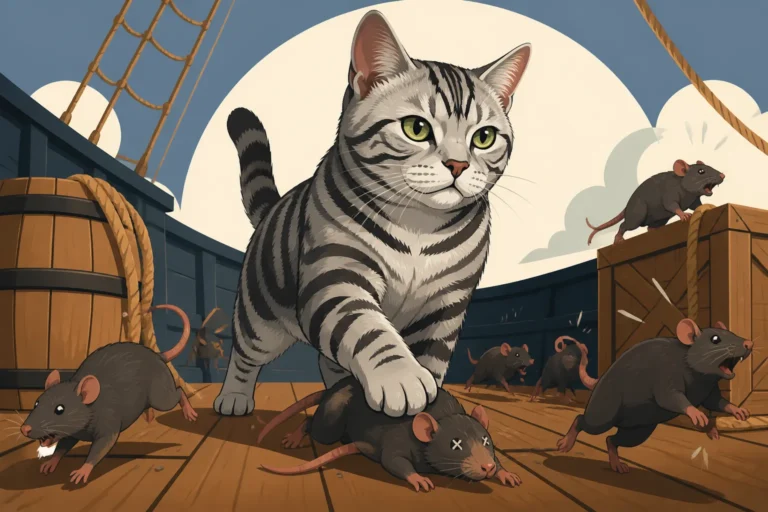
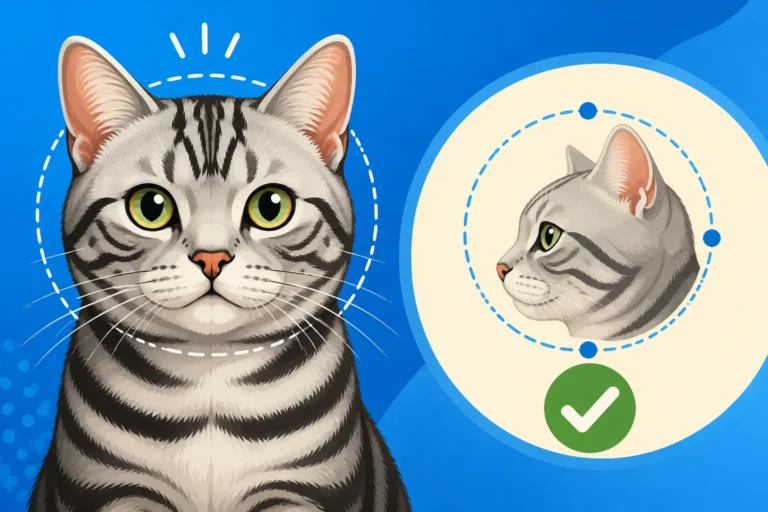
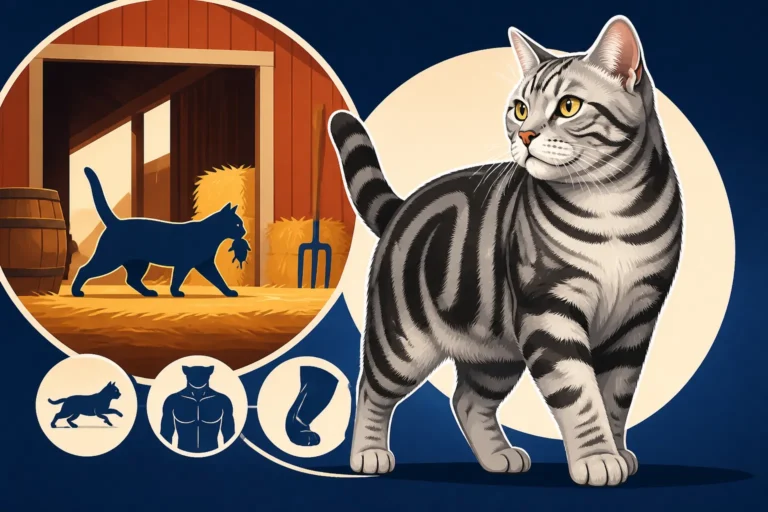
The very first formal cat shows in the United States, such as the famous exhibition at Madison Square Garden in 1895, did include classes for "Shorthairs." These classes were broad, encompassing a wide array of colors and patterns, but they undeniably featured the ancestors of today's American Shorthair. It was in these early arenas that the concept of a "standard" began to solidify. Breeders and judges started to look for specific characteristics: a well-muscled body, a broad chest, a large, round head with full cheeks, and bright, alert eyes. These weren't arbitrary choices; they were traits that reflected the cat's heritage as a capable working animal, a testament to its long history as a skilled rodent catcher on farms and ships. This early effort to define the breed set the stage for what would become How the First American Shorthair Standard Read.
Legendary Early Winners and Their Lasting Legacy
In the early decades of the 20th century, as cat fancy matured, certain American Shorthairs began to stand out. These were the cats that captivated judges, consistently winning top honors and, in doing so, elevating the profile of the entire breed. Their victories weren't just personal triumphs; they were monumental steps in proving that the American Shorthair was a distinct, valuable pedigree.
Buster Brown: A Champion of the Silver Tabby
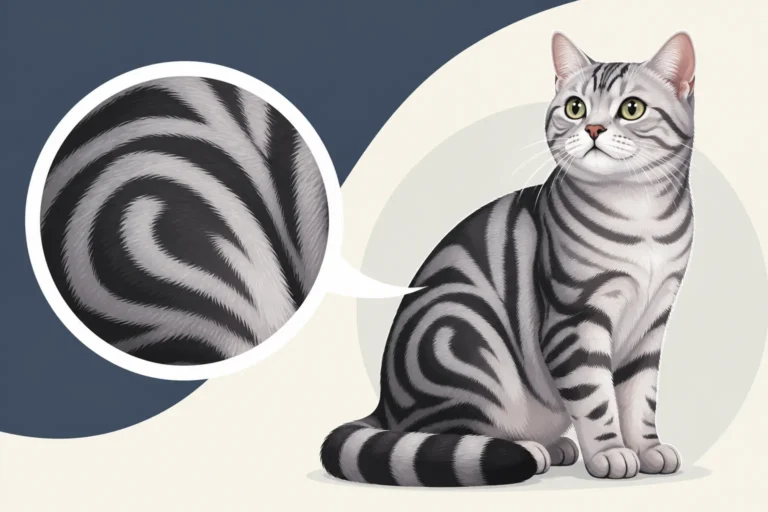
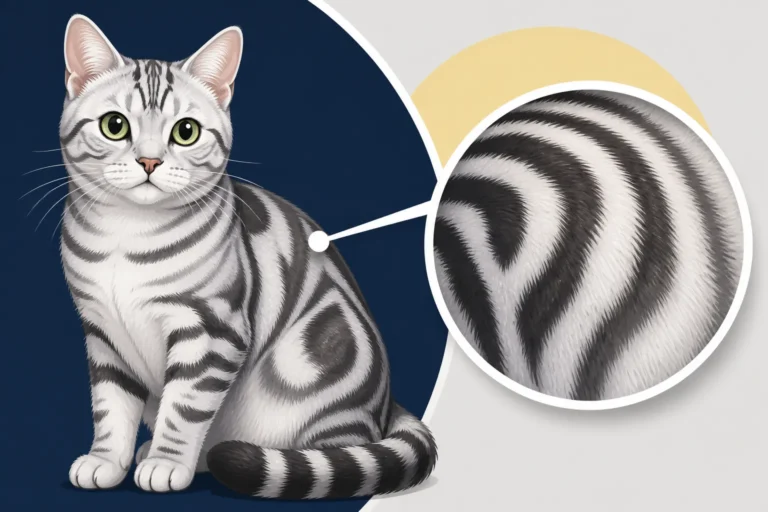
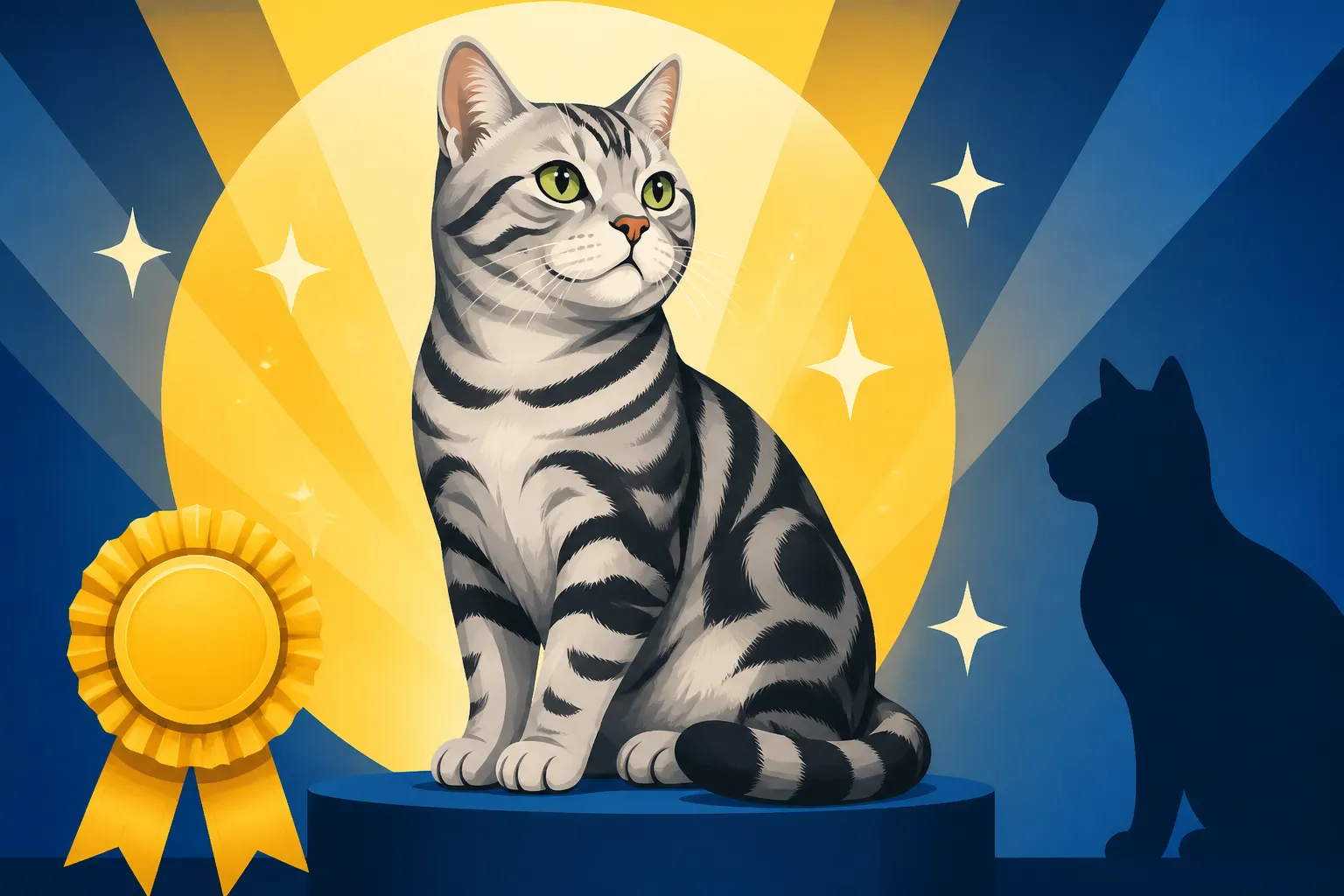
Perhaps one of the most celebrated early winners, whose influence is still felt today, was a magnificent Silver Tabby American Shorthair named Buster Brown. While specific dates and precise show details can sometimes blur with time, Buster Brown is widely recognized in breed history as an early champion who brought significant acclaim to the nascent breed. His striking silver coat with bold, intricate tabby markings, combined with his robust physique and amiable disposition, made him an instant favorite with judges and the public alike. He perfectly embodied the developing breed standard, proving that these "domestic" cats could indeed be magnificent show animals.
Buster Brown's repeated wins helped to popularize the Silver Tabby pattern, making it the iconic look many people associate with the American Shorthair even now. It showed people that beauty could be found in these familiar, hardy cats, and that their working heritage didn't preclude them from being show-ring stars. His success likely fueled enthusiasm for breeding and exhibiting, encouraging more people to get involved in refining and promoting the breed. He showed everyone what The Silver Tabby That Made the American Shorthair Famous was all about.
Beyond Buster Brown: Other Influential Cats
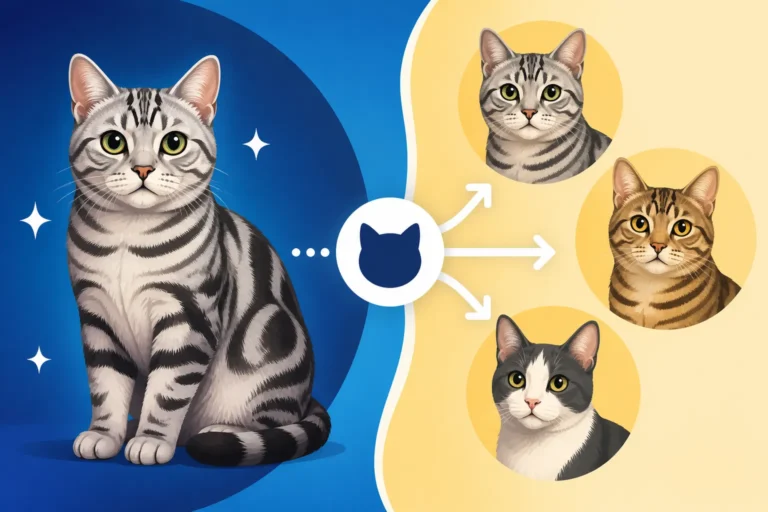
While Buster Brown stands out, many other unsung heroes, whose names might not be as widely known today, also contributed to the breed's early success. These were cats of various colors and patterns—brown tabbies, whites, blacks, and bicolors—each winning accolades in regional and national shows. Each win, whether by a grand champion or a smaller local winner, added another layer of legitimacy to the American Shorthair's claim as a true pedigree breed.
Judges in these early days carefully scrutinized a cat's conformation, looking for things like the proper roundness of the head, the strength of the jaw, and the characteristic expression of large, wide-set eyes. They were also very focused on the coat – its texture, density, and the clarity of its markings. A healthy, well-presented cat, even then, was key. Many of these foundational cats were also noted for their calm, adaptable temperaments, a trait highly prized in the show hall and a hallmark of the breed's working background. Ensuring these cats were in peak condition would have involved dedicated care, from nutrition to grooming. Even today, responsible owners look for quality products, checking places like Chewy for premium cat food, grooming tools, and enrichment items to keep their American Shorthairs in top shape, whether for the show ring or just for a happy home life.
The Critical Role of Early Wins in Breed Recognition
Winning an early cat show was about far more than just taking home a ribbon. For the American Shorthair, it was absolutely vital for gaining official recognition, distinguishing it from common housecats, and cementing its place in the fledgling world of pedigreed cat breeds.
Differentiating from the "Alley Cat"
Before formal recognition, the ancestors of the American Shorthair faced a significant perception problem. They looked, to the untrained eye, very much like the everyday cats found in barns, homes, and, yes, alleys. This made it challenging to convince people that they were a breed deserving of a specific name and breeding program. Early show wins provided undeniable proof. When a Domestic Shorthair consistently beat other cats, whether pedigreed or not, it forced a re-evaluation. It showed that these cats possessed predictable characteristics and a level of refinement that elevated them beyond mere random-bred felines.
This struggle for identity ultimately led to a pivotal moment in the breed's history. The name "Domestic Shorthair" continued to cause confusion and imply a lack of distinctiveness. It was this very issue that prompted a significant change, resulting in Why the American Shorthair Name Changed in 1966. The early show wins laid the groundwork for this name change by demonstrating that there was indeed a specific type of cat being bred and exhibited.
Formalizing the Breed Standard
Each win contributed to the evolving breed standard. Judges and breeders, through the process of evaluating and awarding champions, collectively decided what an "ideal" American Shorthair should look like. This wasn't a static document; it was a living guide that developed through observation and success in the show ring. When a cat like Buster Brown won repeatedly, his characteristics became the benchmark. Breeders then knew what traits to aim for in their own breeding programs, fostering a more uniform and recognizable breed. This iterative process of showing, judging, and refining was fundamental to creating the coherent breed we know today.
The standards touched on every aspect: the shape of the head, the set of the ears, the robust musculature, and the distinct pattern of the coat. For instance, the clarity of a tabby pattern, the evenness of the stripes, and the overall contrast would be meticulously assessed. The importance of these wins cannot be overstated; they were the building blocks of the breed's very identity. Understanding What an American Shorthair Looks Like by the Standard becomes much clearer when you consider this historical context.
Beyond the Rosette: What Early Wins Meant for the Breed's Future
The impact of those pioneering wins echoed far beyond the show hall, shaping the American Shorthair's popularity, breeding practices, and even its health reputation for generations to come.
Increasing Popularity and Demand
Success in early shows inevitably led to increased public awareness and demand for the breed. People saw these beautiful, robust cats winning prestigious awards and wanted them for their own homes. This growing interest encouraged more dedicated breeders to join the cause, expanding the gene pool and further solidifying the breed's presence. Without those early champions catching the public's eye, the American Shorthair might have remained a beloved but undifferentiated housecat, never reaching its current status as a recognized and cherished pedigree.
The rise in demand also brought economic viability to breeding, allowing enthusiasts to invest more in health screening and selective breeding for desirable traits. It became a virtuous cycle: wins led to popularity, which led to more careful breeding, which in turn produced more show-quality cats. This growth ensured the breed's continued development and protection. If you're looking for a cat that combines the best of a working cat with the charm of a companion, the American Shorthair’s history shows why it’s such a consistent choice. Finding the right supplies to keep them healthy and active, from engaging toys to nutritional food, is key, and many owners turn to retailers like Chewy for a wide selection.
Establishing a Reputation for Health and Temperament
One of the most valuable, albeit less glamorous, outcomes of early show success was the establishment of the American Shorthair's reputation for excellent health and a calm temperament. Judges at these early shows were not only looking for beauty but also for vitality and a stable disposition. A cat that was anxious, aggressive, or clearly unwell would never make it to the winner's circle. Consequently, breeders focused on producing cats that were not only visually appealing but also robust and good-natured.
This emphasis on health and temperament became a cornerstone of the American Shorthair's appeal. It's a breed known for being adaptable, easygoing, and generally healthy, which can be seen in discussions about The American Shorthair Is the Control Group of Cat Breeding. These qualities were carefully selected and reinforced through generations of breeding, heavily influenced by what succeeded in those foundational cat shows. The legacy of these early wins is therefore not just about looks, but about the very essence of the American Shorthair: a truly resilient and well-balanced companion. Even in modern times, maintaining this health means regular vet check-ups and good nutrition, and many owners find reliable access to a variety of trusted brands on platforms like Chewy.
The Foundation for Future Generations
Every champion cat in those early shows became a vital link in the breed's lineage. Their genetics were passed down, contributing to the strong, healthy, and characteristic American Shorthairs we see today. The decisions made by early breeders, guided by show results, set the course for what the breed would become. It was a careful process of selection, balancing the desire for specific physical traits with the need to maintain the breed's inherent hardiness and good nature. Who Started Breeding the American Shorthair to a Standard played a crucial role in this, using these show wins as a guide.
The table below highlights some general criteria that would have been evaluated in early American Shorthair shows and how these contributed to the breed's overall development:
| Trait | Early Show Evaluation | Impact on Breed Development |
|---|---|---|
| Body Type | Robust, muscular, medium to large, broad chest. Indicative of a working cat, strong and capable. | Reinforced the characteristic sturdy, well-balanced physique, moving away from overly delicate or cobby types. |
| Head Shape | Large, round head with full cheeks and a square muzzle. | Established the distinctive "all-American" facial features, distinguishing it from other shorthairs. |
| Coat | Short, dense, hard texture, weatherproof. Clear patterns (especially tabby). | Maintained the functional, easy-care coat suitable for varying climates; popularized striking tabby patterns. |
| Eyes | Large, wide-set, round, bright, and alert. | Contributed to the breed's intelligent and amiable expression. |
| Temperament | Calm, docile, adaptable, friendly but independent. | Crucial for show success and cemented the breed's reputation as an ideal family pet. |
| Overall Health | Clear eyes, clean coat, good muscle tone, energetic. | Promoted breeding for vitality and longevity, contributing to the breed's generally good health profile. |
The journey from "Domestic Shorthair" to a recognized champion breed was paved by the efforts of dedicated individuals and the triumphs of those early show cats. These pioneers established the American Shorthair as a breed worthy of its place in the cat fancy, ensuring that this truly American cat would be appreciated for generations.
Disclaimer
This article is for general informational purposes only and does not constitute professional advice. Laws, prices and regulations vary by location and change over time. Consult a qualified professional for guidance on your specific situation.