How Many American Shorthairs Are Registered a Year
It's completely understandable to wonder how many American Shorthair cats are registered each year. When you're considering bringing a specific breed into your home, you want to know how popular they are, how well-established their lines are, and what kind of commitment breeders are making to the breed's future. It’s not just about a number; it’s about understanding the health, heritage, and integrity behind these wonderful felines, and this guide aims to pull back the curtain on that.
Understanding Cat Registries and Their Role
Before we dive into the specific figures, or rather, the understanding of how these figures are presented, it’s crucial to grasp what cat registries are and why they exist. They're not just fancy clubs; they're the guardians of breed standards and the record-keepers of feline lineage.
What is a Cat Registry, Anyway?
Think of a cat registry as the official archive for purebred cats. Organizations like the Cat Fanciers' Association (CFA) or The International Cat Association (TICA) are the leading registries here in North America. Their primary purpose is to maintain pedigree records for various cat breeds, ensuring that cats recognized as purebred truly descend from other purebred cats of that same breed. This means they track generations, record parentage, and uphold the distinct characteristics that define each breed. Without these registries, the meticulous work of breeders over decades, or even centuries, to develop and maintain unique breeds would be lost. They provide a framework for ethical breeding and help to preserve the genetic health and integrity of each recognized cat breed. For the American Shorthair, a breed with deep historical roots, these registries are particularly important for maintaining its classic characteristics.
Why Breeders Register American Shorthairs
For dedicated American Shorthair breeders, registration is more than just an administrative step; it's a badge of honor and a commitment to the breed's future. When a breeder registers their cats and litters, they are essentially certifying that their cats meet the established breed standard, that their parentage is verified, and that they are part of a recognized, traceable lineage. This process helps ensure that the traits we love about the American Shorthair – their robust health, calm demeanor, and distinctive appearance – are preserved for future generations. It’s also a way for breeders to demonstrate transparency and accountability. Prospective owners can often request to see registration papers, which provide valuable information about a kitten's ancestry and can offer some assurance regarding its genetic background and health screening. What an American Shorthair Breeder Should Have Screened goes into more detail about the health aspect, which is often tied directly to a breeder's commitment to registration. This dedication often means breeders are also invested in providing high-quality nutrition and supplies, sometimes sourced from places like Chewy, for their queens and kittens.
The Difference Between a Registered Cat and a "Just Like an American Shorthair" Cat
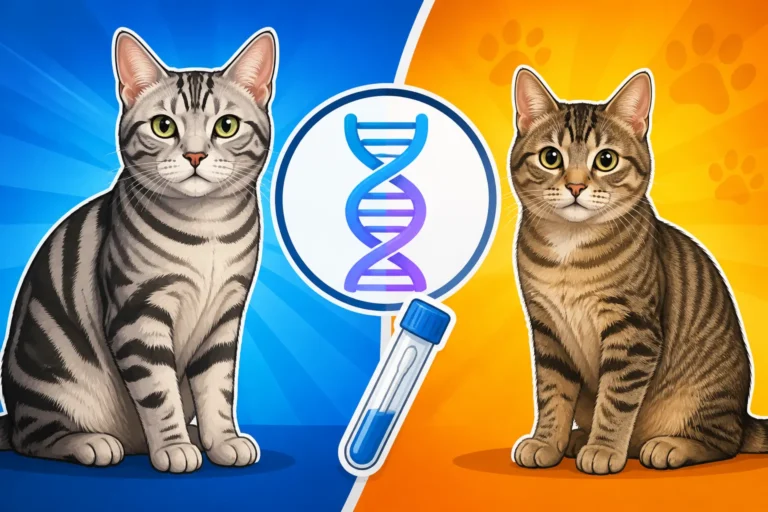
This is where a lot of confusion, and sometimes frustration, comes in for prospective cat owners. Many people see a lovely, sturdy tabby cat with a friendly face and immediately think, "That's an American Shorthair!" And while it might look like one, there's a world of difference between a domestic shorthair (often affectionately called a "moggy" or "alley cat") and a registered American Shorthair. The key lies in the pedigree and the official documentation from a recognized registry. A registered American Shorthair has a documented lineage stretching back generations, proving its purebred status according to the breed standard. A domestic shorthair, no matter how beautiful or similar in appearance, does not have this documented ancestry. It's a fantastic, loving cat in its own right, but it's not a purebred American Shorthair. Understanding this distinction is vital, especially if you're specifically seeking the predictable traits – both physical and behavioral – that come with a purebred animal. How an American Shorthair Differs From a Domestic Shorthair really breaks down these differences in detail.
The American Shorthair's Place in History and Registrations
The American Shorthair isn't just any breed; it holds a special, foundational place in the world of pedigreed cats, and this history directly influences its registration patterns.
A Founding Breed's Enduring Popularity
The American Shorthair has a storied past, dating back to the cats that accompanied early European settlers to North America, performing the vital job of rodent control. When cat fancy began to formalize in the late 19th and early 20th centuries, this sturdy, adaptable working cat was among the very first breeds to be recognized. In fact, The American Shorthair Was One of the CFA's Five Founding Breeds, which tells you just how deep its roots run. This long-standing recognition means the breed has had a consistent presence in cat registries for well over a century. Unlike some newer, trendier breeds that see dramatic spikes and drops in popularity, the American Shorthair has enjoyed a steady, enduring appeal. Its history as a no-nonsense, functional cat means it was bred for health and temperament, not extreme features, which contributes to its lasting stability. This enduring popularity means that breeders have consistently been registering litters to maintain the breed's integrity and meet demand from owners who appreciate its reliable nature.
How Registrations Reflect Breed Stability
When you look at the registration numbers for the American Shorthair, you're not likely to see wild fluctuations year after year. Instead, you'll generally find a picture of remarkable stability. This isn't a breed that's a flash in the pan; it's a steadfast presence in the cat world. This stability in registrations is a strong indicator of the breed's overall health and desirability. It suggests that there's a consistent, healthy demand for American Shorthair kittens, and a dedicated base of breeders who are committed to continuing their lines according to established standards. The American Shorthair Is the Control Group of Cat Breeding touches on how this breed serves as a benchmark for health and traditional feline characteristics, further reinforcing why its registration numbers tend to be consistent rather than volatile. The breeding community generally knows what to expect, and so do prospective owners, which helps maintain a steady flow of interest and registered litters.
The Impact of the "American Shorthair" Name Change
It might seem like a small detail, but the renaming of the breed in 1966 from "Domestic Shorthair" to "American Shorthair" had a significant impact on its identity and, by extension, its registration. Before this change, the term "Domestic Shorthair" was widely used to describe any short-haired house cat, making it incredibly difficult to distinguish between purebred pedigreed cats and common alley cats. This ambiguity caused considerable frustration for breeders who were painstakingly working to preserve the specific traits of their lines. Why the American Shorthair Was Called Domestic Shorthair Until 1966 explains this historical context in more detail. The official renaming provided much-needed clarity, firmly establishing the American Shorthair as a distinct, pedigreed breed with its own unique history and standard. The Rename That Separated the American Shorthair From the Alley Cat highlights how this change professionalized the breed's image, making it clearer what owners were getting when they sought out a registered cat. This clarity naturally encouraged more diligent registration practices, as breeders could now confidently market and register their cats under a distinct, respected name, further solidifying its presence in official records.
Navigating the Numbers: What "Registered Annually" Really Means
When you search for specific numbers of registered American Shorthairs each year, you might find it more challenging than expected. There are good reasons for this, and understanding them helps you interpret any data you come across.
The Challenges of Pinpointing Exact Annual Figures
Unlike some national animal populations that are rigorously tracked, getting an exact, universally accepted figure for how many American Shorthairs are registered each year can be surprisingly difficult. Here’s why: no single global registry exists, and even within a country like the United States, there are multiple registering bodies (CFA, TICA, etc.). Each organization collects its own data, and they don't always share or combine their numbers in a publicly accessible way that provides a neat, consolidated annual total. Furthermore, these organizations might define "registration" slightly differently – some report individual cat registrations, others report litter registrations, and the exact method can influence the appearance of the numbers. Breeders often choose to register their litters, and then individual kittens may or may not be registered by their new owners, depending on whether they are intended for show, breeding, or as beloved family pets. This multi-layered system means that any single number you find is likely a snapshot from one specific registry, or an estimate compiled from various sources, rather than a definitive global tally.
Factors Influencing Registration Totals
While precise figures can be elusive, several factors generally influence the number of American Shorthair registrations each year:
- Breeder Activity: The number of active, ethical breeders plays a huge role. If more breeders are working with American Shorthairs, more litters will be produced and registered.
- Economic Climate: During economic downturns, people may be less inclined to purchase purebred cats, which can affect demand and, subsequently, breeding activity and registrations.
- Overall Pet Ownership Trends: General trends in pet ownership, including rising or falling interest in specific breeds or even pet ownership in general, can shift numbers.
- Breed Popularity: While the American Shorthair is consistently popular, any subtle shifts in breed preferences can slightly alter registration figures. For instance, if a new breed experiences a sudden surge in popularity, some breeders or owners might shift their focus.
- Show Scene Engagement: A thriving show circuit for American Shorthairs encourages breeders to maintain and register high-quality lines to compete, which contributes to registration numbers.
- Health Initiatives: The breed's robust health profile, as discussed in What an American Shorthair With No Designer Defect Gets Instead, means fewer breeding challenges and thus, generally more consistent output from dedicated breeders.
Interpreting Registry Reports
When you do come across reports from organizations like the CFA or TICA, it’s important to read them carefully and understand what they represent. These reports often provide statistics on registrations, but they might be broken down by breed, region, or type of registration (e.g., new individual cats vs. litters). They usually offer a snapshot of that specific organization's activities, not necessarily the entire universe of American Shorthair registrations. For example, the CFA might report that the American Shorthair consistently ranks among their top breeds in terms of individual registrations, which indicates a strong and steady interest in the breed within their registry. These rankings show comparative popularity and breed activity rather than a hard, absolute count of every single American Shorthair born in a given year. The most reliable way to gauge the American Shorthair's standing is to look for consistent placement in the top tiers of these major registries year after year, which is a testament to its enduring appeal and stable breeding base.
Here's a quick look at how various factors might influence these numbers:
| Factor | Impact on Registration Numbers |
|---|---|
| Positive Influences | |
| Breeder Dedication | High commitment to breed standards and health screening leads to consistent breeding. |
| Breed Health | Known for good health, reduces breeding complications and encourages new breeders. |
| Stable Temperament | Predictable, family-friendly nature makes them a popular, reliable choice for owners. |
| Show Ring Success | Wins and recognition elevate the breed's profile and encourage competition and breeding. |
| Negative Influences | |
| Economic Downturns | Reduced disposable income may lead to fewer purchases of purebred kittens. |
| Rise of "Designer" Breeds | Temporary surges in popularity for newer or hybrid breeds can sometimes overshadow traditional ones. |
| Lack of Breeder Ethics | Poor breeding practices or lack of health screening can deter buyers and harm breed reputation. |
| Increased Costs | Rising costs of breeding, veterinary care, or even supplies from places like Chewy, might reduce some activity. |
Why the American Shorthair Maintains Consistent Registrations
The American Shorthair isn't a breed that fades in and out of fashion; its consistent registration numbers reflect a fundamental stability rooted in its inherent qualities and the dedication of its proponents.
Their Reliable Temperament and Health Profile
One of the biggest reasons for the American Shorthair's steady presence in registration records is its wonderfully reliable temperament and robust health. This isn't a breed prone to neurotic tendencies or a long list of inherited genetic disorders. They are known for being easygoing, adaptable, and affectionate without being overly demanding. They fit into nearly any household, Why an American Shorthair Fits Any Household, making them a top choice for families, singles, and seniors alike. This predictability is a huge draw for potential owners. When you choose an American Shorthair, especially one from a registered breeder, you're generally getting a cat with a solid foundation in terms of both health and personality. What an American Shorthair Pedigree Predicts About Health further explains how this pedigree is a safeguard. Breeders appreciate this consistency too, as it makes their breeding programs more predictable and rewarding, contributing to a stable output of healthy, well-socialized kittens that continue to be registered year after year.
The "Gold Standard" of Cat Breeds
It's not an exaggeration to say that the American Shorthair is often considered the "gold standard" or benchmark against which other breeds are measured, particularly regarding health and conformation. They embody what many people envision as a "classic cat" – well-proportioned, strong, and healthy. This reputation means they often serve as an ideal breed for new fanciers, for educational purposes, and simply as a reliable companion. Because they haven't been bred for extreme or exaggerated features, they typically avoid many of the health issues that can plague breeds with more specialized aesthetics. This inherent soundness reinforces their status as a desirable and responsible choice for breeding, showing, and companionship. The American Shorthair's consistent standing in registrations is a testament to its continued role as a reliable, healthy, and beloved feline companion, cementing its place in the cat fancy as a breed of integrity.
Breeder Dedication to the Breed Standard
The backbone of the American Shorthair's consistent registration figures is the unwavering dedication of its breeders. These aren't breeders chasing fleeting trends; they are often deeply committed to preserving the historical type, health, and temperament of the breed as outlined in the official standard. They meticulously select breeding pairs to ensure their offspring embody the desired physical traits – like the distinctive broad chest and rounded head – and the calm, intelligent personality. This commitment often involves significant investment in health screenings, careful record-keeping, and ethical breeding practices. They understand that their responsibility extends beyond just producing kittens; it's about safeguarding the future of the breed itself. This dedication to upholding What an American Shorthair Looks Like by the Standard ensures a continuous supply of high-quality, registered American Shorthairs, making them a perennial favorite in breed registries. They often rely on reputable sources for their cat supplies, finding everything from specialized food to enrichment toys on sites like Chewy.
What Consistent Registration Means for Future Owners
For you, as a prospective American Shorthair owner, the breed's consistent registration numbers and stable history offer several distinct advantages and reassurances.
Easier Access to Reputable Breeders
When a breed has consistently high or stable registration numbers, it generally means there's a healthy population of active, reputable breeders. This is fantastic news for anyone looking to bring an American Shorthair into their home. It significantly increases your chances of finding a breeder who adheres to ethical practices, conducts proper health screenings, and provides a supportive environment for their kittens. You're less likely to encounter backyard breeders or puppy mill-like operations that are often associated with breeds experiencing sudden, unsustainable spikes in popularity. Instead, you'll find dedicated individuals who are passionate about the American Shorthair, and who are eager to educate you about their cats and their breeding program. This accessibility to responsible sources means a smoother, more trustworthy adoption process, ensuring you start your journey with a healthy, well-adjusted kitten. Remember to ask for registration papers when inquiring about Whether an American Shorthair Kitten Comes With Papers.
Predictability in Health and Temperament
One of the greatest benefits of choosing a registered American Shorthair is the inherent predictability that comes with a well-established, consistently registered breed. Unlike domestic shorthairs, where genetic background is unknown, a registered American Shorthair's pedigree offers a window into its lineage. This allows breeders to track health trends and genetic predispositions within their lines, working to minimize potential issues. For you, this means a higher likelihood of bringing home a cat with the classic, calm, and adaptable temperament that the breed is known for. You're less likely to encounter unexpected behavioral challenges or hidden health concerns that can be so heartbreaking and costly. This predictability extends to their physical development and overall lifespan, providing peace of mind and allowing you to anticipate and prepare for your cat's needs throughout its long life. Knowing that the breed has been intentionally bred and registered for generations contributes significantly to this stability.
Supporting the Breed's Legacy
By choosing to acquire a registered American Shorthair from a reputable breeder, you're not just getting a pet; you're becoming a part of the breed's ongoing legacy. Your decision supports the ethical breeding practices that have kept the American Shorthair healthy and true to its heritage for over a century. Every registration helps maintain the official records, contributes to the breed's recognized status, and validates the hard work of those who strive to preserve its unique qualities. It ensures that the robust, friendly, and quintessential American Shorthair will continue to thrive for future generations of cat lovers. It’s an investment in a piece of feline history, and a commitment to responsible pet ownership that values pedigree and proven lineage. Whether it’s choosing quality food, engaging toys, or a comfortable bed from a retailer like Chewy, supporting your registered American Shorthair also means maintaining its well-being, which in turn supports the breed's overall health and longevity.
Disclaimer
This article is for general informational purposes only and does not constitute professional advice. Laws, prices and regulations vary by location and change over time. Consult a qualified professional for guidance on your specific situation.