How Farm Work Shaped the American Shorthair
It’s easy to look at the sleek, calm American Shorthair lounging on a sofa today and forget that this beloved breed wasn't always a pampered house pet. Far from it, the very essence of the American Shorthair was molded by centuries of hard graft on farms and homesteads across North America, evolving traits that made them indispensable working companions. This guide will explore how the demands of farm life profoundly shaped the American Shorthair's robust physique, independent spirit, and enduring capabilities, traits that continue to define them even in a domestic setting.
The Ancestral Roots: From Ships to Settlements
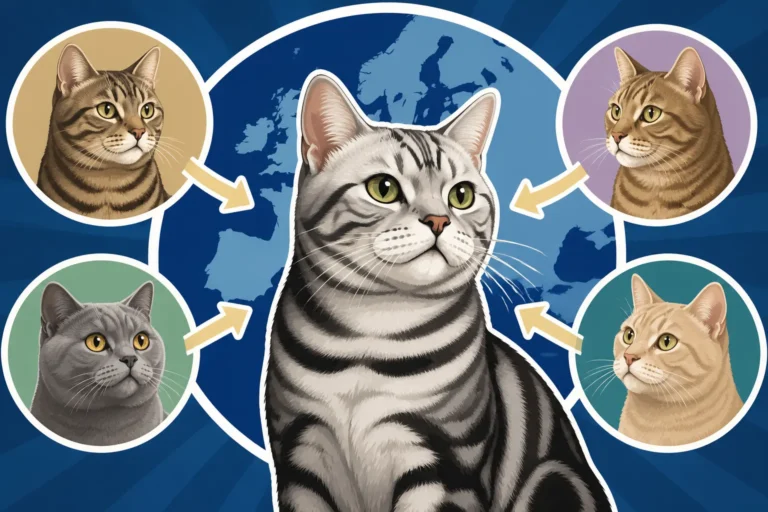
Before they were the recognizable American Shorthair we know today, their ancestors were rugged, no-nonsense cats that embarked on perilous journeys and faced the harsh realities of a new world. Their origins are rooted deeply in practicality, far removed from any initial selective breeding for appearance.
Early Arrivals and Their Essential Role
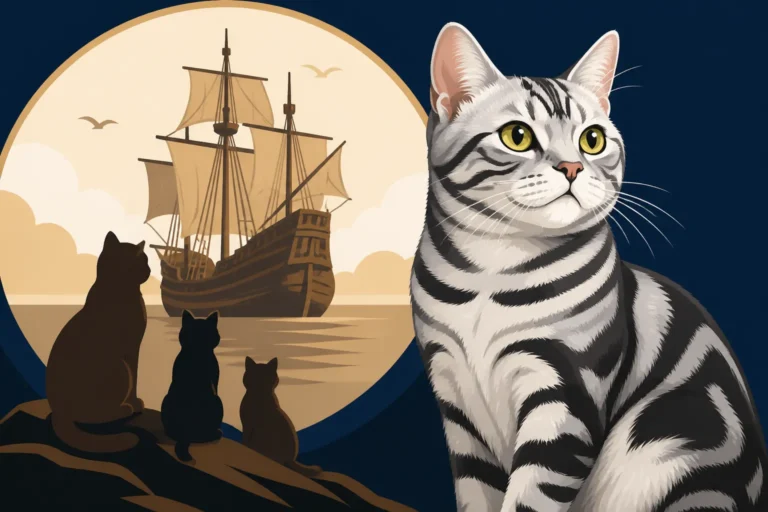
Imagine the cramped, often unsanitary conditions on sailing ships crossing the Atlantic centuries ago. These vessels were breeding grounds for vermin, and the early ancestors of the American Shorthair weren't brought along for cuddles; they were essential crew members. They were the original pest control, keeping rats and mice in check, protecting valuable food stores, and preventing the spread of disease. It was a job that demanded keen hunting instincts, resilience, and adaptability. These cats weren't just passengers; they were critical to the success of voyages and the survival of early settlements. Ships Carried the American Shorthair's Ancestors as Ratters vividly illustrates this crucial role, painting a picture of feline heroes on the high seas.
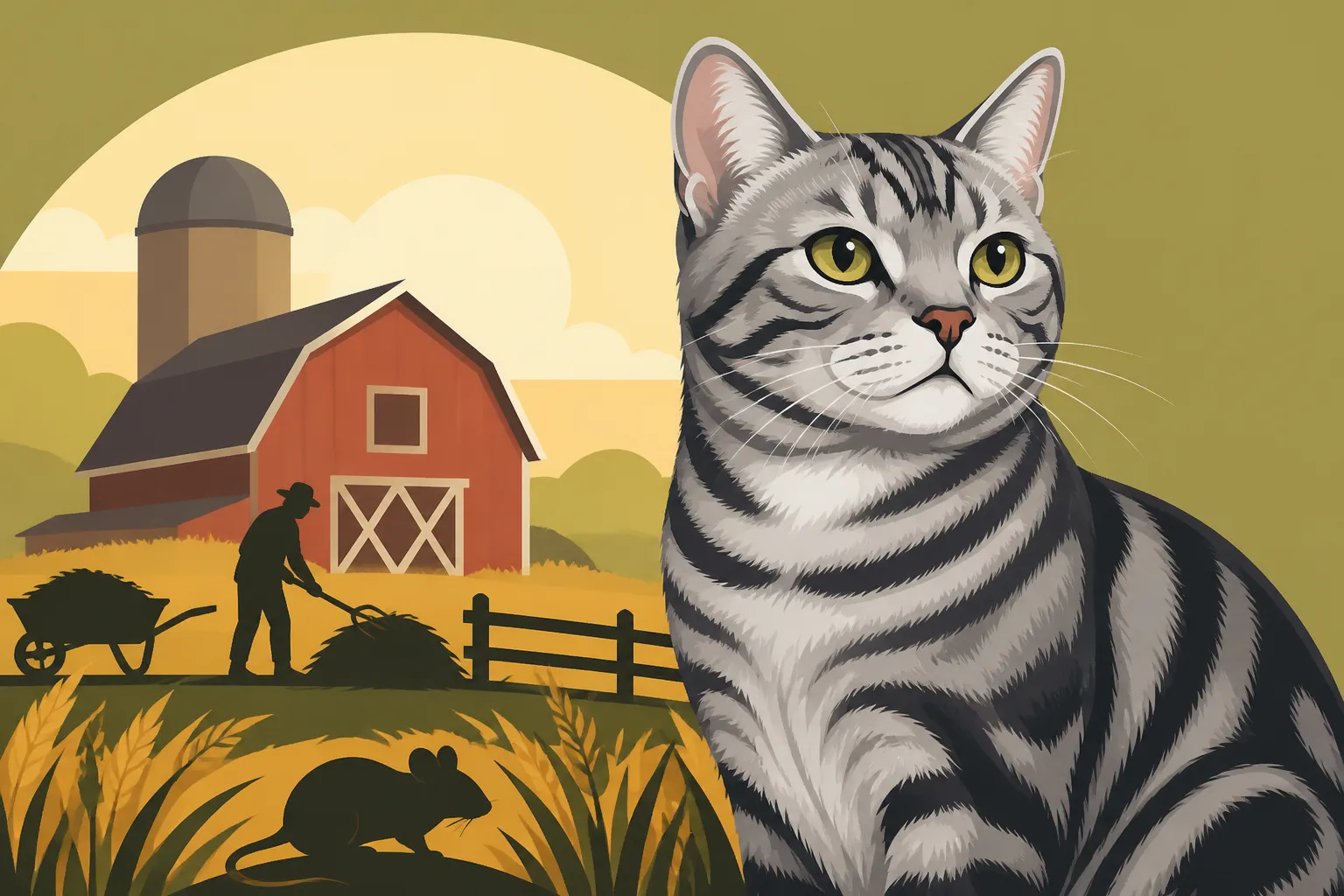
Upon reaching the shores of the New World, these cats didn't suddenly retire. They disembarked into burgeoning colonies and spread across the vast, untamed American landscape. Farms, barns, and frontier homesteads became their new workplaces, and the job remained largely the same: pest eradication. From the bustling port cities to the quiet, isolated farms, a healthy, effective mouser was a prized possession, often considered more valuable than a family pet. This era established the breed's foundational purpose, embedding a work ethic into their very DNA.
Natural Selection on the Frontier
Life on these early American farms was anything but easy, and this environment acted as a powerful filter, honing the traits that would define the American Shorthair. There were no pampered pedigrees or carefully selected breeding programs; survival was the ultimate test. Cats that were frail, sickly, or lacked strong hunting instincts simply didn't thrive. The fittest, most effective hunters were the ones that survived, reproduced, and passed on their genes. This wasn't about aesthetics; it was about efficiency, health, and a keen ability to contribute to the household economy.
This period of natural selection ingrained a remarkable resilience and adaptability. Cats had to be resourceful, capable of finding their own food, defending themselves against predators, and navigating varied terrains and weather conditions. They learned to be wary, yet observant, traits that would manifest as their characteristic calm demeanor and watchful eyes. Their independent nature, so valued by busy farmers who couldn't afford to coddle their cats, was forged in this crucible of self-reliance. How Long the American Shorthair's Type Has Lived in North America speaks to this long history of adaptation and survival.
Physical Traits Forged in the Fields
When you look at an American Shorthair, you're seeing a cat whose physical characteristics are a direct result of generations spent working hard. Every aspect, from their build to their coat, tells a story of utility and endurance rather than mere beauty.
The Muscular, Sturdy Build
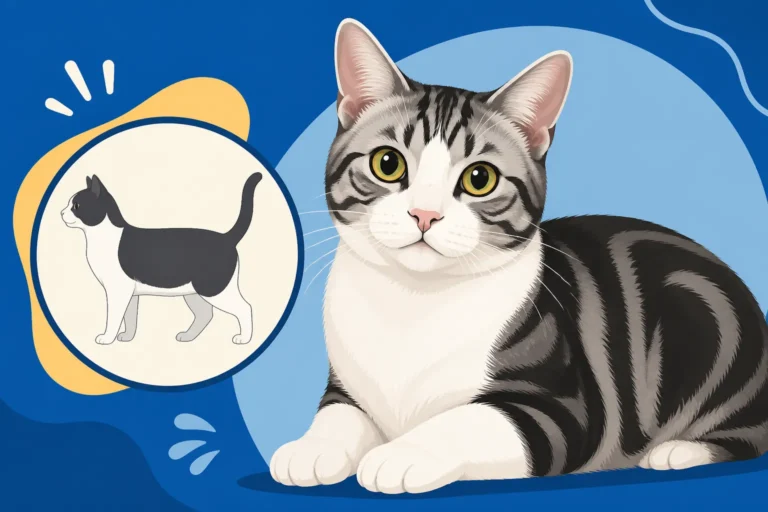
A farm cat's life involved constant movement, from stalking prey through tall grass to leaping onto hay bales and climbing barn rafters. This required a powerful, athletic physique, and the American Shorthair's body is a testament to that need. They are known for their medium to large size, with a solid, well-muscled frame. This isn't a delicate cat; it's a robust one, built for strength and stamina. Their broad chest and powerful shoulders are ideal for springing into action, whether pouncing on a mouse or navigating a complex barn environment. Why the American Shorthair Kept a Broad Chest delves deeper into how this specific trait benefited their working life.
Their legs are of medium length, strong and well-boned, providing stability and agility. This balance allowed them to be both quick off the mark and capable of sustained effort. Imagine a cat needing to chase a rodent across a barn floor, then quickly scale a wall to escape a larger predator, or to simply get a better vantage point. This kind of active, challenging lifestyle shaped their entire musculoskeletal system, making them incredibly durable and less prone to the kind of structural weaknesses sometimes seen in breeds developed purely for looks. This sturdy foundation is why they are often considered a healthy and long-lived breed.
A Coat Built for All Seasons
The American Shorthair's coat is another perfect example of form following function. Unlike some breeds with elaborate, high-maintenance coats, the American Shorthair boasts a dense, hard, and even coat that is remarkably easy to care for. This wasn't by accident; it was a necessity for cats living outdoors, exposed to the elements year-round. This coat provides excellent protection against cold, rain, and minor scratches from brush or encounters with prey. It's a coat designed to shed water and dirt, keeping the cat warm and dry in damp conditions and offering insulation in winter. The American Shorthair's Coat Was Built for Weather, Not a Judge expands on this practical aspect.
Furthermore, the American Shorthair sheds seasonally, with a thicker undercoat developing in colder months and thinning out as temperatures rise. This natural cycle meant they were always appropriately dressed for their environment without human intervention. The short, close-lying hairs meant less risk of matting or snagging on debris, reducing the need for elaborate grooming – a luxury no working farm cat would have had. This self-sufficiency in grooming is a direct legacy of their outdoor, working heritage. Even today, they remain one of the easiest breeds to maintain, requiring minimal brushing, though a good quality brush from Chewy can certainly help manage seasonal shedding indoors.
Keen Senses and Agile Movements
To be an effective mouser, a cat needs more than just strength; it needs finely tuned senses and exceptional agility. The American Shorthair possesses these traits in spades, inherited directly from their ancestors' relentless pursuit of prey. Their eyes are large, bright, and often alert, providing excellent vision, especially in low light conditions, which is crucial for hunting at dawn and dusk. Their ears are medium-sized and set to capture even the faintest rustle of a rodent in the hay. The American Shorthair Still Hunts, Whether You Want It To or Not highlights the enduring strength of this prey drive.
Their agile movements are a marvel to watch, even in a modern home. They are quick, coordinated, and possess an innate balance that allows them to navigate narrow ledges, jump to impressive heights, and land silently. Their paws are rounded, with firm pads, providing excellent traction for climbing and pouncing. These physical attributes weren't developed for show rings; they were honed by the daily grind of survival and pest control on the farm. They are a testament to the fact that every part of the American Shorthair's body was optimized for its primary job.
Temperamental Hallmarks of a Working Cat
Beyond their physical form, farm work ingrained deep temperamental traits into the American Shorthair, shaping their personality in ways that make them distinctive and cherished companions today.
Independence and Self-Reliance
One of the most defining characteristics of the American Shorthair is their strong sense of independence. A farm cat couldn't rely on humans for every meal or constant companionship. They needed to be self-sufficient, capable of hunting for their own food, finding shelter, and handling potential dangers on their own. This led to a breed that is remarkably self-contained and not overly demanding of attention. They enjoy being near their people but aren't typically "velcro cats" that constantly seek to be on a lap. Why a Self Sufficient American Shorthair Copes With a Long Day further explores this aspect of their temperament.
This self-reliance also translates into a calm and adaptable nature. They tend to cope well with being left alone for reasonable periods, as long as their basic needs are met and they have stimulating toys or a good window to observe the world outside. They are not prone to separation anxiety in the way some breeds might be. While they appreciate affection, they will often initiate it on their own terms, choosing when to come for a head rub or to curl up beside you, rather than demanding it incessantly. This makes them an excellent fit for busy families or individuals who appreciate a cat with its own quiet dignity.
Intelligence and Resourcefulness
Survival on a farm required more than just brute strength; it demanded keen intelligence and problem-solving skills. An American Shorthair had to figure out how to outsmart clever rodents, navigate complex environments, and adapt to changing conditions. This legacy is evident in their sharp minds and curious nature. They are quick learners, capable of understanding routines, and often enjoy interactive puzzle toys that challenge their intellect. They can observe and figure things out, whether it's how to open a cupboard or how to get your attention with a subtle nudge.
Their resourcefulness is tied directly to their hunting background. They can entertain themselves, turning a discarded piece of paper or a dust bunny into a fascinating "prey" item if proper enrichment isn't provided. This isn't laziness; it's an ingrained ability to make the most of their surroundings. Providing them with engaging toys, like those found on Chewy, that mimic the hunt can really tap into this intelligent and resourceful side of their personality.
Calm Demeanor and Stoic Nature
Farm life, while active, also required a certain level of calm and observation. A cat constantly in a frenzy wouldn't be an effective hunter. The American Shorthair developed a stoic and steady temperament, characterized by their calm demeanor. They are generally unflappable, taking new situations and changes in stride rather than reacting with panic or extreme anxiety. They're often described as "even-tempered" and "good-natured," qualities that stem from needing to assess situations carefully before reacting.
This calm nature also means they are not typically overly vocal. While they will communicate their needs with soft meows or chirps, they are not known for being chatty or demanding with their voices. This quietness is another holdover from their hunting days, where silence was key to surprising prey. They prefer to observe and react, rather than make a fuss. This makes them wonderful companions for households where excessive noise isn't desired, and for owners who appreciate a cat that expresses affection through quiet presence rather than constant chatter.
The Hunting Instinct: A Lasting Legacy
Even though many American Shorthairs today live a life of leisure, the deep-seated hunting instincts forged on the farm remain a core part of who they are.
A Persistent Prey Drive
The primary job of the American Shorthair's ancestors was hunting, and this instinct is still incredibly strong. Even the most pampered indoor American Shorthair retains a powerful prey drive. They will stalk, pounce, and "kill" toys with a focus and intensity that reveals their heritage. This isn't just play; it's a reenactment of behaviors essential for their survival generations ago. Ignoring this aspect of their nature can lead to frustration and behavioral issues. What an Indoor American Shorthair Does With a Mouser's Instinct offers great insights into this persistent trait.
It's vital for owners to provide ample opportunities for their American Shorthair to express this natural behavior in a safe and appropriate way. Wand toys that mimic birds or rodents, laser pointers (used carefully so they get a "kill" at the end), and small, tossable toys are excellent for engaging their hunting sequence. Without this outlet, they might turn their attention to less desirable "prey" like your ankles or household items. Think of it as keeping their ancestral job alive, even if it's just in play.
Territorial and Observant
Farm cats needed to know their territory intimately – where the best hunting spots were, safe places to retreat, and potential dangers. This has resulted in the American Shorthair being quite territorial and highly observant. They will patrol their homes, often checking on different rooms, looking out windows, and generally keeping tabs on their environment. This isn't necessarily a sign of aggression; it's their way of monitoring their domain, a leftover from protecting their hunting grounds.
They love to observe. A sunny window perch or a cat tree that allows them a good vantage point of the household action, or the world outside, will be a favorite spot. They're taking it all in, processing information, and maintaining their sense of control over their territory. This observational skill makes them incredibly tuned into their environment and the moods of their human companions, even if they don't always show it overtly.
Bringing Home the "Kill"
One endearing, if sometimes messy, manifestation of their hunting legacy is the tendency to bring their "kill" to their human companions. For a farm cat, bringing prey back to a central location, or sharing it, could be a teaching moment for kittens or an offering to the family that provided shelter. Today, an American Shorthair might bring you a favorite toy, proudly depositing it at your feet or even in your bed.
This behavior, though often seen as a gift, is deeply rooted in their instincts. It's a way of sharing their success, involving you in their hunt, or perhaps even seeking praise for their prowess. Acknowledging this behavior positively, even if it means picking up a slobbery toy, reinforces their bond with you and respects this primal part of their nature.
From Barn to Beloved Pet: Adapting a Working Breed
Bringing an American Shorthair into a modern home means understanding and respecting the deep influence of their farm working past. It's about adapting their inherited traits to a domestic lifestyle, rather than trying to erase them.
Managing the Modern American Shorthair's Needs
While they no longer chase rodents for survival, a modern American Shorthair still benefits from a lifestyle that acknowledges their history. This means providing plenty of mental and physical enrichment. Puzzle feeders, for example, can make mealtime more engaging, mimicking the effort their ancestors put into finding food. Making an American Shorthair Work for Its Dinner Again explains how to implement this effectively. Regular, interactive play sessions with wand toys are crucial for satisfying their prey drive and keeping them physically fit.
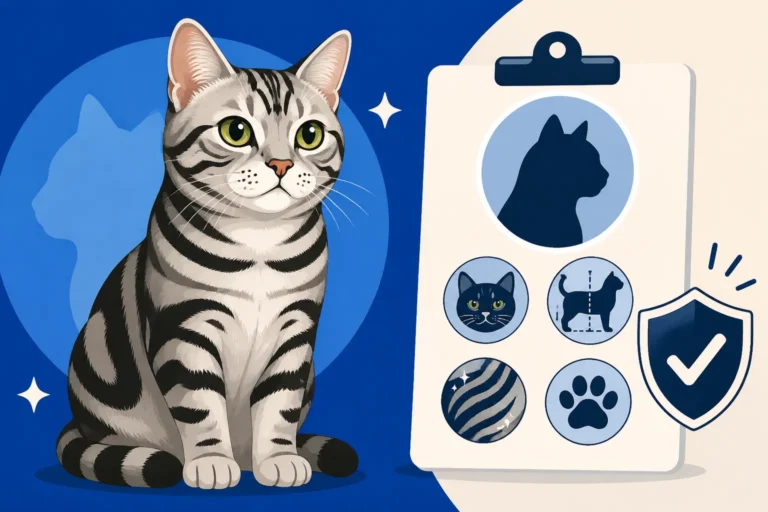
Diet is another key consideration. Their ancestors burned a lot of calories actively hunting and patrolling. Today's indoor American Shorthair doesn't, so managing their portions carefully is vital to prevent obesity, a common issue in many cat breeds. Portioning for an American Shorthair That Once Worked for Meals provides guidance on this. Brands like Chewy offer a wide range of high-quality cat foods, including options specifically formulated for indoor cats, which can help manage calorie intake and provide balanced nutrition without overfeeding. Regular vet check-ups are also important to monitor their health, including screenings for conditions like HCM which, while rare, can affect even healthy breeds. Why an American Shorthair Still Needs a Yearly Heart Scan provides more information on this.
Embracing Their Unique Personality
Living with an American Shorthair means embracing their unique blend of independence and quiet affection. They might not be the most demonstrative cats, but their loyalty and companionship are deep. They will often choose to be in the same room as you, perhaps observing from a nearby chair, offering a comforting presence without demanding constant interaction. Their stoicism means they're generally good with children and other pets, often retreating gracefully if overwhelmed rather than lashing out. An American Shorthair With Children, Dogs and Noise details how well they integrate into various households.
Understanding that their quiet nature isn't a lack of love, but rather a reflection of their self-reliant heritage, helps foster a stronger bond. They communicate through subtle cues – a slow blink, a gentle head-butt, or simply their presence. Appreciating these quiet gestures of affection allows their owners to truly connect with a breed that has evolved from humble beginnings to become a treasured, resilient, and enduring companion. Their ancient farm work shaped them into the adaptable, robust, and charming cats we adore today.
| Trait Type | Farm Working Cat (Ancestor) | Modern Pet American Shorthair |
|---|---|---|
| Physical | Muscular, sturdy build for hunting, climbing, survival. | Retains muscular build; benefits from active play to maintain. |
| Coat | Dense, weather-resistant for outdoor exposure. | Low-maintenance; sheds seasonally, provides natural protection. |
| Senses | Highly acute for spotting/catching prey. | Still keen; enjoys observational spots and interactive toys. |
| Independence | Essential for survival; self-reliant hunter. | Enjoys companionship but not overly demanding; comfortable alone. |
| Intelligence | Resourceful problem-solver for finding food and shelter. | Enjoys puzzle toys, learns routines quickly, curious. |
| Temperament | Calm, observant, stoic under pressure. | Even-tempered, adaptable, generally quiet and unflappable. |
| Prey Drive | Strong, necessary for food. | Persistent; needs outlets through play to prevent frustration. |
| Territoriality | Defined and defended hunting grounds. | Patrols home, observes surroundings, appreciates high vantage points. |
Disclaimer
This article is for general informational purposes only and does not constitute professional advice. Laws, prices and regulations vary by location and change over time. Consult a qualified professional for guidance on your specific situation.