The American Shorthair Was One of the CFA’s Five Founding Breeds
Many cat lovers look at an American Shorthair and might think, "Oh, that's just a fancy tabby," or assume they're no different from the charming stray who showed up on the porch. But beneath that familiar, friendly exterior lies a deep, rich history as one of the very first recognized pedigree cat breeds. This guide will take you on a journey through the surprising origins of the American Shorthair, revealing its pivotal role as a founding member of the Cat Fanciers' Association (CFA), and why it's so much more than "just a cat."
The Humble Beginnings: From Ship's Cat to Household Companion
It’s easy to assume that all pedigree cats began in some grand manor, carefully bred for delicate features. But the American Shorthair’s story is far more grounded, born from necessity and resilience. These aren't creatures of luxury, but of grit and purpose, shaping their robust nature.
Tracing Their Maritime Roots
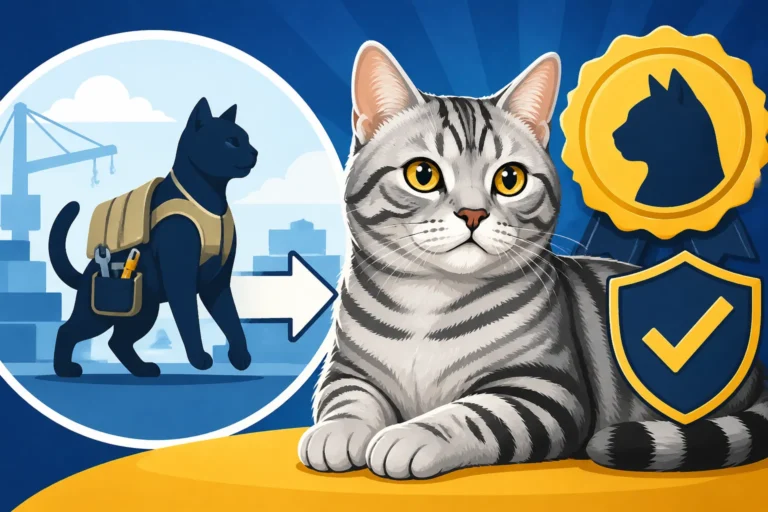
Imagine the early sailing ships, not just crossing the vast oceans laden with goods and people, but also with an essential crew member: the cat. These were not pampered pets, but working animals, indispensable for protecting precious cargo from rats and mice. The ancestors of today's American Shorthair were those intrepid voyagers, making the perilous journey from Europe to the New World. They were valued for their hunting prowess, their sharp instincts, and their incredible hardiness in the face of harsh conditions at sea. These cats weren't bred for their looks or a specific color pattern, but for their ability to survive and, more importantly, to keep the vermin population under control. The Mayflower Cats Behind the American Shorthair
Upon arrival in North America, these ship's cats disembarked and quickly established themselves in the bustling ports and burgeoning settlements. They found new jobs in barns, granaries, and homes, continuing their essential work as pest control. Their ability to adapt to diverse environments, from chilly northern climates to warmer southern regions, speaks volumes about their inherent strength and versatility. They bred freely, their offspring inheriting the same strong, healthy traits that allowed their parents to thrive. It was this natural selection, favoring the fittest and most efficient hunters, that laid the groundwork for the breed we know today.
A Landrace Develops in North America
What exactly is a "landrace," you might ask? Think of it as nature's own breeding program. Instead of humans meticulously selecting parents for specific traits, a landrace develops organically within a geographical region, with individuals adapted to that local environment. The cats that became the American Shorthair were precisely this – a landrace that evolved across North America. They weren't a product of human design, but rather a testament to survival of the fittest in the wilds and nascent towns of a new continent. Their strong, muscular bodies, short, dense coats, and intelligent, independent temperaments were all characteristics that made them exceptional mousers and hardy companions.
Over generations, these cats continued to pass down genes for health, agility, and a balanced disposition. They weren't prone to delicate constitutions or extreme physical features that could hinder their ability to hunt and survive. They were, in essence, the perfect working cat, practical and effective. Their widespread presence meant a broad gene pool, which is a major factor in the overall good health and vitality the American Shorthair is still known for today. This natural, unforced evolution gave them a resilience that many other breeds, developed later under stricter human selection, often lack.
The Dawn of Formal Recognition: Early Cat Fancies and the "Domestic Shorthair" Era
As America grew, so did an appreciation for its native animals. While these sturdy cats had been quietly doing their jobs for centuries, the late 19th and early 20th centuries saw a burgeoning interest in formal cat shows and breed recognition. Suddenly, the common "house cat" was seen through a new lens.
The First Steps Towards Pedigree Status
It's truly remarkable to consider that a cat breed so intrinsically linked to working life eventually found its way into the elegant halls of cat shows. At the turn of the 20th century, cat fanciers in North America began to realize that their native shorthaired cats possessed a unique beauty and conformation, often overlooked because of their commonness. These weren't exotic imports with long, flowing hair or distinctive foreign features; they were the cats you saw everywhere, intelligent and robust. Enthusiasts started gathering these cats, recognizing their uniform good looks and strong builds, and began to consider how to preserve and promote them. When Breeders Started Showing the American Shorthair
Early shows, however, often lumped them into generic categories like "Shorthair" or "Domestic Shorthair." This was a significant hurdle. While fanciers appreciated their qualities, the lack of a distinct, recognized name meant they struggled for equal footing with more "glamorous" foreign breeds. Yet, the seeds were sown. Dedicated individuals saw past the everyday appearance and recognized the intrinsic value of these dependable, friendly, and utterly American cats. They understood that these cats represented a vital part of American history and desired to see them celebrated in their own right, not just as anonymous barn cats.
The Challenge of a Generic Name
The name "Domestic Shorthair" might seem innocuous, but it presented a profound identity crisis for a breed aspiring to pedigree status. Imagine trying to explain to someone that your meticulously bred, registered cat is a "Domestic Shorthair," while their random-bred alley cat is also, technically, a domestic shorthair. The name caused endless confusion and often led to the breed being undervalued and misunderstood. It implied a lack of distinctiveness, suggesting there was no specific lineage, no unique set of characteristics, and no standard to uphold.
This generic label made it incredibly difficult for breeders to differentiate their pedigreed lines from the vast population of non-pedigreed cats that shared similar appearances. It hindered marketing efforts, educational outreach, and, most importantly, the public perception of the breed's legitimacy within the world of purebred cats. Breeders poured their hearts and resources into developing and maintaining these lines, but the name itself undermined their efforts, forcing them to constantly clarify and justify their cats' pedigree status. This frustration eventually became a driving force for change, as fanciers realized a truly distinct name was essential for the breed's future. Why the American Shorthair Was Called Domestic Shorthair Until 1966
The Birth of the CFA and the American Shorthair's Foundational Role
The emergence of formal cat organizations was a game-changer for cat breeding. One organization, in particular, would play a crucial role in establishing the American Shorthair as a recognized and cherished pedigree.
Establishing the Cat Fanciers' Association
The early 20th century marked a pivotal moment for cat fanciers in North America with the establishment of the Cat Fanciers' Association (CFA). Founded in 1906, the CFA quickly became the largest registry of pedigreed cats in the world, aiming to standardize breeds, maintain meticulous records, and promote responsible breeding practices. Its formation was a clear signal that cat breeding was evolving from a hobby into a respected endeavor with established rules and goals. This organization provided the structure and recognition that many dedicated breeders desperately sought, offering a platform to showcase their animals and ensure the integrity of developing breeds.
The founders of the CFA had remarkable foresight. They understood the importance of preserving not just exotic imports, but also native, well-adapted animals that had proven their worth over generations. Their vision was to create a comprehensive registry that celebrated the diversity and inherent qualities of all feline companions, elevating the status of the cat fancy in the public eye. This commitment to documentation and ethical breeding practices would profoundly impact the trajectory of many breeds, including the robust and resilient cats that would eventually be known as the American Shorthair.
One of the Original Five
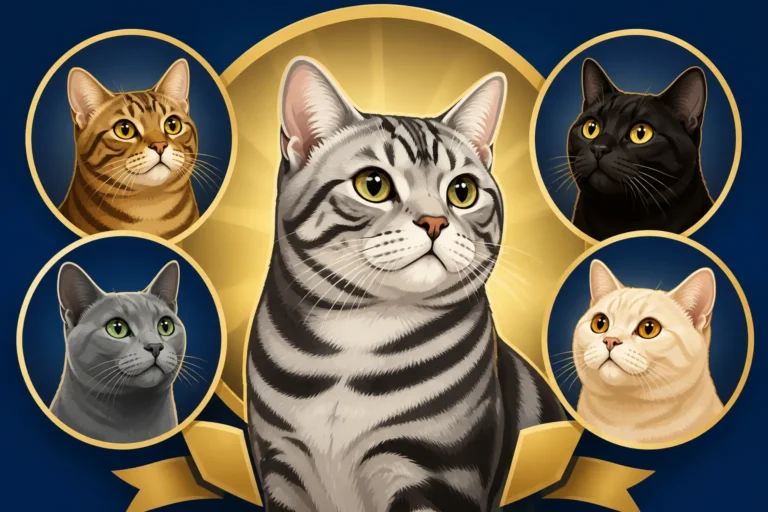
This is where the American Shorthair truly shines in the annals of cat history. When the CFA was established, it didn't just open its doors to any cat; it carefully selected a handful of breeds that would form its foundation. The "Domestic Shorthair," as it was then known, was not merely included, but proudly stood as one of the CFA's original five founding breeds. This wasn't a token gesture; it was a profound recognition of the breed's established type, consistent characteristics, and undeniable presence throughout American homes and farms. To be counted among the first, alongside breeds that would become internationally renowned, speaks volumes about the early appreciation for these native cats.
The other founding breeds are often cited as the Persian, Maine Coon, Abyssinian, and Siamese. For the Domestic Shorthair to be placed in such esteemed company underscored its inherent qualities and the dedication of its early champions. This initial recognition granted them a legitimate status, distinct from the countless non-pedigreed cats that roamed the country. It provided a framework for breeders to continue refining their lines, adhering to a developing standard, and proving that these seemingly "common" cats were, in fact, extraordinary examples of feline excellence. This foundational role ensured their place in pedigree history, setting them on a path toward enduring popularity and respect. Which Five Breeds Founded the CFA With the American Shorthair
Defining the Breed: Early Standards and Characteristics
Once recognized, the serious work of formalizing the breed began. This meant more than just a name; it required a detailed blueprint that would guide breeders and judges alike, ensuring consistency and preserving the qualities that made these cats so special.
Crafting the First Standards
Developing the first breed standard for the American Shorthair, then known as the Domestic Shorthair, was an exercise in capturing centuries of natural selection. It wasn't about creating something new, but about meticulously documenting the ideal form of a working cat that had proven its excellence. Breeders and fanciers gathered, observing the best examples of these cats, noting their robust musculature, broad chests, full-cheeked faces, and keen, intelligent eyes. They described the short, dense coat, perfectly suited for weather protection, and the strong, medium-length legs built for agility and powerful pounces.
The standard became a living document, a detailed description of what an ideal "Domestic Shorthair" should look like, feel like, and even behave like. It covered everything from the shape of the head and placement of the ears to the texture of the fur and the length of the tail. This meticulous process ensured that future generations of pedigreed cats would embody the classic traits of their ancestors, promoting uniformity and preventing the introduction of undesirable characteristics. It was a commitment to preserving the authentic, unpretentious beauty of America's native cat. What the American Shorthair Standard Asks For
Emphasizing Health and Robustness
Perhaps one of the most defining characteristics of the early American Shorthair standard, and indeed its enduring legacy, was the unwavering emphasis on health and robustness. Unlike some breeds that, over time, have been selectively bred for extreme or exaggerated physical traits that can lead to health issues, the American Shorthair's standard always prioritized functionality and a healthy constitution. This was, after all, a breed whose ancestors earned their keep by being fit, agile, and long-lived. Their survival depended on their strength, their keen senses, and their overall physical integrity.
Breeders were encouraged to select for strong bone structure, well-developed musculature, clear eyes, and a dense, protective coat – all features that contributed to a cat's ability to thrive. This focus on natural form and function has resulted in a breed that generally enjoys excellent health and a long lifespan, with fewer inherited genetic predispositions compared to many other pedigrees. It’s a testament to the wisdom of valuing utility and vitality above fleeting aesthetic trends. The American Shorthair continues to be a benchmark for what a healthy, well-adjusted cat should be, a living example of form truly following function. Why the American Shorthair Is Used as a Health Benchmark
The Name Change: From "Domestic Shorthair" to "American Shorthair"
Despite being a founding breed of the CFA, the generic "Domestic Shorthair" name continued to be a source of frustration for breeders. It was a label that failed to capture the breed's distinctiveness and pedigree status, making it easily confused with everyday house cats.
The Identity Crisis of a Pedigreed "Domestic"
Imagine the conversation: "Yes, this is my pedigreed, show-winning Domestic Shorthair." The immediate, often unspoken, response from the listener would likely be confusion or even a polite smirk. "Isn't that just… a house cat?" This was the constant struggle faced by dedicated breeders. The term "Domestic Shorthair" was, and still is, a blanket description for any cat of mixed or unknown ancestry with a short coat. It conveyed no sense of lineage, no unique history, and no specific set of physical or temperamental traits that had been carefully maintained over generations.
Breeders put immense effort into health screening, selective breeding, and adhering to the developing standard, only to have their cats' identity blurred by a generic name. This lack of a distinctive identity within the wider cat fancy community was not just an inconvenience; it actively hindered the breed's growth and recognition. It was incredibly difficult to educate the public about the unique qualities of the pedigreed "Domestic Shorthair" when its name suggested it was interchangeable with any barn cat or shelter resident. The frustration mounted, and a powerful movement began to emerge for a name that would truly reflect the breed's proud heritage and distinct status.
A New Name for a New Era (1966)
The year 1966 marked a monumental turning point for the breed. After years of advocacy and discussion among breeders and the CFA, the decision was finally made to officially change the breed's name from "Domestic Shorthair" to "American Shorthair." This wasn't just a simple rebranding; it was a reclamation of identity and a declaration of distinctiveness. The new name served multiple crucial purposes. Firstly, it proudly highlighted the breed's origins and long history in North America, grounding it firmly in its homeland. Secondly, and perhaps most importantly, it immediately set it apart from random-bred domestic cats.
The name "American Shorthair" instantly conveyed a sense of pedigree, history, and a defined breed standard. It allowed breeders to proudly present their cats without the immediate need for lengthy explanations about their lineage and unique qualities. This strategic renaming elevated the breed's profile, making it easier for the public to understand its status as a distinct, registered purebred cat. It was a triumphant moment, acknowledging the diligent work of breeders and securing the breed's rightful place in the cat fancy as a truly unique and cherished American original. The Rename That Separated the American Shorthair From the Alley Cat
The Legacy of a Founder: Impact and Enduring Appeal
The American Shorthair's journey from humble beginnings to a founding breed of the CFA left an indelible mark on the world of cat fanciers. Its story is one of enduring qualities and a commitment to preserving natural strength.
Cementing Their Place in Cat History
The American Shorthair's inclusion as a CFA founding breed, coupled with its eventual distinctive name, cemented its unique place in the history of cat breeding. It served as a powerful testament to the value of preserving indigenous, naturally developed breeds. In an era when many new breeds were being created through selective breeding for specific, often extreme, aesthetic traits, the American Shorthair stood as a reminder of the inherent beauty and utility found in a cat shaped by centuries of real-world function. Its success demonstrated that a cat didn't need exotic ancestry or flamboyant features to be recognized as a valuable and cherished pedigree.
This breed’s story set a precedent, influencing how future native breeds might be identified and celebrated. It highlighted the importance of a robust gene pool and a focus on overall health and temperament, rather than solely on appearance. The American Shorthair became a symbol of classic feline grace, durability, and a calm, adaptable nature, qualities that continue to resonate deeply with cat lovers today. Its enduring popularity ensures that the principles upon which it was founded – health, function, and a balanced disposition – remain central to its appeal.
A Breed That Stays True to Its Roots
What makes the American Shorthair so special even today is its remarkable consistency. Despite over a century of formal breeding, this cat largely remains true to the characteristics that made its ancestors such successful mousers and beloved companions. They still possess that sturdy, muscular build, a testament to their working heritage. Their keen intelligence, adaptable nature, and generally calm demeanor are traits directly inherited from generations of self-sufficient felines. Modern breeders continue to prioritize these foundational qualities, ensuring that the American Shorthair doesn't drift too far from its roots.
This dedication means that prospective owners can largely expect a cat with a predictable temperament and a robust health profile. They are known for being affectionate without being clingy, playful without being overly hyper, and intelligent problem-solvers. Whether they're tracking a dust bunny under the sofa or engaging with a favorite wand toy, their ancestral hunting instincts are always subtly present. Many owners choose high-quality products from trusted retailers like Chewy to support their American Shorthair's health and provide enriching playtime, knowing that these cats truly appreciate a good hunt, even if it's just for a toy. This commitment to maintaining their natural, balanced characteristics is a key reason for their enduring popularity in homes across the country. How Popular the American Shorthair Is
The Silver Tabby Phenomenon: The Face of the Breed
While American Shorthairs come in a dizzying array of colors and patterns, one particular look has become synonymous with the breed, captivating hearts and dominating show rings for decades.
From Many Colors to One Iconic Image
It's fascinating how a single coat pattern can become the quintessential representation of an entire breed, and for the American Shorthair, that pattern is undeniably the classic silver tabby. While these cats boast a stunning spectrum of colors – from solid black and white to bi-colors, calicos, and various other tabby patterns – the striking contrast of the silver tabby holds a special allure. The crisp black markings, often forming a "bullseye" or swirled pattern on their sides, a distinct "M" on their forehead, and neat bands on their legs and tail, all stand out vividly against a shimmering, clear silver background.
This particular pattern gained immense popularity through the success of early show champions who captured the public imagination. Their photogenic qualities and classic appearance made them stars of the cat fancy world and ideal subjects for breed publicity. The elegance and distinctiveness of the silver tabby helped to differentiate the American Shorthair from other breeds and solidify its visual identity in the minds of cat enthusiasts and the general public alike. It truly became the "poster child" for the breed, embodying its classic American charm and robust beauty. The Silver Tabby That Made the American Shorthair Famous
Marketing a Mousing Cat
The rise of the silver tabby wasn't just about aesthetics; it played a significant role in the American Shorthair's broader marketing and appeal. In a competitive world of emerging cat breeds, having a visually stunning and easily recognizable "face" was invaluable. The silver tabby's distinctive appearance made it instantly identifiable, setting it apart from the more generic perceptions of the "domestic shorthair" that still lingered in some minds. This striking pattern made its way into advertisements, breed books, and even early pet product packaging, becoming the visual shorthand for the pedigreed American Shorthair.
Imagine flipping through an old cat magazine or looking at early branding for cat food; chances are, you'd see a majestic silver tabby American Shorthair staring back at you. This consistent imagery helped to build a strong brand identity for the breed. Even today, when you browse through pet supply websites like Chewy, you'll often encounter images of the silver tabby American Shorthair, a testament to its enduring role as the breed's iconic ambassador. This strategic visual association helped to elevate the breed's status, attract new fanciers, and ensure its recognition beyond the show ring.
Distinguishing the American Shorthair from Domestic Shorthairs
This is perhaps one of the most common points of confusion for those new to the world of pedigreed cats. While they may share a similar look, especially if they are both tabbies, the differences between an American Shorthair and a Domestic Shorthair are fundamental and important.
Beyond Appearance: The Pedigree Difference
At first glance, many people might struggle to tell the difference between a pedigreed American Shorthair and a well-built, non-pedigreed Domestic Shorthair, especially if both sport the common tabby pattern. They might both have sturdy bodies, round heads, and short coats. However, the critical distinction lies not in superficial appearance, but in ancestry and documentation – the pedigree itself. An American Shorthair is a purebred cat with a verifiable lineage, typically tracing back many generations through registration with organizations like the CFA. This means that every cat in its family tree is also a registered American Shorthair, bred to a specific, agreed-upon standard.
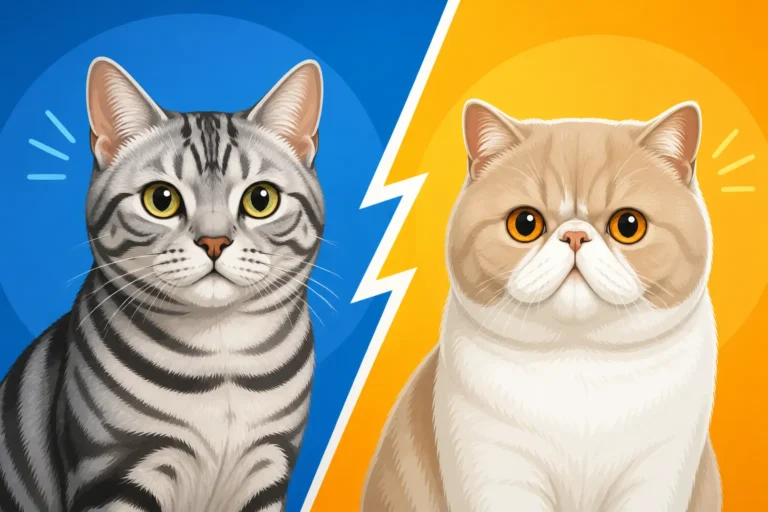
A Domestic Shorthair, on the other hand, is simply a cat of mixed or unknown breed heritage that happens to have a short coat. It could be a delightful, healthy, and affectionate cat, but it doesn't have a documented pedigree or a breed standard that its ancestors were bred to uphold. The American Shorthair's pedigree is its birth certificate, its family history, and its guarantee of adherence to specific breed characteristics, developed and maintained by dedicated breeders. This distinction is paramount in the world of cat fancy, signifying intentional breeding and adherence to a defined breed type. How to Tell a Pedigree American Shorthair From a Domestic Shorthair
Predictability Versus Potluck
One of the most compelling reasons for choosing a pedigreed American Shorthair over a Domestic Shorthair, despite their similar looks, comes down to predictability. When you bring an American Shorthair into your home, you're not just getting a beautiful cat; you're getting a cat whose temperament, general size, build, and even many health predispositions are largely known and anticipated. Breeders work diligently to ensure that their American Shorthairs conform to the breed standard, which includes not only physical traits but also the famously amiable, adaptable, and intelligent temperament. You can expect a cat that is good with children, tolerant of other pets, and generally calm and easygoing.
With a Domestic Shorthair, while you might get an absolutely wonderful companion, you're embracing an element of "potluck." Their genetic background is unknown, meaning their adult size, personality quirks, grooming needs, and potential health issues are much less predictable. Both can make fantastic pets, of course, but for those who desire a certain set of characteristics, the American Shorthair offers a reassuring level of consistency. Knowing your cat's breed can also be helpful when selecting products; for example, if you're shopping for durable toys or specific dietary needs on Chewy, understanding the breed's typical traits can guide your choices. It's about making an informed decision about the kind of companion you want for the next fifteen to twenty years.
| Feature | American Shorthair | Domestic Shorthair |
|---|---|---|
| Origin | Pedigreed breed, traceable lineage from North American landrace cats. | Any cat of mixed or unknown ancestry with short hair. |
| CFA Recognition | One of the five founding breeds (originally as Domestic Shorthair, renamed 1966). | Not a recognized breed by cat registries. |
| Pedigree | Documented, verifiable family tree registered with a cat association. | No documented pedigree. Ancestry is unknown or mixed. |
| Breed Standard | Bred to a specific, detailed standard for appearance, health, and temperament. | No specific breed standard. Appearance and temperament vary widely. |
| Predictability | High predictability in appearance, size, temperament, and general health profile. | Low predictability. Traits can vary significantly. |
| Cost | Typically purchased from a breeder, with a higher initial cost. | Often adopted from shelters or rescues, typically lower adoption fees. |
Disclaimer
This article is for general informational purposes only and does not constitute professional advice. Laws, prices and regulations vary by location and change over time. Consult a qualified professional for guidance on your specific situation.