The Mayflower Cats Behind the American Shorthair
Many cat lovers yearn for a feline friend with a long, storied history, often leading them to question the true origins of the beloved American Shorthair. It’s easy to assume this familiar face is simply a modern creation, bred for looks, but the reality is far more compelling: the American Shorthair's lineage is deeply woven into the very fabric of American history, tracing back to the indispensable working cats that journeyed across oceans with early settlers. This guide will take you on a journey through time, revealing how these resilient "Mayflower cats" evolved into the calm, robust, and cherished companions we know today.
More Than Just a Pretty Face: The American Shorthair's Working Past
When you look at an American Shorthair, you're seeing generations of purposeful breeding for survival and utility, not just aesthetics. These cats weren't pampered pets; they were essential workers. They earned their keep, and their very existence was tied to their ability to perform a vital job, shaping them into the hardy, intelligent creatures we adore. Understanding this working past is key to appreciating the breed's foundational characteristics, which are far removed from the delicate nature of some modern pedigrees.
The Essential Ship's Cat: Pest Control on the High Seas
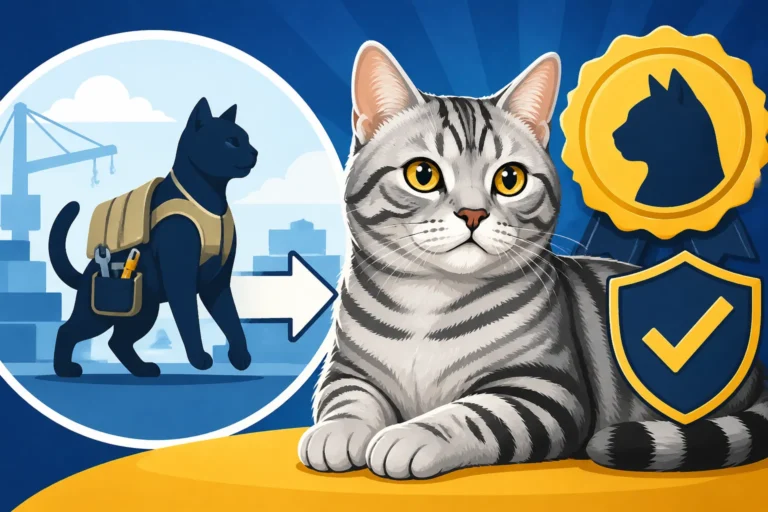
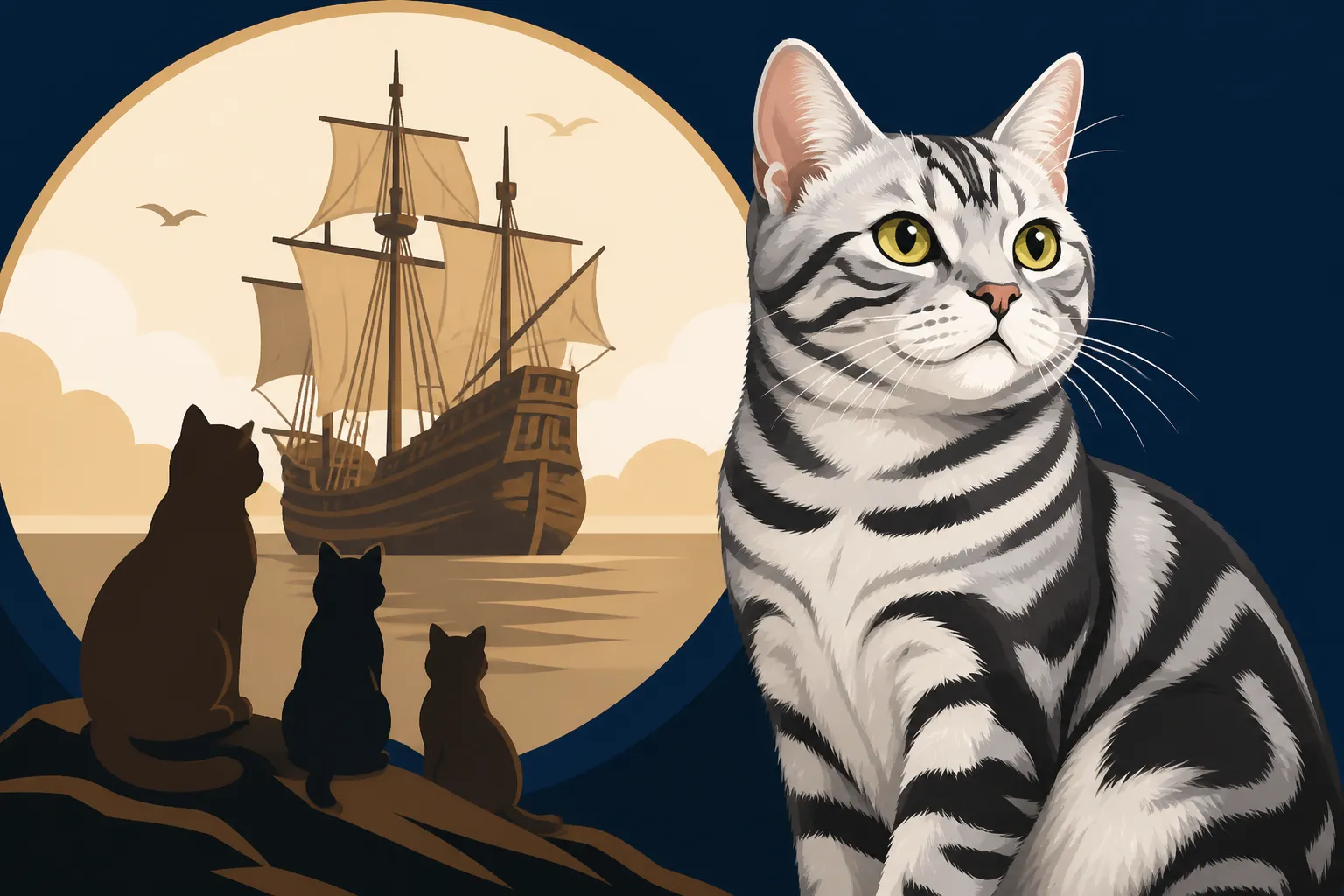
Imagine the cramped, often unsanitary conditions aboard the early sailing ships that traversed the Atlantic. Fresh food was scarce, and pests like rats and mice were an ever-present menace, capable of spoiling provisions, damaging cargo, and even spreading disease among the crew and passengers. In this challenging environment, a skilled hunter wasn't just a luxury; it was a necessity. This is where the ancestors of the American Shorthair truly began their journey.
These cats were brought along specifically for their prowess as rodent catchers, a role they fulfilled with unwavering dedication. They patrolled the decks and holds, keeping the vermin populations in check, thereby protecting vital supplies and preventing the spread of illness. Their very survival depended on their ability to adapt to a constantly shifting, often harsh, environment and to remain effective hunters. This harsh selection process ensured that only the most resilient, intelligent, and physically capable cats made it through, inadvertently laying the groundwork for the robust constitution of today's American Shorthair. Ships Carried the American Shorthair's Ancestors as Ratters describes this vital role in more detail.
Landing on New Shores: Survival of the Fittest
Upon disembarking in the New World, these tough, adaptable cats didn't suddenly retire to a life of leisure. The challenges of colonial America were just as demanding, if not more so, than the ocean voyage itself. The fledgling settlements, burgeoning farms, and expanding communities faced the same persistent problem: rodents. Pests threatened stored grains, harvested crops, and even the structural integrity of early homes, making the cats' services indispensable once again.
These "Mayflower cats," or rather their descendants, rapidly spread throughout the emerging colonies, each generation further honing their survival skills in diverse environments. From the bustling port cities to the quiet, isolated farms, they continued their crucial work, largely fending for themselves and breeding naturally. This period of natural selection, driven by the need for efficiency in pest control, cemented traits like intelligence, resourcefulness, and a strong hunting drive into their genetic makeup. It was a true testament to the principle of "survival of the fittest," where traits that fostered success in their working role were passed down and amplified. Why Early Settlers Wanted an American Shorthair's Ancestors provides further insights into their essential value.
From Barn to Beloved: The Evolution of a Landrace
The term "landrace" is so important when talking about the American Shorthair. It means these cats weren't initially sculpted by human breeders with specific aesthetic goals in mind. Instead, they evolved naturally within a particular geographical region – in this case, North America – adapting to its conditions and performing a specific job. This organic development is precisely why the American Shorthair is such a sturdy, healthy, and easy-going companion today. Their traits were honed by real-world needs, not a show ring.
Life on the Farm: Shaping a Robust Physique
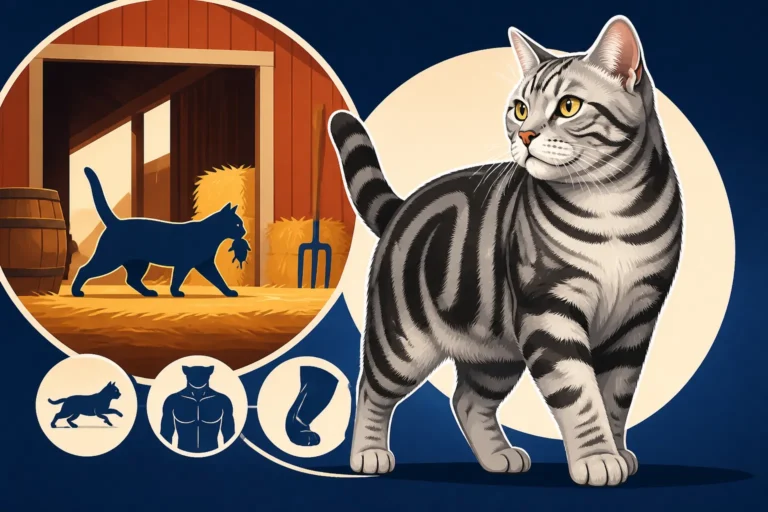
As the colonies grew and agricultural life became the backbone of the nascent nation, the American Shorthair's ancestors found their primary home on farms. Here, their role as pest controllers continued, but the specific demands of farm life further sculpted their physical and temperamental traits. A farm cat needed to be more than just a mouser; it needed to be hardy, agile, and possess immense stamina. They had to navigate barns, fields, and diverse weather conditions, always on alert for their next meal or potential threat.
This rugged outdoor existence fostered the development of a strong, muscular body, a broad chest, and powerful jaws – all ideal for tackling rodents and surviving in a tough environment. Their dense, weather-resistant coats, which we still see today, were perfect for protection against the elements, shedding rain and offering insulation against both cold and heat. Furthermore, the need to interact, or at least coexist, with other animals and humans on a busy farm meant they developed a generally calm and tolerant demeanor, a far cry from the skittishness of truly feral cats. How Farm Work Shaped the American Shorthair delves into how these environmental pressures refined the breed's characteristics.
Genetic Melting Pot: A Broad and Healthy Gene Pool
One of the most remarkable aspects of the American Shorthair's development as a landrace is the sheer breadth of its early gene pool. Unlike many modern pedigreed breeds that originated from a small number of founders or underwent intensive line breeding, the American Shorthair's ancestors were a diverse mix of European domestic cats. These cats bred freely with each other over centuries, crossing and recrossing, which meant a constant infusion of new genetic material.
This extensive genetic mixing acted as a natural safeguard against the accumulation of harmful genetic mutations. When a population has a wide variety of genes, undesirable traits are less likely to become widespread, and beneficial traits can be strengthened. This robust genetic diversity is a primary reason why the American Shorthair is renowned for its excellent health and longevity today. They largely escaped the genetic bottlenecks and inbreeding issues that plague some other breeds, which often result in a higher prevalence of inherited diseases. It's a testament to the wisdom of nature that sometimes, the "unplanned" approach yields the healthiest outcome. Whether a Landrace Origin Explains the American Shorthair's Health discusses this phenomenon in more detail.
The Dawn of Recognition: From Common Cat to Pedigree
It's hard to imagine now, but there was a time when these wonderful, hardworking cats were simply "common cats." They were appreciated for their utility but rarely recognized for any distinct breed characteristics. However, as society evolved and the appreciation for purebred animals grew, some dedicated individuals began to see the inherent beauty and consistent traits within these everyday feline companions. This marked a pivotal shift, transitioning them from anonymous barn cats to a recognized and cherished pedigree.
Early Admirers and the First Cat Shows
Towards the late 19th and early 20th centuries, the concept of "cat fancy" began to gain traction in America. People started to appreciate cats not just for their practical skills but also for their beauty, temperament, and unique characteristics. Enthusiasts, many of whom were drawn to the strong, sturdy, and good-natured domestic shorthaired cats that were so prevalent, began to take notice. They saw a consistent type emerging – a powerful build, a particular head shape, and a variety of coat patterns that were distinct and appealing.
These early admirers started exhibiting these cats at the burgeoning cat shows, initially alongside other breeds. It was a way to showcase the "best of the best" among the general cat population and highlight their desirable qualities. This era represented a crucial first step in formalizing what would eventually become the American Shorthair breed. It was a slow process of recognition, driven by passion and a growing understanding that these were truly special cats, worthy of their own classification. This period laid the groundwork for future breed standards and official recognition, transforming them from mere "house cats" into something more.
The Original "Domestic Shorthair": An Identity Crisis
For many years, even after they began to be shown and admired, these cats were simply known as "Domestic Shorthairs." This name, while descriptive of their coat length, presented a significant problem. It was too generic, encompassing virtually any non-pedigreed cat with short hair. This created an identity crisis for the dedicated breeders who were working tirelessly to establish a consistent type and temperament for their particular line of cats. How could you differentiate a carefully bred, health-tested "Domestic Shorthair" from any random cat found in an alley?
The ambiguity of the name made it difficult to promote the breed, attract serious enthusiasts, and ensure proper recognition of their efforts. It muddied the waters for potential owners who might not understand the difference between a meticulously bred feline with a traceable lineage and a mixed-breed cat. This frustration simmered among breeders who knew their cats represented a distinct and valuable heritage, yet struggled to convey that uniqueness with such a broad, unspecific label. What the Breed Was Called Before American Shorthair dives into this historical naming issue.
The Great Renaming: Forging the American Shorthair Identity
The mid-20th century brought about a monumental change for the breed, one that solidified its identity and elevated its status. The shift from the generic "Domestic Shorthair" to the distinguished "American Shorthair" wasn't just a change in nomenclature; it was a deliberate act to honor the breed's heritage, clarify its unique characteristics, and secure its place among the world's most cherished pedigrees. This renaming was crucial for breeders and enthusiasts alike, providing the clarity and recognition they had long sought.
A Name to Call Their Own: Distinguishing the Pedigree
The frustration with the generic "Domestic Shorthair" label reached a tipping point in 1966. Breeders and fanciers knew they had something special – a robust, good-natured cat with a clear lineage tracing back to the nation's earliest days. They felt that the current name did a disservice to the meticulous work involved in developing and maintaining the breed's specific traits. It failed to convey the care, effort, and historical significance that separated their cats from the vast population of unpedigreed shorthaired felines.
The decision to rename the breed to "American Shorthair" was a strategic and deeply symbolic one. It proudly acknowledged the cat's origins and long history in North America, grounding it firmly in its homeland. More importantly, it created a clear distinction between the pedigreed breed, with its established standards and documented lineage, and the myriad of mixed-breed "domestic shorthairs." This new name allowed the breed to stand tall, recognized for its unique identity and rich heritage, finally giving it the dignity and clarity it deserved. Why the American Shorthair Name Changed in 1966 explores the motivations behind this significant rebranding.
Solidifying the Breed Standard
With a new, distinctive name came a renewed focus on solidifying and adhering to a precise breed standard. The "American Shorthair" now had a clear identity, and breeders were committed to ensuring that every cat registered under this name truly embodied the ideal characteristics. The breed standard, meticulously outlined by organizations like the Cat Fanciers' Association (CFA), became the blueprint for the perfect American Shorthair. This wasn't about reinventing the cat; it was about defining and preserving the best qualities that had naturally emerged over centuries of adaptation and selection.
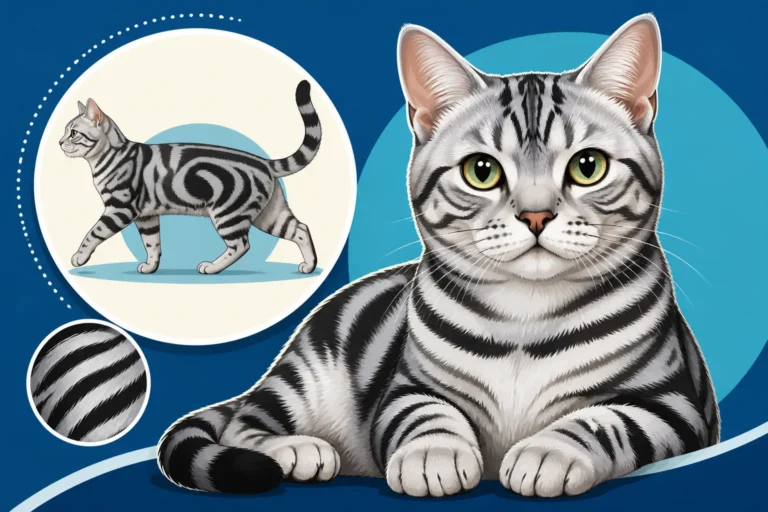
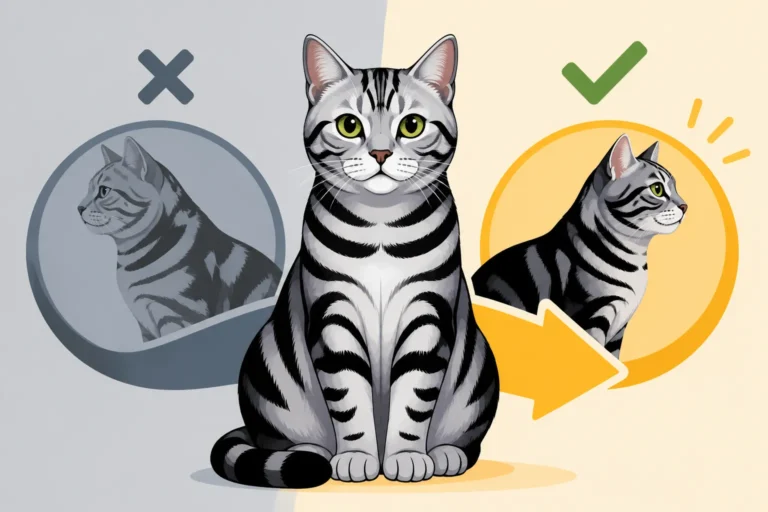
The standard described everything from the cat's substantial, well-muscled body and broad chest to its large, expressive eyes and medium-length, even-textured coat. It emphasized the importance of a round, open face, sturdy legs, and a calm, adaptable temperament. These guidelines ensured consistency in breeding efforts, preventing deviation from the established type and maintaining the robust health and conformation that had made these cats so successful in their historical roles. It allowed breeders to work towards a common goal, ensuring that the "American Shorthair" remained true to its roots while being recognized as a distinguished pedigree. What an American Shorthair Looks Like by the Standard gives a comprehensive overview of these characteristics.
The Enduring Legacy of the American Shorthair's Ancestors
It's truly fascinating how centuries of history, toil, and adaptation can leave an indelible mark on a living creature. The American Shorthair isn't just a cat with a cool name and a pretty pattern; it's a living echo of its hardworking ancestors. Every characteristic, from its muscular build to its quiet demeanor, tells a story of survival and purpose. This deep connection to its past is what makes owning an American Shorthair such a unique and rewarding experience. You're not just bringing a pet into your home; you're welcoming a piece of living history.
Instincts That Persist: The Hunter Within
Even if your American Shorthair has never seen a mouse outside of a toy, the formidable hunting instincts of its ancestors are undeniably present. These cats were bred for generations to be effective predators, and that drive doesn't simply disappear because they now live a comfortable indoor life. You'll observe it in their intense focus when a fly buzzes past, their stalking gait as they approach a favorite toy, or the way they "chatter" at birds outside the window. This innate predatory sequence – stalk, chase, pounce, bite – is deeply ingrained.
For owners, understanding this persistent instinct is crucial for providing appropriate enrichment. A simple bowl of food isn't enough to satisfy the ancient hunter within. They thrive on interactive play that mimics the hunt, like feather wands or toys that they can "catch" and "kill." Without outlets for this natural behavior, an American Shorthair might become bored, restless, or even invent their own "hunts" with your ankles or household items. Providing engaging toys and regular play sessions isn't just fun; it's essential for their mental and physical well-being. How Strong an American Shorthair's Hunting Drive Is further illustrates this powerful instinct, and you might find great interactive toys on Chewy to satisfy this need.
Resilience and Adaptability: Traits for a Modern World
The ancestors of the American Shorthair faced incredible challenges – long sea voyages, harsh colonial environments, and the rigors of farm life. They survived and thrived precisely because they were incredibly resilient and adaptable. These traits, honed over centuries, are still very much alive in the American Shorthair today, making them exceptionally well-suited to a variety of modern households. They are typically calm, unflappable cats who take change in stride.
Moving to a new home, the arrival of a new family member (be it human or animal), or even a shift in daily routine usually doesn't faze an American Shorthair as much as it might a more sensitive breed. They possess a quiet confidence and an ability to assess and adjust to new situations without excessive stress. This resilience translates into a cat that is generally low-maintenance in terms of emotional needs, making them fantastic companions for busy families, first-time cat owners, or even those seeking a stable, comforting presence in their lives. They are truly masters of quiet observation and gradual integration, proving that their ancestors' lessons in survival still serve them well. What an American Shorthair Bred Only for Usefulness Turns Out Like gives further insight into these foundational characteristics.
Debunking Myths: What "Mayflower Cat" Really Means Today
When we talk about "Mayflower cats," it's easy for imaginations to run wild with images of specific feline passengers stepping off the Mayflower itself. While it's a romantic and enduring image, it's important to understand the nuance of this historical connection. It's less about a direct, documented lineage from a specific ship and more about the symbolic origin and the spirit of the cats that shaped the breed. Understanding this helps us appreciate the true depth of the American Shorthair's heritage without getting lost in folklore.
The Spirit, Not the Lineage
Let's be clear: there isn't a single, verifiable registry of feline passengers from the Mayflower or any other specific colonial ship that directly traces to a modern American Shorthair. The "Mayflower cat" designation is more of a metaphorical and ancestral connection. It refers to the type of cat – the common domestic shorthaired cats from Europe – that were brought to North America by early settlers. These were the hardy, self-sufficient working cats whose descendants, through centuries of natural selection and later, selective breeding, became the American Shorthair.
So, while your American Shorthair can't claim a direct ancestor named "Pouncey" who sailed with the Pilgrims, it embodies the spirit and genetic legacy of those early feline pioneers. It means they share the same fundamental characteristics: a strong hunting drive, robust health, adaptability, and a calm disposition. This spirit is what truly links them to those first cats that stepped onto American soil, performing vital services and laying the foundation for what would become a beloved national breed. How Long the American Shorthair's Type Has Lived in North America expands on this long-standing presence.
Why the History Matters for Today's Owners
Understanding the "Mayflower cat" history isn't just a fun trivia fact; it provides crucial insights for contemporary American Shorthair owners. This historical context explains why your cat behaves the way it does, why it has the physical traits it possesses, and why it generally enjoys such good health. It helps you connect with your cat on a deeper level, appreciating the centuries of evolution that have shaped its very essence.
For instance, knowing that your American Shorthair descends from working cats helps you understand its need for mental and physical stimulation, even indoors. It clarifies why they might be more independent than some "lap cat" breeds, preferring to patrol their territory rather than constantly demand attention. This background also underscores their remarkable health and resilience, offering peace of mind to owners. In a world where many pedigreed breeds face health challenges due to narrow gene pools, the American Shorthair's robust heritage is a point of pride and a benefit to its owners. It makes choosing an American Shorthair more than just picking a pretty cat; it's choosing a cat with a profound and beneficial past. And when looking for robust cat food or durable toys that respect this heritage, you'll often find excellent options on Chewy.
Choosing an American Shorthair: What the "Mayflower" Lineage Implies for You
Deciding to welcome an American Shorthair into your life is a wonderful choice, and understanding their "Mayflower cat" lineage only enriches the experience. This background isn't just about ancient history; it has direct implications for what kind of companion you can expect and how best to care for them. It speaks to their temperament, their needs, and even their potential lifespan. You're not just getting a cat; you're getting a piece of living history, designed by necessity and refined by time.
Expecting a Self-Reliant Companion
One of the most defining characteristics passed down from the American Shorthair's working ancestors is their remarkable self-reliance. These were cats that, for centuries, largely fended for themselves, whether on ships, in burgeoning settlements, or on sprawling farms. They didn't have humans constantly catering to their every whim; they had to be resourceful, independent, and capable of solving their own problems. This history means that today's American Shorthairs are typically not needy or overly demanding cats.
They often enjoy their own company and are content to patrol their territory, observe their surroundings, and engage in independent play. While they certainly form deep bonds with their human families and appreciate affection, they aren't generally "velcro" cats that constantly demand attention. This makes them an excellent choice for individuals or families with busy schedules who might not be able to provide constant interaction but still want a loving and present feline companion. They'll greet you at the door, settle nearby for a quiet evening, but are also perfectly happy to entertain themselves. This self-sufficiency is a hallmark of their ancient lineage, and it’s one of the reasons many owners adore them. If you're pondering Why Anyone Waits for an American Shorthair That Looks Like a Shelter Cat, this independent spirit is a key factor.
A Heritage of Health and Longevity
Perhaps one of the most reassuring aspects of the American Shorthair's "Mayflower cat" heritage is its reputation for excellent health and a long lifespan. As discussed earlier, their development as a landrace with a broad gene pool, rather than through intensive selective breeding for extreme aesthetic traits, has largely protected them from many of the inherited health issues that plague some other pedigreed cats. Their bodies were shaped by function and survival, leading to a naturally robust constitution.
While no cat is entirely immune to illness, American Shorthairs are generally considered a hardy breed, often enjoying long, active lives well into their teens and even beyond. This doesn't mean skipping vet check-ups, of course! Regular veterinary care, a balanced diet, and an appropriate exercise regimen are still essential. However, owners can often breathe a sigh of relief knowing they've chosen a breed with a strong genetic foundation for good health, a direct benefit of their diverse and unadulterated ancestry. It's a testament to the fact that sometimes, the simplest and most natural path leads to the healthiest outcome.
| Characteristic | American Shorthair (Pedigreed) | Domestic Shorthair (Random Bred) |
|---|---|---|
| Origin | Descended from European working cats, formally recognized breed | Diverse ancestry, common housecat with short hair |
| History | Centuries of natural selection in North America, then formal breeding from late 19th century | Evolved locally, no formal breeding history |
| Temperament | Typically calm, adaptable, independent, intelligent, friendly | Varies widely based on individual genetics and upbringing |
| Physical Build | Sturdy, muscular, broad chest, round face, consistent standard | Variable, can be lean, medium, or robust, no set standard |
| Coat Type | Dense, hard, even-textured, weather-resistant | Variable, can be soft, coarse, or fine |
| Health | Generally robust, broad gene pool, lower incidence of genetic issues | Variable, can be very healthy or prone to random issues |
| Purpose | Historically working cat, now companion animal | Historically working cat, now companion animal |
| Recognition | Recognized by major cat registries (CFA, TICA, etc.) | Not recognized as a breed, often called "moggy" or "mutt" |
| Predictability | High predictability in traits, temperament, and appearance | Low predictability in traits, temperament, and appearance |
This table helps illustrate some of the key differences, particularly How an American Shorthair Differs From a Domestic Shorthair, highlighting that while they may share superficial similarities, the American Shorthair's lineage brings a level of consistency and predictability that simply isn't present in a random bred domestic shorthair.
Disclaimer
This article is for general informational purposes only and does not constitute professional advice. Laws, prices and regulations vary by location and change over time. Consult a qualified professional for guidance on your specific situation.