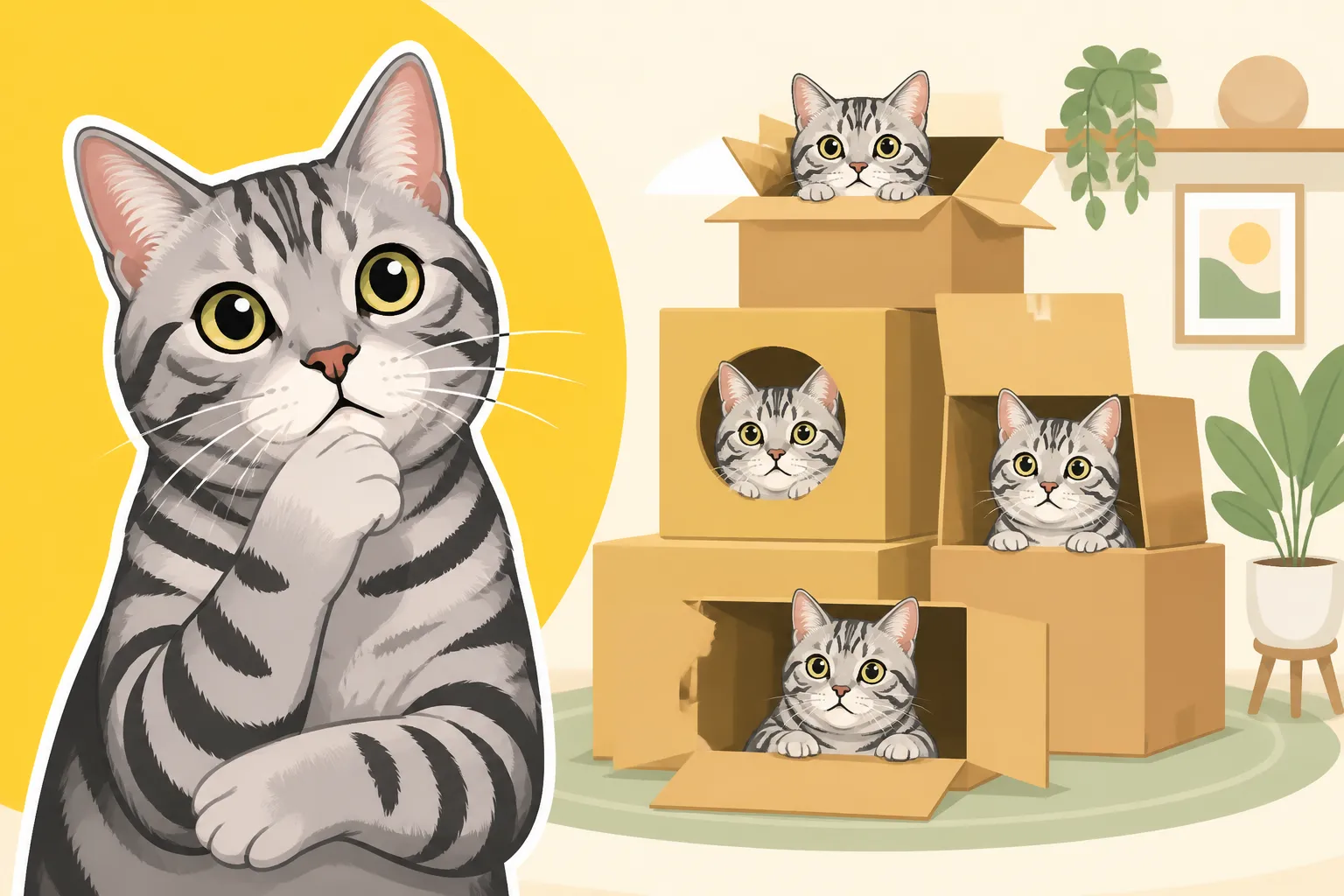
How Many Boxes an American Shorthair Household Needs
It’s a common scenario for cat parents: you’ve got a wonderful American Shorthair, perhaps even a couple of them, and you’re trying to figure out the perfect litter box setup. The frustration often comes from those unexpected "accidents" or the subtle signs of dissatisfaction that leave you wondering if your feline friend truly feels comfortable with their bathroom arrangements. This guide is here to shed light on exactly how many litter boxes your American Shorthair household genuinely needs to keep everyone happy, healthy, and mess-free.
The Golden Rule of Litter Boxes and Why It Matters for Your American Shorthair
We often think of litter boxes as a simple utility, a place for our cats to do their business. But for an American Shorthair, a breed known for its calm demeanor yet underlying territorial instincts, the litter box situation is far more nuanced. Getting it wrong can lead to stress, avoidance, and even serious health issues. The key here isn't just having a litter box, but having enough of them, placed correctly, to cater to their natural behaviors and needs.
Understanding the "N+1" Rule for Multi-Cat Homes
If you have more than one American Shorthair gracing your home, you’ve probably heard of the "N+1" rule. This isn't just some arbitrary guideline; it's a fundamental principle for maintaining peace and preventing litter box aversion, especially in a multi-cat household. The "N" stands for the number of cats you have, and the "+1" means you should always add one extra litter box to that total. So, if you have two American Shorthairs, you'd ideally want three litter boxes. For three cats, four boxes, and so on.
Why is this so crucial for your American Shorthairs? These cats, while generally laid-back, retain a strong sense of their territory, inherited from generations of self-sufficient ancestors. In a multi-cat environment, each cat needs to feel they have safe, accessible options for elimination, without having to compete or wait for another cat. This reduces stress significantly. If one box is "claimed" or simply occupied, having a spare means nobody feels pressured or forced to hold it, which can lead to urinary tract issues or, more commonly, deciding that your favorite rug makes an excellent alternative. Ensuring ample choices respects their individual space and helps prevent squabbles over resources, which might manifest as subtle blocking or overt intimidation at the litter box.
Single American Shorthair? You Might Still Need More Than One
Even if you’re the proud parent of just one majestic American Shorthair, don't assume a single litter box is sufficient. Many cat behaviorists, myself included, will still recommend at least two litter boxes for a single cat, for a few compelling reasons. Think about it from your cat's perspective. Would you want to use the same bathroom for everything, all the time, especially if it wasn't perfectly clean?
Many cats, including American Shorthairs, have a natural preference to separate their urination and defecation. They might use one box for peeing and another for pooping. This isn't universal, but it's common enough to warrant providing the option. Furthermore, having a backup box can be incredibly useful. If one box is temporarily unavailable (perhaps you're cleaning it, or it's simply gotten a bit too "used" for your cat's discerning tastes), they have an immediate alternative. This prevents them from seeking out less desirable spots around your home. Consider the size of an American Shorthair, too; they are sturdy, well-built cats, and a single, standard-sized box might feel cramped for comfort and proper digging. Having two boxes, perhaps in different locations, gives them choice and comfort, promoting healthy litter box habits.
Factors Influencing Litter Box Quantity Beyond the Basic Count
While the N+1 rule gives us a great starting point, the ideal number of litter boxes for your American Shorthair isn't just a simple calculation. Several other factors come into play, from their robust physique to their golden years, all of which demand careful consideration to ensure their comfort and well-being. Overlooking these aspects can lead to behavioral issues, making it seem like your American Shorthair is being "naughty" when, in reality, they're just trying to communicate a need.
American Shorthair's Size and Preference for Spacious Digs
The American Shorthair isn't a dainty breed. They are medium to large cats, known for their powerful, muscular build and square frame. This means they need space – real space – when they’re doing their business. A standard, small litter box might feel like a cramped closet to them, making it difficult to turn around, dig comfortably, and properly cover their waste. Imagine trying to use a tiny bathroom that you can barely fit into; it’s not pleasant.
For an American Shorthair, a box that's too small can lead to them perching awkwardly on the edge, or worse, eliminating outside the box entirely because they can't get comfortable inside. Look for generously sized litter boxes. Many manufacturers offer "jumbo" or "extra large" options, which are far more suitable. The dimensions should allow your American Shorthair to stand fully inside without their head or rear touching the sides, and with enough room to dig and turn around with ease. Think about what a truly comfortable "restroom" would look like for a cat that can reach What an American Shorthair Weighs at One and How Much Is Left when fully grown. A bigger box makes them feel secure, clean, and respected in their elimination habits. Many excellent large options can be found on sites like Chewy or Amazon.
Age and Mobility Considerations for Your Long-Lived Companion
The needs of your American Shorthair will change throughout their life, and their litter box setup should adapt accordingly. What works for a spry kitten won't necessarily be ideal for a senior cat, and vice-versa. Being proactive about these changes can prevent many common age-related issues.
For kittens, accessibility is paramount. They're still learning, and sometimes the urge hits fast! Having several easily accessible, low-sided boxes spread throughout the house can minimize accidents during the learning phase. As they mature, their agility allows for a wider range of box types. However, once your American Shorthair enters their senior years, typically around 11-12 years old, mobility often becomes a concern. Just like humans, older cats can develop arthritis or other joint issues, making it painful to step over high edges or navigate stairs multiple times a day. If you've ever seen How an Old American Shorthair Shows Its Joints Hurt, you know how subtle their signs of discomfort can be. For these wise elders, shallow-entry litter boxes are a godsend. If you live in a multi-story home, ensure there is at least one litter box on each floor that is easily reachable, even if it means placing an extra one temporarily. Their stoic nature might mean they hide their pain until it's severe, so anticipating their needs before they show obvious signs of struggle is key.
Strategic Placement and Type of Litter Box for American Shorthairs
It's not enough to simply have the right number of litter boxes; where you put them and what kind you choose are equally vital. For a self-reliant and observant breed like the American Shorthair, these details contribute significantly to their sense of security and willingness to use the facilities you've provided. Improper placement or an unsuitable box type can undermine all your good intentions.
Where to Put Them: Maximizing Accessibility and Minimizing Stress
The location of your American Shorthair's litter boxes is critical to their success. Cats, including our composed American Shorthairs, value privacy and security when they're vulnerable. This means avoiding high-traffic areas where they might be startled by sudden movements or loud noises. Think quiet corners, spare bathrooms, or laundry rooms, as long as they aren't too noisy or prone to disruptions.
Additionally, placement isn't just about quiet; it's about escape routes. A cat should never feel trapped in a litter box. Placing a box in a tight corner with only one exit can make them feel vulnerable, as if they could be ambushed while doing their business. Ensure they have clear sightlines and multiple ways to exit the area if they feel threatened. Also, a big no-no is placing litter boxes directly next to their food and water bowls. Imagine eating your dinner in the bathroom – it’s just not appealing, and cats feel the same way. Keep their dining and elimination zones separate, much like we discussed when considering Why an American Shorthair Should Eat Away From Other Cats. In multi-story homes, the rule of thumb is at least one box per floor, ensuring that even an older or less mobile cat doesn't have to trek too far when nature calls. This strategic scattering of boxes around the home is far more effective than consolidating them all in one spot, especially in a larger house.
Open vs. Covered Boxes: What an American Shorthair Might Prefer
The great debate: open versus covered litter boxes. While covered boxes seem like a neat solution for human sensibilities, trapping odors and hiding unsightly waste, they often aren't a cat's first choice. American Shorthairs, with their innate need to survey their surroundings and be aware of potential threats, generally prefer open litter boxes.
An open box allows them to maintain a clear line of sight, ensuring no surprises while they're vulnerable. Covered boxes, on the other hand, can feel like a cramped, dark cave, which can be particularly intimidating for a larger breed like the American Shorthair. They also tend to trap odors inside, making the environment much less pleasant for a cat's sensitive nose. If the smell is overwhelming, your American Shorthair might decide to find a more "fresh" spot to go. The trapped air can also exacerbate respiratory issues for some cats. While some cats tolerate or even prefer covered boxes due to a need for extreme privacy, most will appreciate the openness. If you're unsure Whether a Covered Box Suits an American Shorthair, try offering both types and observe which one your cat gravitates towards. You can find a wide variety of both open and covered boxes on retailers like Chewy, allowing you to experiment with your cat’s preferences.
Keeping Them Clean: The Ultimate Factor in Litter Box Acceptance
No matter how many litter boxes you have or how perfectly they're placed, none of it matters if they aren't kept meticulously clean. For an American Shorthair, a breed known for its fastidious grooming habits and general cleanliness, a dirty litter box is an absolute deal-breaker. A lack of cleanliness is one of the top reasons cats develop litter box aversion, leading to frustrating and potentially costly accidents outside the designated area. Their expectations for a sanitary restroom are surprisingly high.
Daily Scooping is Non-Negotiable, Especially with Multiple Cats
This really can't be stressed enough: daily scooping is the bare minimum, and in many cases, twice-daily scooping is even better. American Shorthairs, like most cats, are incredibly clean animals. They instinctively want to bury their waste, keeping their territory clean and camouflaging their scent from potential predators (even if the only predator in your home is the vacuum cleaner). If a litter box is already full of waste, they might feel there's no clean spot left to dig or eliminate.
In a multi-cat household, where competition for "clean" spots can be even higher, daily scooping becomes even more critical. Think of it this way: the cleaner the box, the more likely it is to be used. A dirty box sends a clear message to your American Shorthair: "This isn't a hygienic place for me to go." This subtle but powerful communication can quickly lead to your cat choosing a cleaner, albeit inappropriate, spot. Consistency is key here. Make scooping a part of your daily routine, perhaps morning and evening, to ensure their facilities are always up to their exacting standards. You'll thank yourself when you don't have to deal with accidents, and your cat will thank you by using their boxes reliably.
Full Litter Changes and Deep Cleaning Routines
Beyond daily scooping, a regular schedule of full litter changes and deep cleaning of the boxes themselves is essential. Even with the best scooping habits, litter becomes saturated with odors and bacteria over time, making it less appealing to your American Shorthair. Different types of litter will have varying recommendations for full changes, but generally, clumping clay litter should be completely replaced and the box scrubbed every 2-4 weeks. Non-clumping litters, which don't allow for daily removal of urine, might need even more frequent full changes, perhaps weekly.
When performing a full change, don't just dump the old litter and refill. Empty the box completely, and then scrub it thoroughly with warm water and a mild, unscented soap. Avoid harsh chemical cleaners or strong-smelling disinfectants, as these odors can be irritating or even offensive to a cat's sensitive nose, making them reluctant to use the freshly cleaned box. A simple dish soap or even just baking soda and water works wonders. Rinse the box thoroughly and ensure it's completely dry before adding fresh litter. This routine, combined with daily scooping, ensures the boxes remain pristine and inviting, reinforcing positive litter box habits for your American Shorthair. It’s a small effort that pays huge dividends in a harmonious home environment.
Here's a quick reference to help you decide on your litter box setup:
| Number of American Shorthairs | Minimum Number of Litter Boxes | Key Considerations | Recommended Box Type | Cleaning Frequency (Scoop/Full Change) |
|---|---|---|---|---|
| 1 Cat | 2 | Provide choice, separate urination/defecation spots. | Large, Open | Daily / 2-4 weeks |
| 2 Cats | 3 | Reduce competition, prevent territorial disputes. | Large, Open | 1-2 times daily / 2-4 weeks |
| 3 Cats | 4 | Ensure ample options for all, especially with varying cat personalities. | Large, Open | 1-2 times daily / 2-4 weeks |
| Senior Cat (any count) | +1 accessible low-entry | Easy access for aching joints, multiple locations needed. | Large, Low-entry | Daily / 2-4 weeks |
Ultimately, providing enough litter boxes, keeping them sparkling clean, and placing them thoughtfully are acts of love that show you understand and respect your American Shorthair's intrinsic needs. This attention to detail will lead to a happier cat and a much more harmonious home for everyone.
Disclaimer
This article is for general informational purposes only and does not constitute professional advice. Laws, prices and regulations vary by location and change over time. Consult a qualified professional for guidance on your specific situation.