What an American Shorthair With No Designer Defect Gets Instead
It's easy to fall into the trap of thinking that because American Shorthairs aren't plagued by the myriad of "designer defects" seen in some other pedigreed breeds, they're somehow immune to health issues. We often hear about their robust nature and long lifespans, and while this is largely true and something to celebrate, it can also lead to a false sense of security. The reality is, while they may not suffer from the extreme structural issues or rampant genetic problems engineered into some cats, American Shorthairs are still living beings who face their own unique set of challenges, especially as they age or adapt to modern indoor lifestyles. This guide will walk you through the real health concerns that do affect these wonderful, sturdy cats, helping you understand what to watch for and how to provide the best care throughout their lives.
The American Shorthair's Natural Resilience and Hidden Realities
The American Shorthair has long been championed as the epitome of a healthy, natural cat. Their history as working cats, bred for function rather than extreme aesthetics, has endowed them with a strong constitution and a generally low incidence of the more dramatic health problems that plague some other breeds. This reputation is well-earned, reflecting centuries of natural selection for survival and utility.
Understanding the "Control Group" Reputation
When we talk about an "American Shorthair Is the Control Group of Cat Breeding," it's not an exaggeration. For generations, these cats were simply known as "Domestic Shorthairs" – the common, everyday cats found on farms, in homes, and guarding ships against rodents. They weren't selectively bred for flattened faces, exaggerated ear sets, or unique coat textures that often come with unintended health consequences like breathing difficulties, skin folds prone to infection, or skeletal abnormalities. Their genetic diversity is relatively wide, thanks to their origins as a landrace breed, meaning they evolved naturally over time, adapting to their environment rather than being shaped by specific human-driven breeding programs focused on specific, often extreme, physical traits. This broad genetic base acts as a protective shield, minimizing the concentration of deleterious genes that might otherwise become prevalent in a more tightly bred population.
Because they were allowed to breed largely unrestricted for centuries, only the fittest survived, passing on genes for robust health and functional anatomy. This lack of intense selective pressure for appearance means they retained traits that are genuinely beneficial for a cat's overall well-being. Think about it: a cat with breathing problems wouldn't have been a good mouser, and one with fragile bones wouldn't have lasted long in a barn environment. This inherent health, however, doesn't mean they're bulletproof, and it’s important for owners not to mistake resilience for invincibility. It just means the problems they do face are often more subtle and related to lifestyle or the natural aging process rather than inherent breed-specific weaknesses.
Beyond the Absence of Obvious Designer Defects
While it's fantastic that American Shorthairs don't typically contend with brachycephalic airway syndrome, polycystic kidney disease (PKD), or severe skeletal deformities often seen in other breeds, their health journey isn't entirely without bumps. The absence of "designer defects" simply means their health concerns tend to be more akin to those faced by any domestic cat, but perhaps with a slightly higher prevalence of some conditions due to their specific genetic predispositions or lifestyle changes over time. For instance, the transition from an active outdoor mouser to a beloved indoor companion can introduce its own set of challenges, particularly related to weight management and the resulting metabolic issues.
What an American Shorthair With No Designer Defect Gets Instead, are the universal challenges of cat health, coupled with a few specific vulnerabilities. We're talking about conditions like hypertrophic cardiomyopathy (HCM), which, while not a "designer defect," is an inherited heart condition that can affect many breeds, including the American Shorthair. Then there are the silent threats like dental disease, which can impact any cat, but can be especially insidious in a stoic breed. And of course, there are the issues that arise from aging and a less active lifestyle, like obesity, joint problems, and conditions such as kidney disease and hyperthyroidism that often affect older cats, regardless of their pedigree. Understanding these realities is crucial, because early detection and proactive care are just as vital for a naturally healthy American Shorthair as they are for any other cat.
The Primary Health Concern: Hypertrophic Cardiomyopathy (HCM)
Despite their reputation for being incredibly sound, there's one significant inherited disease that the American Shorthair did, unfortunately, retain: hypertrophic cardiomyopathy, or HCM. This condition, which causes a thickening of the heart muscle, making it harder for the heart to pump blood effectively, isn't unique to American Shorthairs, but it is the most prevalent serious genetic health issue within the breed. It's a cruel irony that a breed known for its robust health can still be quietly affected by such a potentially devastating condition.
Why HCM Lingers in the Breed
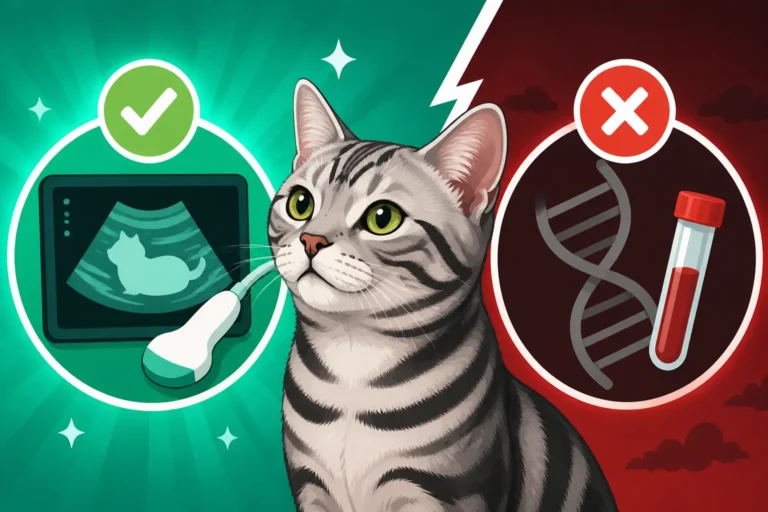
HCM is the one inherited disease the American Shorthair kept, often because it's a condition that can be masked for years, with cats showing no outward symptoms until the disease is quite advanced. Unlike some more obvious genetic traits, HCM doesn't immediately impair a cat's ability to hunt or survive in its natural environment, especially in its early stages. This meant that the gene could persist within the population for a long time before breeders and veterinarians even understood its mechanism or developed screening methods. Research has shown that while the prevalence is lower than in some other breeds like Maine Coons or Ragdolls, HCM still affects a notable percentage of American Shorthairs. There isn't a simple DNA test that can definitively clear an American Shorthair's heart, which further complicates eradication efforts, meaning breeders must rely on regular cardiac screenings to identify affected individuals.
The stoic nature of American Shorthairs can also make it harder for owners to spot early signs of distress related to HCM. They are not typically vocal about discomfort, often preferring to retreat or simply reduce their activity levels, which can be mistaken for normal aging or laziness. By the time noticeable symptoms appear, such as difficulty breathing, lethargy, or even sudden paralysis of the hind legs due to a blood clot (a severe complication of HCM), the disease has often progressed significantly. This highlights why understanding this particular vulnerability is so important for American Shorthair owners, even when their cat seems otherwise perfectly healthy. It's a silent threat that requires proactive vigilance.
The Importance of Regular Cardiac Screening
Given the silent nature of HCM, why an American Shorthair still needs a yearly heart scan, or at least regular cardiac monitoring, becomes critically clear. The most effective way to diagnose HCM is through an echocardiogram, which is an ultrasound of the heart performed by a veterinary cardiologist. This allows them to visualize the heart muscle, measure its thickness, and assess blood flow, catching changes long before clinical symptoms manifest. For breeding cats, annual screenings are a gold standard to ensure that affected cats aren't unwittingly passing on the gene. Even for pet American Shorthairs, especially if they come from lines with an unknown cardiac history or as they enter middle age, an occasional screening can provide invaluable peace of mind or allow for early intervention.
Early diagnosis doesn't cure HCM, but it can significantly improve the cat's quality of life and potentially extend it. A veterinarian managing an American Shorthair with HCM might prescribe medications to slow the progression of the disease, improve heart function, or prevent blood clots. This proactive approach can make a tremendous difference, transforming a potentially fatal condition into a manageable one for many years. It's a stark reminder that even the healthiest-looking breeds benefit immensely from routine veterinary care that goes beyond basic vaccinations and check-ups. Discussions with your vet about their recommended screening protocols for breeds like the American Shorthair are essential, and pet insurance providers like Healthy Paws often cover diagnostic tests and ongoing treatment for conditions like HCM, offering financial support for these crucial health interventions.
Overcoming the Battle of the Bulge: Obesity Risks
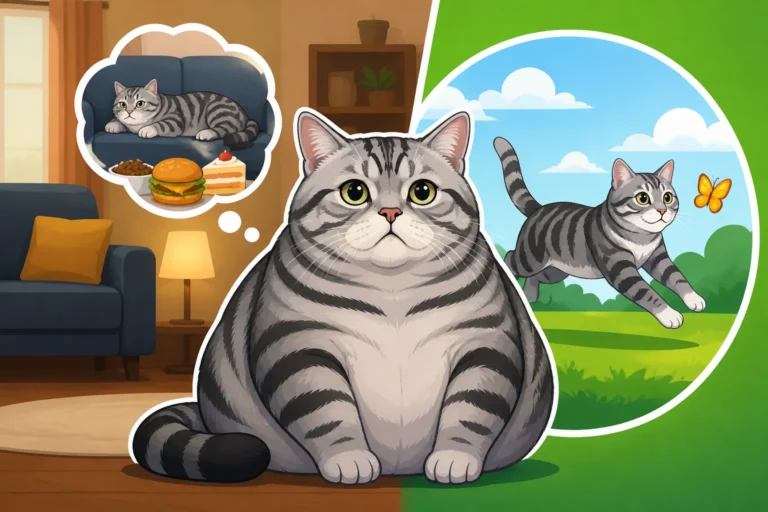
One of the most pervasive health issues facing indoor American Shorthairs today isn't a genetic anomaly but rather a direct consequence of their historical purpose meeting modern living: obesity. These cats were bred to be active, efficient hunters, constantly patrolling their territory for prey. Take away that job, and combine it with a readily available food source, and you have a recipe for weight gain that can quickly spiral into more serious health problems.
The Sedentary Lifestyle vs. Instinct
For centuries, American Shorthairs and their ancestors earned their keep. Their lives were a constant cycle of hunting, exploring, and defending territory. This naturally kept them lean, muscular, and incredibly fit. When an American Shorthair's job was to hunt for meals, they burned calories constantly. Now, as beloved housecats, their primary "job" might be napping on the sofa or watching birds from a window. This drastic shift in activity level, coupled with their innate, robust appetite — a survival trait from their working past — often leads to an imbalance in calories in versus calories out. Obesity is what ending the American Shorthair's job cost it, quite literally. They still possess that strong drive to eat, but their environment no longer demands the expenditure of energy necessary to maintain a healthy weight.
Many owners, myself included, struggle with managing this. It feels natural to give treats or leave a full bowl down, especially when your cat seems to enjoy it so much. However, an American Shorthair that once worked for meals doesn't naturally know when it's full when food is always abundant. Their bodies are incredibly efficient at storing fat for leaner times, which in a modern household, never come. This continuous caloric surplus, even if it seems minor each day, accumulates rapidly over weeks and months, slowly transforming a lean, muscular frame into an overweight, less active one. It's a silent struggle that many owners don't even realize is happening until their cat has already put on significant weight.
The Cascade of Health Issues from Excess Weight
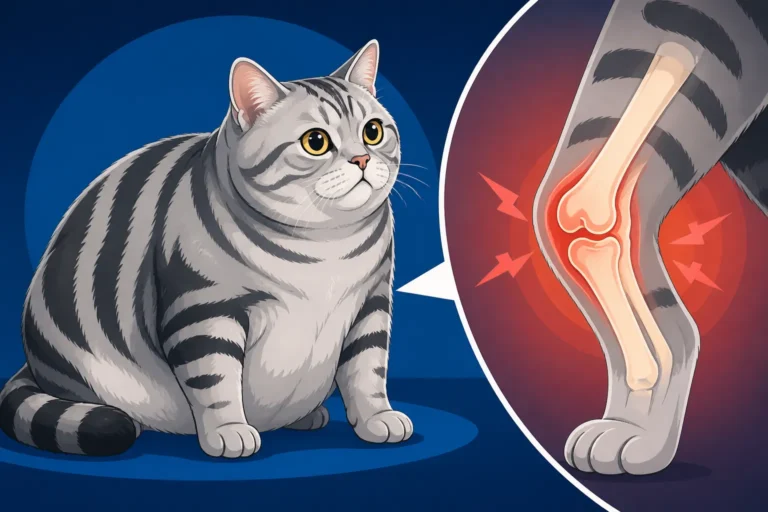
Extra weight does to an American Shorthair's working frame exactly what it does to any animal or human: it puts immense strain on the body's systems, leading to a host of secondary health problems. The most immediate and visible impact is on their mobility. A heavy American Shorthair cannot reach its own back to groom effectively, leading to matted fur and skin issues. Their strong, square-built bodies, designed for agile movement, become burdened, making jumping, running, and even walking more difficult and painful. This reduction in activity then creates a vicious cycle, as less movement means fewer calories burned, leading to further weight gain.
Beyond mobility issues, obesity significantly increases the risk of serious metabolic diseases. Weight turns into diabetes in an American Shorthair when the body's cells become resistant to insulin, or the pancreas simply can't produce enough to manage the high blood sugar levels associated with excess fat. Diabetic cats require daily insulin injections and careful dietary management, which can be a significant undertaking for owners. Obesity also exacerbates joint problems like arthritis, puts strain on the heart, and increases the risk during anesthesia for any necessary surgeries. It can even lead to fatty liver disease if a significantly overweight cat suddenly stops eating. Proactive weight management through portion control, appropriate food choices (perhaps a prescription light diet recommended by your vet), and encouraging play are critical for preventing these serious complications. Many pet insurance plans, including those from Healthy Paws, will cover the costs associated with treating obesity-related conditions like diabetes, but preventing them is always the best approach.
Joint Health: The Price of a Sturdy Build
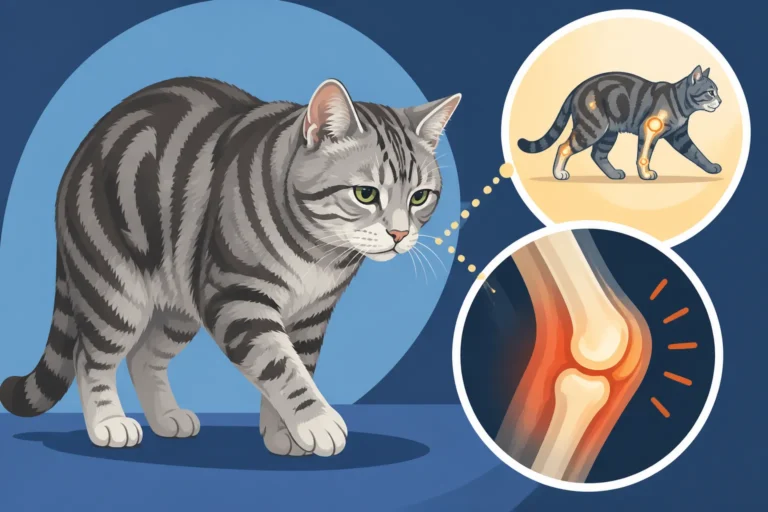
The American Shorthair's iconic sturdy, muscular build, once a tremendous asset for their working lives, can ironically become a source of discomfort as they age. While they might not be prone to the severe, early-onset joint diseases seen in some other breeds, the sheer density and power of their frame mean their joints endure significant forces throughout their lives. Over time, this can lead to wear and tear, culminating in conditions like hip dysplasia and arthritis.
Hip Dysplasia and Arthritis Considerations
When an American Shorthair's hips are positioned for X-ray, vets are looking for signs of hip dysplasia, a condition where the hip joint doesn't form correctly, leading to looseness and eventual degeneration. While more common in certain larger dog breeds, hip dysplasia can affect cats, and the American Shorthair’s broad-chested, robust build means they put considerable weight through their hips and joints. This constant stress on potentially imperfect joints can accelerate the onset of arthritis, a painful inflammation and stiffness that comes with age. Owners often notice that their American Shorthair stops jumping to the counter with its previous ease, or that its gait becomes stiff, especially after resting. This slowing down is not just "getting old"; it's often a sign of underlying joint pain.
A limp in a stoic American Shorthair is never minor, even if they try to hide it. Their inherent toughness means they often mask discomfort until it becomes quite significant. This can be frustrating for owners, who might only realize the extent of their cat's pain when the signs are advanced. A stiff American Shorthair often needs joint support, which can include dietary supplements like glucosamine and chondroitin, specialized prescription diets, or even anti-inflammatory medications prescribed by a vet. Regular, gentle exercise can help maintain muscle mass around the joints, providing natural support, but it’s crucial not to push a cat in pain. Early recognition and management of these conditions can make a huge difference in their comfort and quality of life in their later years.
Supporting Mobility as They Age
Caring for an American Shorthair past twelve means paying close attention to their mobility. As they age, their bodies naturally start to lose muscle mass, and their joints may become less flexible. You might notice they slow before they limp, showing a general reluctance to move or jump as high as they once did. Providing a supportive environment is key: ramps to favorite perching spots, lower-sided litter boxes, and soft, easily accessible beds can all help. Keeping their weight in check is also paramount, as every extra pound adds strain to already vulnerable joints.
Your veterinarian can help you assess your American Shorthair's hips and overall joint health. They might recommend specific diagnostic imaging or a course of pain relief and joint supplements. These interventions aren't just about managing pain; they're about extending an American Shorthair's active years, allowing them to enjoy their golden age with as much comfort and independence as possible. It's a journey that requires empathy and a proactive approach, understanding that their quiet nature can sometimes hide significant discomfort. Discussing a comprehensive plan with your vet, especially regarding pain management and mobility support, is crucial for ensuring their well-being throughout their senior years.
| Condition | Common Signs | Impact on Life | Management Strategies |
|---|---|---|---|
| HCM | Lethargy, difficulty breathing, hind leg weakness | Heart failure, blood clots | Medication, regular echocardiograms, specialist vet care |
| Obesity | Visible fat pads, reduced activity, difficulty grooming | Diabetes, joint issues, liver problems | Portion control, diet food, increased play, vet guidance |
| Arthritis/Dysplasia | Stiffness, reluctance to jump, limping | Chronic pain, reduced mobility | Joint supplements, pain relief, accessible environment |
| Dental Disease | Bad breath, red gums, difficulty eating | Pain, infection, systemic disease | Dental cleanings, extractions, home care |
| Urinary Issues | Straining, frequent urination, inappropriate elimination | Blockages, bladder stones | Diet, increased water intake, stress reduction, medication |
Dental Disease: The Silent Threat
One of the most commonly overlooked health problems in cats, including the stoic American Shorthair, is dental disease. It's often silent, progressive, and by the time noticeable symptoms appear, the condition can be quite advanced and painful. Owners are often surprised at how much hidden oral health issues can impact their cat's overall well-being.
The Often-Overlooked Oral Health Crisis
Why an American Shorthair loses teeth nobody noticed is a common, heartbreaking scenario. Many owners simply don't routinely inspect their cat's mouths, and cats are masters at hiding pain, especially chronic discomfort like that stemming from dental issues. Over time, plaque and tartar build up on the teeth, leading to gingivitis (inflammation of the gums) and eventually periodontitis, which involves infection and damage to the structures supporting the teeth. This can result in painful gum recession, bone loss, and ultimately, tooth loss. Beyond the immediate pain, the bacteria from severe dental disease can enter the bloodstream and affect vital organs like the heart and kidneys.
Cats can also suffer from feline odontoclastic resorptive lesions (FORLs), sometimes referred to as "neck lesions" or "cavities," which are incredibly painful erosions on the tooth surface, often at the gum line. These lesions are excruciating, similar to severe toothaches in humans, but your American Shorthair may continue to eat, albeit carefully, without drawing attention to the problem. It’s not until a thorough veterinary examination, often under anesthesia, that the true extent of these issues is uncovered. This quiet suffering can lead to reduced appetite, irritability, and a general decline in quality of life, which owners might mistakenly attribute to aging alone.
Proactive Dental Care for Longevity
The good news is that dental disease is largely preventable or manageable with proactive care. Regular veterinary check-ups should always include an oral examination. Your vet will often recommend professional dental cleanings under anesthesia, where they can thoroughly scale away tartar, polish teeth, and extract any diseased teeth. How many dentals an American Shorthair needs in twenty years can vary greatly, but many vets recommend yearly or bi-yearly cleanings for optimal oral health. This might sound like a lot, but it's a small price to pay for preventing pain and systemic illness.
Beyond professional cleanings, daily home care can significantly slow the progression of dental disease. This includes brushing your American Shorthair's teeth with a cat-specific toothbrush and toothpaste (never human toothpaste!), offering dental-approved treats and diets, and ensuring they have appropriate chew toys. Introducing these habits when your cat is young, perhaps even as a kitten, makes them more accepting. While kibble alone does not do anything for an American Shorthair's teeth in terms of significant cleaning, specially formulated dental diets can help reduce plaque and tartar buildup. Investing in your American Shorthair’s oral health is an investment in their overall health and comfort for years to come.
Urinary Tract Health: Keeping Things Flowing Smoothly
Urinary tract issues, particularly lower urinary tract disease (FLUTD), are a common concern for cat owners. While not exclusive to American Shorthairs, these problems can be especially urgent and distressing, often requiring immediate veterinary attention. Understanding the particular vulnerabilities can help you act quickly and prevent serious complications.
Male Cats and Blockages
One of the most critical urinary risks, especially for male American Shorthairs, is urethral obstruction. Why a male American Shorthair's urethra blocks first is due to their anatomy: the male urethra is much narrower than a female's, making it more susceptible to blockages from urinary crystals, stones, mucus plugs, or inflammation. When a cat cannot urinate, it becomes a life-threatening emergency, leading to a buildup of toxins in the blood and potential kidney damage. A straining American Shorthair needs immediate veterinary attention within hours, as delays can be fatal. The signs can be subtle at first – frequent trips to the litter box, straining without producing much urine, crying in the litter box, or urinating outside the box.
The types of bladder stones an American Shorthair forms are typically struvite or calcium oxalate. Struvite stones often form in alkaline urine and can sometimes be dissolved with special prescription diets. Calcium oxalate stones, on the other hand, usually require surgical removal. Your veterinarian will typically perform a urinalysis and sometimes an X-ray or ultrasound to determine the type of stones or crystals present and formulate the best treatment plan. Preventing recurrences often involves dietary changes, ensuring adequate water intake, and regular monitoring.
Managing Stress and Hydration
Beyond anatomical predispositions, stress can play a significant role in urinary issues in cats, leading to a condition called feline idiopathic cystitis (FIC), also known as stress cystitis. Even a placid American Shorthair, known for its calm demeanor, can be affected by stress cystitis. Changes in routine, new pets, household noise, or even subtle conflicts with other cats can trigger bladder inflammation, causing pain and urinary urgency. While not an infection, the symptoms – straining, frequent urination, and sometimes blood in the urine – mimic those of a bacterial urinary tract infection (UTI), which is why a vet visit is always necessary to rule out other causes.
How much water keeps an American Shorthair's bladder clear cannot be overstated. Hydration is incredibly important for flushing out crystals and keeping urine diluted. Encouraging water intake through multiple water bowls, cat drinking fountains, and incorporating wet food into their diet can make a huge difference. A urinary diet, whether for stone dissolution or prevention, often becomes permanent once a cat has experienced these issues, as it helps maintain the correct urinary pH and mineral balance. Creating a low-stress environment with predictable routines, plenty of enrichment, and secure resting spots can also help manage stress-related urinary problems in your American Shorthair.
Navigating the Golden Years: Common Ailments in Senior American Shorthairs
As our beloved American Shorthairs enter their golden years, typically starting around age 10-12, their health needs shift. While their robust genetics give them a great head start, aging is an inevitable process that brings its own set of challenges. Caring for an American Shorthair past twelve means adapting their care to support their changing bodies and minds.
Kidney Disease and Hyperthyroidism
Two of the most common chronic diseases that creep up on an old American Shorthair are kidney disease and hyperthyroidism. Chronic kidney disease (CKD) is a progressive condition where the kidneys gradually lose their ability to filter waste products from the blood. Signs can be subtle at first: increased thirst and urination, weight loss, and a dull coat. These are often dismissed as normal aging until the disease is quite advanced. Regular senior bloodwork panels, which include kidney values, are crucial for early detection. How kidney disease creeps up on an old American Shorthair is often slow and insidious, making those annual or bi-annual vet checks even more vital as they age. Early intervention with specific diets and supportive care can significantly slow its progression and improve quality of life.
Hyperthyroidism, on the other hand, is caused by an overactive thyroid gland, leading to an excess of thyroid hormones in the body. Why hyperthyroidism catches a long-lived American Shorthair often boils down to genetics and age; it's just a common ailment for older cats. Symptoms typically include a ravenous appetite despite weight loss, increased thirst and urination, hyperactivity, and a generally unkempt appearance. This can sometimes be confusing because the cat appears energetic, but they are actually wasting away. Both kidney disease and hyperthyroidism are diagnosed through blood tests, and both are manageable with medication, special diets, or other treatments. Tracking an old American Shorthair's weight becomes incredibly important during these years, as unexplained loss despite eating can be a red flag.
Cognitive Decline and Sensory Changes
Just like humans, older cats can experience cognitive decline. What confusion looks like in an American Shorthair past sixteen might manifest as disorientation, vocalizing at night, changes in sleep-wake cycles, forgetting familiar routines, or altered interactions with family members. They might stare blankly at walls or get "stuck" in corners. While there's no cure for feline cognitive dysfunction, environmental enrichment, a consistent routine, and certain dietary supplements can help manage symptoms and support brain health. It's important to differentiate these changes from pain or other medical conditions, which is why a thorough vet check is always recommended if you notice any behavioral shifts.
Aging also brings sensory changes. An old American Shorthair might start to lose its hearing, making them less responsive to calls or sounds. You might wonder how to tell if an old American Shorthair has gone deaf – they might sleep more soundly, fail to react to loud noises, or startle easily if approached from behind. Their eyesight might also dim, making them less confident navigating in low light or unfamiliar surroundings. Creating a safe, predictable environment, maintaining consistent furniture placement, and using gentle approaches can help these cats feel more secure. Why an old American Shorthair loses muscle first is a natural part of aging, a process called sarcopenia. This makes them weaker and more prone to falls. Good nutrition, appropriate exercise, and perhaps even physical therapy can help preserve muscle mass for as long as possible. A withdrawn American Shorthair should always see a vet, as it could be a sign of pain or illness, not just old age.
Disclaimer
Please remember that this article provides general information and should not be considered a substitute for professional veterinary advice. Always consult with a qualified veterinarian for any health concerns or before making any decisions about your American Shorthair's medical care. Individual health needs can vary greatly, and only a veterinarian can provide an accurate diagnosis and personalized treatment plan.