How an American Shorthair’s Coat Differs From a Random Bred Tabby’s
It's incredibly common for folks to look at a beautiful tabby cat, especially one with that classic M pattern on its forehead, and immediately think, "Ah, an American Shorthair!" The truth is, while many American Shorthairs sport that iconic tabby pattern, not every tabby is an American Shorthair. In fact, distinguishing between the coat of a pedigreed American Shorthair and a random-bred tabby (often called a Domestic Shorthair) can be surprisingly tricky, but it's a difference that speaks volumes about their lineage, their care needs, and even their innate hardiness. This guide is here to unravel those subtle yet significant differences, helping you appreciate the unique qualities of each.
Understanding the American Shorthair's Breed Standard Coat
When you're talking about an American Shorthair, you're not just talking about a type of cat; you're talking about a cat bred to a specific standard. This standard dictates everything from their build to their temperament, and crucially, to the very texture and quality of their fur. Their coat is a direct reflection of their working-cat heritage, designed for function over mere aesthetics.
The Purpose-Built Texture and Density
An American Shorthair's coat isn't just "short." It's described in the breed standard as being dense, hard, and even, without being woolly or plush. Think about it: these cats were originally brought over on ships to hunt rodents, and then put to work in barns and homes across the continent. Their coat needed to be weather-resistant, able to protect them from the elements, brambles, and even the occasional skirmish with prey. This historical purpose meant their fur evolved to be coarse and strong, rather than soft and fluffy like some other pedigreed breeds.
This density is key. If you were to run your hand over a true American Shorthair, you'd feel a substantial thickness to the fur. It's not thin and wispy. Instead, it offers a protective barrier. This density also contributes to its water-resistant qualities, shedding rain and snow rather than soaking it up. The American Shorthair's Coat Was Built for Weather, Not a Judge delves deeper into this functional aspect. This isn't a coat that easily mats or tangles, which was a huge advantage for a cat that was expected to take care of itself in a demanding environment. It’s a low-maintenance marvel, designed by necessity.
Seasonal Changes in the American Shorthair's Coat
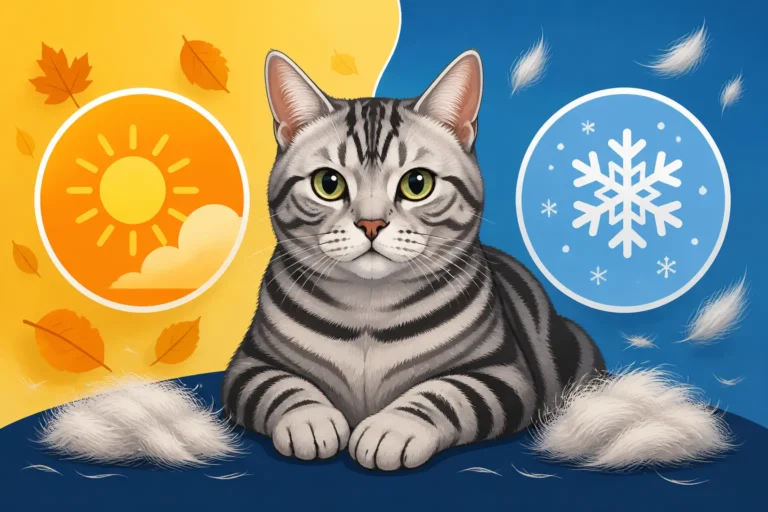
Another fascinating aspect of the American Shorthair's coat, directly linked to its working past, is its seasonal adaptability. Much like a wild animal, their coat will naturally thicken significantly as winter approaches, providing an extra layer of insulation against the cold. You'll notice a distinct change in the feel and volume of their fur. Conversely, in the warmer months, this undercoat sheds out, leaving them with a much lighter, less dense layer to help them stay cool. Why an American Shorthair's Coat Thickens for Winter explores this in more detail.
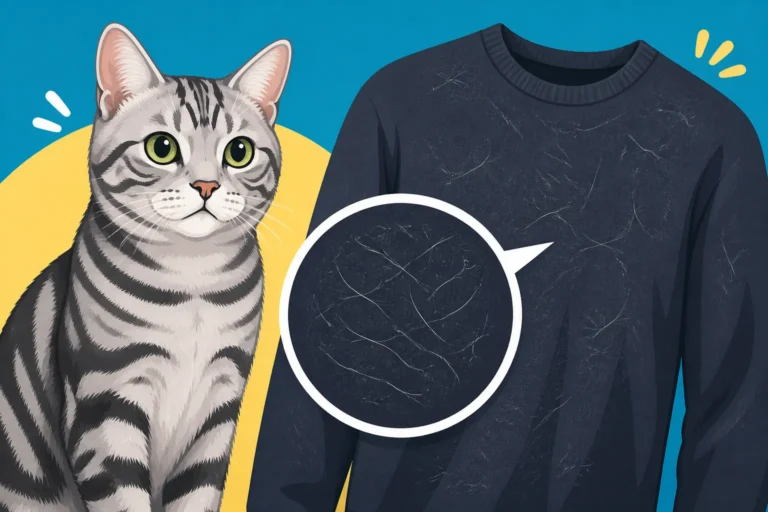
This seasonal shedding is a natural process, not a sign of poor health. They essentially have a "winter coat" and a "summer coat." This means that while they are generally low-shedders throughout much of the year, you will experience periods, typically in spring and fall, where they shed more heavily to transition between these coats. You might find yourself reaching for a good comb more often during these times to help them along, perhaps one you picked up from a place like Chewy or Amazon, designed to handle dense, shedding fur. An American Shorthair Sheds Twice a Year and Asks Nothing Else talks about this rhythm.
The Vast Variability of Random-Bred Tabby Coats
Now, let's talk about the random-bred tabby, often affectionately referred to as a Domestic Shorthair. These cats are the beautiful, diverse, and beloved "moggies" of the cat world, and their coats reflect an incredible genetic melting pot. They haven't been selectively bred to a specific physical standard in the same way pedigreed cats have.
A Spectrum of Textures and Lengths
Unlike the American Shorthair with its very specific coat requirements, a random-bred tabby can have an astonishing range of coat types. While most are indeed short-haired, the texture can vary wildly. You might encounter a domestic shorthair with an incredibly soft, plush, almost velvety coat. Others might have a coarser, wirier texture, or even a silkier, finer feel. There's no single "standard" for their fur, because their genetics are a blend of countless generations of cats breeding freely.
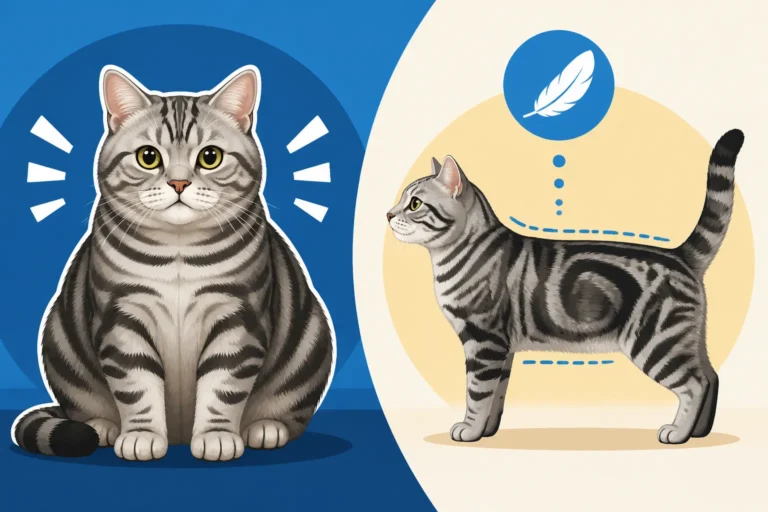
This variability extends to density as well. Some random-bred tabbies will have a very thin, sparse coat, offering little protection, while others might have a surprisingly thick double coat. It truly is a genetic lottery, with each cat being a unique combination of traits passed down from a diverse ancestry. This lack of a uniform standard means that while some domestic shorthairs might look similar to an American Shorthair, a closer inspection of their coat often reveals these fundamental differences in feel and structure. How an American Shorthair Differs From a Domestic Shorthair provides more insights into the broader distinctions.
No Predictable Seasonal Changes
Because random-bred tabbies aren't tied to a specific working heritage or a strict breed standard, their coat behavior isn't as predictably seasonal as an American Shorthair's. While many will naturally shed more in spring and fall, it's often less pronounced or consistent. Some might shed heavily year-round, especially if they live indoors in a climate-controlled environment that confuses their natural cycles. Others might be very light shedder regardless of the season.
This unpredictability can sometimes mean more active grooming on your part, depending on the individual cat. If you have a tabby with a very dense or prone-to-shedding coat, you might find yourself needing to brush them more regularly to manage the loose fur and prevent hairballs. This is where tools from retailers like Chewy or Amazon come in handy – a good deshedding brush can make a world of difference for a cat with a heavy, yet unstandardized, coat. The "rules" for coat maintenance are much more flexible and dependent on the individual cat's specific genetics rather than a breed-wide expectation.
Key Differences in Texture and Density
Now that we've looked at each type individually, let's put them side-by-side to really highlight the distinctions you'd notice if you were to encounter both an American Shorthair and a random-bred tabby. These aren't just subtle nuances for cat show judges; they impact how you care for your feline friend and what you can expect from their natural defenses.
The "Snap" of an American Shorthair's Coat
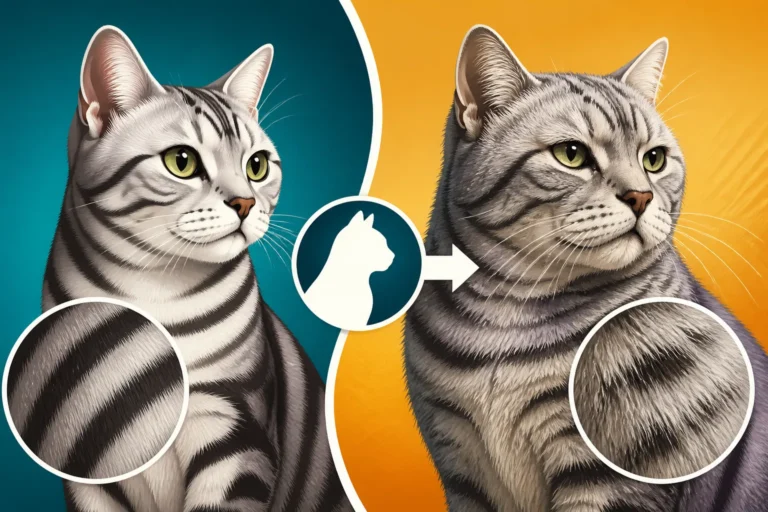
One of the most defining characteristics of an American Shorthair's coat, often talked about by breeders and enthusiasts, is its "snap." When you smooth your hand over their fur from tail to head, and then let go, the hair should immediately lie flat again, almost springing back into place. This is due to the coarse, hard texture of each individual hair shaft and the inherent density of the coat. It's resilient, designed to shed debris and protect. This unique texture means the coat typically doesn't flatten easily, nor does it retain impressions or "bedhead."
In contrast, a random-bred tabby's coat might not have this immediate snap. Depending on the individual cat's genetics, their fur might feel softer, finer, or even silkier. When stroked against the grain, it might stay ruffled for a moment longer, or simply lie flat without the same firm rebound. There’s a noticeable lack of uniform hardness across the hairs. This isn't to say one is better than the other, but simply that the feel is fundamentally different. It's a key physical marker that points to the breed's historical development and genetic selection.
Grooming Implications of Coat Differences
These differences in texture and density have practical implications for grooming. An American Shorthair, with its hard, dense, and self-maintaining coat, generally requires minimal grooming. A weekly comb-through with a sturdy comb, particularly during shedding seasons, is usually sufficient. How Much Combing an American Shorthair Actually Needs highlights this minimal requirement. Their coat is built to resist matting and generally stays clean.
For a random-bred tabby, grooming needs are far more variable. A cat with a soft, fine coat might be prone to static or even minor tangles if not brushed regularly, especially if it's thicker. A cat with a sparse coat might need less brushing but could be more susceptible to cold. Owners of domestic shorthairs often have to adapt their grooming routine to their individual cat's coat type, experimenting with different brushes and frequencies. While an American Shorthair might thrive with a specific type of comb, a domestic shorthair might need a softer slicker brush or a rubber curry comb, all easily found on platforms like Amazon or Chewy. Understanding your cat's specific coat is key, rather than relying on a breed standard.
Visual Distinctions and Health Considerations
Beyond the tactile differences, there are visual cues and health implications related to these coat variations that are worth exploring.
Patterns and Colors: More Than Meets the Eye
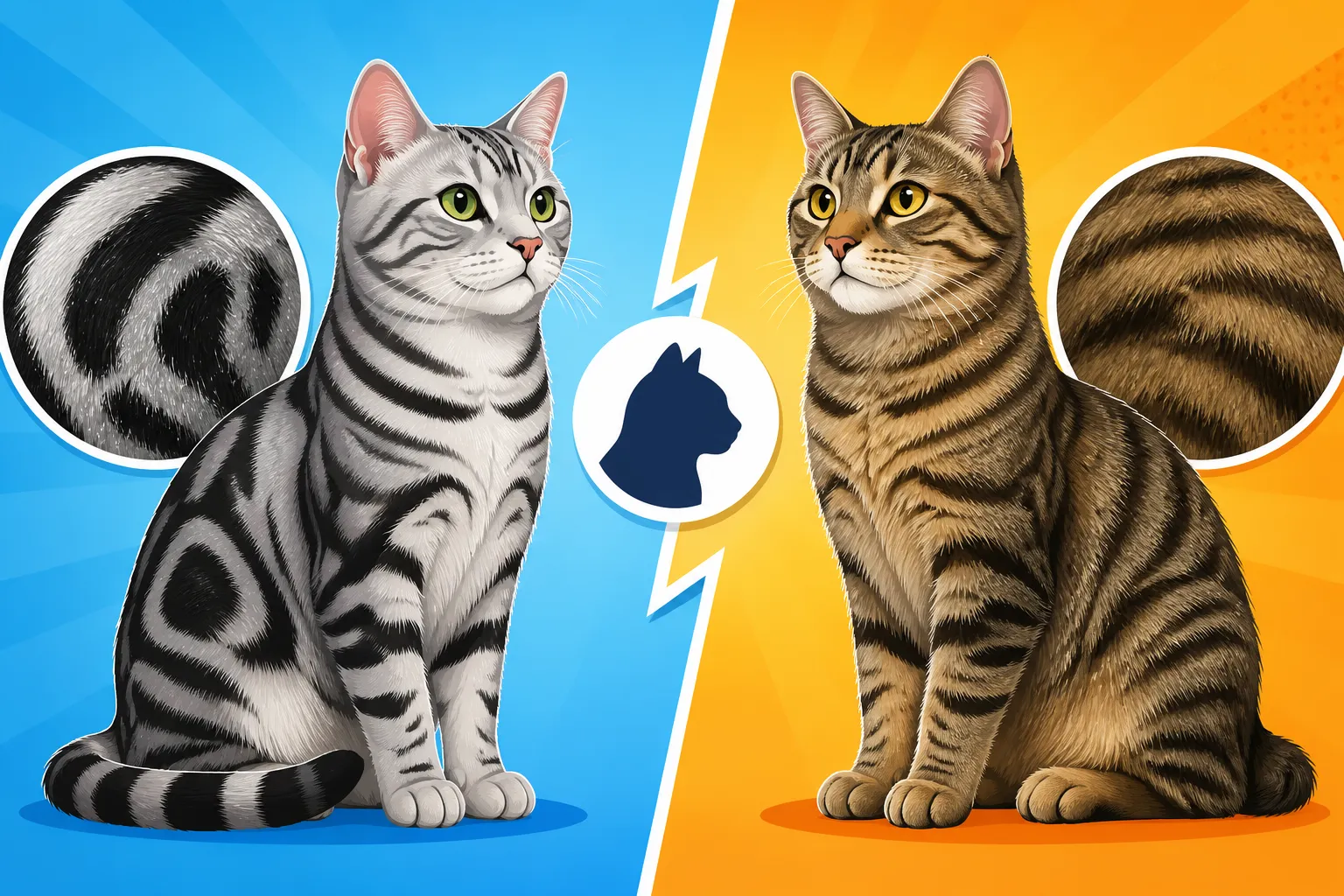
Both American Shorthairs and random-bred tabbies come in a dazzling array of colors and patterns. However, the clarity and definition of these patterns can sometimes differ due to the underlying coat structure. In a pedigreed American Shorthair, especially the famous silver tabby, the pattern is expected to be clear, crisp, and well-defined, standing out sharply against the ground color. This is part of their breed standard. The classic "bullseye" or "swirl" tabby pattern, along with distinct mackerel stripes, is highly prized for its sharpness.
A random-bred tabby, while often stunningly patterned, might have patterns that are less defined, more blurred, or even "broken" due to the mixed genetic background. The colors might be less saturated, or the contrast between the pattern and the ground color might not be as stark. For instance, you might see a beautiful brown tabby domestic shorthair whose markings blend a bit more subtly into their background rather than having the bold, distinct lines you'd expect from a show-quality American Shorthair. Which Patterns an American Shorthair Comes In elaborates on the variety within the breed. The sheer diversity of random-bred cats means you're more likely to see unique, one-of-a-kind pattern variations.
Coat Health as a Marker of Overall Well-being
A healthy coat, regardless of breed, is often a strong indicator of a cat's overall well-being. A dull, greasy, flaky, or excessively shedding coat can signal underlying health issues like nutritional deficiencies, parasites, allergies, or other medical conditions. For an American Shorthair, maintaining that distinctive hard, dense coat requires good nutrition. High-quality food can contribute significantly to coat health and shine.
For a random-bred tabby, the same principles apply, though what constitutes "healthy" for their coat might vary more. If your domestic shorthair typically has a soft, sleek coat and it suddenly becomes dull or brittle, that's a red flag. Regardless of breed, providing a balanced diet, fresh water, and regular veterinary check-ups are paramount. The difference lies in what you're checking against: a fixed breed standard for the American Shorthair, versus the individual baseline for a random-bred tabby. Paying attention to sudden changes in coat quality is crucial for all cat owners, as it's often one of the first visible signs that something isn't quite right internally.
| Feature | American Shorthair Coat | Random-Bred Tabby Coat |
|---|---|---|
| Texture | Hard, dense, resilient, coarse | Highly variable: soft, silky, fine, wiry, plush, sparse |
| Density | Even and thick, provides insulation | Variable, can be thin to very dense |
| "Snap" Quality | Distinctive, hair springs back quickly | Less predictable, varies by individual cat |
| Seasonal Changes | Pronounced thickening in winter, lighter in summer | Less predictable, often milder or year-round shedding |
| Grooming Needs | Minimal; weekly combing, especially during shedding seasons | Variable; depends on individual coat type, some need more |
| Pattern Clarity | Often very clear, crisp, well-defined markings | Can be clear but also softer, blurred, or unique |
| Purpose | Bred for function (weather resistance, protection) | Natural evolution, no specific functional standard |
Long-Term Care and the Coat
Thinking about the long haul, how do these coat differences impact the care you provide over your cat's lifetime? It’s not just about aesthetics, but about health and comfort too.
Adapting Grooming as They Age
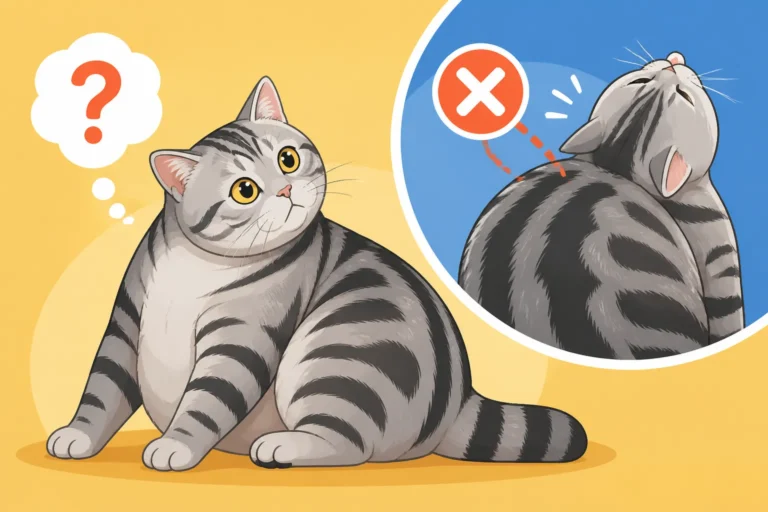
As American Shorthairs age, you might find their coat changes slightly. It could become a little coarser or even thin out in places, much like human hair. Older cats also tend to groom themselves less effectively, especially if they develop arthritis or become overweight. When an Old American Shorthair Needs Combing Help goes into more detail on this. You'll need to step up your grooming game to ensure their coat remains in good condition, helping them avoid mats and keeping their skin healthy. This could mean more frequent, gentle brushing sessions.
Similarly, an aging random-bred tabby will also likely need more grooming assistance. Their coat changes, combined with reduced flexibility, can lead to matting or skin issues. The challenge here might be predicting how their specific coat type will age and adapting your care accordingly. For both, investing in soft brushes and making grooming a positive, low-stress experience becomes even more important. It's about maintaining their dignity and comfort as they enter their golden years, ensuring their protective coat continues to serve them well.
Environmental Considerations for Different Coats
The American Shorthair's robust, weather-resistant coat means they're quite adaptable to various indoor environments, and historically, they even thrived outdoors. While we generally advocate for indoor-only cats for safety, their coat certainly offers a degree of resilience. They can handle slightly cooler temperatures better than a cat with a very thin coat, for instance. However, even with their hardy fur, extreme temperatures should always be avoided.
A random-bred tabby, with its variable coat, might be more sensitive to environmental factors. A cat with a very fine, sparse coat might feel the cold more keenly and seek out warm spots, while one with a thick, dense coat might become easily overheated in warm climates. Understanding your individual cat's coat and how it performs in your home environment is crucial for providing optimal comfort. This means thinking about drafty spots, access to sunbeams, and ensuring they have cool, shady places to retreat to if they have a thicker coat. Their coat is a direct link to their comfort zone, and recognizing its specific qualities helps you create the best possible home for them.
Disclaimer
This article is for general informational purposes only and does not constitute professional advice. Laws, prices and regulations vary by location and change over time. Consult a qualified professional for guidance on your specific situation.