How Rarely an American Shorthair Gets a Skin Complaint
American Shorthair skin complaints are rare because of their inherited robust coat, efficient self-grooming, and low genetic predisposition.
Know what to watch for.
Breed-specific conditions, screening and DNA tests, what surgery actually costs, and the daily habits that stretch a healthy lifespan.
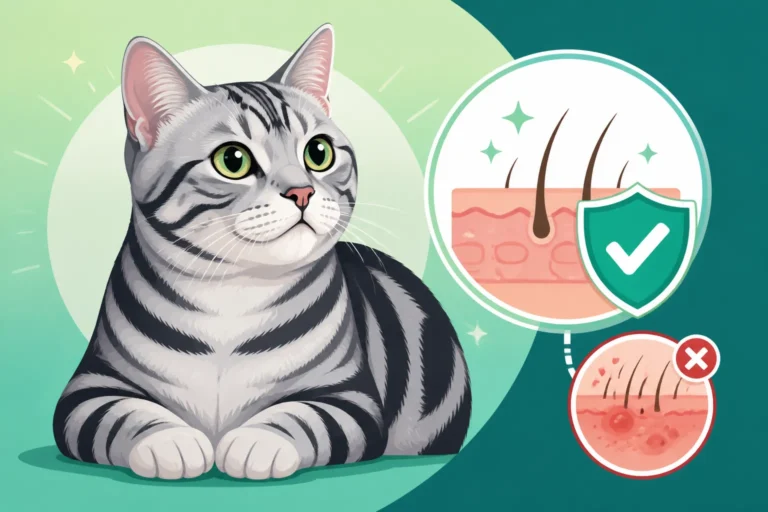
American Shorthair skin complaints are rare because of their inherited robust coat, efficient self-grooming, and low genetic predisposition.
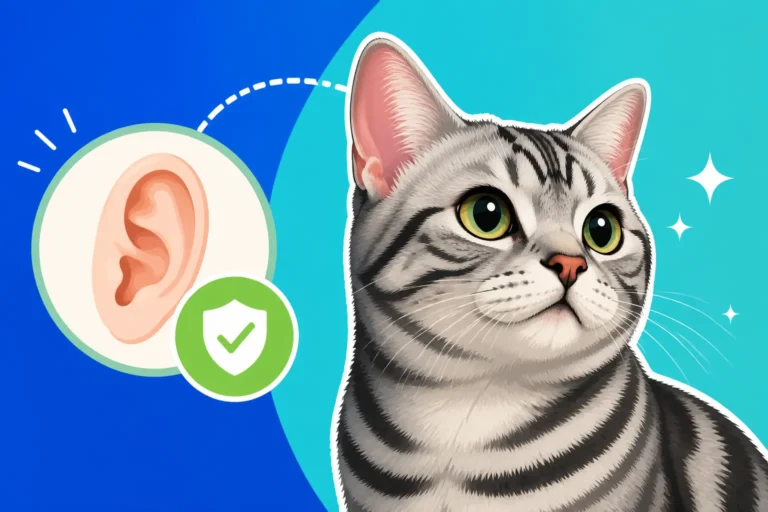
American Shorthair ear health benefits from open ear anatomy, but infections still happen through mites, bacteria, and yeast.
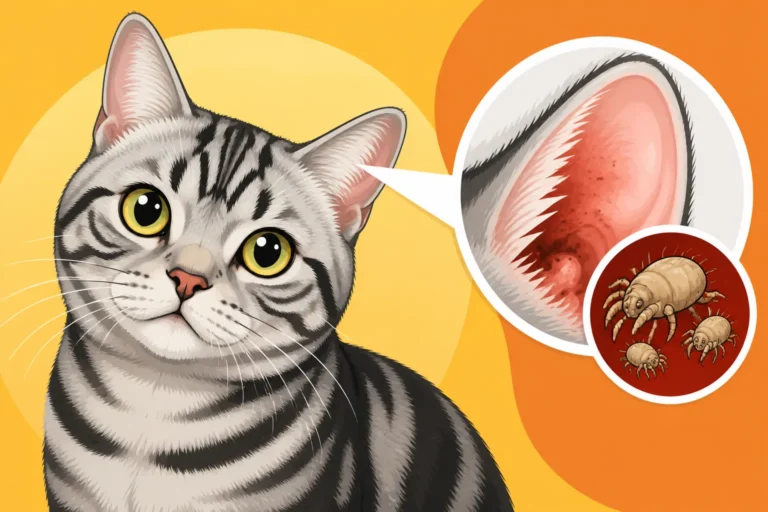
Ear mite infestations in American Shorthairs cause intense itching and dark discharge, requiring veterinary diagnosis and prescription treatments.
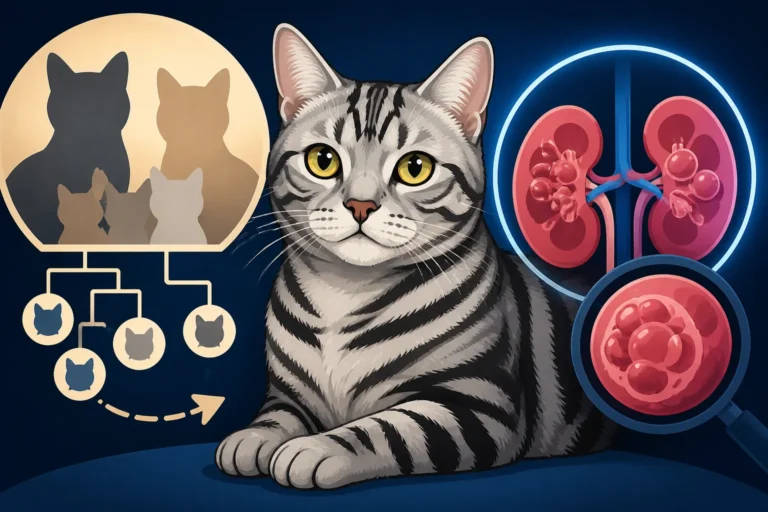
Polycystic kidney disease risk in American Shorthairs remains extremely low due to robust natural health and historical breeding selection.
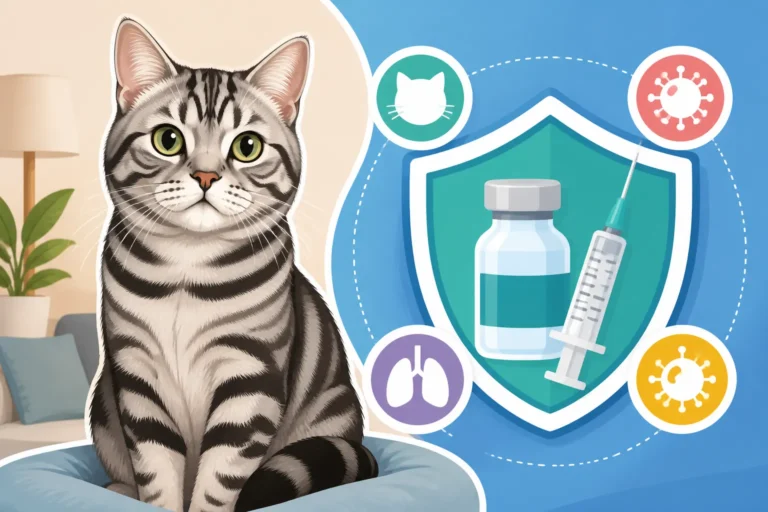
Indoor American Shorthair vaccination needs include core shots like FVRCP and rabies, alongside carefully evaluated non-core options.
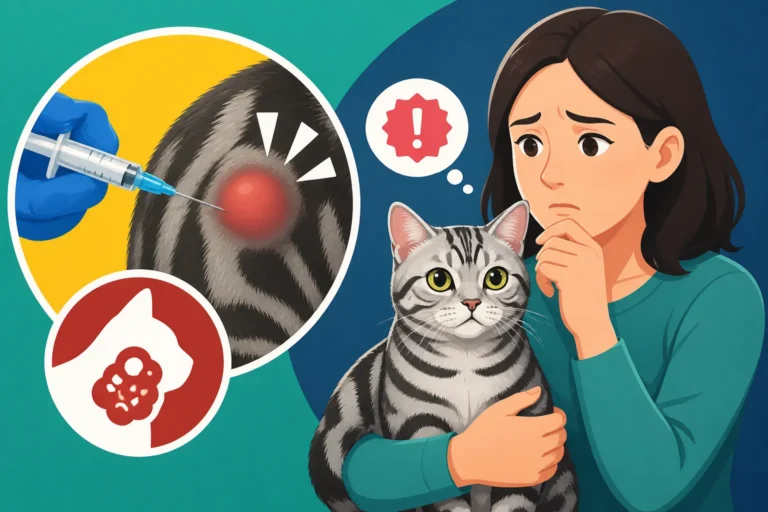
Injection site sarcoma risks, diagnosis, and treatment for American Shorthair cats are explained to help owners protect pets.
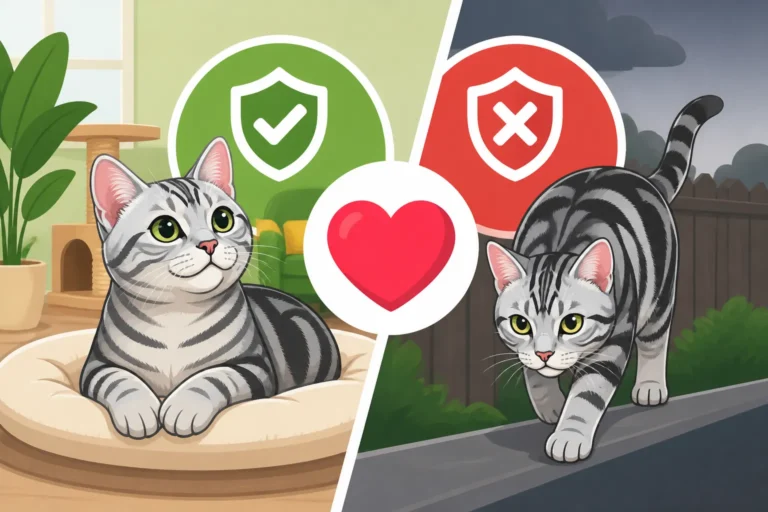
Indoor American Shorthair cats live significantly longer lives by avoiding outdoor dangers, diseases, and traffic accidents.
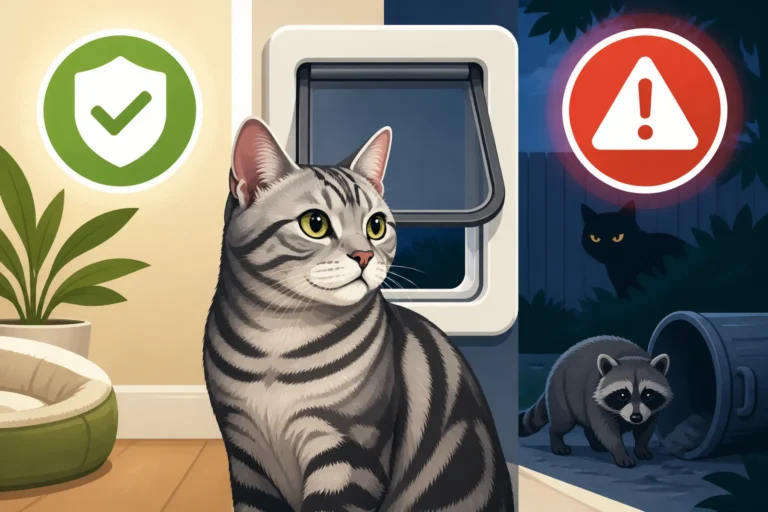
Outdoor American Shorthair access via pet doors creates serious risks including traffic accidents, wildlife encounters, and security threats.
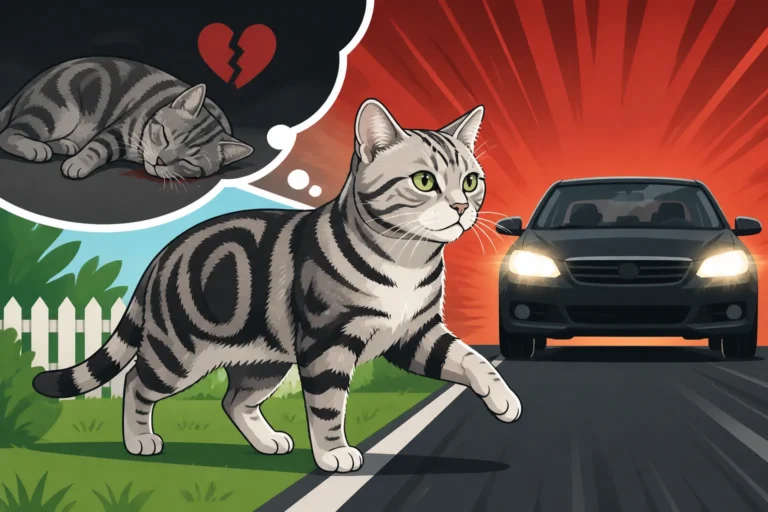
Road traffic threatens outdoor American Shorthair cats, causing severe vehicular trauma, life-threatening injuries, and drastically shortened lifespans.
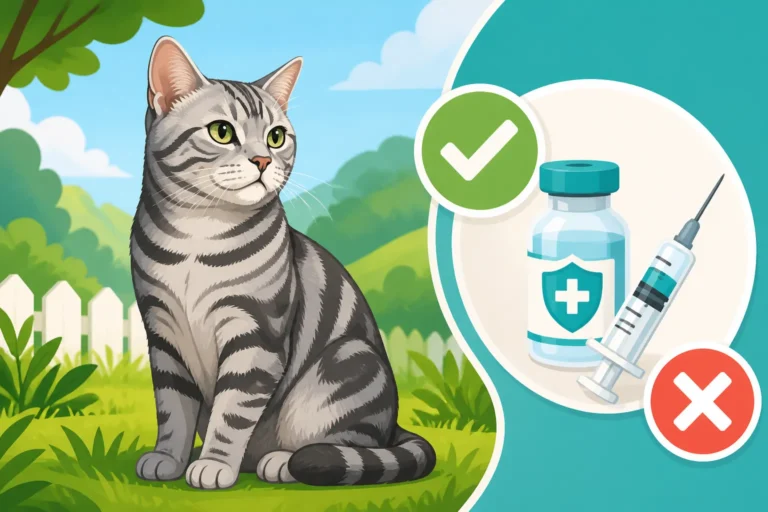
Feline Leukemia Virus protection explains whether outdoor American Shorthair cats need the vaccine based on lifestyle and transmission risks.