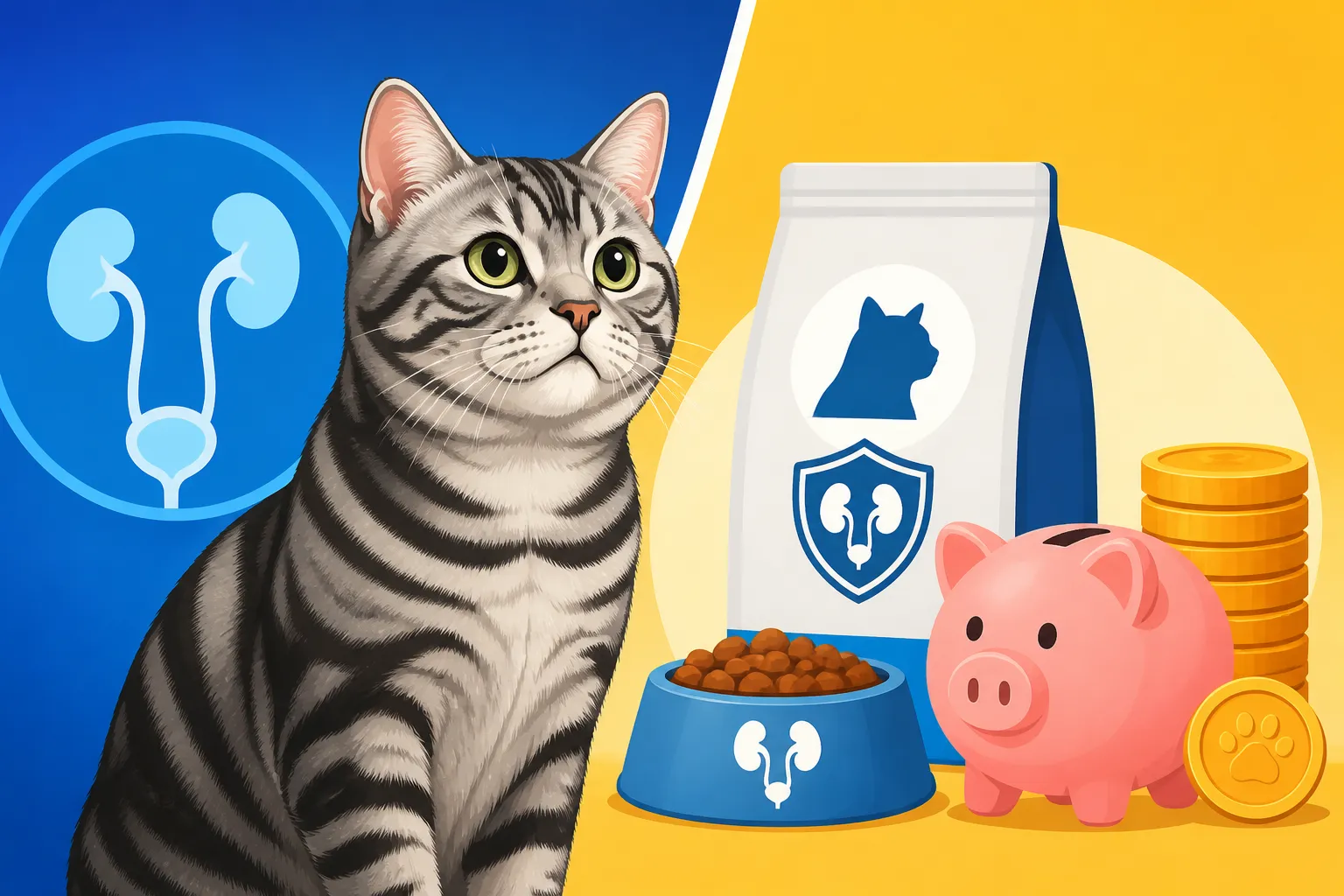
What a Urinary Diet Costs an American Shorthair Owner
There's nothing quite as disheartening as discovering your beloved American Shorthair is struggling with urinary issues. One minute, they're their usual calm, contented self, and the next, you're faced with frantic trips to the vet, the shock of a diagnosis like FLUTD, and then the inevitable conversation about a prescription urinary diet. Many owners are caught off guard not just by the health scare, but by the ongoing financial commitment these specialized foods demand. It feels like an unexpected burden on top of an already stressful situation. But trust me, you're not alone in wondering just how much this essential change to your cat's meal plan is truly going to cost. This guide is here to walk you through the financial realities of a urinary diet for your American Shorthair and help you manage those expenses effectively.
The Unwelcome Diagnosis: Why Your American Shorthair Needs a Urinary Diet
When your American Shorthair suddenly starts straining in the litter box, making frequent trips with little result, or even having accidents outside of it, your heart sinks. These are classic, urgent signs of a urinary problem, and getting to the vet quickly is paramount. Often, the diagnosis points to something called Feline Lower Urinary Tract Disease (FLUTD), a broad term for conditions affecting the bladder and urethra.
Understanding Feline Lower Urinary Tract Disease (FLUTD)
FLUTD isn't a single disease; it's a collection of conditions, and it can manifest in several ways for your American Shorthair. One of the most common culprits is the formation of urinary crystals or stones. These tiny mineral deposits can irritate the bladder lining, causing pain and inflammation, and in severe cases, they can block the urethra entirely. The two main types we often see are struvite stones and calcium oxalate stones. Struvite stones usually form in alkaline (high pH) urine, while calcium oxalate stones tend to form in acidic (low pH) urine. The tricky part is figuring out which kind your cat has, as the treatment, particularly the diet, is specific to the type of crystal.
Your stoic American Shorthair, a breed known for its calm demeanor and robust health, might hide early discomfort incredibly well. This makes it even more critical to notice subtle changes in litter box habits. We know that male cats, in particular, are at a higher risk of developing life-threatening blockages due to their narrower urethras. A tiny crystal or even inflammatory debris can cause a complete obstruction, turning a painful condition into an emergency within hours. This is why a quick diagnosis and intervention are so crucial for their well-being. Why a Male American Shorthair's Urethra Blocks First
The Vet's Recommendation: Beyond Over-the-Counter Solutions
Once your veterinarian has thoroughly examined your American Shorthair and performed the necessary diagnostics, such as a urinalysis and potentially X-rays or an ultrasound to identify the type of crystals or stones, they'll likely recommend a prescription urinary diet. This isn't just "special food" you can grab off the shelf at your local pet store. It's a carefully formulated, veterinary-exclusive diet designed to target the specific urinary issue your cat is facing.
Why can't you just buy a generic "urinary health" food? The answer lies in precision. Over-the-counter diets might offer some urinary support, but they lack the exact, controlled levels of minerals and the precise urine pH-modifying properties found in prescription diets. For instance, a diet for struvite stones will be designed to acidify the urine, making it harder for those crystals to form, while also having carefully controlled levels of magnesium and phosphorus. A diet for calcium oxalate stones will aim for a more neutral to slightly alkaline urine pH and controlled calcium and oxalate levels. These precise formulations are what make prescription diets effective in dissolving existing stones (struvite) or preventing their recurrence (both types). The initial diagnostic work, including that vital urinalysis, dictates which specific prescription diet is the right fit. What an American Shorthair's Urinalysis Costs
The Financial Reality of Prescription Urinary Diets
Let's not sugarcoat it: a prescription urinary diet will likely be more expensive than the regular cat food you're used to buying. This isn't just about the bag or can itself, but the entire process from diagnosis to long-term management.
Breaking Down the Initial and Ongoing Costs
The financial journey often begins with the unexpected vet visit itself. If your American Shorthair is showing acute signs of urinary distress, you might be looking at an emergency visit, which already carries a higher fee. Then come the diagnostic tests:
- Veterinary Consultation: The initial examination fee.
- Urinalysis: Essential for identifying crystals, infection, and pH levels.
- Urine Culture: If an infection is suspected.
- Bloodwork: To assess kidney function, especially if a blockage is present or suspected. What an American Shorthair's Bloodwork Costs
- X-rays or Ultrasound: To visualize stones in the bladder or urethra.
- Medications: Pain relief, anti-inflammatories, or antibiotics if an infection is present.
- Hospitalization/Procedure: If your American Shorthair has a urinary blockage, this can involve catheterization, fluid therapy, and potentially even surgery in severe cases, which can be a significant cost. What an Emergency Unblocking Costs an American Shorthair Owner
Once the initial crisis is managed and the diagnosis is clear, the ongoing cost shifts to the prescription diet itself. These foods are generally sold in larger bags of dry kibble or cases of wet food, and the price per pound or per serving tends to be higher than typical supermarket brands.
To give you a general idea of the cost difference, consider a comparison:
| Feature | Standard Adult Cat Food | Prescription Urinary Diet |
|---|---|---|
| Purpose | General nutrition | Targeted treatment/prevention |
| Ingredient Control | Broad ranges, often budget-driven | Precise mineral and pH control |
| Price per bag/case | Lower | Higher |
| Availability | Pet stores, supermarkets, online | Vet clinics, authorized online pharmacies |
| Long-term commitment | Varies based on owner choice | Often lifelong |
Why These Specialized Diets Carry a Higher Price Tag
It's natural to wonder why these foods cost more. The reasons are multifaceted and important to understand:
- Research and Development: Prescription diets aren't just mixed in a factory; they are the result of extensive scientific research, clinical trials, and collaboration with veterinary specialists. This investment in R&D ensures the diets are safe, effective, and target the specific physiological needs of cats with urinary issues.
- Specific Ingredient Sourcing and Quality: To achieve the precise mineral balance and pH-modifying properties, manufacturers often use higher quality, more consistent ingredients. This meticulous sourcing helps ensure that each batch meets the stringent specifications required for therapeutic efficacy.
- Strict Manufacturing Standards: The production process for therapeutic diets is often more controlled and undergoes rigorous testing to guarantee the exact nutritional profile and therapeutic properties are maintained.
- Palatability Concerns: Cats are notoriously picky eaters, and when they're already not feeling well, convincing them to eat a new food can be a challenge. Manufacturers put significant effort into ensuring these diets are palatable, often using higher-quality proteins and flavor enhancers that add to the cost. If your American Shorthair refuses to eat the prescribed food, it's not effective, so palatability is key.
- Veterinary Exclusive Distribution: These diets are typically only available through veterinarians or authorized retailers who require a vet's prescription. This distribution model ensures that pet owners are receiving the correct diet for their cat's specific condition, guided by professional advice. It also reflects the specialized nature of the product.
Smart Strategies to Manage Your American Shorthair's Urinary Diet Expenses
While the costs might seem daunting at first, there are definitely ways to make your American Shorthair's urinary diet more manageable without compromising their health.
Leveraging Online Retailers and Subscriptions
One of the biggest game-changers for managing the cost of prescription diets has been the rise of online pet pharmacies and retailers. Websites like Chewy, for example, often carry a wide selection of prescription veterinary diets. After your vet provides authorization, you can typically purchase these foods online, often at a slightly lower price than directly from your vet's office.
Many online retailers offer additional benefits:
- Auto-Ship Programs: Signing up for a recurring auto-ship can often get you a discount on each order, saving you a percentage off the regular price. This also ensures you never run out, which is crucial for consistent management of urinary health.
- Bulk Buying: If your American Shorthair tolerates a specific diet well and you have the storage space, buying larger bags or cases of wet food can often reduce the per-unit cost.
- Comparison Shopping: With your vet's prescription in hand, you can compare prices across several authorized online pharmacies to find the most cost-effective option. Just remember to always use reputable sources that require veterinary approval.
The Role of Pet Insurance and Other Financial Planning
Pet insurance can be a real lifesaver when unexpected health issues arise, especially for diagnosis and treatment. While many policies focus on accidents and illnesses, some may offer coverage for prescription diets if deemed medically necessary for a covered condition.
- Checking Your Policy: It's crucial to thoroughly review your pet insurance policy with providers like Healthy Paws. Understand what is covered regarding chronic conditions, prescription medications, and therapeutic diets. Some plans might cover the initial diagnostic tests and emergency treatments, which can significantly offset those high upfront costs. Others might have riders or specific conditions for ongoing prescription food. Whether Insurance Pays Off on a Low Risk American Shorthair
- Considering a Wellness Plan: Some vets offer wellness plans that can bundle routine care, but these typically don't cover prescription diets. However, they might reduce the cost of follow-up urinalysis or vet visits, which are important for monitoring your American Shorthair's progress on the diet.
- Emergency Fund: Beyond insurance, maintaining a dedicated "vet fund" or emergency savings account can provide peace of mind. Even a low-risk breed like the American Shorthair can face unexpected health challenges, and having funds set aside means you can focus on their health, not just the bill. Whether an American Shorthair Owner Should Keep a Vet Fund
- Discussing Alternatives (Carefully): While prescription diets are the gold standard, if cost is a severe barrier, openly discuss your concerns with your veterinarian. They might be able to offer insights into slightly less expensive, but still effective, options if available, or suggest ways to combine wet and dry food to optimize cost while maintaining efficacy. However, for urinary issues, deviating from the prescribed diet without vet guidance is highly risky.
Prevention and Early Intervention: The Best Cost Saver
An ounce of prevention is truly worth a pound of cure, especially when it comes to urinary health. Taking proactive steps can often prevent the need for expensive diets and emergency interventions down the line.
- Promote Hydration: Water intake is critical for diluting urine and flushing out crystals. Encourage your American Shorthair to drink more by providing multiple water bowls in different locations, considering a pet water fountain (many cats prefer moving water), and incorporating wet food into their diet. Wet food naturally has a higher moisture content than dry kibble. How Much Water Keeps an American Shorthair's Bladder Clear
- Regular Vet Check-ups: Don't skip those annual (or biannual for older cats) vet visits. Your vet can catch subtle signs of health issues before they become critical. During these check-ups, they might perform a routine urinalysis as part of a wellness panel, which can detect crystals early. How Regularly a Healthy American Shorthair Still Needs Checking
- Monitor Litter Box Habits: Pay attention to how often your American Shorthair uses the litter box, the amount of urine, and if they show any discomfort. Early signs of straining or frequent, small urinations should never be ignored. Catching an issue when it's just mild inflammation or a few crystals is far less costly and stressful than dealing with a full-blown blockage. What a Straining American Shorthair Needs Within Hours
- Stress Reduction: Stress can play a role in feline idiopathic cystitis (FIC), a common form of FLUTD. Ensuring a calm, predictable environment, providing enriching toys, scratching posts, and safe spaces can help. A happy cat is often a healthier cat.
Living Long-Term with a Urinary Diet
For many American Shorthairs diagnosed with FLUTD, a urinary diet isn't a temporary fix; it's a permanent lifestyle change. Understanding this long-term commitment is key to successful management.
The Lifelong Commitment
Once your American Shorthair starts on a prescription urinary diet, it's often for life. This is because the diet actively works to prevent the recurrence of crystals or stones. Stopping the diet, even for a short period, can quickly undo all the progress and lead to a relapse, potentially causing another emergency situation. Whether a Urinary Diet Becomes Permanent It’s a bit like managing a chronic human condition; consistency is absolutely vital.
It can be tough, especially if your cat is used to varied foods or if you have multiple cats in the household. You might need to feed them separately to ensure only the American Shorthair eats their special diet. "Cheating" with treats or other foods that aren't vet-approved can alter the urine's pH or mineral balance, negating the diet's effectiveness. This constant vigilance is part of the long-term commitment.
Monitoring and Adjusting the Diet
Living with a cat on a urinary diet also means ongoing monitoring. Your veterinarian will likely recommend periodic follow-up appointments, often including repeat urinalyses, to ensure the diet is working effectively and that no new issues are arising. These checks are crucial to confirm the urine pH is stable, crystals are absent, and kidney health is maintained.
What if your American Shorthair doesn't like the prescribed food, or develops new symptoms? This is where your open communication with your vet becomes invaluable. Don't just switch foods on your own. There are often several brands and formulations of prescription urinary diets available, and your vet can help you find one that your cat will eat while still addressing their specific needs. They might suggest trying a different flavor, a wet food if your cat prefers it, or even discuss supplemental strategies if the issue is particularly stubborn. It’s a partnership between you, your vet, and your wonderful American Shorthair to ensure they live a long, comfortable life.
Adopting a prescription urinary diet for your American Shorthair is undoubtedly a significant commitment, both emotionally and financially. But remember, this diet is a powerful tool to manage a potentially painful and life-threatening condition, giving your beloved cat the best chance at a long, healthy life. By understanding the costs, leveraging available resources, and committing to diligent care, you can navigate this challenge successfully and keep your American Shorthair purring contentedly for years to come.
Disclaimer
This article is for general informational purposes only and does not constitute professional advice. Laws, prices and regulations vary by location and change over time. Consult a qualified professional for guidance on your specific situation.