Whether an American Shorthair Is a Status Purchase
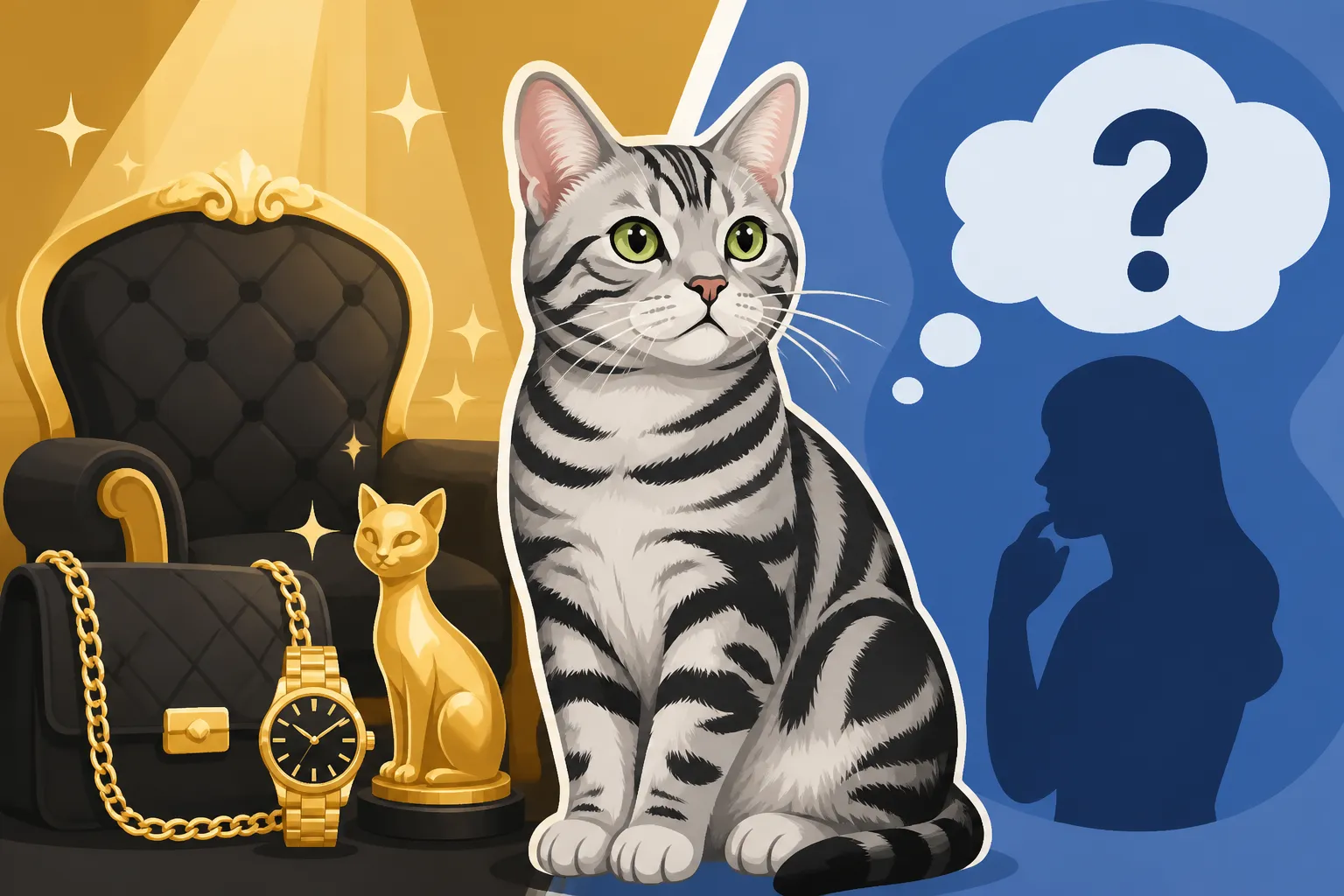
It's easy to look at the world of pedigree cats and wonder if some breeds are simply acquired for bragging rights, a "status purchase" much like a high-end car or designer handbag. With so many beautiful and unique felines out there, it’s a valid question to ask whether the American Shorthair falls into that category. This guide aims to clear up any misconceptions, showing why this wonderfully balanced and beloved breed is chosen for far more substantial reasons than mere prestige.
Understanding the "Status Pet" Concept in the Feline World
When we talk about a "status pet," what do we really mean? Often, it conjures images of rare, exotic, or extremely high-priced animals whose ownership signifies wealth, exclusivity, or a certain trendy cachet. These might be breeds with exaggerated features, incredibly specific care needs, or those originating from far-flung locales, making them difficult and expensive to acquire and maintain. The idea is that the animal itself becomes an accessory, reflecting on the owner's perceived importance rather than being a cherished companion.
The Allure of the Rare and Exotic
For some, the appeal of a status pet lies in its rarity. If only a handful of breeders exist, or if the breed is relatively new and hard to come by, the scarcity itself becomes part of its draw. This is often coupled with a distinctive appearance – perhaps unusual markings, specific coat textures, or unique physical traits that immediately set it apart. Think of certain dog breeds with wild ancestry, or some of the newer, highly stylized cat breeds emerging in recent decades. The more "different" or "unique" an animal appears, the more it might appeal to someone looking for a conversation starter rather than a quiet presence.
Financial Investment as a Statement
Another hallmark of a status pet is often a prohibitive price tag, not just for the initial purchase but for ongoing specialized care. This isn't just about covering quality breeding and veterinary expenses; it’s about a cost that intentionally filters out all but the most affluent buyers. Such expenses might extend to bespoke diets, luxury accessories, or highly specialized grooming services. The act of spending a significant sum, and being able to continue to do so, becomes a public declaration of financial capability. However, as we'll explore, the American Shorthair typically doesn't fit this mold, offering a much more grounded and accessible ownership experience, often with reasonable supply costs found at places like Chewy.
The American Shorthair's Roots: A History That Defies Opulence
To truly understand why the American Shorthair isn't a status symbol, we need to look back at its origins. This isn't a breed born of royal courts or selective breeding experiments for extravagant traits. Quite the opposite, in fact. The American Shorthair's lineage is deeply rooted in practicality, hard work, and survival. They were the original working cats of North America, earning their keep in a very literal sense.
From Ship to Shore: The Mousers of Early America
The ancestors of the American Shorthair weren't brought to the New World in gilded cages. They arrived on ships, often as essential crew members, valued for their ability to control rodent populations. Imagine the long, treacherous voyages across the Atlantic; these cats were indispensable for protecting vital food stores and preventing disease. Once on shore, they continued their invaluable work on farms, in barns, and in early settlements, diligently keeping mice and rats at bay. They weren't admired for their fancy looks, but for their grit, efficiency, and robust health. The Mayflower Cats Behind the American Shorthair tells a fascinating story of these early pioneers.
This demanding lifestyle forged a cat that was hardy, intelligent, and independent. They had to be self-sufficient, capable of fending for themselves and adapting to diverse environments. There was no time or luxury for delicate constitutions or fussy temperaments. Their value was intrinsically tied to their function, not their appearance. This foundational history is key to understanding why they remain such grounded and resilient companions today.
The Evolution from "Domestic Shorthair" to a Recognized Breed
For centuries, these cats were simply known as "Domestic Shorthairs" – a catch-all term for any common, short-haired cat. They were ubiquitous, the everyday felines found in homes across the continent. It wasn't until the early 20th century that fanciers began to recognize the distinct qualities of these native North American cats and decided to develop a breed standard to preserve their robust type. The goal wasn't to create something new and extravagant, but to celebrate and protect the existing, healthy, and functional qualities that had made them so successful.
In fact, it wasn't until 1966 that the breed officially became known as the American Shorthair, a name change intended to distinguish the pedigreed cat from its random-bred cousins. Why the American Shorthair Was Called Domestic Shorthair Until 1966 explains this crucial shift. This historical context strongly argues against the notion of the American Shorthair being a status purchase. Its very foundation is built on utility and widespread presence, not exclusivity.
The Real Reasons People Invest in an American Shorthair
So, if it’s not about status, why do people choose an American Shorthair? The reasons are numerous and deeply rooted in the practical, lovable qualities that have defined the breed for centuries. Owners aren't seeking to impress others; they're looking for a reliable, healthy, and genuinely enjoyable companion.
Health and Longevity: A Pet You Can Count On
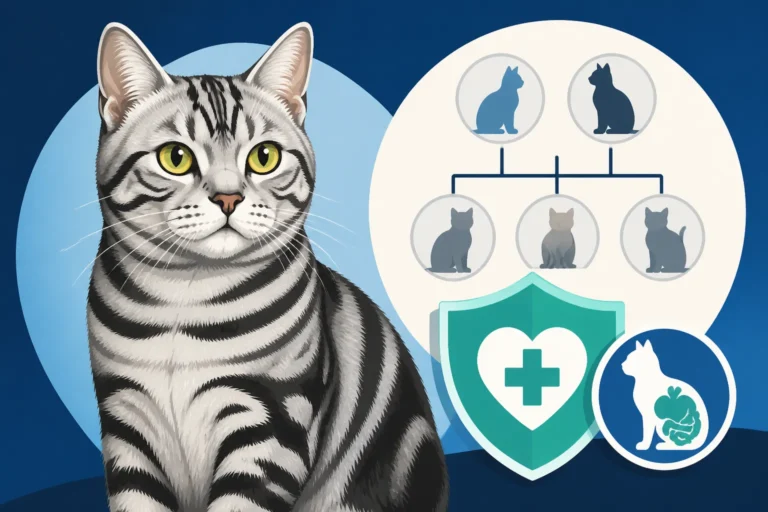
One of the primary draws of the American Shorthair is its reputation for excellent health and impressive longevity. Bred for hardiness rather than extreme aesthetics, these cats tend to avoid many of the genetic health issues that plague more selectively bred or highly specialized breeds. When you bring an American Shorthair into your home, you're investing in a companion with a solid genetic foundation, which often translates to fewer vet visits and a longer, happier life together. The Fifteen to Twenty Years the American Shorthair Was Given speaks to their impressive lifespan.
Of course, responsible ownership still involves regular vet check-ups and preventative care, and many owners choose pet insurance from providers like Healthy Paws for peace of mind. However, the inherent robustness of the breed means that, generally, the cost of their long-term health management tends to be more predictable and less riddled with expensive, breed-specific emergencies. This focus on foundational health is a far cry from a status purchase; it's a wise investment in companionship. What an American Shorthair Pedigree Guarantees often includes health clearances and a commitment to sound breeding.
Temperament and Adaptability: The Ideal Family Cat
The American Shorthair is renowned for its calm, adaptable, and affectionate nature. They strike a wonderful balance between being independent and enjoying human company. They aren't typically "velcro cats" that demand constant attention, but they love to be near their people, offering quiet companionship and enjoying a good cuddle session on their terms. This makes them incredibly suitable for a wide range of households, from bustling families with children and other pets to quieter single-person homes. Why an American Shorthair Fits Any Household delves into their remarkable adaptability.
Their easygoing nature means they cope well with changes, tolerate household noise, and generally integrate seamlessly into daily life without drama. They are intelligent and playful without being hyperactive, enjoying interactive toys and puzzle feeders (which you can easily find at Chewy) that engage their hunting instincts. This harmonious temperament is a treasure for any pet owner and is a far stronger motivation than any fleeting desire for status.
Low Maintenance: Enjoying Your Cat, Not Constantly Caring for It
Another significant factor that draws people to the American Shorthair is their relatively low maintenance. Their short, dense coats require minimal grooming – a quick brush a few times a week is usually all it takes to keep them looking pristine and to manage their seasonal shedding. They are excellent self-groomers, a trait inherited from their working past.
This isn't a cat that needs expensive, professional grooming or a dedicated daily beauty regimen. Their nails stay healthy with appropriate scratching posts, and their ears typically stay clean on their own. This ease of care frees up owners to spend more quality time interacting with their cats, rather than constantly tending to their physical needs. It speaks to a practical choice, valuing ease of living and genuine connection over a showy, high-effort appearance.
Is There an "Expensive" American Shorthair? Deconstructing Price Points
While the American Shorthair isn't a "status purchase" in the traditional sense, that doesn't mean there isn't a range in their initial cost. Understanding these price points helps to further illustrate that the investment isn't about exclusivity, but about the quality of breeding, health guarantees, and supporting responsible practices.
The Cost of Responsible Breeding
A well-bred American Shorthair kitten from a reputable breeder will have an upfront cost, and for good reason. This price reflects the significant investment the breeder makes in ensuring the health, temperament, and genetic soundness of their lines. This includes health screenings for the parents (such as echocardiograms for HCM, even if rare in the breed), quality nutrition for the queen and kittens, appropriate veterinary care, vaccinations, deworming, and socialization. What a Registered American Shorthair Kitten Costs With Papers details these factors.
A responsible breeder also dedicates immense time and effort to raising healthy, well-adjusted kittens. They often provide comprehensive health records, pedigree papers, and a strong support network for new owners. This isn't about artificially inflating a price for status; it's about covering the true costs of ethical breeding and ensuring you bring home a healthy, happy companion. The value here is in the peace of mind and the assurance of a healthy start, not in the cat being an expensive showpiece.
Comparing Costs: Pedigree vs. Rescue
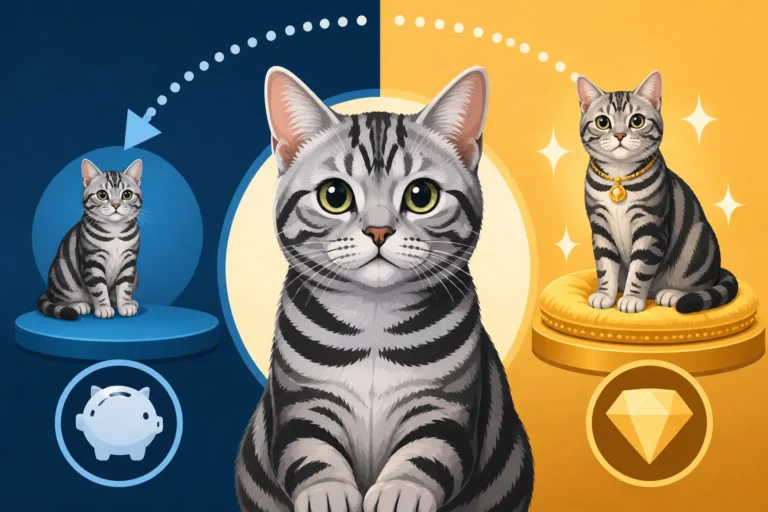
It's true that a pedigreed American Shorthair will cost more than adopting a domestic shorthair from a shelter, but the comparison isn't about status. It's about predictability and guarantees. While a shelter cat is a wonderful choice, and many American Shorthair types can be found there, a pedigreed cat comes with a documented lineage, health history, and a strong assurance of breed-specific traits in terms of appearance and temperament. The cost difference is less about "better" and more about "known."
Consider the long-term investment. While the initial purchase price of a pedigreed American Shorthair might be higher, their generally robust health profile can potentially lead to lower veterinary costs over their lifespan compared to a cat with an unknown history. Investing in quality food also contributes to their overall well-being and can be a significant part of ownership, but it's about health, not luxury.
Here’s a simplified breakdown comparing the general perception of a "status" pet versus the reality of American Shorthair ownership:
| Feature | Perceived for "Status" Purchase | Reality for American Shorthair Ownership |
|---|---|---|
| Origin | Exquisite, rare, royal lineage | Humble working cat, practical rodent control |
| Appearance | Exotic, extreme, flashy | Classic, robust, natural, common tabby patterns |
| Temperament | Demanding, high-maintenance, fragile | Independent, adaptable, low-key, affectionate in its own way |
| Initial Cost | Exorbitant, prohibitive for most | Moderate, reflects responsible breeding practices |
| Ongoing Costs | Specialized luxury items, frequent exotic vet visits | Reasonable upkeep, focus on quality food and preventative care |
| Motivation | Bragging rights, exclusive club membership | Companionship, stable personality, good health, practicality |
Why the American Shorthair's Enduring Appeal Isn't About Bragging Rights
The American Shorthair has enjoyed a consistent and quiet popularity for decades, not because it's a flashy or rare breed, but because it consistently delivers on the promise of a wonderful, uncomplicated companion. Its appeal is timeless, rooted in qualities that truly matter to cat owners.
Authenticity Over Artifice
In a world where many breeds are developed to showcase specific, sometimes exaggerated, traits, the American Shorthair stands out for its authenticity. What an American Shorthair Looks Like by the Standard describes a cat that is well-balanced, sturdy, and natural-looking, much like the cats that roamed barns and ships centuries ago. There's no artifice here, no extreme features that compromise health or function for appearance's sake. What you see is a solid, honest cat.
This straightforward beauty and robust build resonate with owners who appreciate substance over superficiality. They value a cat that looks like a cat, pure and simple, one that reminds them of the beloved tabbies of their childhood, but with the added assurance of a predictable temperament and health history that comes with a pedigree.
A Companion, Not an Accessory
Ultimately, the vast majority of people who choose an American Shorthair do so because they are seeking a loving, steadfast companion. They want a cat that will curl up on the couch for a quiet evening, chase a wand toy with enthusiasm, and greet them with a gentle head-butt after a long day. They want a pet that integrates seamlessly into their lives, offering comfort and joy without demanding excessive attention or specialized care. How Undemanding an American Shorthair Really Is captures this perfectly.
Whether you're looking for a low-maintenance friend or a cat that can handle the hustle and bustle of a busy home, the American Shorthair offers a reliable and fulfilling experience. The emotional connection and the joy of shared moments are the true “return on investment” for an American Shorthair owner, not any fleeting social currency. When owners invest in quality cat food or a comprehensive insurance plan, it's out of love and commitment, not a desire to flaunt. They are enriching their cat's life, which in turn enriches their own.
Long-Term Value and Satisfaction
Owning an American Shorthair offers long-term satisfaction that has nothing to do with external validation. Their health, longevity, and even temperament mean they are less likely to present owners with unexpected, costly problems or behavioral challenges. This stability allows for a deeper, more relaxed bond to form over many years. Whether an American Shorthair Is Cheap to Insure can often be attributed to this consistent good health.
The choice to bring an American Shorthair into one's life is typically a thoughtful one, driven by a desire for a harmonious household and a genuine connection with an animal that embodies strength, gentleness, and enduring charm. It's a testament to the breed's intrinsic qualities that it remains so beloved, proving that true value lies far beyond the realm of status.
Disclaimer
This article is for general informational purposes only and does not constitute professional advice. Laws, prices and regulations vary by location and change over time. Consult a qualified professional for guidance on your specific situation.