Why an Old American Shorthair’s Weight Should Be Tracked
It's a common oversight: your beloved American Shorthair is getting on in years, and you notice their weight seems to be shifting. Maybe they're losing a little, or perhaps they're packing on a few extra ounces, and you're not quite sure if it's just "part of getting old" or something more. The truth is, any change in an older American Shorthair's weight is a crucial signal that deserves your immediate attention, as it can often be the first, quiet indicator of significant underlying health issues. This guide will walk you through why tracking your senior American Shorthair's weight isn't just good practice, but a vital part of proactive health management.
The Deceptive Nature of Weight Changes in Older American Shorthairs
When our feline companions reach their golden years, it's easy to dismiss subtle changes, including shifts in their body weight, as merely signs of aging. We might think a little weight loss means they're just slowing down, or a slight gain is simply a consequence of a more sedentary lifestyle. However, for a breed as naturally robust and stoic as the American Shorthair, these changes are rarely benign and can mask serious health concerns that need addressing.
Why Weight Loss Isn't Always a Good Sign
You might look at your senior American Shorthair, perhaps a cat who was a bit on the chunky side for a few years, and notice they're looking a little leaner. Your first thought might even be relief – "Great, they're finally shedding those extra pounds!" And it's a perfectly understandable reaction; we're often conditioned to associate weight loss with positive health outcomes. However, when it comes to an older cat, unexplained weight loss is almost never a good sign and is a serious red flag that should prompt immediate veterinary attention.
The reality is, that a senior American Shorthair losing weight, especially without a deliberate dietary change, is often indicative of hyperthyroidism, chronic kidney disease, severe dental pain that makes eating difficult, or even insidious conditions like certain types of cancer. These are not minor issues; they are significant illnesses that can drastically impact your cat's quality of life and lifespan if left untreated. For a breed known for its resilience and tendency to hide discomfort, a noticeable drop on the scale means their body is already working overtime to compensate for an internal struggle. This weight loss isn't a solution to previous chunkiness; it's a symptom that demands investigation.
The Hidden Dangers of Weight Gain in Senior Years
Conversely, while many expect an older cat to naturally slow down and potentially lose a little muscle mass, some senior American Shorthairs continue to gain weight as they age. This isn't just about aesthetics; it carries a distinct set of dangers that can seriously compromise their health. An American Shorthair's sturdy, muscular build can sometimes make it harder to spot incremental weight gain, making it even more critical to track their weight. They are naturally broad-chested and substantial, and a few extra pounds can blend in easily with their inherent stockiness, rather than appearing as obvious rolls or sag.
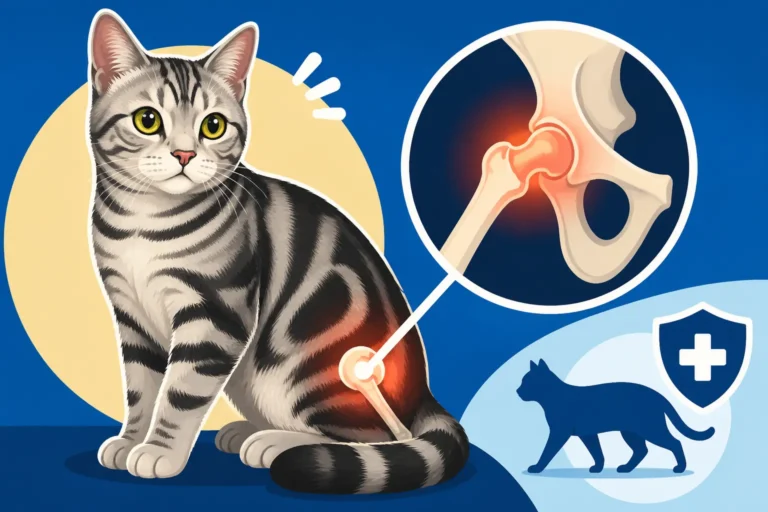
This extra weight puts increased strain on joints that may already be stiffening with age, exacerbating conditions like arthritis and making movement painful. It also places a greater burden on vital organs, including the heart and kidneys, which are already under more stress in an older cat. Furthermore, significant weight gain drastically increases the risk of developing conditions like diabetes, where the body's cells become resistant to insulin. The cycle can be vicious: reduced activity due to age or joint pain leads to weight gain, which then further limits mobility, creating a downward spiral. It's a reminder that what extra weight does to an American Shorthair's working frame is never benign.
The American Shorthair's Stoic Nature Masks Early Symptoms
One of the most endearing, yet challenging, traits of the American Shorthair is their stoicism. These cats are descendants of hard-working, self-sufficient mousers who rarely showed weakness. This inherent toughness means they are masters at hiding pain or discomfort, often until a condition has progressed significantly. You might not see the typical signs of illness that a more vocal or overtly expressive breed might display.
This stoic nature directly impacts how you might notice weight shifts. You might not see them limping or refusing food until they're in considerable pain or have lost a substantial amount of weight. Their subtle changes in behavior or appetite might be so slight that they go unnoticed, especially if you have a busy household. This makes regular, objective weight tracking even more critical for your American Shorthair. By the time you see a problem, your records can show a trend that confirms your suspicions and gives your vet valuable diagnostic information. This breed's quiet resilience means that you, as their caregiver, need to be extra vigilant, paying close attention to these vital, quantifiable metrics.
How Weight Fluctuations Impact an Old American Shorthair's Health
Weight changes in senior American Shorthairs are rarely isolated incidents. Instead, they are often interconnected with complex physiological processes, acting as key indicators for a range of health conditions that affect older cats. Understanding these connections is paramount for providing appropriate care.
Weight Loss and Underlying Health Conditions
When an older American Shorthair starts to lose weight without any deliberate change in their diet, it's not a simple matter of burning more calories. Instead, it often points to a serious underlying medical issue that requires prompt attention. It's a particularly concerning sign because American Shorthairs are known for their sturdy build, so any significant muscle or fat loss is more pronounced than it might appear.
- Hyperthyroidism: This is a common culprit in older cats, where the thyroid gland produces too much hormone. Cats with hyperthyroidism often have a ravenous appetite and seem full of energy, but despite eating a lot, they rapidly lose weight. This increased metabolism puts a strain on their entire system, including their heart. If you've noticed your American Shorthair suddenly eating like a teenager but looking gaunt, hyperthyroidism should be at the top of your vet's diagnostic list. This explains why hyperthyroidism catches a long lived American Shorthair so often.
- Kidney Disease: Chronic kidney disease is another prevalent condition in senior cats. As the kidneys begin to fail, cats often experience nausea, a reduced appetite, and increased thirst. This leads to dehydration and, critically, muscle wasting and weight loss. The gradual onset means it can creep up on an old American Shorthair, with weight loss often being one of the earlier signs that something is amiss. Checking which blood values matter most in an American Shorthair can help diagnose this.
- Dental Disease: Imagine trying to eat with a throbbing toothache or painful gums. That's what many senior cats experience. Severe dental disease, including gingivitis, periodontitis, or painful tooth resorption, can make eating incredibly uncomfortable. Even if your American Shorthair is hungry, the pain prevents them from consuming enough calories, leading to gradual weight loss. Why an American Shorthair loses teeth nobody noticed is a significant factor here, as many owners don't check their cat's mouth regularly.
- Cancer: Unfortunately, cancer is a risk for any aging animal, and it can manifest in various ways. Many types of cancer cause cachexia, a wasting syndrome characterized by profound weight loss, muscle atrophy, and fatigue, even if the cat is still eating. The subtle nature of cancer's early stages often means weight loss is one of the first overt symptoms.
- Diabetes: While often associated with weight gain, sometimes diabetes can initially present with weight loss despite an increased appetite, particularly in its uncontrolled stages. The body isn't able to use glucose properly for energy, so it starts breaking down fat and muscle instead.
Weight Gain and Its Consequences for the Aging Body
On the other side of the coin, weight gain in an older American Shorthair, while perhaps seemingly less alarming than weight loss, carries its own set of serious health implications. Their sturdy, compact frame, which once served them well as efficient hunters, can become a disadvantage when excess fat accumulates.
- Joint Pain and Arthritis: This is arguably one of the most immediate and impactful consequences of weight gain in older cats. Just like in humans, extra weight puts enormous strain on already aging and stiffening joints. If your American Shorthair is showing signs like reluctance to jump, difficulty using the litter box, or just generally slowing down, that extra weight could be a major contributing factor to worsening arthritis. This is particularly relevant given why an old American Shorthair slows before it limps.
- Increased Risk of Diabetes: How weight turns into diabetes in an American Shorthair is a serious concern. Obesity is a primary risk factor for type 2 diabetes in felines. Excess fat tissue can lead to insulin resistance, meaning the body's cells don't respond effectively to insulin, causing blood sugar levels to rise. Managing feline diabetes can be a significant commitment, impacting both your cat's quality of life and your finances.
- Heart and Respiratory Strain: A heavier body requires the heart to work harder to pump blood, and the lungs to work harder to oxygenate it. This increased workload can exacerbate any pre-existing heart conditions or lead to new ones, reducing your cat's overall stamina and making them more prone to respiratory issues.
- Reduced Mobility and Grooming: An overweight senior cat will inevitably find it harder to move around, jump, and even groom themselves properly. This can lead to a dull, matted coat, skin infections, and even behavioral problems due to discomfort and a feeling of being unclean. You might notice they can't reach their back or tail area as easily. This is also linked to why an old American Shorthair loses muscle first, as the body struggles to support excess fat.
- Urinary Issues: While not exclusively tied to weight, obesity can increase the risk of urinary tract infections and bladder stone formation, particularly in male cats due to their narrower urethras. A heavier cat may also find it harder to get into certain litter box positions, potentially leading to accidents or infrequent urination, which can worsen urinary health. For male American Shorthairs, this highlights why a male American Shorthair's urethra blocks first if issues arise.
Practical Steps for Tracking and Managing Your Senior American Shorthair's Weight
Understanding the risks associated with weight changes is the first step; the next is implementing a proactive strategy to monitor and manage your senior American Shorthair's weight effectively. This involves a combination of consistent home monitoring, timely veterinary consultations, and thoughtful adjustments to their diet and lifestyle.
Establishing a Baseline and Regular Monitoring
The most crucial element in managing your senior American Shorthair's weight is to know what their healthy weight actually is and to track it consistently. Don't rely on guesswork or visual assessment alone, as their sturdy build can be deceptive.
- Get a Baseline: The very first step is to get an accurate starting weight. Your veterinarian can provide this at your next check-up. This "healthy weight" isn't necessarily what they weighed as a young adult, but rather what a vet deems appropriate for their current age and condition. Once you have this number, you have something to measure against.
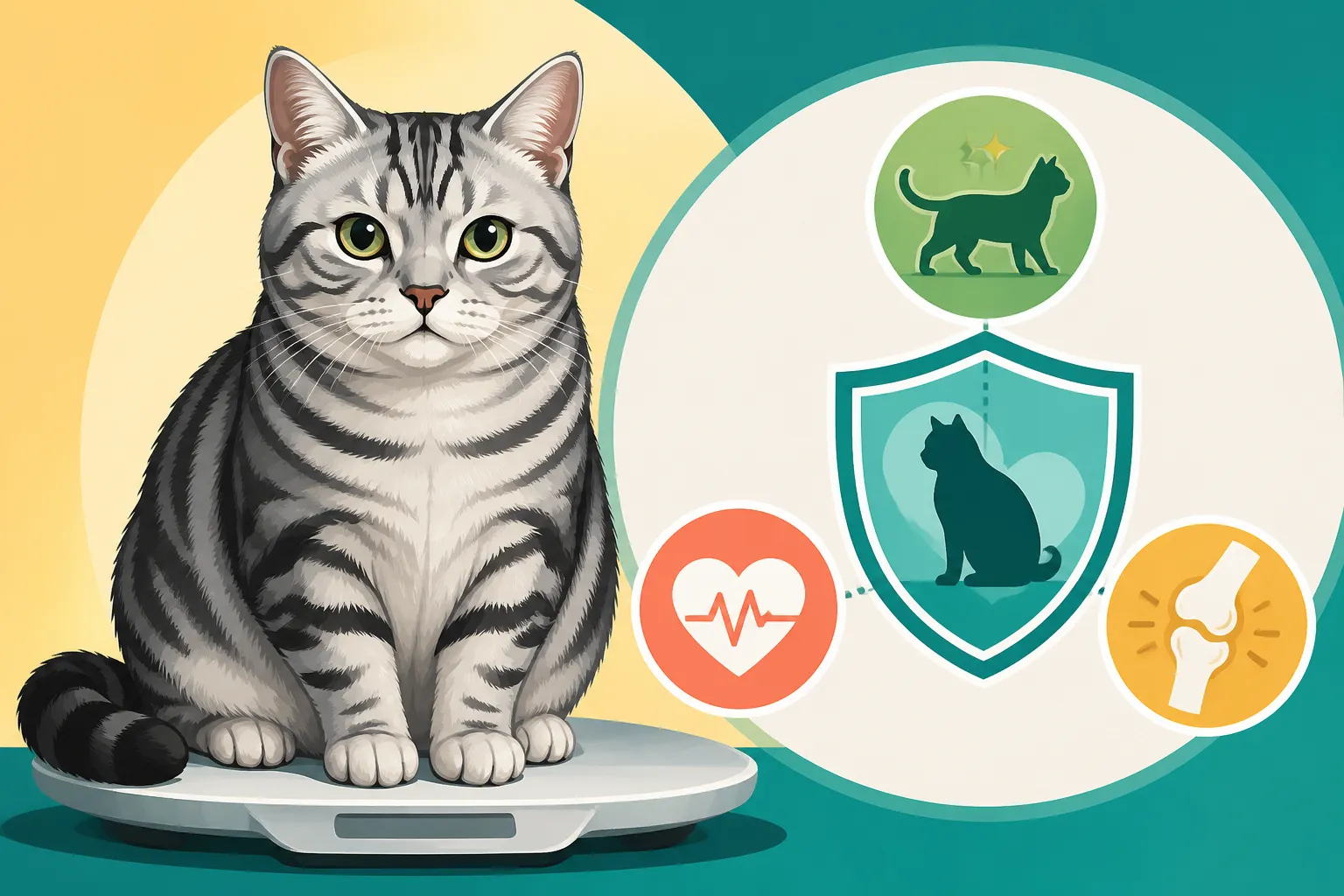
- Invest in a Scale: A small pet scale or even a baby scale can be invaluable for accurate home monitoring. Alternatively, you can use a regular bathroom scale by weighing yourself, then weighing yourself while holding your cat, and subtracting the difference. Whichever method you choose, make sure it's consistent.
- Regular Weigh-ins: Aim for weekly or bi-weekly weigh-ins. This regularity allows you to spot trends before they become drastic. Pick a specific day and time, and try to do it under similar conditions (e.g., before breakfast).
- Keep Records: A simple notebook, a spreadsheet, or even a pet tracking app can help you log the date, weight, and any observations. This creates a powerful record for both you and your vet. Note down changes in appetite, water intake, activity levels, or bathroom habits. These details, combined with weight data, paint a much clearer picture of your cat's health. You'll quickly learn how to spot weight gain on a square built American Shorthair by seeing the numbers creep up. This continuous tracking is essential for caring for an American Shorthair past twelve.
When and How to Consult Your Veterinarian
Weight tracking is a tool, not a diagnosis. The information you gather is most powerful when shared with your veterinarian. Knowing when to reach out is key to early intervention.
- Don't Wait for Drastic Changes: If you notice a consistent trend of weight loss or gain, even if it seems minor, don't wait until your cat looks visibly emaciated or obese. A change of just 5-10% of their body weight can be significant for a cat. An unexpected shift of even a pound or two, especially over a short period, warrants a call to the vet. Remember, your American Shorthair is inherently stoic, so by the time they show obvious signs, the underlying issue may be quite advanced. This is why a stoic American Shorthair hides pain the longest.
- Bring Your Records: When you do consult your vet, bring your detailed weight records and any notes on changes in behavior, appetite, thirst, or litter box habits. This objective data is incredibly valuable for your vet to assess the situation and guide their diagnostic approach.
- Be Prepared for Diagnostics: Your vet will likely recommend a thorough physical exam and potentially diagnostic tests such as bloodwork (a senior panel to check organ function, thyroid levels, and blood cell counts), and urinalysis. These tests help pinpoint the cause of the weight change. Early detection through these tests can lead to more effective treatment and better outcomes. It's reassuring to know that options like Healthy Paws pet insurance can help cover unexpected vet bills for diagnostics and treatments if your American Shorthair develops an illness.
Dietary Adjustments and Lifestyle Considerations
Once any underlying medical conditions are addressed, or if the weight change is primarily due to lifestyle factors, dietary and environmental adjustments become crucial.
- Senior-Specific Diets: Many premium pet food brands offer formulations specifically for senior cats. These diets are often designed with appropriate protein levels to maintain muscle mass (because why an old American Shorthair's muscle goes before its fat is a real concern), controlled calorie counts to prevent weight gain, and sometimes added supplements for joint health or kidney support. Your vet might also recommend a prescription diet tailored to a specific condition, like kidney disease or diabetes.
- Portion Control and Feeding Schedule: Free-feeding (leaving food out all day) is a common culprit for weight gain. Switch to portion-controlled meals, ideally 2-3 times a day. If weight loss is the issue, smaller, more frequent meals might be better tolerated and encourage more calorie intake.
- Enrichment Feeding: Make mealtime a bit of a challenge again, tapping into your American Shorthair's natural hunting instincts. Puzzle feeders or hiding small portions of their daily food allowance around the house can encourage movement and mental stimulation, helping to burn a few extra calories and make them "work" for their food, much like their ancestors did. This is a great way to provide engagement without overfeeding.
- Encourage Gentle Activity: While a senior cat won't be as boisterous as a kitten, gentle play is still important. Short, supervised play sessions with a wand toy can keep them moving and engaged. Create easy-to-access perches and comfortable, low-impact climbing opportunities.
- Hydration is Key: Ensure your American Shorthair always has access to fresh water. Multiple water bowls placed in different locations, or even a pet water fountain, can encourage increased water intake, which is vital for kidney health and overall well-being.
- Regular Veterinary Check-ups: Even if your cat seems healthy, annual or bi-annual check-ups (as recommended by your vet for senior cats) are non-negotiable. These routine visits are where potential problems can be caught early, allowing for proactive management rather than reactive crisis intervention.
Disclaimer
This article is for general informational purposes only and does not constitute professional advice. Laws, prices and regulations vary by location and change over time. Consult a qualified professional for guidance on your specific situation.