Whether an American Shorthair’s Cat Flap Is Worth the Risk
It's a familiar dilemma for so many of us cat parents: you want to give your beloved American Shorthair the best of both worlds – the comfort and safety of home, but also the stimulating joy of outdoor exploration. The idea of a cat flap, granting them the freedom to come and go as they please, sounds idyllic. Yet, the moment you start imagining your feline friend slipping through that little door, a whole host of anxieties can rush in. Is that convenience really worth the potential dangers lurking outside, or the security risks it might pose to your home? This guide aims to thoroughly explore whether an American Shorthair's cat flap is worth the risk, diving deep into the pros, cons, and smarter solutions to help you make an informed decision for your furry family member.
The Allure of Outdoor Access for an American Shorthair
There’s no denying the magnetic pull of the great outdoors for many cats, and the American Shorthair is certainly no exception. These are cats with a rich history, a robust build, and an inquisitive nature that often yearns for more than just the living room rug.
Tapping into Their Ancestral Hunting Instincts
Let’s be honest, your American Shorthair might be a pampered house cat now, but deep down, they carry the echoes of generations of working cats. Their ancestors weren't just decorative companions; they were vital members of the household, earning their keep by keeping vermin at bay on farms and ships. This strong lineage means that an American Shorthair still hunts, whether you want it to or not. Even in a perfectly secure home, you'll see them stalking dust bunnies, pouncing on toys, and endlessly fascinated by birds outside the window.
Providing outdoor access, even via something as simple as a cat flap, can feel like you're honoring that innate drive. It allows them to engage in natural behaviors that are hard to fully replicate indoors. The rustle of leaves, the scent of fresh earth, the thrill of chasing a bug – these are all experiences that tap directly into their genetic programming. Without an outlet for these instincts, some cats can become restless, destructive, or even withdrawn. We often talk about how much simulated hunting an American Shorthair needs to stay content, and for some, actual outdoor time is the ultimate simulation.
The Joy of Freedom and Exploration
Beyond just hunting, there’s a pure, unadulterated joy that many cats derive from simply exploring. An American Shorthair, with its confident and generally placid temperament, often thrives on having its own territory to patrol. A cat flap allows them to define their own boundaries, investigate new smells, and engage with the world on their terms. This autonomy can be a huge boost to their mental well-being, combating boredom and preventing some of the behavioral issues that can arise from a lack of stimulation.
Imagine your cat basking in a sunbeam on the patio, climbing a low branch, or just watching the world go by from a safe perch in the garden. For many owners, seeing their cat genuinely happy and engaged with its environment is incredibly rewarding. This sense of freedom isn't just about physical activity, though a cat flap certainly contributes to that, potentially helping to manage weight and avoid issues like obesity is what ending the American Shorthair's job cost it. It's about providing a rich, varied sensory experience that an indoor-only environment, no matter how well-equipped, simply cannot fully replicate.
Understanding the Risks Associated with Cat Flaps
While the idea of a free-roaming, happy cat is wonderful, we also have to be realistic about the very real dangers that come with granting unrestricted outdoor access through a cat flap. These risks aren't just minor inconveniences; they can be life-threatening and costly.
Uninvited Guests and Security Concerns
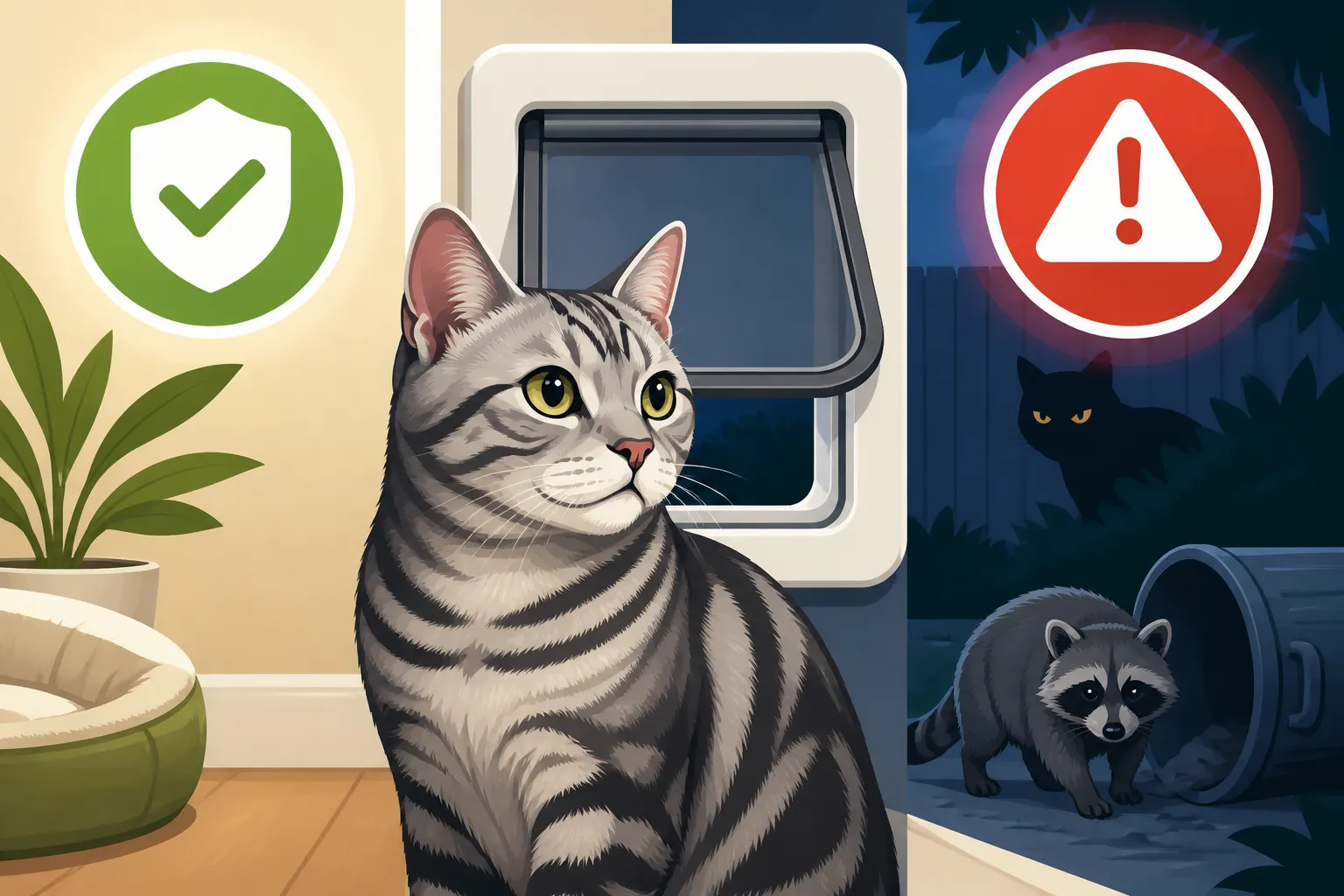
One of the most immediate concerns with a cat flap, especially for those living in suburban or urban areas, is the potential for uninvited guests. And I'm not just talking about the neighbor's cat. A standard cat flap is essentially a small, unsecured opening into your home. This can unfortunately be an open invitation for local wildlife – think raccoons, opossums, skunks, or even stray cats looking for warmth and food. Not only can these animals cause damage inside your home, but they can also bring parasites or diseases, creating a stressful and potentially dangerous situation for your American Shorthair.
Beyond wildlife, there's the human element. While it might seem unlikely, a cat flap can also be exploited by burglars, especially larger ones that might not be as immediately obvious. An adventurous person could potentially use the flap to unlock a nearby door or window, gaining easy access to your home. Even if direct entry isn't possible, a flap makes your home appear less secure, a detail that opportunistic individuals might pick up on. It's a trade-off: convenience for your cat versus the security of your home and family.
Accidents, Injuries, and External Dangers
The outdoor world, while stimulating, is also fraught with peril for a curious cat. This is perhaps the biggest and most heartbreaking category of risk. Traffic accidents are a primary concern, especially in areas with busy roads. A moment of distraction, a sudden chase, and your nimble American Shorthair can unfortunately become a victim. According to the ASPCA, road traffic accidents are a leading cause of injury and death for outdoor cats.
Beyond cars, there are countless other ways an American Shorthair can get hurt outside:
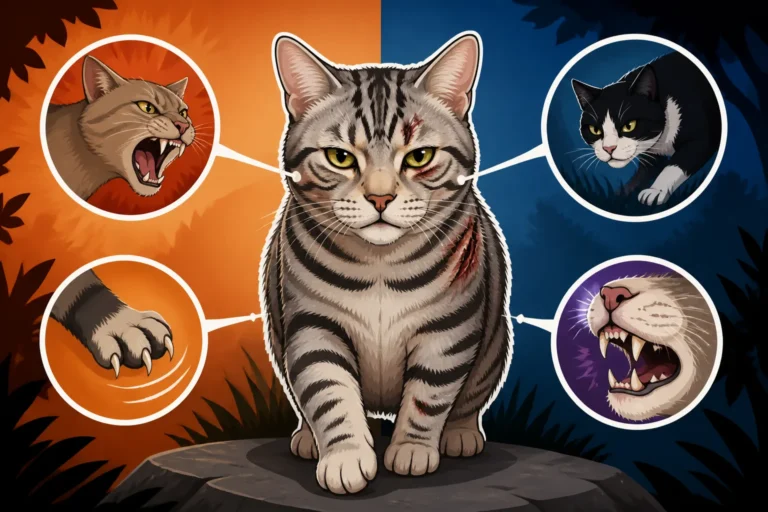
- Fights with other animals: Neighborhood cats, dogs, or even larger wildlife can inflict serious injuries, leading to painful abscesses, deep wounds, or even transmission of diseases like FIV.
- Poisons and toxins: Antifreeze, rodenticides, pesticides, and common garden chemicals are all highly toxic to cats and can be found in yards or public spaces. A curious sniff or lick can be fatal.
- Getting lost or trapped: Cats, even those familiar with their territory, can get disoriented, chased, or accidentally locked in sheds, garages, or basements, especially when they roam far.
- Cruelty from humans: Sadly, not everyone is kind to animals, and outdoor cats are vulnerable to intentional harm or accidental injury from people who don't appreciate them.
These are the risks an outdoor American Shorthair takes that an indoor one does not. The thought of your calm, self-sufficient companion encountering such dangers is enough to give any owner pause.
Exposure to Diseases and Parasites
Another significant downside to outdoor access via a cat flap is the increased risk of exposure to a host of nasty diseases and parasites. Even with regular vet visits and vaccinations, a cat that roams freely is simply more vulnerable.
- Parasites: Fleas, ticks, and various internal worms (roundworms, hookworms, tapeworms) are easily picked up from the environment or from hunting prey. While treatments exist, prevention is an ongoing battle, and heavy infestations can lead to anemia, discomfort, and other health problems. We constantly worry about which parasites an outdoor American Shorthair picks up.
- Infectious Diseases: Feline Leukemia Virus (FeLV) and Feline Immunodeficiency Virus (FIV) are highly contagious and often transmitted through bites from infected cats during fights. While there's a vaccine for FeLV, it's not 100% effective, and FIV has no vaccine. These diseases can severely compromise a cat's immune system, leading to a host of secondary illnesses and a significantly shortened lifespan. Whether an outdoor American Shorthair needs FeLV cover is a common question, and the answer is almost always yes.
- Other Illnesses: Upper respiratory infections, ringworm, and other bacterial or viral infections can spread quickly among outdoor cat populations. Even seemingly minor illnesses can become serious if left untreated.
The financial and emotional toll of treating these conditions can be immense. While pet insurance, like policies from Healthy Paws, can help with the financial burden of unexpected vet bills, preventing these exposures in the first place is always the best course of action for your cat's long-term health.
Weighing the Risks Against the Benefits for Your American Shorthair
It’s clear that there are significant pros and cons to allowing your American Shorthair free access via a cat flap. Making the right decision often comes down to a careful evaluation of your specific circumstances and your cat's individual needs and personality.
Assessing Your Specific Environment
The context of your living situation plays an enormous role in how risky a cat flap truly is. What's perfectly fine in one home might be a recipe for disaster in another.
- Urban Environments: If you live in a bustling city with heavy traffic, tall buildings, and minimal green space, the risks skyrocket. The concrete jungle is not an ideal playground for a cat. High-rise living, even with a small balcony, presents fall risks. The exposure to traffic, aggressive stray animals, and potentially dangerous human interactions is far greater. In such environments, the benefits of outdoor access through a cat flap are heavily outweighed by the dangers, and controlled, supervised outdoor time (like a catio or harness training) might be a much safer alternative.
- Suburban Areas: Suburbs offer a mix of challenges. While there might be more green space, traffic can still be significant, and there are often more neighborhood cats, dogs, and wildlife to contend with. Pesticides and other lawn chemicals are also more common here. The general "busyness" of a suburban street often means a cat flap comes with a moderate to high risk, depending on the specific street and immediate surroundings.
- Rural or Low-Traffic Areas: If you're fortunate enough to live on a quiet farm, a large property away from main roads, or in a very sparsely populated area, the risks associated with traffic diminish considerably. However, rural areas bring their own set of challenges: larger predators (coyotes, foxes, raptors), farmers' traps, and a higher prevalence of parasites from wildlife. Even in these seemingly idyllic settings, the phrase "out of sight, out of mind" can apply, and monitoring your cat's health closely for any signs of injury or illness becomes paramount. Understanding which injuries an outdoor American Shorthair comes home with is essential, no matter the environment.
Behavioral Considerations for Your Cat
Every American Shorthair is an individual, and their unique personality and prior experiences will influence how they cope with outdoor access.
- The Fearful or Shy Cat: If your American Shorthair is naturally timid, easily startled, or has a history of being nervous, a cat flap might introduce more stress than benefit. A shy cat might find the outdoor world overwhelming, leading to anxiety or even hiding behaviors that make it difficult to monitor their well-being. They may also be less equipped to defend themselves against other animals.
- The Confident and Assertive Cat: A bold, adventurous American Shorthair might thrive on exploring, but this confidence can also lead them into more dangerous situations. They might be more prone to wander far from home, engage in territorial disputes, or take risks that a more cautious cat would avoid. For these cats, the challenge isn't convincing them to go out, but ensuring their safety once they do.
- The Experienced Outdoor Cat: If your American Shorthair has always had outdoor access, suddenly restricting it can be incredibly distressing and lead to behavioral problems like inappropriate urination or increased vocalization. However, if you're introducing outdoor access for the first time, or considering a cat flap for a previously indoor-only cat, you have more control over the transition. For those considering if whether an American Shorthair's cat flap is worth the risk, knowing your cat's disposition is key. A balanced approach that provides controlled enrichment is often the best.
The Compromise: Controlled Outdoor Access Options
If the risks associated with a traditional cat flap seem too high, but you still want to give your American Shorthair some taste of the outdoors, there are excellent compromises available. These options provide the stimulation without the constant worry.
- Catios (Cat Patios/Enclosures): A catio is a safe, enclosed outdoor space that allows your cat to experience fresh air, sunshine, and natural sights and sounds without any of the inherent dangers. They can be elaborate custom-built structures or simple DIY kits attached to a window or door. Catios offer security from predators, prevent your cat from getting lost, and eliminate the risk of traffic accidents. For an American Shorthair that loves to observe, a catio provides an elevated, secure vantage point for patrolling their domain. Many owners find that whether a catio satisfies an American Shorthair's drive, it does a pretty good job.
- Supervised Leash Walks: While not every cat takes to a harness and leash, many American Shorthairs can be trained to enjoy walks. This allows you to explore safe areas with your cat, providing mental and physical exercise under your direct supervision. It requires dedication and patience to introduce the harness properly, but the reward is shared outdoor adventures and controlled exposure to new environments.
- Window Perches and Screened-in Porches: Even simpler solutions like a secure window perch overlooking a bird feeder or a fully screened-in porch can offer a tremendous amount of sensory enrichment. Your American Shorthair can watch the world go by, feel the breeze, and hear the sounds of nature, all from the safety of home.
Practical Considerations and Smart Solutions for Cat Flaps
If you've weighed the risks and benefits, and you're still leaning towards a cat flap for your American Shorthair, modern technology offers some compelling solutions that can significantly mitigate many of the traditional concerns.
Advanced Cat Flap Technology and Security Features
Forget the basic, swinging flap of yesteryear. Today's cat flaps are often intelligent devices designed with safety and security in mind, addressing some of the core frustrations owners face.
- Microchip-Activated Cat Flaps: These are a game-changer. Instead of opening for any animal, these smart flaps scan your cat's unique microchip (or an RFID collar tag) before granting entry or exit. This means only your American Shorthair can use the flap, effectively keeping out neighborhood cats, raccoons, and other unwelcome guests. Brands like SureFlap are well-known for their reliable microchip cat flaps. This feature significantly boosts home security and prevents territorial disputes inside your home, a particular concern if you have other pets.
- Timed Access Control: Many advanced cat flaps allow you to program specific times when your cat can go outside or come back in. This is incredibly useful for keeping your American Shorthair indoors during dangerous hours, such as night (when predators are more active and visibility for drivers is low) or during peak traffic times. You could, for example, set the flap to allow access only during daylight hours, from 8 AM to 6 PM.
- Robust Construction and Draft Proofing: Modern cat flaps are often built with stronger, more durable materials, making them harder for pests or intruders to force open. They also feature better sealing and insulation, which is a major bonus for energy efficiency, preventing drafts and heat loss that a basic flap often causes. This is especially important if you're installing the flap in a main door.
Mitigating Risks When Using a Cat Flap
Even with advanced technology, implementing a cat flap still requires thoughtful consideration and proactive measures to ensure your American Shorthair's safety.
- Microchipping and Up-to-Date ID: This is non-negotiable. If your cat gets lost, a microchip is their best chance of being reunited with you. Ensure your contact information is current with the microchip registry. A collar with an ID tag (though it can sometimes come off or get snagged) provides immediate identification.
- Vaccinations and Parasite Prevention: An outdoor American Shorthair must be fully vaccinated against core feline diseases and should receive additional vaccines like FeLV, especially if they are going to interact with other cats. Regular, year-round flea, tick, and worm prevention is also crucial, as they will undoubtedly pick up which parasites an outdoor American Shorthair picks up. Discuss a comprehensive plan with your veterinarian.
- Supervision and Safe Zone Creation: If possible, try to create a safe outdoor "zone" for your cat. This could involve secure fencing (though cats are master climbers!), or simply being present in the yard while your cat is outside, especially during their initial explorations. Keeping your yard free of toxic plants and chemicals is also vital.
- Nighttime Lock-down: Even with a timed flap, consider manually locking the cat flap at night. The risks of fights, accidents, and encounters with nocturnal predators dramatically increase after dark. Ensuring your American Shorthair is indoors at night is one of the easiest ways to significantly reduce danger.
- Regular Health Checks: Because outdoor cats are more exposed, be extra vigilant about checking your American Shorthair for injuries, parasites, or any changes in behavior after they come inside. A quick once-over can catch a burr in their fur, a tick, or a minor cut before it becomes a bigger problem. Regular vet check-ups are also more important than ever for an outdoor cat.
The decision about a cat flap is deeply personal, balancing your desire for your cat's enrichment with your responsibility for their safety. For many American Shorthair owners, a combination of smart technology and careful management can make the cat flap a viable, enriching option.
| Cat Flap Type | Description | Pros | Cons | Ideal for |
|---|---|---|---|---|
| Standard/Manual | Basic plastic flap, often with a simple 2-way or 4-way locking mechanism. | Inexpensive, easy to install. | No security against other animals; potential drafts; less secure. | Very low-risk areas with no other pets; highly supervised access. |
| Magnetic | Opens only for a collar magnet worn by your cat. | Keeps out most stray animals. | Magnets can be lost; other cats with similar magnets can gain entry. | Areas with a few curious strays, but not high-security needs. |
| Infrared (IR) | Uses an infrared key on the collar to activate the flap. | More selective than magnetic; less common for other pets to have. | Keys can be lost; battery dependent; other IR devices might trigger. | Owners wanting a step up in security from magnetic flaps. |
| Microchip/RFID | Scans your cat's unique microchip (or an RFID tag on their collar). | Highly secure (only your cat gets in/out); keeps out wildlife. | Higher initial cost; relies on cat's microchip/tag; battery dependent. | Most common recommendation for American Shorthairs; high-security needs. |
| Programmable/Timer | Often combined with microchip or IR, allows setting specific access times. | Excellent for keeping cats in at night or during dangerous hours. | Higher cost; requires regular programming/battery checks. | Owners wanting maximum control over when their American Shorthair goes out. |
Disclaimer
Please remember that the information provided in this article is for general guidance only and should not be considered a substitute for professional veterinary advice. Every cat is unique, and individual circumstances, health conditions, and environmental factors can vary greatly. Always consult with your veterinarian for personalized recommendations regarding your American Shorthair's health, care, and safety, especially when making decisions about outdoor access or installing a cat flap.