How Often an Outdoor American Shorthair Needs Flea Treatment
As a cat parent to an American Shorthair, allowing your beloved feline friend to explore the great outdoors brings a mix of joy and anxiety. While it’s wonderful to see them embrace their natural instincts, the outdoor world also introduces a host of risks, not least among them the dreaded flea. Figuring out how often your adventurous American Shorthair needs flea treatment isn't just a matter of checking a box; it's about understanding their lifestyle, your local environment, and finding a consistent routine that keeps them comfortable and healthy. This guide will walk you through everything you need to know to protect your indoor/outdoor American Shorthair from these persistent pests.
Understanding the Outdoor Environment and Flea Risk for American Shorthairs
It's a common misconception that fleas are only a summer problem, or that a quick comb-through is enough to catch them. For an American Shorthair, a breed known for its robust health and strong natural instincts, venturing outside means a much higher chance of encountering these tiny, tenacious parasites. Their historical role as working cats, adept at hunting, means they're naturally inclined to explore bushes, tall grasses, and other areas where fleas love to lurk, increasing their exposure exponentially.
Why Outdoor American Shorthairs Are More Susceptible
Our American Shorthairs, with their heritage as formidable mousers and barn cats, possess a deep-seated instinct to patrol and explore. This isn't just about chasing butterflies; it’s about investigating every rustle in the leaves, every scent in the undergrowth. Whether they’re stalking squirrels in your backyard, navigating the neighborhood, or simply enjoying a sunbath in a patch of tall grass, they are actively entering prime flea territory. Fleas don't just jump onto your cat from nowhere; they often lie in wait in shaded, moist areas like leaf litter, overgrown shrubs, and even under decks, ready to hitch a ride on any passing mammal.
Consider the journey of an outdoor cat: they might brush against a stray opossum that passed through your yard overnight, interact with a neighborhood cat, or even investigate an abandoned bird's nest. Each of these encounters is a potential vector for fleas. Unlike their indoor counterparts, who might only encounter fleas brought in by another pet or a human, outdoor American Shorthairs are constantly exposed to the primary source. This constant exposure means their risk level isn't just elevated; it's practically a given. It also highlights The Risks an Outdoor American Shorthair Takes That an Indoor One Does Not, extending beyond just parasites to injuries and other health concerns.
Signs Your American Shorthair Might Have Fleas
Spotting fleas on a domestic shorthair, even one as well-built as an American Shorthair, can be tricky due to their dense coat. However, fleas rarely come alone, and their presence usually manifests in a few clear ways. One of the most common signs is excessive scratching, licking, or biting, especially around the base of the tail, groin, and neck. If your usually placid American Shorthair suddenly seems obsessed with grooming or starts grooming herself with an almost frantic energy, it’s a red flag.
Another tell-tale sign is "flea dirt," which looks like tiny specks of black pepper on their skin or bedding. This isn't actually dirt; it's flea feces, composed of digested blood. You can easily test for it by placing some suspected flea dirt on a damp paper towel. If it turns reddish-brown, it's definitely flea dirt. In severe cases, you might even see the fleas themselves, tiny reddish-brown insects scuttling quickly through the fur, often most visible on the belly or inner thighs. Beyond the obvious physical signs, some cats develop Flea Allergy Dermatitis (FAD), a severe allergic reaction to flea saliva. Even a single flea bite can trigger intense itching, redness, scabs, and hair loss in affected cats. If you notice any of these symptoms, it's time for a thorough check and swift action.
Navigating Flea Treatment Schedules and Options
Deciding on the frequency of flea treatment isn't a one-size-fits-all situation. It depends on a variety of factors, and what works for your neighbor’s cat might not be ideal for your American Shorthair. It’s a bit like figuring out How Many Years an American Shorthair's Diet Runs – it requires consistency and attention to individual needs. The key is understanding these variables and choosing a treatment plan that offers consistent protection.
Factors Influencing Treatment Frequency
The climate where you live plays a huge role. In warmer, humid regions like Florida or the Gulf Coast, fleas can be a year-round menace, thriving in the consistent temperatures. This often necessitates continuous, monthly treatment. In areas with distinct cold winters, such as the Northeast or Midwest, flea populations might dwindle during the freezing months, leading some owners to consider seasonal treatment. However, central heating in homes can create a perpetually favorable environment for fleas indoors, meaning year-round protection is often still advisable even in colder climates.
Local flea prevalence is another critical factor. Has there been a recent surge in fleas in your area? Are your neighbors reporting issues with their pets? Information from your local vet or even online community groups can be invaluable. The presence of other pets in your household, both indoor and outdoor, also influences the risk. If you have multiple cats or dogs, especially if some are indoor-outdoor, the flea burden can increase exponentially, making consistent, multi-pet treatment essential. Finally, the specific product you choose dictates the schedule; some are monthly, others quarterly, and certain collars can last much longer.
Common Flea Treatment Products and Their Schedules
The market for flea treatments is vast, offering various formulations and application methods, each with its own recommended schedule.
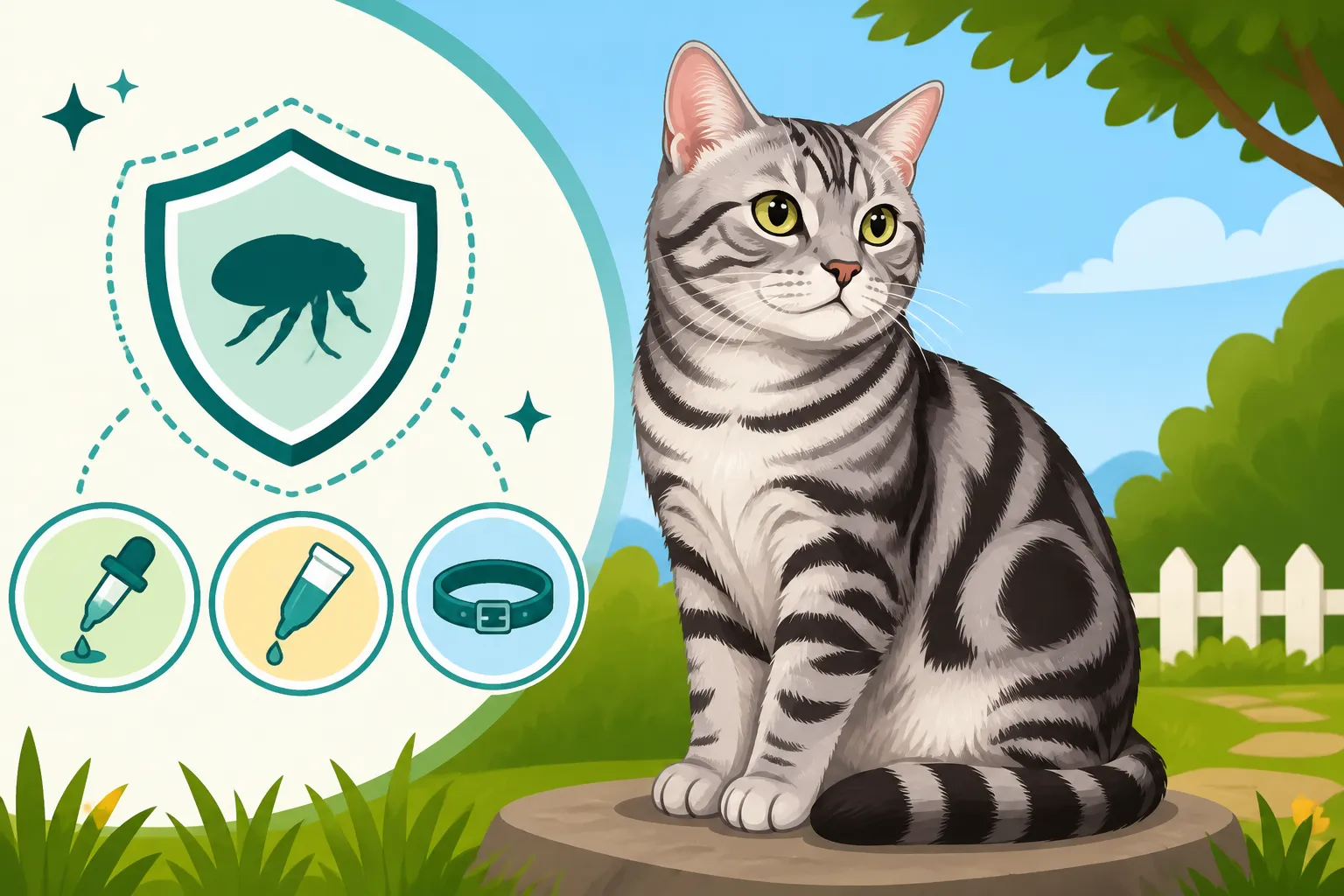
- Topical Spot-Ons: These are liquid medications applied to a small area of skin, usually between the shoulder blades. Brands like Frontline Plus, Advantage II, and Revolution Plus are popular. They typically work by spreading across the cat’s skin and coat, killing fleas on contact or as the fleas bite. Most topical treatments need to be applied monthly. Revolution Plus, for instance, offers broad-spectrum protection against fleas, ticks, ear mites, roundworms, hookworms, and heartworms, making it a powerful monthly choice for outdoor cats who are at higher risk of various parasites.
- Oral Medications: Available as chewable tablets, these treatments work from the inside out. Popular oral options include Bravecto, Credelio, and Comfortis. Bravecto offers extended protection, often lasting up to 12 weeks (3 months) against fleas and ticks, which can be convenient for owners who prefer less frequent dosing. Credelio is a monthly oral treatment, while Comfortis is also typically given monthly. These can be particularly good for cats who dislike topical applications or for households with small children who might accidentally touch the application site.
- Flea Collars: Modern flea collars have come a long way from the ineffective, chemical-laden collars of the past. The Seresto collar, for example, releases active ingredients that distribute across the pet's skin and coat, offering protection against fleas and ticks for up to 7-8 months. This longer duration can be a big draw for busy pet parents. However, it's crucial to ensure the collar fits properly and doesn't irritate your cat's skin.
Always read the instructions carefully for any product you choose and never use dog flea treatments on cats, as ingredients can be toxic to felines. A quick chat with your veterinarian is always the best first step to determine which product and schedule are right for your American Shorthair, considering factors like their age, weight, and existing health conditions.
Holistic Approaches and Environmental Control
While chemical treatments are highly effective, a multi-pronged approach often yields the best results, especially for an outdoor American Shorthair. Environmental control is paramount to breaking the flea life cycle, as adult fleas on your cat represent only about 5% of the total flea population in an infested environment. The other 95% are eggs, larvae, and pupae lurking in your home and yard.
Indoors, regular vacuuming of carpets, rugs, upholstery, and even cracks in hardwood floors is essential. Pay close attention to areas where your American Shorthair spends most of their time, like their favorite sleeping spots or the sofa where they might relax after a patrol. Immediately empty the vacuum bag outside to prevent fleas from escaping back into your home. Regularly washing your cat's bedding, blankets, and any soft toys in hot water can also kill flea eggs and larvae.
For your yard, keeping grass trimmed short and clearing leaf litter can reduce prime flea habitats. Some yard treatments are available, but it's important to use them with extreme caution, as many can be harmful to pets, beneficial insects, and local wildlife. Always choose pet-safe options and follow directions meticulously. Natural deterrents like diatomaceous earth (food grade) or certain essential oils (diluted and applied cautiously, as many are toxic to cats) are sometimes suggested, but their effectiveness against established flea infestations is often limited and should not replace veterinary-approved treatments. Remember, your goal is to not only kill the fleas on your cat but also to eliminate the next generation lying in wait in your environment.
Crafting a Personalized Flea Prevention Plan for Your American Shorthair
Every American Shorthair is unique, and their flea prevention needs will reflect that individuality. A personalized plan takes into account their specific health, lifestyle, and the particular challenges of your local environment. This is where a partnership with your veterinarian becomes invaluable, as they can help you navigate the nuances and ensure your cat stays protected without unnecessary risks.
Consulting Your Veterinarian
There's truly no substitute for expert advice when it comes to your cat's health. Your veterinarian knows your American Shorthair's medical history, any allergies they might have, and their general temperament. For example, if your cat has a sensitive stomach, an oral medication might not be the best choice, or if they have a history of skin irritation, certain topical products could be problematic. Your vet can also assess your local flea pressure and recommend the most effective and safest product. They can discuss the pros and cons of different treatments, explaining how each works and its potential side effects.
Regular veterinary check-ups are important not just for flea prevention, but for monitoring overall health. For instance, your vet can conduct tests to check for Which Parasites an Outdoor American Shorthair Picks Up, including internal parasites that often accompany fleas. These visits are also a great opportunity to get a professional opinion on things like Why an American Shorthair Still Needs a Yearly Heart Scan or to assess their joint health, much like How a Vet Assesses an American Shorthair's Hips, especially as they age. A healthy, well-cared-for American Shorthair is better equipped to handle any health challenge, including flea infestations.
Year-Round vs. Seasonal Treatment
For most outdoor American Shorthairs, year-round flea treatment is the gold standard. Even in colder climates where flea activity outdoors might cease, fleas can still survive and thrive indoors, nestled in carpets, bedding, and furniture. A single flea brought in during the warmer months can lay eggs that develop into a full-blown infestation over the winter, especially with your home's consistent heating creating a cozy breeding ground. Many vets in North America now recommend year-round protection, regardless of climate, precisely because of this indoor survival potential.
However, if you live in an exceptionally cold region with truly harsh winters and your American Shorthair is strictly indoors during those months, you might discuss a seasonal approach with your vet. But even then, vigilance is key. It only takes one stray flea to start a problem, and waiting until you see fleas means you’re already behind the curve. Consistency is crucial; fleas have a rapid breeding cycle, and missing even one dose can open a window for an infestation to take hold.
The Role of Insurance in Flea Prevention
While routine flea prevention costs are generally considered part of pet ownership and are not typically covered by standard pet insurance plans, having a robust pet insurance policy like Healthy Paws can still be incredibly beneficial. Why? Because fleas aren't just an annoyance; they can lead to significant health issues that are covered by insurance.
For example, severe flea infestations can cause anemia, especially in kittens or older cats, requiring veterinary intervention and sometimes even blood transf—all covered expenses. As mentioned earlier, many cats develop Flea Allergy Dermatitis (FAD), leading to intense itching, skin infections, and hair loss. The diagnostic tests, medications, antibiotics for secondary infections, and follow-up visits for FAD would likely be covered by a comprehensive policy. If your American Shorthair develops a systemic illness from parasites transmitted by fleas, such as Bartonella (cat scratch disease), the cost of diagnosis and treatment could quickly escalate, making insurance a financial lifeline. While you’ll budget for the monthly preventive, Healthy Paws can provide peace of mind that if prevention fails or leads to complications, you won't be facing unexpected, high veterinary bills alone.
| Treatment Type | Application Method | Typical Frequency | Pros | Cons |
|---|---|---|---|---|
| Topical Spot-On | Liquid, skin application | Monthly (e.g., Advantage, Frontline, Revolution Plus) | Easy to apply, waterproof once dry, often broad-spectrum. | Some cats dislike application, can leave residue, potential skin irritation. |
| Oral Medication | Chewable tablet | Monthly or Quarterly (e.g., Bravecto, Credelio, Comfortis) | No residue, good for cats sensitive to topicals, very effective. | Some cats may resist taking pills, potential gastrointestinal upset. |
| Flea Collar | Collar worn around neck | 7-8 Months (e.g., Seresto) | Long-lasting, continuous protection, hands-off. | Potential for irritation, risk of getting caught, some cats object to collars. |
Disclaimer
The information provided in this article is for general informational purposes only and is not a substitute for professional veterinary advice. Always consult with your veterinarian regarding your American Shorthair's specific health needs and before making any decisions about their medical care or treatment plan.