How Wide the American Shorthair’s Gene Pool Really Is
It’s a common worry for anyone considering a purebred cat: are you inadvertently signing up for a lifetime of health issues due to a constricted gene pool? Many modern breeds are beautiful, but their origins often trace back to a handful of individuals, leading to a host of inherited problems. Thankfully, with the American Shorthair, you can often breathe a sigh of relief, and this guide will delve into just how broad this beloved breed's genetic foundation truly is.
The Deep Roots of the American Shorthair's Ancestry
To truly understand the breadth of the American Shorthair's gene pool, we have to travel back in time, long before formal breed registries and cat shows existed. These cats weren't bred for fancy features or specific coat colors; they were bred by necessity, by nature itself, to be robust, adaptable survivors. Their journey began not in a cattery, but on the open seas and the bustling new settlements of North America.
Journey from Working Cat to Pedigree
Imagine the early sailing ships making their perilous journeys across the Atlantic. These vessels weren't just carrying people and cargo; they were also carrying invaluable crew members: cats. These felines, the ancestors of today's American Shorthair, were essential workers, tasked with keeping rat and mouse populations in check, protecting precious food stores and preventing structural damage to the ships. They weren't carefully selected for their looks, but for their tenacity, their hunting prowess, and their overall hardiness. This natural selection meant that only the strongest, healthiest, and most adaptable cats survived the harsh conditions and reproduced, inadvertently creating a diverse and resilient genetic foundation.
Once on American soil, these cats continued their vital work on farms, in barns, and in burgeoning towns. They were known simply as "domestic shorthairs" – a catch-all term for any short-haired housecat. They mingled freely, interbreeding with other domestic cats that arrived from various parts of Europe. This constant influx of new genetics from a wide variety of unpedigreed cats meant there was no bottleneck event where only a few individuals contributed to the next generation, a common issue in many other breeds. Instead, their gene pool remained expansive, a true melting pot of feline DNA shaped by utility rather than aesthetics.
The Role of Natural Selection in Genetic Diversity
Natural selection is a powerful force when it comes to maintaining a wide and healthy gene pool. For centuries, American Shorthair ancestors were subjected to an environment where only the fittest survived. Cats with genetic predispositions to serious health issues, poor immunity, or weak constitutions simply didn't thrive or reproduce. This isn't to say every cat was perfect, but the cumulative effect was a population that, as a whole, was remarkably robust. This contrasts sharply with many modern breeds, where human intervention, often prioritizing specific aesthetic traits, can inadvertently lead to the proliferation of less desirable genetic traits within a smaller, closed gene pool.
When you look at why Function Left the American Shorthair Fewer Faults, it directly relates to this history. These cats weren't "designed" by humans in the way many breeds are today. Their form followed function, and that function was survival and effective pest control. This meant a moderate build, excellent health, and a balanced temperament were naturally selected for, rather than exaggerated features that might come with genetic costs. This continuous filtering process over hundreds of years ensured that the breed retained a diverse genetic makeup, giving it an inherent advantage in terms of overall health and longevity.
How Registration Practices Shaped the American Shorthair Gene Pool
While the breed's origins ensured a naturally wide gene pool, the formalization of the American Shorthair breed in the early 20th century also played a significant role in preserving this genetic breadth. Unlike some breeds that started with a very limited number of foundation cats, the American Shorthair's registration process was, for a considerable period, quite inclusive.
Open Studbooks and Foundation Stock
When the Cat Fanciers' Association (CFA) first recognized the breed (then known as the Domestic Shorthair) in the early 1900s, the concept of a "purebred" cat was still quite nascent in North America. To establish the breed, the registries allowed for the inclusion of well-typed domestic shorthair cats as "foundation stock." This meant that if a cat exhibited the desired physical traits and temperament of the emerging breed standard, it could be accepted into the registration process, even if its ancestry wasn't formally documented for generations.
This practice of an "open studbook" for many years was crucial. It meant that fresh genetic material was regularly introduced into the official gene pool from the broader population of healthy, random-bred domestic cats. This prevented the kind of genetic isolation that can rapidly narrow a gene pool and lead to inbreeding depression or the concentration of recessive genetic diseases. Essentially, Whether Registering Random Bred Cats Kept the American Shorthair Sound is a resounding yes in this breed's case. It was a forward-thinking approach that recognized the breed's landrace origins and sought to preserve its inherent health.
Deliberate Outcrossing and Genetic Refresh
Even after the initial period of establishing foundation stock, breeders were, for a time, allowed and even encouraged to perform controlled outcrosses to specific other breeds or high-quality domestic shorthairs to introduce new genetic lines and maintain vigor. While this practice is generally less common now for established American Shorthair lines, the historical allowance of such outcrosses means that the genetic diversity of the breed was regularly "refreshed" rather than being confined to a shrinking pool.
This historical willingness to bring in new blood stands in contrast to some other breeds that quickly closed their studbooks, isolating themselves genetically. The emphasis for the American Shorthair was on maintaining a healthy, robust, and functional cat, traits that are inherently linked to a wide and varied gene pool. What an American Shorthair Pedigree Predicts About Health, therefore, is generally a positive outlook, backed by generations of selective breeding for soundness and vitality, rather than just superficial beauty.
The American Shorthair's Current Genetic Landscape and Health Advantages
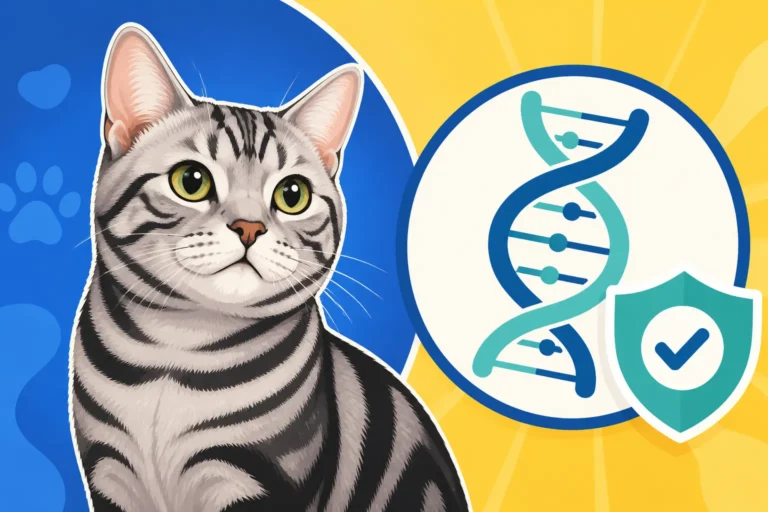
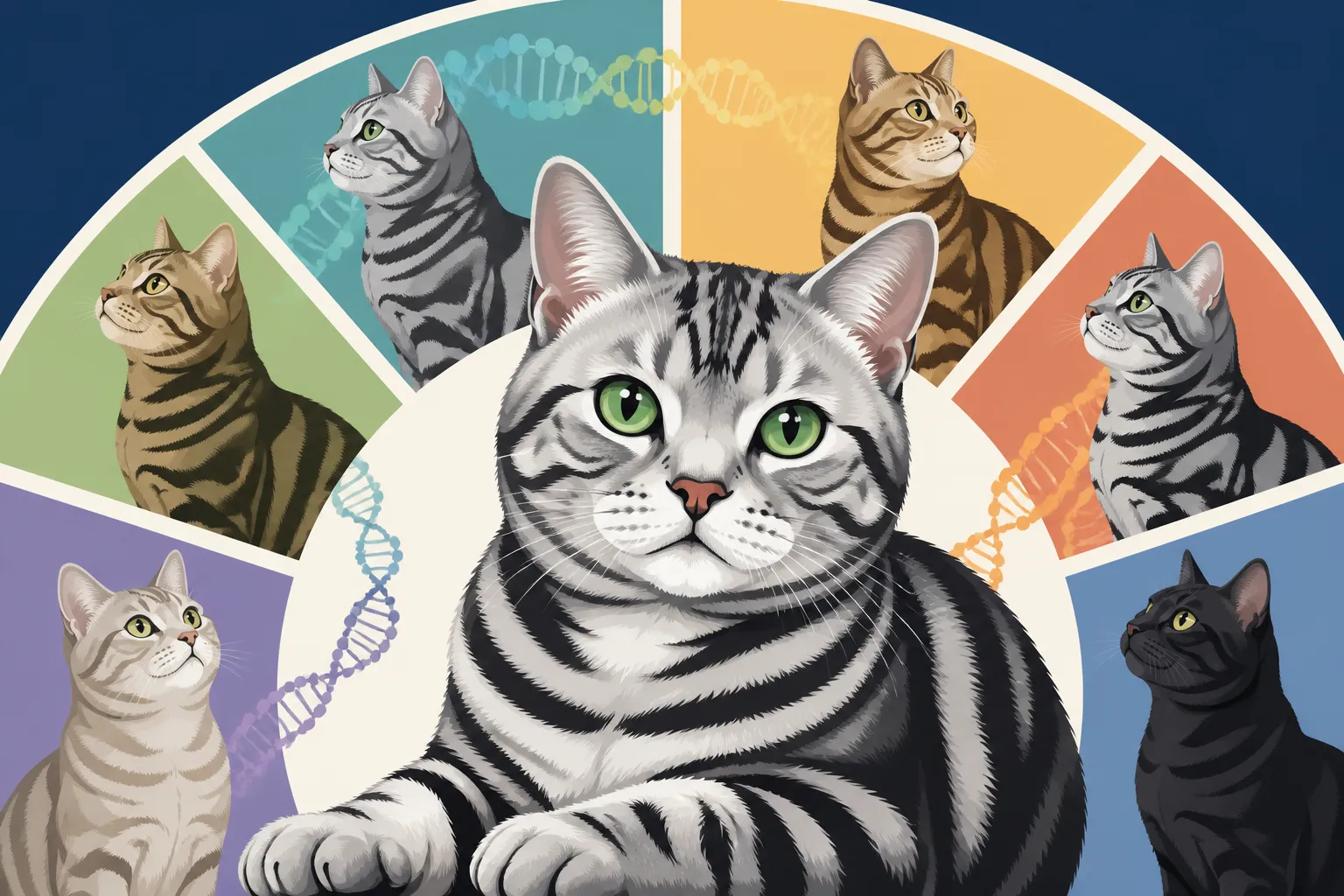
Today, the American Shorthair enjoys one of the widest and healthiest gene pools among pedigree cat breeds. This extensive genetic diversity is a significant advantage, translating directly into a healthier, more resilient cat for owners.
Measuring Genetic Diversity
While it's difficult to give a precise "number" for the width of a gene pool, genetic diversity can be assessed through various markers and by looking at the breed's overall health statistics. One common metric is the inbreeding coefficient (COI), which estimates the probability of two genes at any given locus being identical by descent. For many American Shorthair lines, particularly those from reputable breeders focused on health, these COI numbers are generally lower than in breeds with more limited foundations. This indicates a good level of genetic variety within the breed.
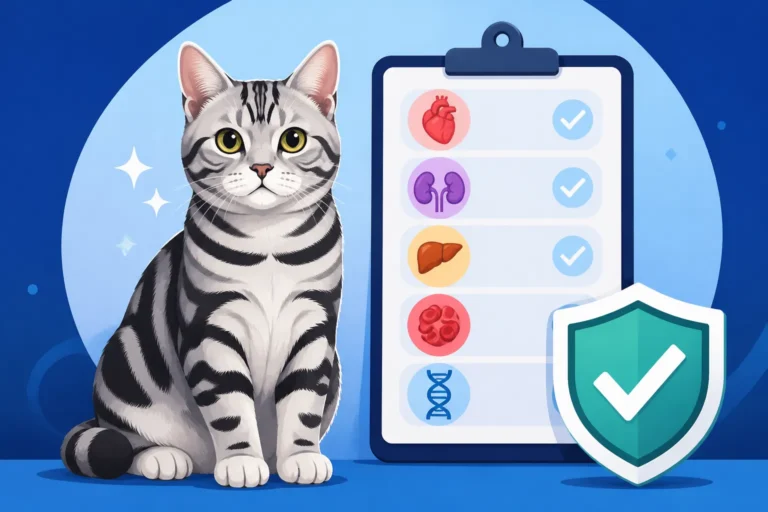
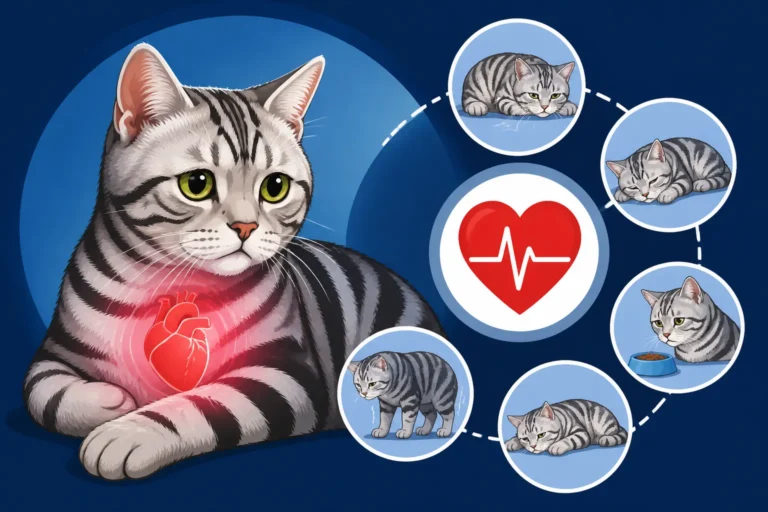
Furthermore, when considering What an American Shorthair Breeder Should Have Screened, you'll find a relatively short list compared to some other breeds. While responsible breeders will always screen for conditions like hypertrophic cardiomyopathy (HCM), which can affect any cat breed, the American Shorthair does not typically come with a laundry list of breed-specific genetic diseases that require extensive DNA panels or repeated testing. This is a direct benefit of their broad genetic heritage. This inherent robustness is why The American Shorthair Is the Control Group of Cat Breeding in many genetic studies, offering a baseline for what a healthy, un-exaggerated cat breed should be.
Health Benefits of a Wide Gene Pool
A wide gene pool acts as a buffer against many inherited diseases. When there's a large variety of genes, the chances of two individuals carrying the same problematic recessive gene mating are significantly reduced. This means fewer instances of genetic health conditions cropping up within the breed. For American Shorthair owners, this often translates to fewer unexpected vet bills and a generally healthier companion throughout their life. It's one of the reasons why an American Shorthair Costs a Vet Less Than a Persian or other breeds known for more extensive genetic predispositions.
While no cat is immune to illness, the American Shorthair’s robust genetic background means they are less prone to the severe, debilitating conditions that can plague breeds with very narrow gene pools. This also makes pet insurance, like a plan from Healthy Paws, even more valuable, as it covers those unexpected accidents or illnesses that can affect any cat, ensuring you can provide the best care without financial strain.
A comparison of genetic diversity metrics can be quite illuminating:
| Breed Characteristic | American Shorthair | Breeds with Narrow Gene Pools (e.g., some highly specialized breeds) |
|---|---|---|
| Origin | Landrace, natural selection, working cats | Selective breeding for specific traits, small founder populations |
| Studbook History | Initially open, incorporated domestic shorthairs for diversity | Quickly closed, limited founder stock |
| Inbreeding Coefficient (COI) | Generally lower, reflecting good genetic variation | Often higher, indicating closer genetic relationships |
| Prevalence of Inherited Diseases | Relatively low, few breed-specific genetic conditions | Higher risk of specific genetic diseases |
| Genetic Mutations | Broad genetic base, less chance of concentrating harmful mutations | Higher chance of specific mutations becoming widespread |
| Overall Health | Known for robustness and general good health | Can be prone to specific health issues, requiring vigilant screening |
Implications for American Shorthair Owners
For you, as an American Shorthair owner or prospective owner, this wide gene pool is fantastic news. It means you are likely bringing home a cat with excellent foundational health, reducing the likelihood of encountering complex, expensive, or heartbreaking genetic conditions. Of course, all cats need proper care, nutrition, and regular vet check-ups. Even with a naturally healthy breed, routine preventive care is paramount. Regular check-ups can catch any potential issues early, and having pet insurance from a provider like Healthy Paws can help manage costs for treatments, should they ever be needed.
The American Shorthair's impressive average lifespan, often allowing them to reach The Fifteen to Twenty Years the American Shorthair Was Given, is a testament to this robust genetic heritage. This wide gene pool is one of the key factors that makes them such a popular choice, not just for their calm demeanor and classic good looks, but for their promise of a long, healthy life as a beloved family member. While Whether the American Shorthair Gene Pool Is Still Open to new foundation cats is a complex and evolving topic within the breed councils, the foundation of broad genetic diversity laid centuries ago continues to serve the breed exceptionally well.
How the American Shorthair Compares to Other Breeds
When you consider the genetic landscape of various cat breeds, the American Shorthair truly stands out as a beacon of genetic health and diversity. This isn't just a matter of luck; it's a direct result of their unique history and the deliberate choices made by early breeders to preserve their natural vigor.
Compared to Breeds with Smaller Gene Pools
Many popular pedigree cat breeds, especially those developed more recently or those with highly distinctive "designer" looks, can trace their lineage back to a very small number of foundation cats. For instance, a particular mutation for folded ears, curly fur, or a unique head shape might have appeared in a single cat, and all subsequent members of that breed are descended from that cat and a few others. While this creates a recognizable and often adored breed type, it inevitably restricts the gene pool. The smaller the pool, the higher the likelihood of inbreeding and the concentration of undesirable recessive genes, leading to a higher incidence of breed-specific health problems.
In stark contrast, the American Shorthair's history as a widespread working cat across a continent meant that its genetic diversity was vast from the outset. This isn't a breed built on a single genetic "quirk" but on a multitude of robust, healthy individuals that thrived in diverse environments. This makes for a cat that, while still distinct and recognizable, carries fewer genetic liabilities. This directly impacts How Long the American Shorthair Lives Against Other Pedigrees, often placing them among the longest-lived and healthiest purebreds.
Advantages of a Well-Managed Gene Pool
The ongoing responsible breeding practices for the American Shorthair, which typically prioritize health and temperament alongside adherence to the breed standard, continue to safeguard its genetic integrity. Breeders understand the value of a broad gene pool and strive to make thoughtful pairings that avoid concentrating undesirable traits. This often involves carefully researching pedigrees to ensure genetic distance and selecting breeding cats that have undergone recommended health screenings.
This careful management, coupled with the breed's inherently diverse origins, ensures that genetic diseases are less prevalent compared to many other breeds. While no breed is entirely free from health concerns, the wide gene pool means that when issues do arise, they are often less widespread or severe, making them more manageable through veterinary care, which can be supported by robust pet insurance plans from providers like Healthy Paws. This commitment to health means that an American Shorthair owner can usually look forward to a pet that is not only a joy to live with but also generally resilient and healthy throughout its life.
Disclaimer
Please remember that while the American Shorthair generally boasts a wide and healthy gene pool, every individual cat is unique. This article provides general information and should not replace professional veterinary advice. Always consult with a qualified veterinarian regarding your cat's specific health needs and concerns.