Why an American Shorthair Stops Jumping to the Counter
It’s a sight many American Shorthair owners become accustomed to: your sturdy, agile companion effortlessly leaping onto the kitchen counter, the top of the fridge, or that favorite high perch by the window. These cats, with their natural athleticism and innate curiosity, often seem to defy gravity with their impressive jumps. So, when that familiar, confident leap suddenly falters, or worse, stops altogether, it’s not just a minor change in behavior; it’s a big, flashing signal that something isn't right. This guide is here to walk you through the common reasons why your American Shorthair might be avoiding those high places and what steps you can take to help them.
The American Shorthair's Natural Predisposition to Jumping
Before we dive into why your cat might stop jumping, let's appreciate why they start jumping in the first place. American Shorthairs descend from working cats, built for strength, agility, and the hunt. Their physical prowess isn't just for show; it's deeply ingrained in their genetic makeup and behavioral patterns. These aren't dainty, fragile creatures; they are robust athletes.
The Hunter's Leap: Instinct and Muscle
Centuries of selective breeding, or rather, natural selection in barns and on ships, forged the American Shorthair into a highly effective predator. This lineage blessed them with a powerful, muscular build, particularly in their hindquarters, designed for explosive short bursts of speed and impressive vertical leaps. They possess strong bones and resilient joints that, for the majority of their lives, handle the impact of jumping and landing with ease. Think about their ancestors—they weren't just chasing mice on the ground; they were leaping onto hay bales, scaling wooden beams, and dropping down from elevated positions to ambush prey. This isn't just play; it's a deeply ingrained hunting sequence. For an American Shorthair, a high vantage point isn't just a place to relax; it's a strategic lookout, a safe haven, and often, a prime spot to observe their "territory" – your home. If a cat bred for this kind of action suddenly loses the desire or ability to access these spaces, it's a stark indicator that their physical well-being is compromised.
Why an American Shorthair Needs Vertical Space
Beyond hunting, vertical space provides immense psychological enrichment for an American Shorthair. Cats are territorial animals, and the ability to survey their domain from above contributes to their sense of security and control. Imagine being constantly at ground level, vulnerable to every passing footstep or curious child. Elevating themselves allows them to observe without being directly involved, reducing stress and enhancing their sense of safety. They love basking in sunbeams on a window sill or napping on top of a tall cat tree. When these accessible high spots become off-limits due to physical discomfort, it can lead to frustration, increased anxiety, and a general decline in their quality of life. Owners might notice their cat staring longingly at a favored shelf they can no longer reach, or exhibiting a hesitant approach to a jump they once made without a second thought. This isn't laziness; it's a clear sign of an underlying issue that needs attention.
Age-Related Joint and Musculoskeletal Concerns
The most common culprit behind an American Shorthair stopping its counter jumps is often the quiet, insidious creep of age-related wear and tear on their bodies. Just like us, as cats get older, their joints don't move with the same effortless grace they once did. This isn't just about slowing down; it can be genuinely painful.
Arthritis and Degenerative Joint Disease
Arthritis, or osteoarthritis, is a progressive and painful condition where the protective cartilage in joints wears down over time. This leads to bone rubbing against bone, causing inflammation, pain, and stiffness. It's incredibly common in older cats, with studies suggesting that a significant majority of senior felines suffer from it, often undetected. For an American Shorthair, whose working frame depends on powerful, healthy joints, arthritis can be particularly debilitating. You might not see them limping dramatically at first, because cats are masters at hiding pain. Instead, you might notice subtle changes: a reluctance to jump, a slower ascent, or a brief pause before committing to a leap. They might spend more time sleeping, become less interested in play, or even groom themselves less effectively because twisting and turning is uncomfortable. It's a cruel irony that a breed known for its robust health can eventually succumb to such a common, yet often overlooked, ailment. Many owners might dismiss these signs as "just getting old," but it's crucial to understand that "getting old" doesn't have to mean "living in pain." If you're observing these subtle shifts, it's time to consider that their joints might be crying out for help. Addressing this early can significantly improve their comfort and mobility. To learn more about recognizing discomfort, you might find our article, How an American Shorthair Shows Its Joints Hurt, particularly insightful.
Hip Dysplasia in American Shorthairs
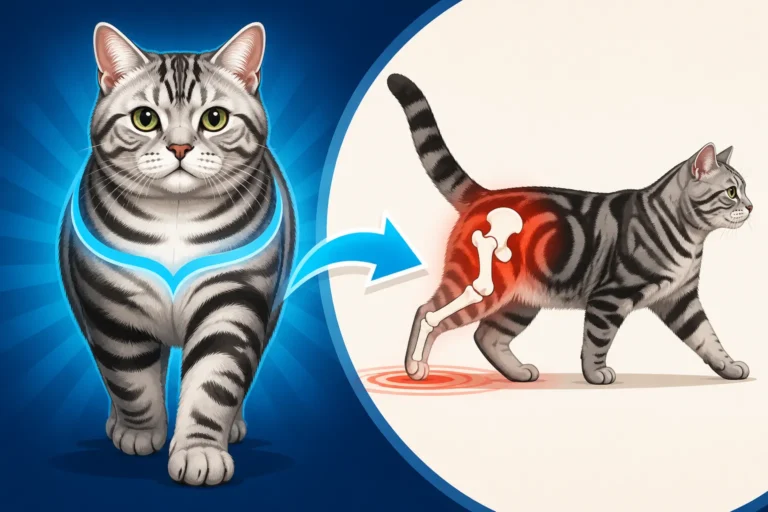
While more commonly associated with larger dog breeds, hip dysplasia can affect cats, including the American Shorthair. This condition involves an abnormal formation of the hip socket, leading to instability, pain, and eventually, degenerative joint disease (arthritis). Because American Shorthairs are known for their sturdy, square builds and powerful hindquarters, any structural imperfection in the hips can significantly impact their ability to jump and move freely. A cat with hip dysplasia might exhibit a bunny-hopping gait, struggle to climb stairs, or avoid any activity that puts strain on their hips, such as jumping. They might also become less tolerant of being touched in the hip area. Breeders of American Shorthairs should ideally be screening for such conditions, though it's not as prevalent a concern as in some other breeds. However, if your cat is experiencing mobility issues, especially as they mature, asking your vet about hip health is a wise step. Our article, Why a Broad Chested American Shorthair Puts Weight Through Its Hips, offers further context on how their build relates to hip health.
Muscle Loss and Weakness
Even without severe arthritis, simply losing muscle mass, a condition known as sarcopenia, can make jumping a daunting task for an aging American Shorthair. Muscle provides the power for the leap and the cushioning for the landing. As cats age, their bodies become less efficient at maintaining and building muscle, especially if they are less active due to discomfort or other health issues. This loss of strength can turn a once effortless jump into a challenging, or even impossible, feat. You might notice your cat looking thinner over their back and hips, even if their overall weight hasn't changed dramatically. Their hind legs might appear less defined, and their movements might seem less fluid. This weakness compounds any joint pain they might be experiencing, creating a vicious cycle where pain leads to inactivity, which leads to muscle loss, which then exacerbates the pain and limits mobility even further. Sometimes, even if the pain is managed, the sheer lack of strength can be a major barrier.
Underlying Health Conditions Affecting Mobility
While joint issues are often the first suspect, a reluctance to jump can also be a symptom of a wider range of underlying health problems that affect an American Shorthair's overall well-being and energy levels. It’s important to consider the full picture.
Pain from Injury or Other Illnesses
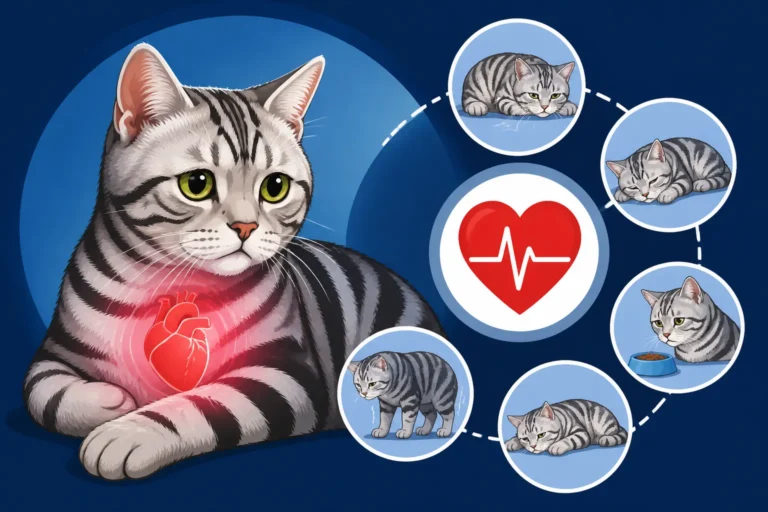
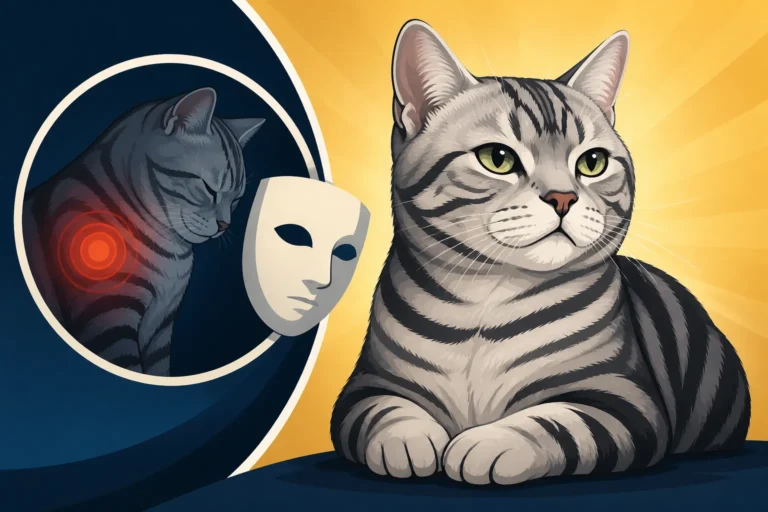
Cats are incredibly stoic animals, often hiding pain as a survival instinct. A sudden stop in jumping might not be due to a chronic condition, but rather an acute injury that’s gone unnoticed. A strained muscle, a sprain, a minor fracture, or even a deep bruise could make jumping excruciatingly painful. Cats can get into all sorts of mischief, from a bad landing off a low surface to a tumble during an enthusiastic play session. Beyond physical injuries, internal pain from organ issues, dental problems (which can make eating and general activity uncomfortable), or even a urinary tract infection can reduce a cat's overall energy and willingness to engage in strenuous activities. A painful tooth, for example, might not seem related to jumping, but if your cat feels unwell or uncomfortable, they're less likely to exert themselves. That's why a thorough veterinary check-up is always the first step. For more on subtle signs of pain, consider reading Why a Limp in a Stoic American Shorthair Is Never Minor.
Obesity: The Silent Mobility Killer
In our modern indoor environments, many American Shorthairs are at risk of becoming overweight or obese. The shift from a working life where they earned their meals to a pampered existence with readily available food can lead to significant weight gain. An extra pound or two on a cat might not seem like much to us, but for a creature weighing around 10-15 pounds, it's equivalent to a human carrying an extra 15-30 pounds or more. This excess weight puts immense strain on their joints, accelerates the development of arthritis, and simply makes any physical exertion, like jumping, much harder. Imagine trying to jump high with a heavy backpack on – it's the same for your cat. Obesity isn't just a cosmetic issue; it's a serious health risk that can lead to diabetes, heart disease, and significantly shorten their lifespan. If your American Shorthair has put on weight, this could very well be the primary reason for their diminished leaping abilities. Our article, What Extra Weight Does to an American Shorthair's Working Frame, delves deeper into this topic.
| Body Condition Score | Description | Impact on Mobility |
|---|---|---|
| 1 (Emaciated) | Ribs, spine, pelvic bones visible from a distance; no discernible fat. | Severely weakened, no muscle for jumping, overall poor health. |
| 2 (Thin) | Ribs easily palpable, minimal fat; obvious waist. | Could jump, but low energy; may indicate illness. |
| 3 (Ideal) | Well-proportioned; ribs palpable with slight fat covering; visible waist. | Optimal for jumping and agility. |
| 4 (Overweight) | Ribs difficult to feel; no waist; fat deposits over lumbar area. | Jumping becomes harder, increased strain on joints. |
| 5 (Obese) | Heavy fat deposits over chest, spine, tail base; abdominal distention. | Jumping is significantly impaired or impossible due to weight and joint pain. |
This table is a simplified guide. Always consult your veterinarian for an accurate body condition assessment.
Neurological Issues and Coordination Problems
Less common, but certainly possible, are neurological conditions that impact an American Shorthair's coordination, balance, and motor control. Conditions like vestibular disease (affecting balance), spinal problems (like disc disease or nerve impingement), or even certain types of tumors can make precise movements and balance difficult. If your cat is wobbly, uncoordinated, or seems disoriented, especially when attempting to jump, it could indicate a neurological issue. These conditions can be subtle at first, manifesting as a slight hesitation or a clumsy landing, before progressing to a complete inability to jump. Early diagnosis is key with neurological issues, as some can be managed or treated, but they often require specialized veterinary attention. If you notice any other changes in gait, head tilt, or unusual eye movements accompanying their reluctance to jump, seek immediate veterinary advice.
Behavioral and Environmental Influences on Jumping
Sometimes, the reasons an American Shorthair stops jumping aren't purely physical. Their environment, emotional state, and daily routines can play a significant role in their willingness to access vertical spaces. These factors often compound physical issues, making a slight discomfort feel insurmountable.
Changes in Environment or Routine
Cats are creatures of habit, and American Shorthairs, despite their placid nature, thrive on predictability. Any significant change in their environment or daily routine can trigger stress, anxiety, or even a sense of insecurity that might manifest as a reluctance to jump. This could be something as obvious as moving to a new home, which completely disrupts their established territory and pathways. But it could also be more subtle: new furniture blocking a favorite route, a different cat tree that feels less stable, or even a change in household dynamics like a new pet or a baby. If the once-safe landing spot on the counter is now regularly occupied by new objects or a bustling activity, your cat might simply choose to avoid it rather than risk an uncomfortable encounter. Sometimes, the solution might be as simple as restoring their familiar pathways or providing a new, secure elevated space that feels safe and accessible.
Stress, Anxiety, and Fear
A cat's emotional state profoundly impacts its physical behavior. If your American Shorthair is experiencing stress, anxiety, or fear, they might withdraw from activities they once enjoyed, including jumping. This could stem from conflict with another pet, a new person in the house, loud noises, or even a perceived threat outside a window. An anxious cat might stick to ground level where they feel more secure and less exposed. They might be afraid of falling, especially if they've had a bad landing experience in the past. Even if they are physically capable, the mental hurdle can be too great. Look for other signs of stress, such as changes in appetite, litter box habits, increased hiding, or excessive grooming. Addressing the source of their anxiety, whether through environmental modifications, pheromone diffusers, or even behavioral therapy, can sometimes help restore their confidence and, in turn, their willingness to explore vertical spaces.
Lack of Motivation or Enrichment
While less common as the sole reason for a complete cessation of jumping, a lack of mental and physical enrichment can contribute to an American Shorthair's general lethargy and disinterest in activity. These intelligent cats need engagement. If their environment offers no exciting "prey" to stalk, no new textures to explore, or no interactive play sessions, they might simply become bored and sedentary. This isn't just about weight gain; it's about a lack of mental stimulation. Why jump to the counter if there's nothing interesting up there, or no exciting journey to get there? If your cat is healthy but has become noticeably less active, consider upping their enrichment game. Introduce new toys that mimic prey, create foraging opportunities, or dedicate more time to interactive play using wand toys. Sometimes, simply rediscovering the joy of movement can be enough to encourage them to leap again. You might find some ideas in Play That Finishes the Hunting Sequence for an American Shorthair.
Steps to Take When Your Cat Stops Jumping
Seeing your American Shorthair struggle to reach their favorite perches can be worrying. The most important thing is not to dismiss it as "just old age" and to take proactive steps to understand and address the issue.
Veterinary Assessment: Don't Delay
This is the absolute first and most critical step. As mentioned, cats are masters at masking pain and illness. What you see as a reluctance to jump could be the tip of an iceberg of a more serious underlying health issue. Don't wait for a limp or a cry of pain. If your American Shorthair has stopped jumping, especially if it's a sudden change or rapidly worsening, schedule an appointment with your veterinarian right away.
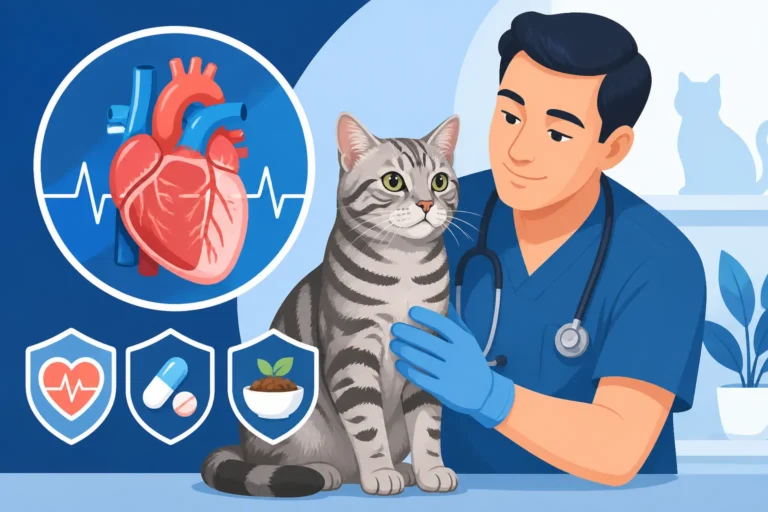
Your vet will conduct a thorough physical examination, checking their joints, muscles, spine, and overall body condition. They'll ask about any other changes you've noticed in appetite, litter box habits, energy levels, or behavior. They might recommend diagnostic tests such as X-rays to look for arthritis, hip dysplasia, or other skeletal issues. Blood work can rule out metabolic diseases, organ dysfunction, or inflammatory processes that could be contributing to discomfort or weakness. Sometimes, a more specialized assessment, like a cardiac ultrasound, might be recommended if other symptoms point to heart issues, even though it's less directly related to jumping, overall health can certainly impact mobility. Remember, catching issues early often leads to better outcomes and more effective management, improving your cat's comfort and quality of life for years to come. Many cat owners find peace of mind with pet insurance like Healthy Paws, which can help cover the costs of these diagnostics and treatments for unforeseen conditions that impact mobility.
Making Adjustments for Easier Access
While you're working with your vet to diagnose and treat the root cause, you can also make immediate environmental adjustments to help your American Shorthair navigate their world more comfortably. Think about their favorite high spots: the window sill, the bed, the couch, or even the dreaded counter.
- Ramps and Stairs: Install pet-friendly ramps or small sets of stairs next to furniture or window sills. Ensure they are stable and have good traction.
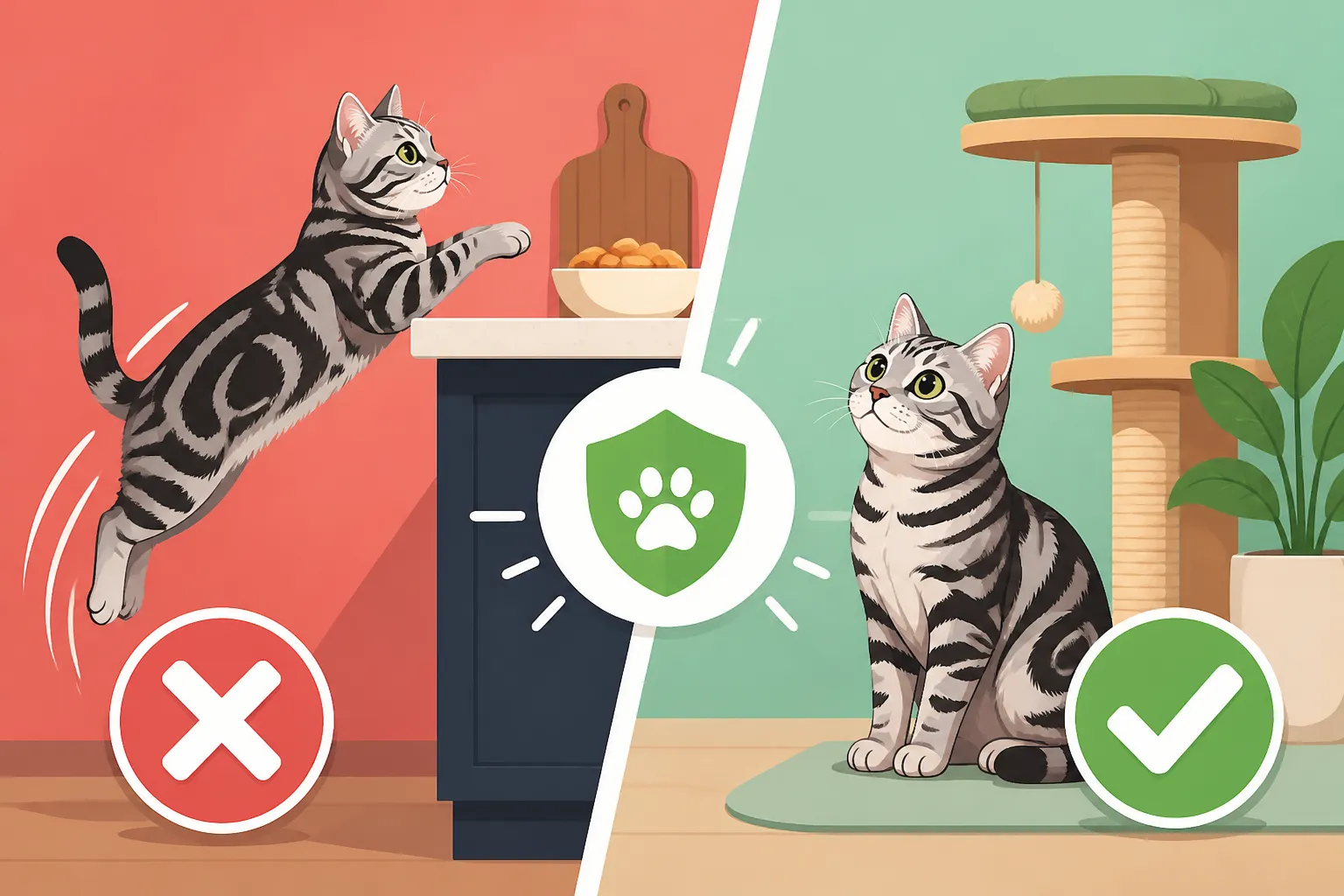
- Lowered Perches: Create new, lower vantage points. Perhaps a sturdy chair next to the window, or a multi-level cat tree with closely spaced platforms.
- Non-Slip Surfaces: If they struggle on slippery floors before a jump, consider placing rugs or runners to give them better grip.
- Accessible Essentials: Ensure their food, water, and litter boxes are easily accessible and don't require any jumping or awkward maneuvers. If their litter box used to be in the basement, consider moving one to the main floor.
- Safe Landing Zones: Make sure landing areas are clear of clutter and soft, perhaps with a plush mat.
These adjustments aren't just about making things easier; they demonstrate your understanding and care for your cat's changing needs, helping to reduce their stress and frustration. Even an American Shorthair that is undergoing treatment for arthritis or muscle weakness can benefit greatly from these modifications, allowing them to maintain some independence and access to their preferred spots.
Supporting Mobility and Comfort
Once a diagnosis is made, your vet will recommend a treatment plan, which might include a combination of medications, supplements, and lifestyle changes.
- Pain Management: For arthritis or other painful conditions, non-steroidal anti-inflammatory drugs (NSAIDs) or other pain medications are often prescribed. These can dramatically improve a cat's comfort and willingness to move. There are also injectable medications that can help manage osteoarthritis pain over several weeks.
- Joint Supplements: Glucosamine and chondroitin, often combined with other ingredients like MSM or omega-3 fatty acids, can help support joint health and reduce inflammation. While not a cure, they can be beneficial alongside other treatments.
- Weight Management: If obesity is a factor, your vet will help you devise a safe and effective weight loss plan. This typically involves a prescription diet designed for weight loss and carefully controlled portion feeding. Slow, steady weight loss is crucial to avoid serious health complications. This is a journey, not a sprint, and consistency is key. Our piece, How a Vet Builds an American Shorthair's Weight Loss Plan, might offer additional guidance.
- Physical Therapy: In some cases, your vet might recommend physical therapy exercises, such as gentle stretches or controlled movements, to help maintain muscle mass and joint flexibility.
- Environmental Enrichment: Continue to provide engaging toys and interactive play, modifying it to suit their current abilities. Laser pointers can be frustrating if a cat can't "catch" the dot, but wand toys that allow for a satisfying grab are excellent. Puzzle feeders can make mealtime a stimulating "hunt."
- Regular Vet Check-ups: Senior American Shorthairs, especially those with mobility issues, benefit from more frequent veterinary visits to monitor their condition and adjust treatments as needed. Many pet owners appreciate the peace of mind that comes with a robust pet insurance plan, like those offered by Healthy Paws, which can help make ongoing care more affordable. Early diagnosis and consistent management are critical for ensuring your American Shorthair enjoys the longest, most comfortable lifespan possible.
Disclaimer
Please remember that the information provided in this article is for educational purposes only and should not be considered a substitute for professional veterinary advice. Always consult with a qualified veterinarian regarding any health concerns or before making any decisions about your pet's care.