Which Cat Show First Included an American Shorthair
It’s easy to look at an American Shorthair today, with their calm demeanor and classic tabby patterns, and think they’ve always just been. But if you're like me, a long-time cat lover and blogger who has delved into the deep history of our feline friends, you might wonder how a cat that looks so much like your everyday domestic shorthair ended up in the prestigious world of cat shows. It’s a common point of curiosity, and this guide will take you through the very beginning, exploring the specific show that first gave these quintessential American cats a spotlight.
The Dawn of American Cat Fancy and Early Exhibitions
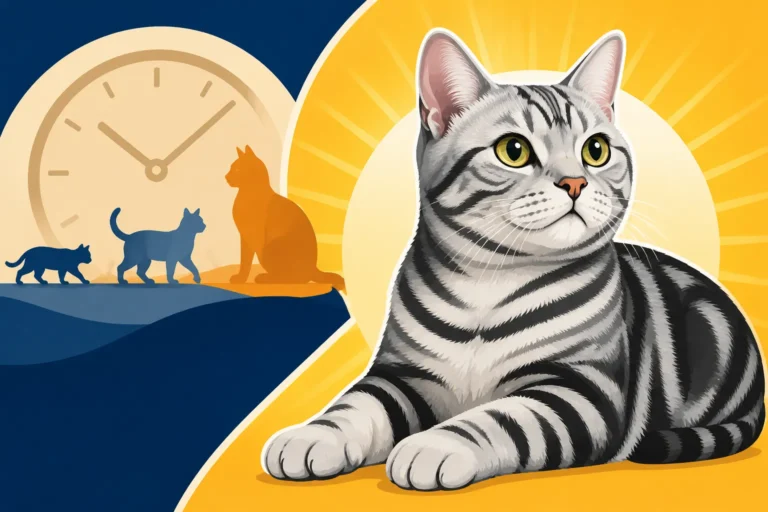
Before the grand, organized cat shows we know today, with their intricate judging standards and specific breed categories, the world of American cat fancy was a bit of a wild west. Imagine a time when cats were primarily seen as working animals, valued for their mousing prowess rather than their pedigree. Yet, even back then, people had a deep affection for their feline companions, and a natural curiosity about different types of cats began to spark interest in public exhibitions. The idea of a "cat show" really started to take hold in the late 19th century, inspired heavily by events happening across the Atlantic.
British Influence and Early American Enthusiasm
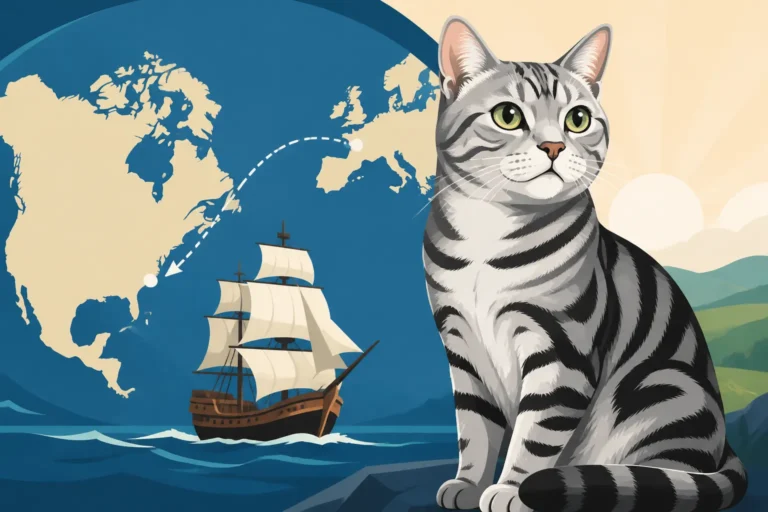
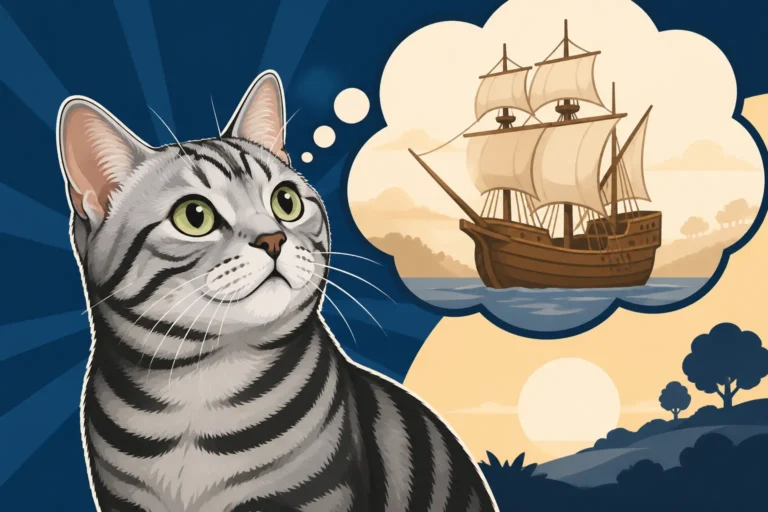
The very first formal cat show in the world took place in England, at the Crystal Palace in London in 1871, organized by the pioneering cat lover Harrison Weir. This event captured the public imagination, showcasing a variety of breeds that were carefully presented and judged. News of such spectacles inevitably crossed the ocean, stirring a similar enthusiasm among American animal lovers and nascent fanciers. People in the United States, particularly in larger cities, were eager to emulate this new trend. They weren't just interested in the exotic, long-haired breeds that seemed to dominate the European shows; they also had a genuine appreciation for the robust, capable cats that had traveled with them on ships and settled their new continent. These were the cats that would eventually become our beloved American Shorthairs, though they didn't have that official designation yet.
The initial American events were often smaller affairs, sometimes held in conjunction with dog shows or agricultural fairs, where the "cat" section might be a novel addition rather than the main event. These early exhibitions were crucial for gauging public interest and slowly building the infrastructure for dedicated cat shows. They helped people start thinking about cats not just as barn residents or household pets, but as animals worthy of admiration, comparison, and even breeding for specific traits.
The Untamed American Cat and the Need for Classification
In these foundational years, the vast majority of cats in America were simply "domestic shorthairs" or "alley cats." They were a resilient mix, a genetic melting pot forged by generations of natural selection on farms, in homes, and on the streets. Unlike many European breeds that had already undergone centuries of selective breeding, the American cat was largely undefined by human intervention beyond their utility. When it came to these early shows, judges faced a unique challenge: how do you categorize and judge cats that don't fit into established pedigrees?
This challenge laid the groundwork for eventually recognizing the American Shorthair as a distinct breed. The beauty of the domestic cat, in all its variations, was undeniable. People brought their cherished pets, proud of their intelligence, their hunting skills, or simply their affectionate nature. But for a show environment, there needed to be some kind of order, some way to compare apples to apples, or at least, a particular kind of apple to another. It was a fascinating period where the "common" cat was beginning its journey to becoming a respected show animal. Whether the American Shorthair Was Ever Deliberately Bred Before 1900 speaks to this very point—their history was one of natural selection, not human design, until the show ring came along.
The Landmark Philadelphia Cat Show of 1895
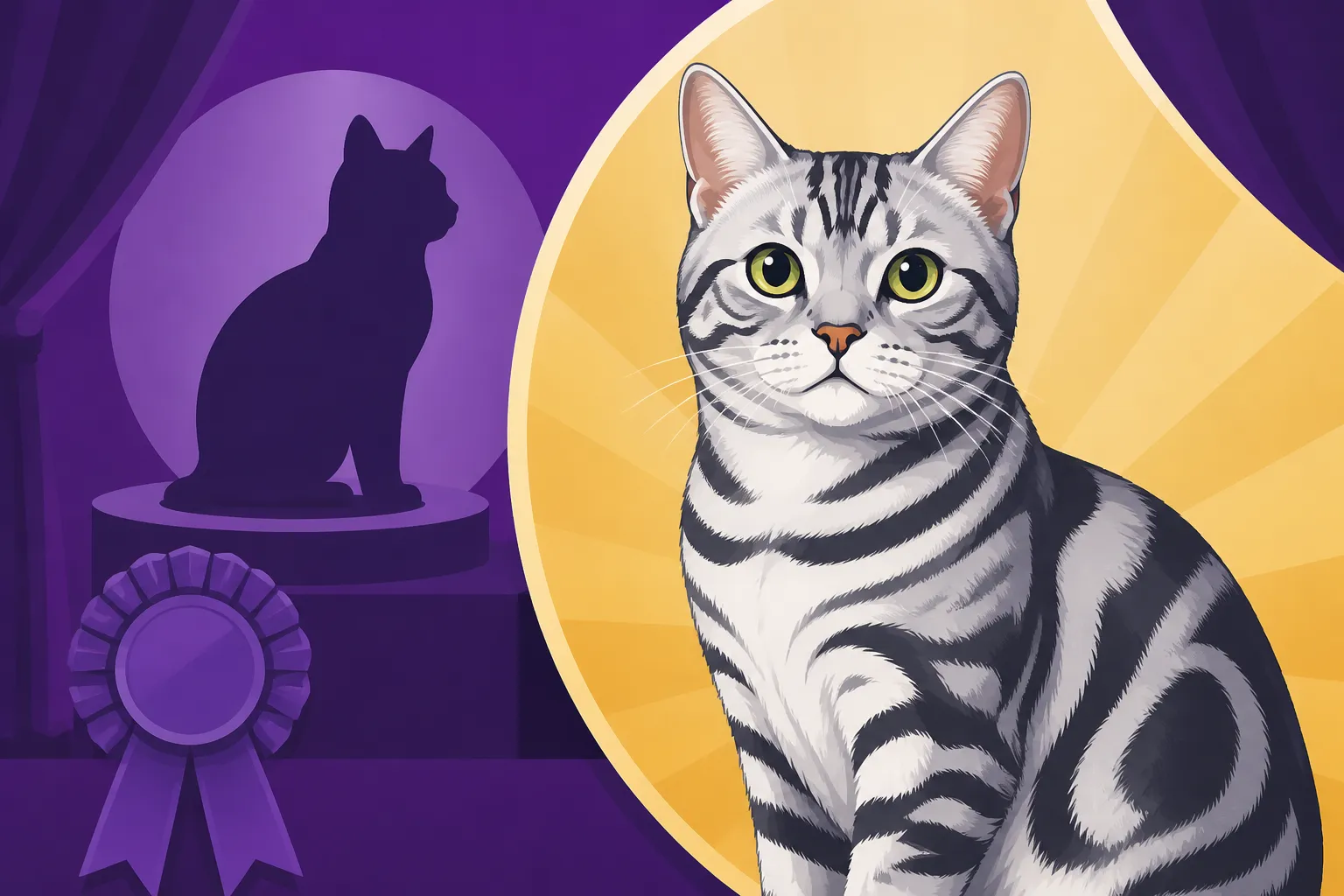
The question of which cat show first prominently featured the ancestors of the American Shorthair often brings us back to a pivotal moment in American cat history: the Philadelphia Cat Show of May 1895. This event stands out as a significant early showcase where "domestic shorthaired cats" were given a platform, hinting at their future status.
Categorizing the "Domestic Shorthair"
At the 1895 Philadelphia show, entries were certainly diverse. You'd see elegant Persians, striking Maine Coons (which were often lumped into a "long-haired domestic" category themselves), and various other imports. But what made this particular show so important for the American Shorthair was the dedicated recognition given to cats that were explicitly referred to as "Domestic Shorthairs." This wasn't just a catch-all for any cat not fitting another breed; it was a deliberate category. This acknowledgment was a huge step, moving these cats beyond mere "household pets" to a group judged on their own merits.
Imagine the excitement! Owners would bring their beloved farm cats or city dwellers, presenting them with pride. Judges, while perhaps not yet working with a formal, written standard as we understand it today, certainly had an ideal in mind. They were looking for robust, well-proportioned cats, free from obvious defects, and displaying a healthy, well-kept appearance. The very act of grouping them allowed for a comparative assessment that had rarely happened on such a scale. This was a crucial period for cats that would later be rebranded. What the Breed Was Called Before American Shorthair directly addresses the nomenclature challenges of this era.
Recognition on the Judging Bench
What did the judges look for in these early "Domestic Shorthair" entries? It wasn't about extravagant features or exotic coloring. Instead, the focus was firmly on utility and health. They prized a cat that looked like it could do its job—a proficient mouser with a strong, athletic build. A dense, protective coat, clear eyes, sturdy legs, and an alert, intelligent expression would have been highly valued. These were the traits that allowed them to thrive in various American environments, from bustling city alleys to sprawling farmlands.
A table outlining some of the key differences in how early American shows might have viewed different cat types:
| Category | Primary Focus for Judging | Typical Traits Valued | Breed Evolution Context |
|---|---|---|---|
| Domestic Shorthair | Health, robust build, natural ability (mousing) | Sturdy frame, clear eyes, good coat, adaptable temperament | Ancestors of American Shorthair; judged on utility and inherent health. |
| Long-haired Domestic/Maine Coon | Size, fur quality, unique regional traits | Large, shaggy coat, bushy tail, friendly disposition | Early recognition of a distinct "American" long-haired type. |
| Imported Breeds (e.g., Persian) | Exotic appearance, luxurious coat, pedigree | Flat face (evolving), flowing fur, calm demeanor | Highlighted the "exotic" vs. "native" distinction in early cat fancy. |
This show, and others like it, allowed breeders and fanciers to see the potential in the "common" cat. It was a slow but steady process of appreciation that eventually led to a desire to preserve and refine these traits through selective breeding, rather than just admiring them as they were.
The Traits That Caught the Judges' Eyes
The cats presented as "Domestic Shorthairs" in those early shows possessed qualities that, even without a formal breed standard, resonated with judges and the public. These were not delicate, highly-bred creatures but rather hardy, functional animals.
Robust Health and Working Heritage
One of the most undeniable advantages these cats brought to the show ring was their inherent robustness. For centuries, their ancestors had to survive harsh conditions, long voyages, and demanding farm work. Only the fittest, healthiest cats would pass on their genes. This natural selection gifted them with a strong constitution, excellent immune systems, and an overall resilience that was deeply impressive. In an era before advanced veterinary care was widely available, a naturally healthy cat was a true treasure.
This deep-rooted health meant fewer genetic predispositions to illness, a stark contrast to some of the more intensely line-bred or selectively bred varieties emerging at the time. Judges recognized this vitality, associating it with the ideal cat. It was less about specific aesthetic points and more about an undeniable picture of health and vigor. Whether a Landrace Origin Explains the American Shorthair's Health goes into great detail about how this history shaped their incredible well-being. This intrinsic health also meant that caring for these cats didn't require as much specialized intervention, something any owner, then or now, would appreciate.
Temperament and Adaptability
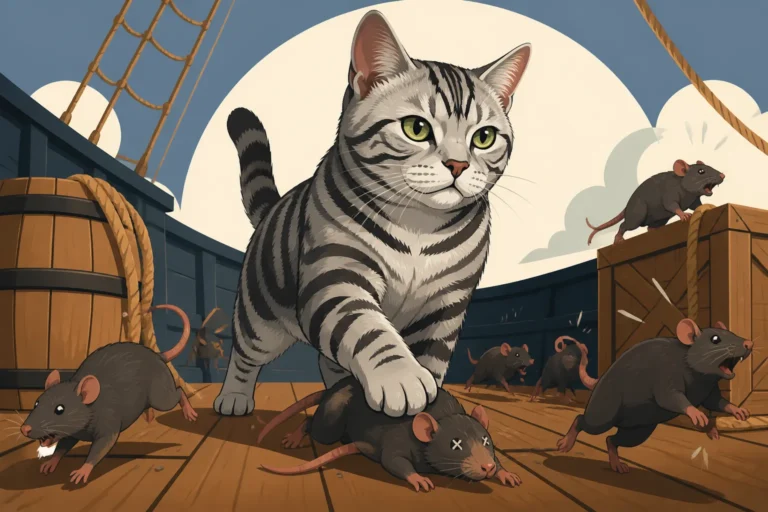
Beyond their physical health, the temperament of these American cats was another winning trait. Having lived alongside humans in various capacities – from ship's cats to farm mousers to cherished household companions – they developed a calm, intelligent, and adaptable nature. They weren't prone to extreme shyness or aggression; instead, they often displayed a quiet confidence and an easygoing disposition.
In the chaotic environment of a cat show, with new sights, sounds, and people, a cat with a steady temperament was a judge's dream. They could be handled, assessed, and admired without excessive stress. This adaptability made them excellent candidates for public exhibition, demonstrating that a "domestic" cat could be just as poised and charming as any exotic import. It's a trait that remains highly valued in the breed today, making them wonderful family pets. Why a Farm Bred American Shorthair's Tolerance Suits a House With Children highlights how their background truly shaped their easygoing nature, a hallmark of the breed we still cherish. Even today, responsible owners look for well-adjusted cats, and for those seeking supplies to enrich a stable home environment, resources like Chewy offer a wide range of interactive toys and calming products.
The Distinct American Look Emerging
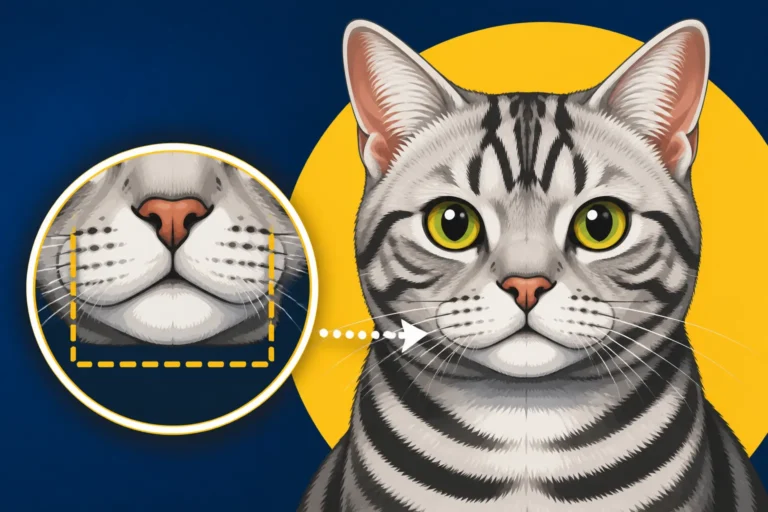
Even without a codified standard, a distinct "look" for the American domestic shorthair was becoming apparent and appreciated. These were medium-to-large cats, with powerful, well-muscled bodies. Their heads were typically broad, with full cheeks and clear, expressive eyes. The coat was short, dense, and firm to the touch, providing excellent protection against the elements, and often sported the classic tabby patterns that are still so iconic. This combination of sturdy build, intelligent expression, and practical coat began to solidify an image of the ideal "American" cat.
Judges recognized these shared characteristics, seeing them not as generic but as representative of a distinct type that had evolved naturally in North America. This emerging appreciation for their particular aesthetic eventually led to the development of a formal breed standard that celebrated these very qualities. It was this initial recognition of their unique form and function that truly set the stage for their future as a pedigreed breed. What an American Shorthair Looks Like by the Standard details the specifics of these features.
From Show Entry to Recognized Breed
The journey from being shown as "Domestic Shorthairs" in a category to becoming the officially recognized "American Shorthair" breed was a testament to the dedication of early fanciers and breeders. It wasn't an overnight transformation but a gradual process of refinement and formalization.
The Road to Renaming and Registration
Following shows like the one in Philadelphia, a growing number of cat enthusiasts recognized the value and unique qualities of these domestic American cats. They realized that simply calling them "Domestic Shorthairs" didn't do justice to their distinct characteristics and long history in the country. This generic label often caused confusion with everyday mixed-breed cats and undervalued the specific traits that had been naturally selected over centuries. The push began to establish a clear identity for this emerging breed.
This movement gained traction, driven by individuals who saw the potential for a truly American pedigree. They worked tirelessly to document lineage, establish breeding programs, and advocate for formal recognition from nascent cat registries. The eventual renaming to "American Shorthair" in 1966 by the Cat Fanciers' Association (CFA) was a monumental step, distinguishing them from the general population of short-haired cats and affirming their status as a unique and cherished breed. Why the American Shorthair Was Called Domestic Shorthair Until 1966 explains the historical context behind this crucial change, and The Rename That Separated the American Shorthair From the Alley Cat details its impact. This re-naming not only brought clarity but also significantly boosted the breed's prestige and popularity among fanciers.
Early Champions and Breed Promotion
Dedicated breeders played a pivotal role in promoting the American Shorthair, even before its formal renaming. They selected cats that best embodied the desired characteristics – health, temperament, and a classic "American" appearance – and began structured breeding programs. These individuals invested time, effort, and resources into ensuring the genetic health and consistent quality of their lines. They were the ones who truly nurtured the breed, setting the foundation for its future success.
These early champions understood that consistent care was essential. They would have sourced quality food, bedding, and grooming tools, much like today's dedicated owners rely on modern retailers. For example, ensuring proper nutrition and comfort for breeding queens and growing kittens has always been paramount. What an American Shorthair Breeder Should Have Screened touches on the importance of responsible breeding practices that contribute to the overall health and longevity of the breed. Their efforts transformed a beloved working cat into a celebrated show cat, one that continues to captivate audiences and families alike with its enduring charm and good nature. Which Breeds Joined the American Shorthair on the CFA's First List provides context on how this breed fit into the broader landscape of early cat registries.
Disclaimer
This article is for general informational purposes only and does not constitute professional advice. Laws, prices and regulations vary by location and change over time. Consult a qualified professional for guidance on your specific situation.