Why Function Left the American Shorthair Fewer Faults
It's heartbreaking when you hear about purebred cats struggling with a laundry list of inherited health problems, isn't it? It can make anyone hesitant about bringing a pedigree cat into their home, worrying if they're signing up for a lifetime of vet bills and heartache. But what if I told you there's a beloved breed, the American Shorthair, whose very origins as a working cat left it remarkably free from many of these common genetic pitfalls? This guide delves deep into why the American Shorthair stands out as a beacon of natural health and resilience.
The Legacy of a Working Cat: Natural Selection at Play
The American Shorthair isn't some designer cat dreamt up in a fancy breeding program just a few decades ago. Oh no, their story goes back centuries, tracing their lineage all the way to the intrepid felines who voyaged across the Atlantic on ships, diligently protecting valuable cargo from rodents. These weren't pets in the modern sense; they were essential crew members, and their survival depended entirely on their robustness, intelligence, and health.
Surviving the Seas and Settling the Land
Imagine the harsh conditions on those early sailing vessels. A cat had to be tough, adaptable, and incredibly resilient to make it through such journeys. Weaklings didn't survive. Cats prone to illness, those with poor immune systems, or physical defects that hampered their hunting ability simply didn't pass on their genes. This wasn't selective breeding by human hands; this was natural selection in its purest form, honing a breed for practical utility above all else. Once they landed in the New World, these cats continued their vital work on farms and in burgeoning towns, facing new challenges but always with the same underlying requirement: function over form.
As they spread across the continent, these cats continued to thrive in a tough environment. They weren't coddled or bred for extreme looks; they were bred by necessity for their ability to keep barns and homes vermin-free. This constant pressure for survival meant that only the healthiest, most capable individuals reproduced, weeding out genetic weaknesses generations before formal breeding programs even began. It's a testament to their enduring hardiness that the American Shorthair's ancestors were able to adapt and flourish across diverse landscapes.
The "Mouser" Mandate: Health as a Prerequisite
For the American Shorthair's ancestors, being a skilled mouser wasn't a hobby; it was their job, their purpose, and their evolutionary driver. A cat with poor eyesight, weak bones, a compromised heart, or breathing difficulties simply wouldn't be effective at its task. Farmers and settlers needed cats that could actively patrol, stalk, pounce, and dispatch prey day in and day out. This demanding role meant that physical fitness and excellent health weren't just desirable traits; they were non-negotiable requirements for survival and breeding success.
Think about it: a cat struggling with respiratory issues wouldn't have the stamina for long patrols. One with joint problems wouldn't be able to jump and pounce effectively. This "mouser mandate" effectively acted as a stringent, ongoing health screening process. Only those cats with sound bodies and robust health passed on their genes, creating a strong foundation for the breed we know today. This relentless demand for functionality is a key reason why the American Shorthair rarely presents with the myriad genetic defects seen in some other breeds.
Breeding for Resilience, Not Aesthetics
When formal recognition for the American Shorthair began in the early 20th century, the goal wasn't to radically alter their appearance to conform to fleeting fads. Instead, breeders focused on preserving the inherent qualities that had already made these cats so successful. The standard was written to describe the ideal working cat: a medium-to-large cat with a powerful, muscular build, a broad chest, strong jaws, and a dense, protective coat. These were all traits honed by centuries of practical application.
Unlike breeds that were heavily selected for extreme features like flattened faces, exaggerated ear sets, or excessively long bodies, the American Shorthair's standard prioritized balance and utility. There was no pressure to achieve a "look" that might compromise health. This meant breeders weren't inadvertently selecting for genetic conditions linked to extreme physical traits. Their focus was on maintaining the robust, balanced cat that had already proven its worth, ensuring that the breed's functional integrity remained paramount. This approach is why the American Shorthair is often seen as The American Shorthair Is the Control Group of Cat Breeding.
The Advantage of a Wide, Open Gene Pool
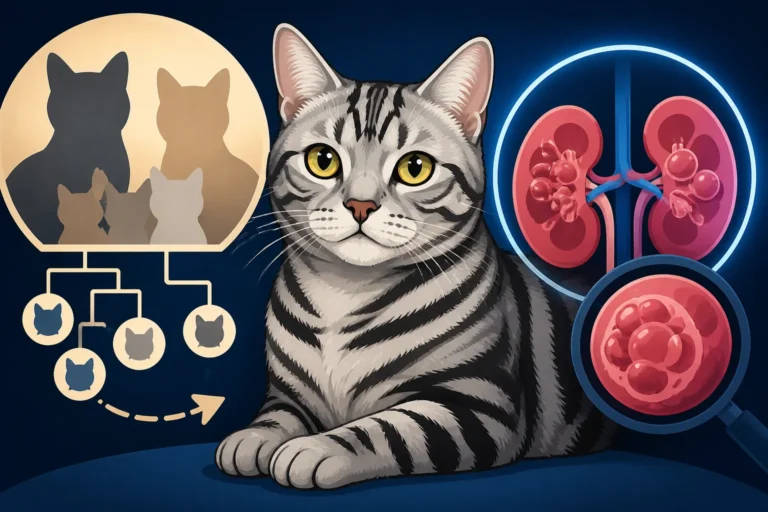
One of the most significant factors contributing to the American Shorthair's excellent health is its exceptionally broad and open gene pool. Many purebred cats today descend from a very small number of foundational animals, leading to what's known as a "bottleneck effect" where genetic diversity is severely limited. This can unfortunately concentrate undesirable recessive genes, making certain inherited diseases more prevalent within the breed. The American Shorthair largely avoided this fate.
How a Broad Gene Pool Dilutes Genetic Issues
Because the American Shorthair originated from a vast population of working cats across North America, rather than a handful of carefully selected individuals, its genetic diversity is remarkable. Imagine millions of cats across a continent contributing to the genetic make-up, instead of just a few dozen. This wide array of genetic material means that individual harmful recessive genes are less likely to meet another copy of themselves, significantly reducing the chances of offspring inheriting genetic diseases. It's like having a huge deck of cards; the chance of drawing two identical, rare cards is much lower than if you were working with a very small, carefully curated deck.
This genetic robustness is a huge advantage. It provides a natural buffer against the accumulation of debilitating conditions that plague some other breeds. While no breed is entirely immune to all genetic issues, the sheer breadth of the American Shorthair's genetic legacy means that the incidence of specific inherited diseases remains commendably low. This genetic health is one of the reasons Why the American Shorthair Is Used as a Health Benchmark in the feline world.
The Open Stud Book and Its Benefits
For many years, and even to some extent today, the American Shorthair registry maintained what's known as an "open stud book." This means that well-typed, healthy domestic shorthair cats could occasionally be introduced into the American Shorthair breeding program after a careful evaluation process. This practice was instrumental in continually refreshing and expanding the gene pool, preventing the kind of genetic stagnation that can afflict closed-stud book breeds.
The ability to bring in new blood from the general domestic cat population meant that any potentially detrimental genes that might have started to concentrate within the pedigree lines could be diluted and dispersed. This foresight by early breeders ensured a constant influx of natural vigor, reinforcing the breed's already strong genetic foundation. It's a strategy that prioritized long-term health over strict adherence to a finite ancestral line, setting the American Shorthair apart in the pedigree world.
Contrasting with Breeds with Limited Gene Pools
To truly appreciate the American Shorthair's genetic advantage, it's helpful to compare it to breeds that started with, or evolved into, very restricted gene pools. Some breeds, often those developed rapidly or from a small number of founders, can inadvertently amplify genetic predispositions. For example, some pedigrees are known for specific heart conditions, kidney diseases, or neurological disorders that are far more common within their lines than in the general cat population.
In these cases, despite the best efforts of responsible breeders, the genetic bottleneck means there's less raw material to work with to breed out certain issues. The American Shorthair, on the other hand, benefits from a genetic diversity that simply makes the inheritance of such issues statistically less likely. While individual cats can still develop health problems, the breed as a whole carries significantly fewer breed-specific genetic faults, making them a much lower risk in terms of inherited conditions, which can offer peace of mind when considering pet insurance like Healthy Paws.
Avoiding the Pitfalls of Extreme Conformation
One of the most contentious topics in purebred animal breeding is the pursuit of extreme physical traits. While a distinctive look can make a breed instantly recognizable, it often comes at a significant cost to the animal's health and welfare. The American Shorthair, thankfully, has largely been spared this fate, its standard emphasizing a natural, functional conformation.
What Happens When Form Follows Extreme Fashion
When breeders prioritize extreme aesthetics – like very short noses, tiny ears, excessively long backs, or disproportionately large heads – they can inadvertently create anatomical structures that compromise basic biological functions. For instance, brachycephalic (flat-faced) breeds often suffer from breathing difficulties, dental problems, and eye issues because their facial structure has been dramatically altered from the natural cat form. Similarly, breeds with extreme body lengths can be prone to spinal problems, while those with overly small ears might struggle with ear infections due to poor ventilation or structure.
These extreme conformations often require continuous medical intervention throughout the cat's life, leading to chronic discomfort and significant financial burden for owners. It's a sad reality that some breeds are literally bred into suffering for the sake of a specific "look." This drive for an exaggerated appearance, while perhaps appealing to some, directly contradicts the principles of health and natural function that underpin the American Shorthair's development.
The American Shorthair's Balanced, Moderate Build
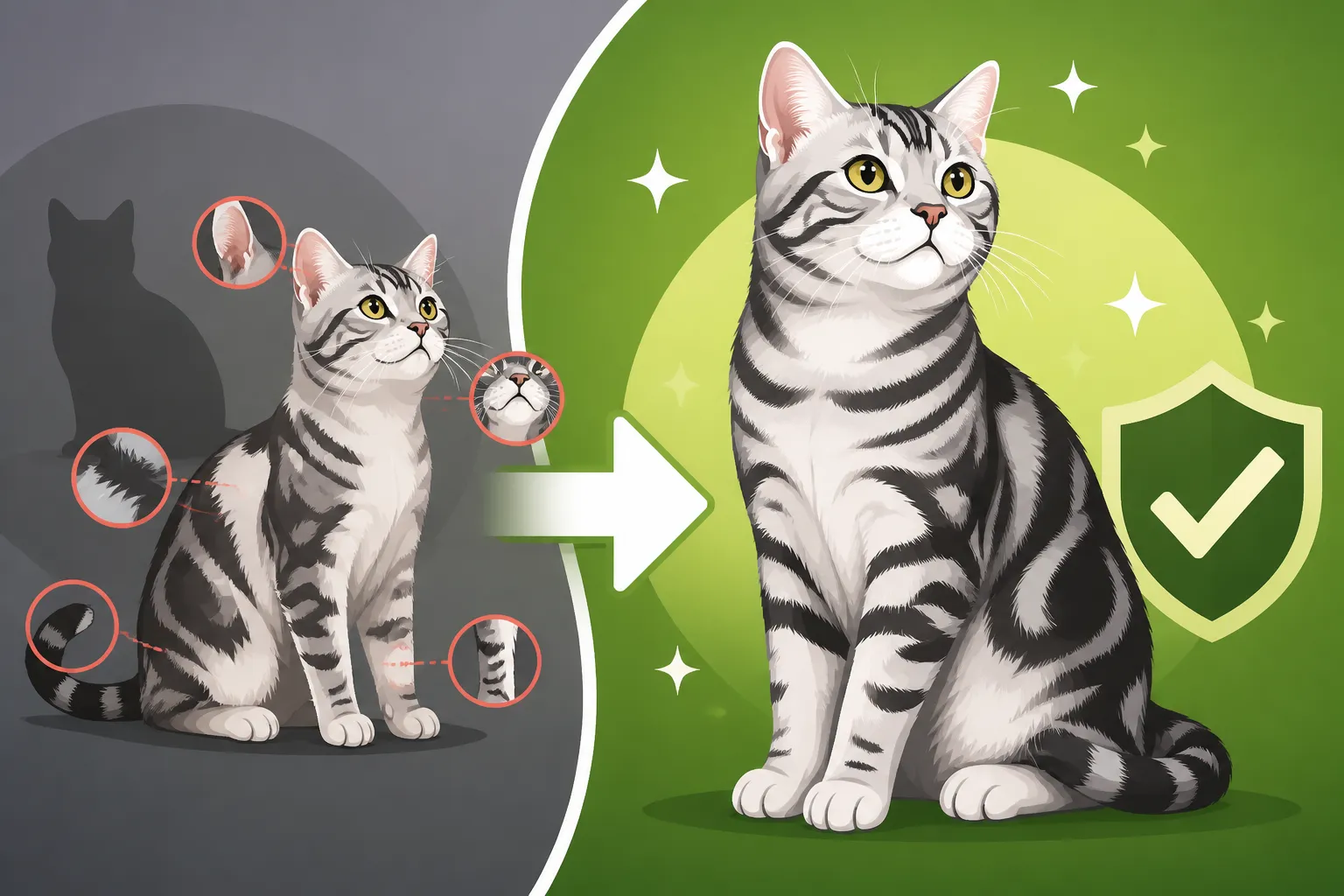
The American Shorthair's breed standard calls for a cat of moderate type. This means no extreme features. Their head is broad and full-cheeked, but not overly flat or long. Their ears are medium-sized and slightly rounded, set well apart, allowing for good hearing and ventilation. Their body is powerfully built, muscular, and well-proportioned, designed for agility and strength – ideal for a mouser. Their legs are medium in length, and their paws are rounded and firm. Every aspect of their physical description points to a cat built for performance and natural movement.
This balanced, moderate conformation is a huge contributor to their overall good health. They don't have compressed airways, their joints are typically well-formed and supported, and their eyes and ears are set to function optimally without stress or obstruction. This commitment to a natural, functional shape means the American Shorthair can move, breathe, and live comfortably, as a cat is naturally meant to. It's a breed where Why Function Left the American Shorthair Fewer Faults isn't just a saying, but a literal truth embedded in their physical make-up.
Health Consequences of Exaggerated Features
Let's get a bit more specific about the impact of extreme features versus the American Shorthair's moderation. Take the respiratory system: a cat with a very short nose might struggle with heat regulation and exercise intolerance, suffering from constricted nostrils and elongated soft palates. The American Shorthair, with its well-formed muzzle, breathes freely, able to handle play and exploration without gasping.
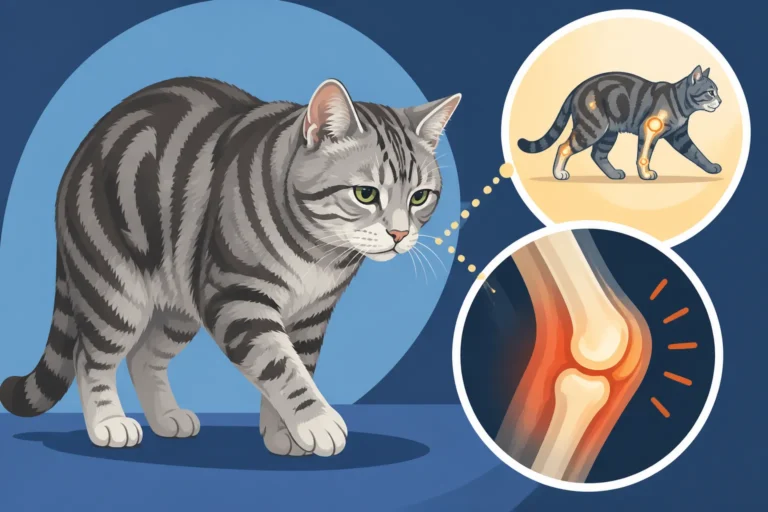
Similarly, consider the skeletal system. Breeds with unusually long backs or short, bowed legs can be predisposed to intervertebral disc disease or patellar luxation. The American Shorthair's sturdy, proportionate frame minimizes such risks, allowing them to jump and climb with natural grace well into old age. This lack of exaggerated features is why, generally, Why an American Shorthair Costs a Vet Less Than a Persian over their lifetime, primarily due to fewer conformation-related health issues. It's all about respecting the natural feline blueprint, rather than trying to reinvent it for show-ring novelty.
Comparing the American Shorthair's Health to Other Pedigrees
When you consider bringing a purebred cat into your home, understanding its typical health profile is paramount. The American Shorthair consistently ranks among the healthiest, most robust breeds, a direct consequence of its origins and breeding philosophy. It's a stark contrast to some breeds where specific genetic conditions are almost an expectation rather than an anomaly.
General Health Benchmarks and Lifespan
The American Shorthair is known for its impressive longevity and general good health. They are often cited as a breed that can easily live The Fifteen to Twenty Years the American Shorthair Was Given, with many individuals sailing past the 15-year mark and some even reaching 20 or beyond. This long lifespan isn't just luck; it's a reflection of their strong genetic foundation and lack of widespread debilitating breed-specific diseases.
Compare this to some breeds that, while cherished, have average lifespans significantly shorter due to inherited conditions. When you look at How Long the American Shorthair Lives Against Other Pedigrees, you'll often find them at the upper end of the spectrum. Their resilience means fewer trips to the emergency vet for acute genetic crises, and more years of happy, active companionship. This inherent hardiness is a huge draw for owners seeking a long-term, low-medical-cost companion.
Specific Inherited Conditions: A Low Incidence
While no cat breed is entirely free from all health concerns, the American Shorthair has a remarkably low incidence of common inherited diseases. Many pedigrees are known for specific genetic tests that breeders must perform for conditions like Polycystic Kidney Disease (PKD), various heart conditions, or neurological disorders. For the American Shorthair, the list of common inherited diseases is refreshingly short.
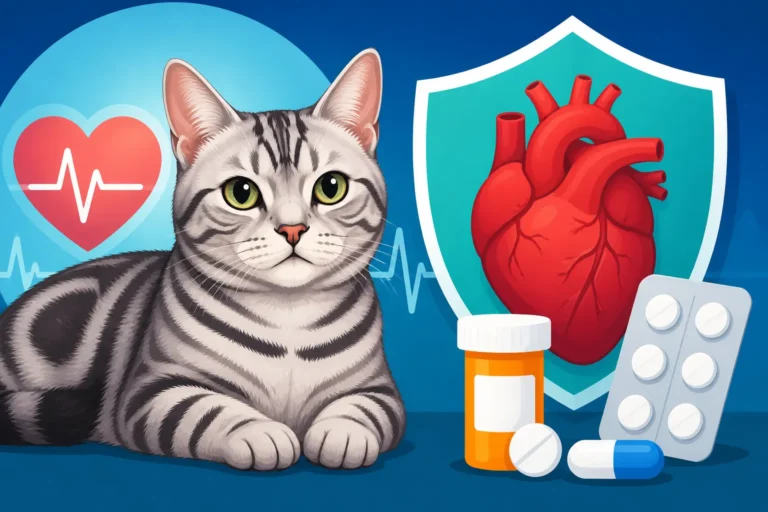
The most notable exception, and the one condition that responsible American Shorthair breeders do screen for, is Hypertrophic Cardiomyopathy (HCM). While HCM is present in many cat breeds, and indeed in the general cat population, it is the one inherited cardiac disease that the breed has retained. Even then, its prevalence in the American Shorthair is relatively low compared to some other breeds, and diligent screening helps to keep it in check. Beyond HCM, the American Shorthair is generally free from widespread, debilitating genetic conditions, meaning Which Diseases the American Shorthair Actually Carries are fewer and far between. This makes choosing a reputable breeder much simpler, as the focus is primarily on temperament and structural soundness, in addition to HCM screening.
Financial Implications of a Healthy Breed
The financial benefits of owning a naturally healthy cat like the American Shorthair are significant. When you're not constantly battling inherited conditions or conformation-related issues, your veterinary bills tend to be much lower over the cat's lifetime. This isn't just about saving money; it's about reducing stress for both you and your feline companion. Fewer invasive tests, fewer specialized treatments, and fewer medications mean a happier, more comfortable life for your cat.
Consider the potential costs associated with managing chronic conditions common in other breeds – specialized diets, frequent vet visits, expensive medications, and potentially surgeries. These can quickly add up to thousands of dollars annually. For an American Shorthair, typical vet expenses are usually limited to routine preventative care like vaccinations, annual check-ups, and dental cleanings, especially as they get older. This makes them a more affordable choice in the long run, and for conditions that do arise, having a robust pet insurance plan like Healthy Paws can provide excellent coverage without the constant worry of pre-existing breed-specific issues.
Modern Day Care for a Naturally Healthy Breed
Even with their incredible genetic fortitude and robust health, American Shorthairs still benefit immensely from attentive, proactive care. A healthy start combined with good nutrition, appropriate exercise, and regular veterinary check-ups are key to ensuring these wonderful cats live their full, impressive lifespan.
Maintaining Health Through Nutrition and Exercise
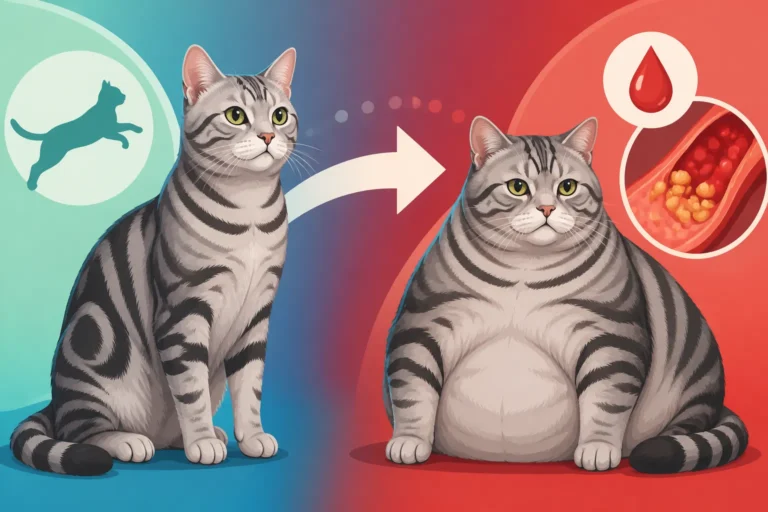
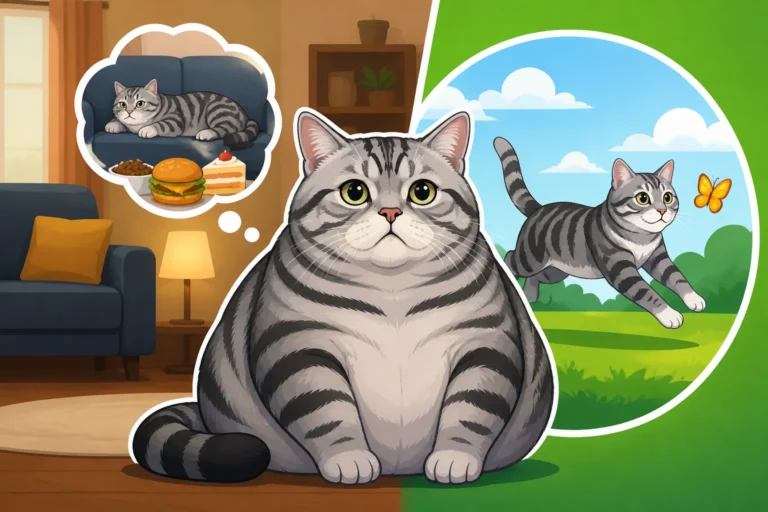
One of the biggest modern challenges for the American Shorthair is adapting their "working cat" metabolism to an indoor, often sedentary, lifestyle. Their ancestors were constantly active, hunting for their meals, burning calories at a high rate. Today's American Shorthair still retains that robust appetite and solid build, which means obesity can easily creep in if not managed carefully. Obesity isn't just about extra weight; it's a gateway to a host of other health issues, including diabetes, arthritis, and heart strain. Indeed, Obesity Is What Ending the American Shorthair's Job Cost It.
Therefore, a high-quality, protein-rich diet, carefully portioned to their activity level, is crucial. Free-feeding, where food is left out all day, is a recipe for weight gain in this breed. Structured meal times with appropriate portions, along with engaging in interactive play that mimics hunting, are essential. Think wand toys, puzzle feeders, and plenty of opportunities for climbing and exploring vertical spaces. This stimulation helps keep their muscles toned and their minds sharp, contributing to their overall well-being.
The Importance of Regular Vet Checks for a Stoic Cat
Despite their natural hardiness, American Shorthairs are typically stoic cats, a trait inherited from their working past. They don't often vocalize discomfort or pain until a condition is quite advanced, which means regular veterinary check-ups are even more vital. A seemingly healthy cat can be subtly masking an emerging issue that an experienced vet might detect during a routine examination.
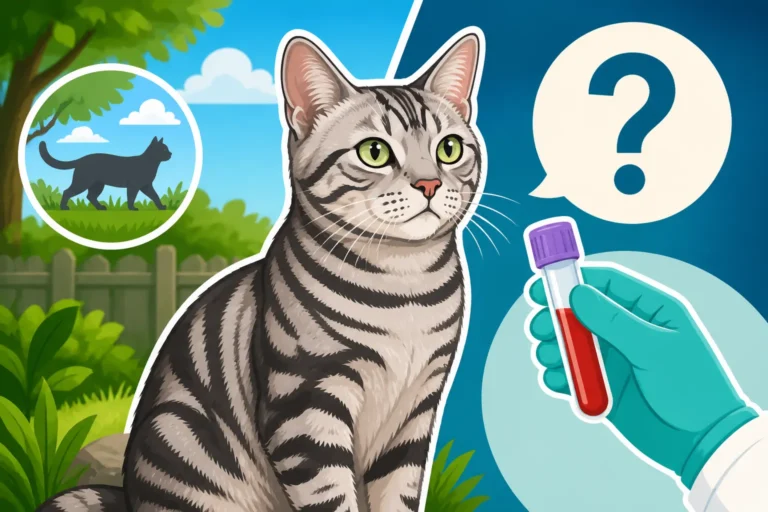
These yearly or bi-annual visits are opportunities to monitor weight, assess dental health, listen to the heart for murmurs (which could indicate conditions like HCM, even if rare), and perform general health screenings. For breeding American Shorthairs, particularly, regular heart screenings, like echocardiograms, are recommended to proactively manage the risk of HCM. Even for a beloved pet, understanding Why an American Shorthair Still Needs a Yearly Heart Scan can literally be a lifesaver, allowing for early intervention if needed. These preventative measures, coupled with the security of pet insurance from a provider like Healthy Paws, ensure that any health concerns are caught and addressed promptly, minimizing their impact.
Proactive Measures for a Long, Healthy Life
Beyond diet and regular vet visits, there are several proactive steps you can take to ensure your American Shorthair enjoys a long and vibrant life. Dental care is paramount, as gum disease can lead to other health issues. Brushing their teeth daily, or at least a few times a week, can prevent plaque and tartar buildup. Providing appropriate scratching posts helps keep their claws healthy and provides an outlet for natural behaviors.
As your American Shorthair ages, their needs will shift. Monitoring for signs of arthritis, changes in thirst, appetite, or litter box habits becomes increasingly important. Just because they're stoic doesn't mean they don't experience the aches and pains of old age. Learning about Caring for an American Shorthair Past Twelve can help you anticipate these changes and provide the comfort and support they need in their golden years. With proper care, an American Shorthair truly can be a cherished companion for two decades or more, a testament to the robust health passed down through generations of hard-working ancestors.
| Health Aspect | American Shorthair | Selectively Bred (e.g., Extreme Persian) |
|---|---|---|
| Origin & Selection | Natural selection for function (mousing, survival) | Human selection for specific aesthetic traits |
| Gene Pool Diversity | Very wide, open, leading to genetic robustness | Often restricted, prone to genetic bottlenecks |
| Conformation | Moderate, balanced, built for utility & comfort | Can feature extreme traits (flat face, long back, etc.) |
| Prevalent Inherited Issues | Low incidence; primarily HCM (monitored) | Higher incidence of breed-specific issues (e.g., PKD, Brachycephalic Syndrome, joint problems) |
| Typical Lifespan | 15-20+ years, often exceeding averages | Can be shorter depending on breed and inherited conditions |
| Vet Expenses (General) | Lower, mostly routine preventative care | Potentially higher due to chronic conditions and specialized treatments |
| Temperament | Generally adaptable, calm, independent, intelligent | Varies greatly by breed; some may require more management for health issues |
Disclaimer
Please remember that while the information provided here is designed to be comprehensive and helpful, it should never replace professional veterinary advice. Every cat is an individual, and health needs can vary. Always consult with a qualified veterinarian for any health concerns or before making decisions about your cat's care, diet, or medical treatment.