Which Cat Made the Silver Tabby American Shorthair Famous
Many cat lovers are drawn to the classic look of the Silver Tabby American Shorthair, often seeing it as the quintessential image of the breed. But have you ever wondered how this particular color and pattern became so iconic, almost synonymous with the entire American Shorthair breed? This guide will dive deep into the history and allure of the Silver Tabby, exploring how one specific cat helped cement its legendary status.
The Enduring Charm of the Silver Tabby Pattern
There's something undeniably captivating about the American Shorthair's Silver Tabby pattern. It's not just a pretty coat; it's a statement, a classic look that has charmed cat enthusiasts for generations. This particular combination of color and pattern holds a special place in the hearts of many, and for good reason. It embodies both elegance and the rugged charm of its heritage.
A Look That Captivates
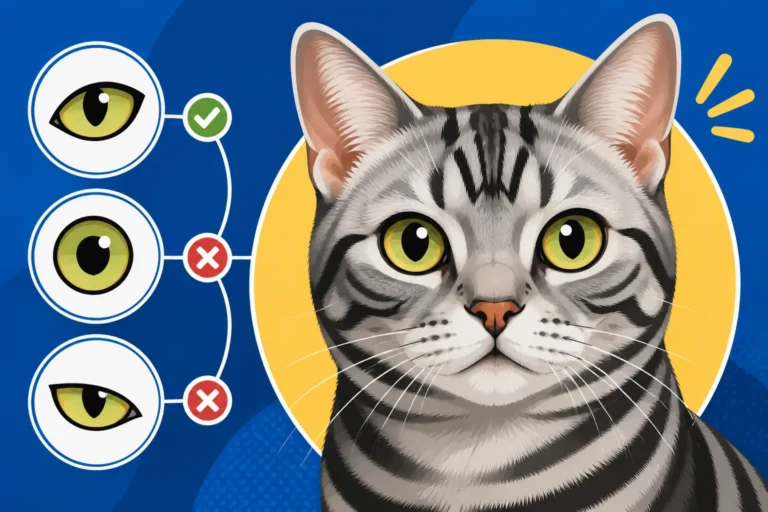
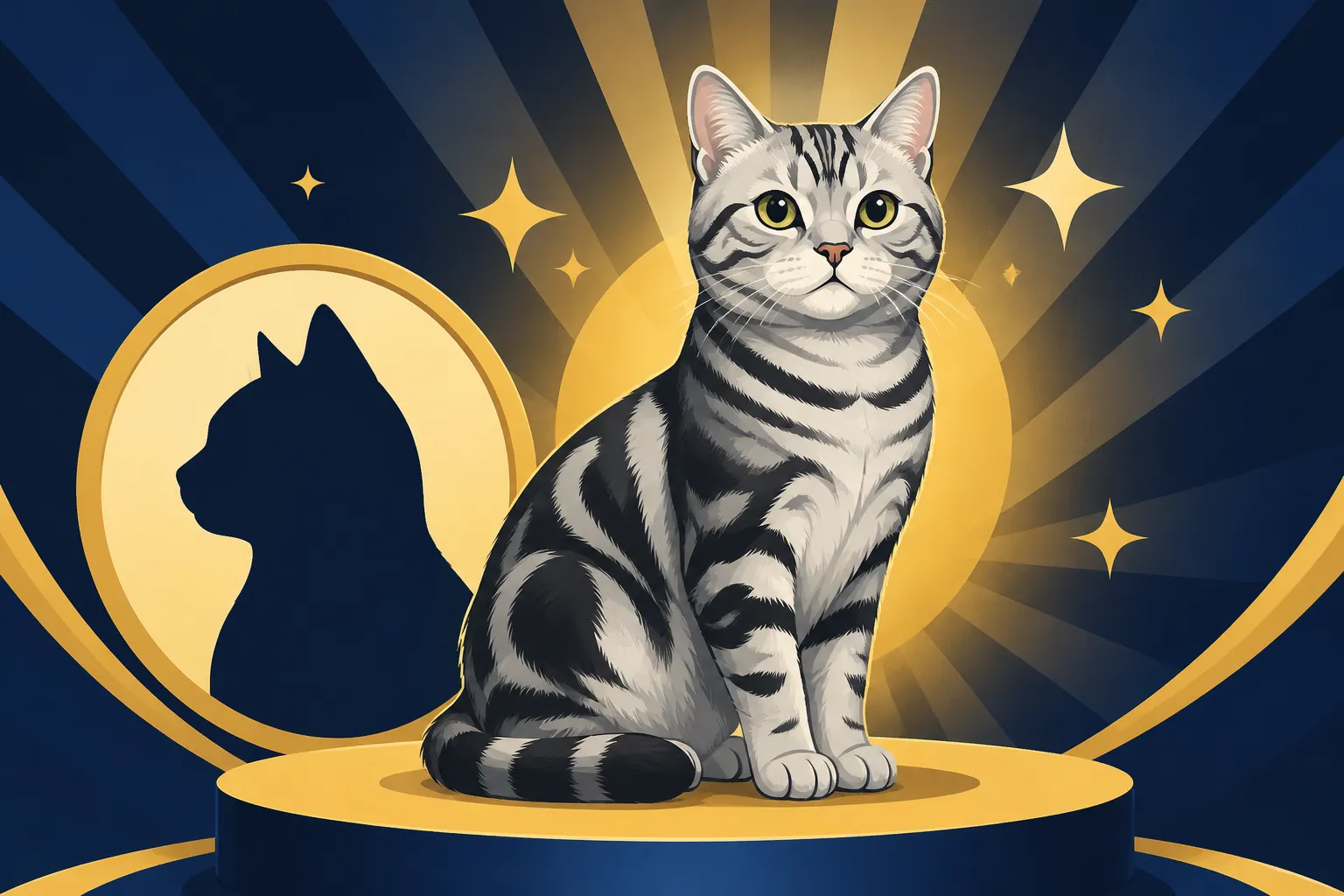
The visual appeal of the Silver Tabby is immediate and striking. Picture vivid, dense black markings – whether classic swirls, mackerel stripes, or spotted patterns – set against a clear, brilliant silver ground. The contrast is sharp, almost shimmering, making the pattern truly pop. This isn't just any tabby; it's the tabby that often comes to mind when one thinks of a perfectly marked feline. The depth and clarity of the pattern are what breeders strive for, and what makes these cats such showstoppers.
This stunning pattern naturally accentuates the American Shorthair's robust, muscular, and powerful build. The bold lines of the tabby pattern seem to highlight the breed's broad chest, substantial bone structure, and strong jaws. It gives the cat an impression of both strength and refined elegance, a testament to the breed's practical origins where function was paramount and led to Why Function Left the American Shorthair Fewer Faults. The beauty of the pattern perfectly complements the cat's inherent athleticism and balanced proportions.
Beyond the show ring, the Silver Tabby's classic look has seeped into popular culture. You’ll often spot this pattern in illustrations, cartoons, and advertising, making it an instantly recognizable image of a feline companion. It's become the "poster child" cat for many, representing the ideal house cat – beautiful, sturdy, and affectionate. This widespread visibility has contributed immensely to its iconic status and familiarity among the general public.
More Than Just Pretty Stripes
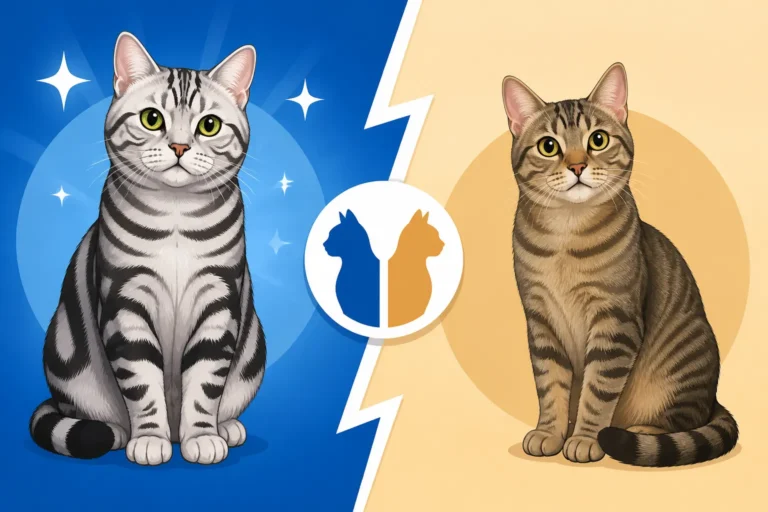
The magic behind the Silver Tabby lies in its unique genetics. The characteristic silver color is produced by an inhibitor gene, which works to strip away warm pigments from the hair shaft, leaving a cool, silvery undercoat and crisp black markings. This genetic marvel is what differentiates a true silver tabby from a brown tabby, where the background color would be shades of warm brown or even red. The result is a coat that truly gleams.
For breeders, achieving that perfect, clear, untarnished silver and sharp contrast is a true art. The challenge lies in minimizing any "tarnishing" – a brownish or yellowish tone – in the silver areas, which would detract from the brilliance of the pattern. This meticulous pursuit of perfection in breeding has further elevated the Silver Tabby's status, making it a highly valued and admired variation within the American Shorthair breed. Every perfectly marked Silver Tabby is a testament to careful genetic selection and dedication.
The enduring popularity of the Silver Tabby isn't solely about its stunning looks, though that's certainly a major factor. It's about the entire package. This distinct color and pattern enhance the American Shorthair's natural beauty, making it one of the most aesthetically pleasing and recognizable cats around. Its balanced features, combined with that dazzling coat, create a cat that is both timeless in its appeal and universally admired, drawing people to the breed's classic heritage.
The American Shorthair's Journey from Barn to Pedigree Status
Before the American Shorthair, or any cat for that matter, could achieve fame for a specific color or pattern, it had to undergo a profound transformation: from a common working animal to a cherished pedigree breed. This journey is a fascinating tale of practicality evolving into prestige, reflecting changing human attitudes toward their feline companions.
Humble Beginnings as Working Cats
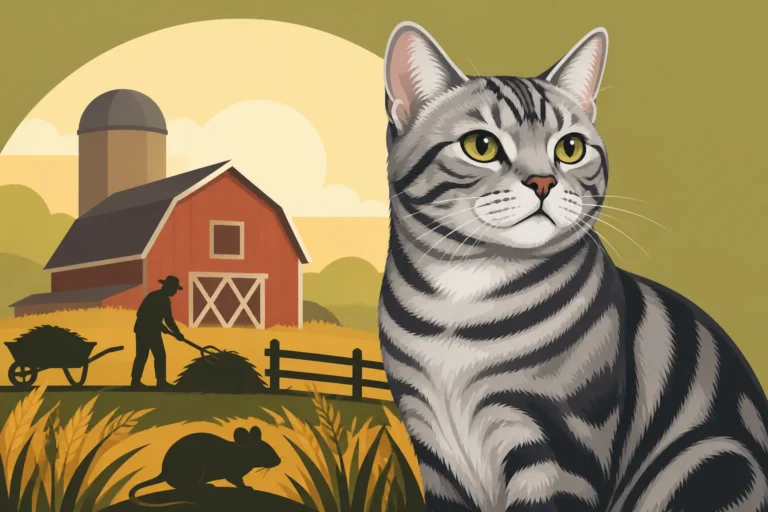
The ancestors of what we now call the American Shorthair were not pampered pets; they were essential members of early American households, valued for their skills, not their pedigree. These hardy felines arrived on ships from Europe, crossing vast oceans with the earliest settlers, their primary role being rodent control. They were the original pest management system, earning their keep by protecting precious food stores and preventing disease, a history captured well by topics such as The Mayflower Cats Behind the American Shorthair.
These cats quickly adapted to the diverse environments of North America, from bustling port cities to sprawling farmlands. Their physical traits — a sturdy, muscular build, a dense, weather-resistant coat, and an innate keen hunting instinct — were naturally selected through generations. Only the most capable and resilient cats thrived, passing on the genes that define the breed's practical nature today. They were truly survivors, honed by their environment.
In those early days, the concept of a "pedigree" was entirely foreign. These cats were simply "domestic shorthairs" – a broad, catch-all term for any common household cat with short fur. There was no registry, no standard, just a practical need. This crucial distinction, and how the breed shed that generic label, is a significant part of its history, and you can learn more about this transformation in Why the American Shorthair Was Called Domestic Shorthair Until 1966. They were loved, certainly, but their value was measured in mouse-catching prowess, not blue ribbons.
The Dawn of Cat Fanciers and Registry
As the 19th century drew to a close and the 20th century began, a new phenomenon emerged: cat shows. These events started gaining immense popularity in North America, reflecting a growing appreciation for the beauty and diversity of felines. People began to notice certain types of cats, recognizing desirable characteristics, and a desire to preserve and refine these traits blossomed among dedicated enthusiasts. This marked a profound turning point for cats once considered common.
The formation of official cat associations, such as the Cat Fanciers' Association (CFA), was instrumental in this shift. These organizations provided a framework for registering cats, establishing breed standards, and organizing shows. The American Shorthair, though known by its earlier, more generic name at the time, was among the original five breeds recognized by the CFA. This foundational status speaks volumes about its inherent qualities and early appeal, as discussed further in The American Shorthair Was One of the CFA's Five Founding Breeds.
The motivation behind establishing these registries and standards was clear: to ensure purity of bloodlines, standardize desired characteristics, and, crucially, to elevate these once-common cats to the esteemed status of "pedigree." It was about recognizing their inherent beauty and traits, moving them from anonymous barn cats to celebrated show animals. This groundwork was absolutely essential, as it created the very stage upon which specific cats, and specific patterns like the Silver Tabby, could achieve lasting fame and recognition.
Cosey: The Silver Tabby Who Made History
Every great story has a beginning, and for the Silver Tabby American Shorthair, that beginning is inextricably linked to one extraordinary feline: Cosey. Her moment in the spotlight not only put her specific color and pattern on the map but also helped to define an entire breed for generations to come.
Introducing the First American Shorthair Star
In the fledgling days of formalized cat fancying in North America, before breed standards were rigidly set or specific pedigrees widely recognized, there existed a singular cat whose striking appearance and undeniable success in the show ring captured the public's imagination like no other. This cat was Cosey, a name that would become etched in the annals of feline history. Her influence cannot be overstated; she was the catalyst that propelled the domestic American cat into the realm of pedigree appreciation.
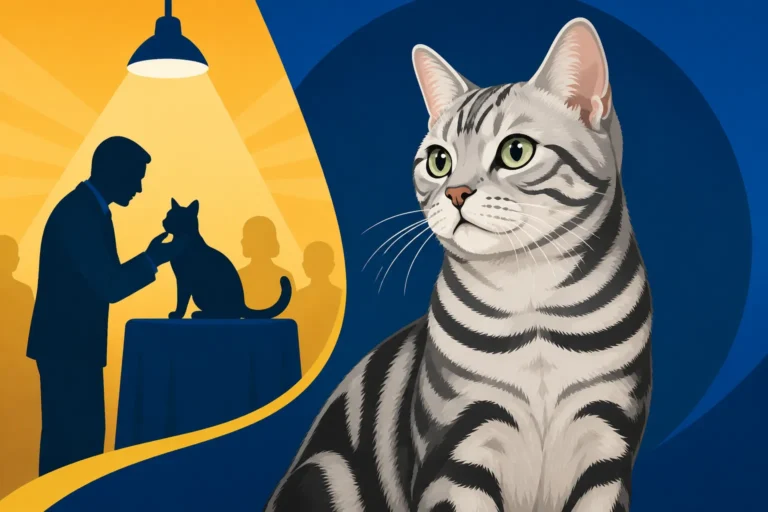
Cosey, a truly stunning Silver Tabby female, made her grand debut at arguably the most significant early cat event in North America: the very first major cat show held in Madison Square Garden in New York City in 1895. This wasn't just a small gathering; it was a massive public spectacle, drawing thousands of curious onlookers and immense media attention. It was the perfect stage for a star to emerge, and Cosey was perfectly poised for it.
Her presence at such a high-profile event was a powerful statement in itself. Amidst a diverse lineup of felines, from exotic imports to local favorites, Cosey wasn't merely a participant. She represented the quintessential domestic American cat, showcasing the inherent beauty, poise, and robust health that this type of feline possessed. She stood as a proud testament to the qualities that would soon define an entire breed.
The Madison Square Garden Win That Changed Everything
Cosey didn't just participate in that historic 1895 Madison Square Garden show; she triumphed, winning the coveted "Best in Show" title. Imagine the excitement and the headlines that must have followed! This was a monumental achievement, not only for her owner but for the entire burgeoning movement to recognize and celebrate domestic American cats. Her victory sent a clear message: these cats, often taken for granted, possessed a beauty and a quality worthy of the highest accolades.
Her win instantly catapulted the Silver Tabby pattern, and by extension, the "Domestic Shorthair" (the breed's name at the time, before it was officially renamed the American Shorthair), into the national spotlight. Newspapers carried her image, and people across the country saw her striking photograph. Suddenly, the potential for elegance and beauty in these familiar working cats became undeniable. She became the face of a new era for American felines, showing that beauty could be found in the familiar.
This singular victory provided a clear, aspirational visual ideal for early breeders. The combination of Cosey’s strong, healthy build, her calm and agreeable temperament, and that dazzling silver tabby pattern became the gold standard. She essentially drew the blueprint for what was considered beautiful and desirable, directly influencing What an American Shorthair Looks Like by the Standard for generations of breeders and enthusiasts to come. Her impact was profound and long-lasting, laying the foundation for a beloved breed.
The Silver Tabby's Enduring Legacy and Recognition
Cosey's victory wasn't a fleeting moment of fame; it was a foundational event that shaped the trajectory of the American Shorthair breed, solidifying the Silver Tabby's place as its most celebrated pattern. Her legacy continues to resonate, both in the show ring and in the broader perception of the breed.
Shaping the Breed Standard and Popularity
Cosey's undisputed triumph didn't just provide a passing moment of glory; it galvanized the nascent community of American Shorthair breeders. They now had a concrete, living example of excellence to aspire to. The stunning Silver Tabby quickly became the most sought-after color and pattern, significantly influencing breeding programs. Breeders dedicated themselves to refining the pattern, aiming for the crispest markings, the most brilliant silver, and the most dramatic contrast.
This intense focus on perfecting the Silver Tabby simultaneously highlighted the paramount importance of overall health and robust structure, qualities for which the American Shorthair was naturally known. Breeders understood that a beautiful coat was only part of the equation; the cat needed to be sound, strong, and true to its working heritage. This holistic approach contributed immensely to the breed's reputation for longevity and hardiness, qualities often discussed when considering How Long the American Shorthair Lives Against Other Pedigrees.
Even decades later, when the breed's name officially changed to American Shorthair in 1966—a crucial move designed to distinguish these pedigreed cats from random-bred house cats, as explored in The Rename That Separated the American Shorthair From the Alley Cat—the Silver Tabby remained its most recognized and beloved face. It had become synonymous with the breed itself, an enduring symbol of its distinctive charm and heritage.
The Silver Tabby as an Icon
The influence of the Silver Tabby extended far beyond the confines of the show hall and breeding programs. Its striking appearance made it a natural fit for various forms of media. It quickly became the default image for the American Shorthair in countless books, calendars, and even commercial advertising. That classic pattern, with its bold stripes and intelligent eyes, was perfect for capturing attention and conveying a sense of timeless feline appeal.
This widespread visibility played a significant role in cementing the breed's overall popularity. When people unfamiliar with the nuances of various cat breeds thought of a "pedigree American cat," they almost invariably pictured the handsome Silver Tabby. This instant recognition not only boosted the breed's profile but also solidified its market, influencing factors like Why the Silver Tabby Sells the American Shorthair and increasing demand for well-bred kittens.
Even in contemporary times, many individuals who may not be able to name specific cat breeds can still identify the Silver Tabby as "that classic American cat." Its fame has become so deeply intertwined with the very identity of the American Shorthair that it continues to serve as the breed's most iconic ambassador. If you're looking for quality supplies or reliable information about American Shorthairs, reputable online retailers like Chewy often use images of the Silver Tabby to represent the breed, further cementing its visual appeal in the public consciousness.
Why the Silver Tabby Continues to Reign Supreme
The story of the Silver Tabby American Shorthair isn't just a historical footnote; it's a living legacy that continues to influence the breed's popularity and perception today. Its iconic status is a testament to a perfect storm of aesthetic appeal, robust health, and an approachable nature, ensuring its place as a favorite among cat lovers.
A Balance of Aesthetics and Accessibility
The Silver Tabby American Shorthair offers an unparalleled combination of visual drama and the wonderfully dependable American Shorthair temperament. Owners aren't just acquiring a beautiful cat; they're gaining a friendly, adaptable, and often quite stoic companion. The breed's inherent good nature and easygoing personality are well-documented, making them fantastic family pets, a trait often highlighted when considering What an American Shorthair Pedigree Predicts About Temperament.
While the American Shorthair breed boasts a stunning array of other colors and patterns—each equally valid and beautiful within the breed standard—the Silver Tabby simply possesses a unique "wow" factor. Its brilliant contrast and classic patterning have a historical appeal that continues to draw people in. This makes it a consistently popular choice for both seasoned cat owners and those looking to welcome their very first feline into the home, as it offers a striking appearance without demanding a high-maintenance personality.
Furthermore, the American Shorthair generally comes with a relatively lower cost of ownership compared to some of the more exotic or fragile pedigree breeds, as hinted at in discussions like How Much Less an American Shorthair Owner Spends at the Vet. This accessibility, combined with the stunning good looks of the Silver Tabby, makes it a particularly attractive option. Finding breed-specific items, from sturdy cat trees to high-quality food designed for a muscular build, is straightforward, with extensive selections available from retailers like Chewy, which caters to a wide range of cat needs.
The Future of the Famous Feline
Dedicated breeders of American Shorthairs continue their diligent work to maintain and enhance the quality of the Silver Tabby lines. Their focus remains squarely on ensuring robust health, nurturing the breed's characteristic agreeable temperament, and meticulously adhering to the breed standard for both conformation and coat quality. This commitment guarantees that the iconic look of the Silver Tabby remains true to its celebrated heritage, preserving its distinctive beauty for future generations.
In a world where new and sometimes more unusual breeds and patterns frequently emerge, the Silver Tabby American Shorthair holds a very special, almost hallowed, place in the cat fancy. It represents the foundation of American cat breeding, embodying a classic elegance and resilience that speaks to its long and storied history. Its enduring prominence serves as a powerful reminder of how a well-established breed, celebrated for its natural attributes, can maintain its appeal through careful stewardship.
For anyone considering bringing an American Shorthair into their home, the Silver Tabby offers not just a pet, but a piece of history and a promise of a beautiful, companionable future. Whether you're researching potential breeders, comparing the nuances of different patterns, or simply stocking up on essential supplies, you'll inevitably encounter this beloved pattern. Reputable sources, including comprehensive pet supply platforms like Chewy, frequently showcase the Silver Tabby, further solidifying its recognition. The demand for these beautiful and well-tempered cats is reflected in considerations like What a Registered American Shorthair Kitten Costs With Papers, which ensures the ongoing legacy of these magnificent felines.
| Feature | Silver Tabby American Shorthair | Brown Tabby American Shorthair | Other American Shorthair Patterns |
|---|---|---|---|
| Base Color | Clear, brilliant silver | Warm shades of brown, often with red/gold tones | Wide range: solids (black, white, blue), torties, calicos, bi-colors, smokes, shaded |
| Marking Color | Crisp, dense black | Dark brown to black | Varies (e.g., solid, subtle, or none for solids) |
| Genetic Factor | Inhibitor gene removes warm pigments | Lacks the inhibitor gene | Dependent on specific color genes |
| Popularity/Fame | Iconic, often considered the breed's most famous | Very popular, a classic "house cat" look | Varies; some rare, some quite common |
| Show Ring Appeal | Highly prized for clear contrast and brilliance | Judged on clarity and richness of brown tones | Each judged on adherence to specific color standard |
| Visibility | Frequently depicted in media and advertising | Common in pet photography and general imagery | Less universally recognized as "the" American Shorthair |
Disclaimer
This article is for general informational purposes only and does not constitute professional advice. Laws, prices and regulations vary by location and change over time. Consult a qualified professional for guidance on your specific situation.