Why the American Shorthair Name Changed in 1966
Many cat lovers today might look at an American Shorthair and assume it's simply a fancy name for a domestic tabby, a common misconception that often sparks confusion. However, there's a significant historical reason why this beloved breed officially transitioned from its more generic designation to the distinctive "American Shorthair" in 1966. This guide will delve into the journey of this remarkable feline, exploring the practicalities and passions that drove this pivotal change, and what it truly means for the breed's identity and its place in our homes and hearts.
The Humble Beginnings: When a Breed Was Just a Cat
To understand why the name change was so important, we first need to appreciate the American Shorthair's deep roots in American history. These cats weren't bred for show initially; they were working cats, integral to the survival and success of early settlers.
Ancestry on the High Seas and Farms
Imagine the cramped quarters of early European sailing ships making their way to the New World. These voyages were long, often dangerous, and plagued by vermin. That's where the ancestors of our modern American Shorthairs truly began their story. They were brought along, not as pampered pets, but as essential crew members, valued for their prowess in hunting rats and mice. This wasn't a job for the faint of heart; these cats needed to be resilient, intelligent, and self-sufficient. Ships Carried the American Shorthair's Ancestors as Ratters highlights just how vital these feline pest controllers were.
Once they arrived on American shores, their role didn't diminish. They became indispensable on farms, in barns, and in burgeoning settlements. Their hunting instincts were honed by necessity, keeping grain stores safe and homes free of disease-carrying rodents. They truly earned their keep, adapting to varied climates and lifestyles across the vast American landscape. This rigorous natural selection process contributed to their robust health and calm temperament, characteristics still cherished in the breed today.
The Unsung Heroes: Early American Working Cats
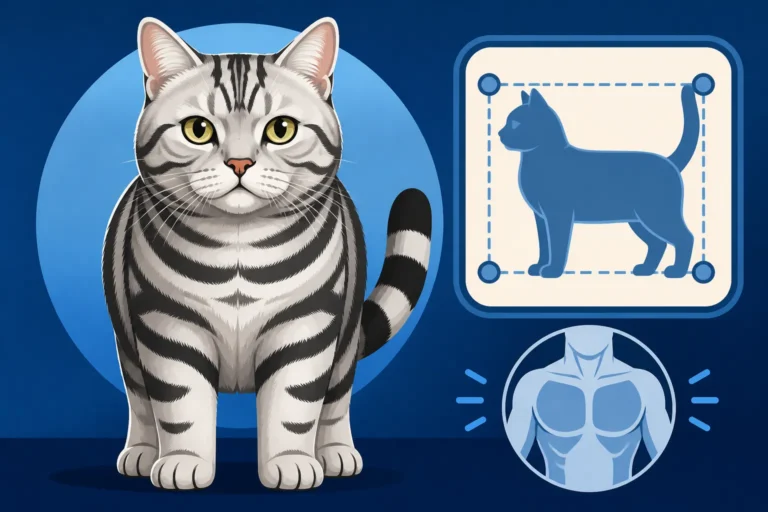
For centuries, these cats were simply "the cats." They were common, hardy, and omnipresent, found in every nook and cranny of American life. They weren't given special titles or pedigrees; their value was in their utility. They lived alongside humans, often forming strong bonds, but their primary purpose was clear: to hunt. This heritage shaped their very being, making them agile, strong, and incredibly observant. They developed that classic "mouser" build – a solid, muscular body, a broad chest, and powerful jaws, all optimized for efficiency in their hunting tasks.
It's easy to overlook these early, unassuming felines, but they represent the very foundation of the American Shorthair breed. They were the original "domestic shorthairs" in the truest sense of the word – cats of the home, with short coats, perfectly suited to their environment and their job. Their lack of a specific breed name at this stage simply reflected their widespread, utilitarian presence across the continent. They were so common, in fact, that most people wouldn't have thought twice about their origins beyond knowing they were good at catching pests.
The Dawn of Cat Fancies and the "Domestic Shorthair" Era
As the 19th century gave way to the 20th, a new phenomenon began to sweep through America: the rise of organized cat shows and the concept of pedigree cat breeding. This new interest brought both recognition and, eventually, a need for clearer definitions.
Formal Recognition and the Rise of Pedigree Cats
In the late 1800s and early 1900s, people started to appreciate cats for more than just their ratting abilities. Cat fanciers began organizing shows, recognizing distinct types, and establishing breed standards. This was a pivotal moment, as it elevated cats from mere utility animals to companions worthy of careful breeding and exhibition. The ancestors of the American Shorthair were among the very first breeds to be recognized by nascent cat associations, including the Cat Fanciers' Association (CFA). In fact, The American Shorthair Was One of the CFA's Five Founding Breeds, underscoring its foundational importance to the American cat fancy.
Initially, these hardy, short-coated American cats were simply grouped under the broad, descriptive term "Domestic Shorthair." This name reflected their common ancestry and their physical traits: they were domestic, not wild, and they had short hair. It was a perfectly sensible label at the time, helping to differentiate them from imported long-haired breeds or the emerging "fancy" short-haired cats like the Siamese. Breeders worked diligently to maintain their sturdy build and gentle temperament, selecting for traits that had served them so well for centuries. They valued their natural health and their ability to thrive in various home environments.
The Conundrum of a Generic Name
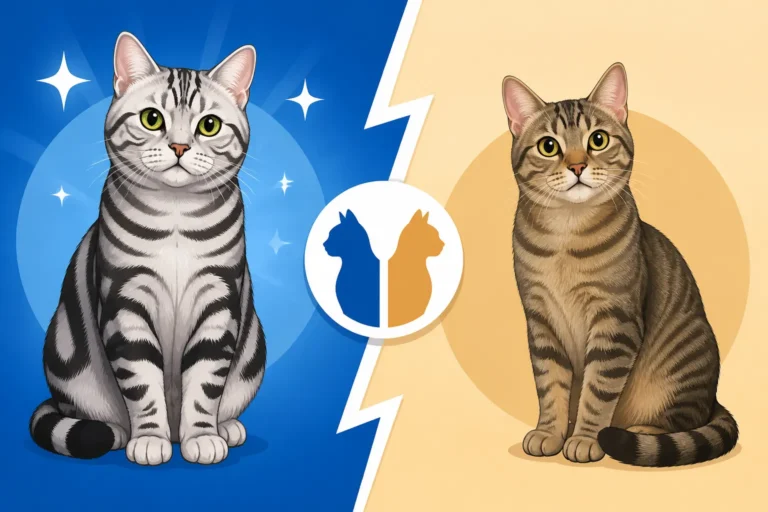
While "Domestic Shorthair" served its purpose in the early days of cat fancy, it quickly became a source of increasing confusion. The problem was that "domestic shorthair" also accurately described any non-pedigreed cat with short hair. If you walked into a shelter and adopted a friendly tabby, you'd likely call it a domestic shorthair. If you visited a pedigreed breeder specializing in show-quality felines, their cats were also called Domestic Shorthairs. This created a significant overlap and made it incredibly difficult for the general public, and even some within the cat fancy, to distinguish between a carefully bred, pedigreed animal with a known lineage and a beloved, but unregistered, household cat.
Imagine trying to explain to someone the difference between a "Domestic Shorthair" that had generations of carefully recorded ancestry, health screenings, and a specific temperament bred into it, and a "domestic shorthair" that was simply a mixed-breed cat found on the street. It was a marketing nightmare for breeders and a genuine source of misunderstanding for prospective owners. This ambiguity undermined the very idea of a "breed" for these cats, making it hard to convey the value and effort that went into their development. Why the American Shorthair Was Called Domestic Shorthair Until 1966 further explores this period of identity crisis for the breed.
The Need for Distinction: Why "Domestic Shorthair" No Longer Fit
The growing popularity of purebred cats and the desire for clarity necessitated a change. The term "Domestic Shorthair" became a hindrance rather than a help, diminishing the breed's unique identity.
Increasing Confusion in the Show Ring
In the competitive world of cat shows, judges and exhibitors strive for precision. A breed standard defines the ideal characteristics, from coat texture and color to body type and temperament. When a pedigreed "Domestic Shorthair" competed, it was up against other pedigreed cats, all with specific standards. However, the generic nature of the name meant that casual observers, and even some new enthusiasts, often struggled to see the distinction between the carefully bred show cat and any well-groomed household short-haired cat. This blurred the lines and diluted the recognition that pedigreed breeders sought for their animals.
This confusion wasn't just external; it also affected the perception of the breed's specific qualities. While the general "domestic shorthair" population is incredibly diverse, the pedigreed variant had a consistent, well-defined look and temperament – robust, intelligent, even-tempered, and healthy. The generic name prevented this specific profile from truly shining. Breeders felt their hard work in developing and maintaining these specific traits was being overlooked because the name suggested their cats were no different from any other short-haired cat in the neighborhood. This made it challenging to showcase the breed's heritage and the dedication involved in its preservation.
Protecting the Breeder's Efforts
For breeders, the choice to dedicate themselves to a specific line of cats involves immense time, effort, and financial investment. They carefully select breeding pairs, monitor health, track pedigrees, and often perform extensive health screenings. When their carefully bred kittens were sold as "Domestic Shorthairs," the name didn't convey this depth of commitment. It risked devaluing their work and making it seem as though their cats were interchangeable with any random-bred cat. This was particularly frustrating when considering the costs associated with responsible breeding, from veterinary care to proper nutrition and facilities.
Moreover, the lack of a distinct name made it harder to protect the genetic heritage and health integrity of their lines. Without a clear identifier, it was more challenging to educate the public about the benefits of a pedigreed cat, such as predictable temperament, adherence to a known physical standard, and a documented health history. Breeders were passionately working to preserve the natural health and sturdy build that had been hallmarks of these cats for generations. A unique name would help solidify this effort, giving the breed the recognition and respect it deserved in the burgeoning world of cat fancy.
The Transformative Year: 1966 and the Birth of the American Shorthair
The pressure for a name change mounted until, in 1966, the cat fancy associations made a decisive move, forever altering the breed's identity.
The Official Decision and its Rationale
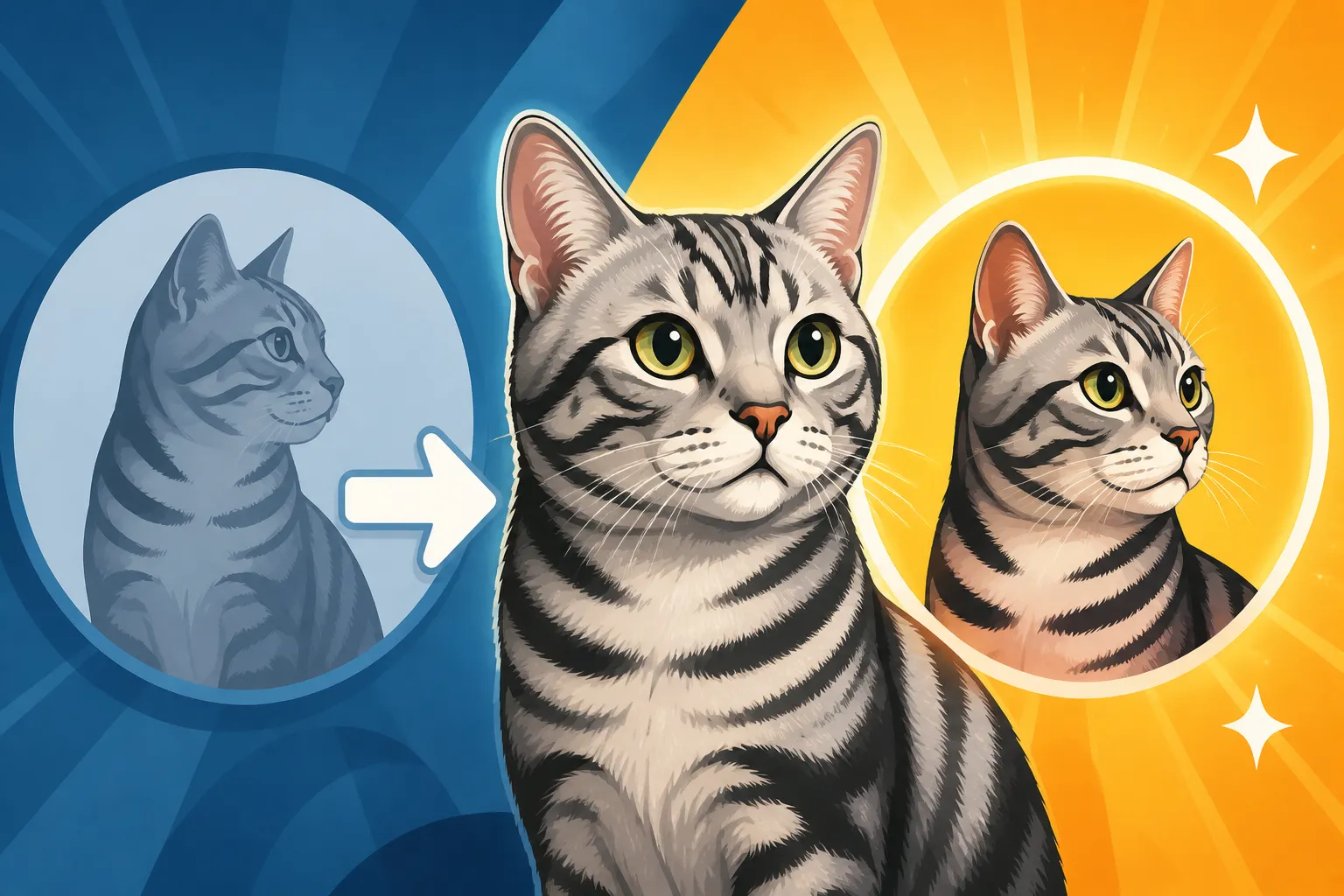
After years of debate and growing consensus among breeders and cat associations, the Cat Fanciers' Association (CFA) officially changed the name from "Domestic Shorthair" to "American Shorthair" in 1966. This wasn't a superficial rebranding; it was a strategic decision born out of necessity and a desire for clarity. The rationale was multi-faceted:
First and foremost, it provided a distinct identity. The name "American Shorthair" immediately conveyed a sense of national origin, celebrating the breed's historical ties to the United States. It recognized their role in American history, from the ships that brought them over to the farms they protected.
Secondly, it unequivocally distinguished the pedigreed breed from the vast population of non-pedigreed domestic short-haired cats. No longer would a judge or a potential owner confuse a carefully bred cat with a random alley cat, however charming that alley cat might be. This separation was crucial for maintaining the integrity of the breed standard and the efforts of dedicated breeders. The Rename That Separated the American Shorthair From the Alley Cat delves into this separation and its implications.
This change also offered a sense of pride and exclusivity for breeders and owners. Owning an "American Shorthair" meant owning a cat with a documented pedigree, a rich history, and specific, desirable traits. It became a name that stood for quality, predictability, and a connection to a uniquely American feline heritage.
Solidifying the Breed's Identity
The name change in 1966 was more than just a label switch; it was the final step in solidifying the American Shorthair's identity as a distinct and respected breed. It gave the breed its own flag, so to speak, allowing it to stand proudly alongside other pedigreed cats like Persians and Siamese. This new name underscored the fact that this was a native North American breed, shaped by centuries of adaptation and natural selection, then refined by careful breeding.
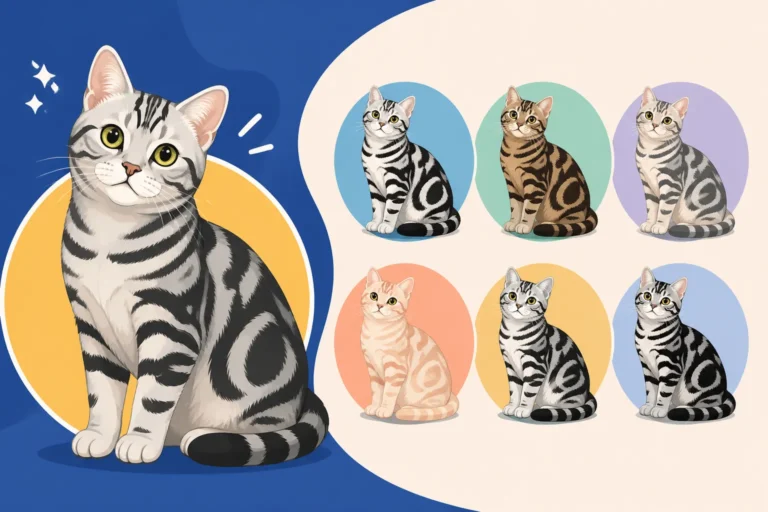
It allowed enthusiasts to talk about "the American Shorthair" without needing to add qualifiers or explanations. When discussing health screenings or temperament traits, the name now pointed to a specific entity with predictable characteristics, rather than a nebulous category. This clarity was invaluable for breed clubs, for educating the public, and for promoting responsible ownership. It created a clear category for those seeking a specific type of cat – one known for its robust health, placid disposition, and striking classic tabby patterns, particularly the silver tabby which had become so iconic. The Silver Tabby That Made the American Shorthair Famous played a huge role in the breed's newfound public recognition.
Here’s a quick overview of how the name change clarified distinctions:
| Feature | Before 1966 (Domestic Shorthair) | After 1966 (American Shorthair) |
|---|---|---|
| Identity | Generic term for any short-haired house cat. | Specific name for a pedigreed breed with a standard. |
| Pedigree | Conflated with random-bred cats, often implying no pedigree. | Clearly denotes a cat with a documented lineage. |
| Health | Implied general cat health, varied and unpredictable. | Linked to breed-specific health efforts and screening. |
| Temperament | Highly variable, depended on individual cat. | Recognizable, consistent breed temperament (calm, adaptable). |
| Show Status | Confusing for public, hard to distinguish from non-show cats. | Unambiguously a show breed, with its own specific classes. |
This table illustrates how crucial the re-naming was for the American Shorthair's standing in the cat community.
The Impact of the Name Change: What it Meant for the Breed
The rebranding wasn't merely cosmetic; it had profound and lasting effects on how the breed was perceived, bred, and championed.
Elevating the Breed's Status
With its new, distinctive name, the American Shorthair shed the stigma of being "just a common cat." It gained a heightened sense of prestige and importance within the cat fancy. Breeders could now proudly present their cats with a name that reflected their pedigreed status and rich history. This elevation in status encouraged more people to consider the breed seriously, not just as a pet, but as a recognized companion animal with specific traits to offer. It allowed organizations like the CFA to promote the breed more effectively, attracting new enthusiasts and ensuring its continued legacy.
This newfound status also had a ripple effect on breeding practices. Breeders, now with a clearer identity to uphold, often intensified their efforts to meet and exceed the breed standard, focusing on robust health, ideal conformation, and desirable temperaments. The investment in these cats, both emotional and financial, felt more validated. This means when you look for American Shorthair supplies on a site like Chewy, you're investing in a breed with a carefully managed heritage, not just any cat. This careful management helps ensure that the traits American Shorthair owners love, like their adaptability and gentle nature, continue through the generations.
Clarifying Pedigree Versus Random Bred
Perhaps the most significant long-term impact of the name change was the undeniable clarity it brought to the distinction between a pedigreed American Shorthair and a domestic shorthair (often referred to as a "moggy" or "alley cat"). This clarification was essential for responsible pet ownership and for the future of the breed. How an American Shorthair Differs From a Domestic Shorthair provides a more in-depth look at these differences.
When someone seeks an American Shorthair today, they are typically looking for a cat with a known genetic background, a predictable size and appearance, and a temperament that aligns with the breed's reputation for being calm, adaptable, and affectionate. This contrasts sharply with the wonderful, but inherently unpredictable, nature of a random-bred cat. While both can make incredible companions, the expectations and reasons for choosing one over the other are distinct. The name change gave prospective owners the confidence that they were truly acquiring a cat of a specific, well-defined breed. It also helped shelter organizations in accurately identifying and describing the cats in their care, even if they resembled American Shorthairs without having a documented pedigree.
Marketing and Public Perception
The rebrand to "American Shorthair" was a marketing triumph, even if it wasn't explicitly designed as such at the time. It made the breed easier to remember, to talk about, and to promote. The name itself is catchy and evocative, conjuring images of Americana and a sturdy, wholesome pet. This helped cement the breed's place in popular culture and contributed to its enduring popularity.
The clarity provided by the name change also benefited vendors and retailers. When an owner searches for specific products for their American Shorthair – perhaps a particular type of food or a scratching post that holds up to their muscular build – the breed name offers a clear identifier. This is why you'll find breed-specific information or product recommendations on platforms like Chewy, catering to the distinct needs and characteristics of recognized breeds. The name gave the breed a clear brand, allowing for targeted resources and information that were previously muddled under the umbrella of "Domestic Shorthair." This improved public perception and understanding has been vital for the American Shorthair to maintain its status as one of the most beloved and recognized cat breeds.
Disclaimer
This article is for general informational purposes only and does not constitute professional advice. Laws, prices and regulations vary by location and change over time. Consult a qualified professional for guidance on your specific situation.