The Rename That Separated the American Shorthair From the Alley Cat
It’s incredibly common for people to look at an American Shorthair and think, "Well, that just looks like a fancy alley cat!" And honestly, for a long time, the lines were blurry even among breeders and enthusiasts. The frustration of trying to differentiate a well-bred cat with a distinct heritage from a charming mixed-breed that simply shared similar physical traits led to a pivotal moment in the breed's history. This guide will take you through the fascinating journey of how a simple name change ultimately elevated the American Shorthair from its generic origins to a recognized and cherished pedigree, clearly separating it from the common domestic shorthair.
The Humble Beginnings: Early American Shorthair Ancestors
Before the American Shorthair became the distinct breed we know and love today, its ancestors were the quintessential working cats of early America. These felines weren't pampered pets; they were essential members of households, farms, and ships, earning their keep with their natural hunting prowess. Their survival depended on their adaptability, intelligence, and rugged health, characteristics that would eventually be celebrated and preserved in the breed standard.
Cats on the Mayflower and Beyond: Their Essential Role
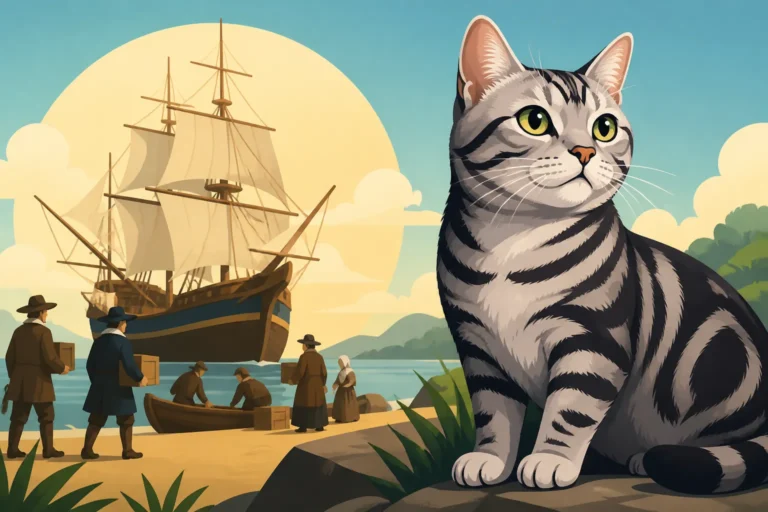
Imagine the cramped quarters of the Mayflower or any of the early European sailing vessels making their arduous journey to the New World. It wasn't just people and their provisions aboard; cats were indispensable crew members. These feline companions were brought along for a very practical and crucial reason: pest control. Without them, rodents would have quickly decimated food supplies, chewed through vital ropes and timbers, and spread disease among the passengers and crew. These were the true "ships' cats," hardy and self-sufficient, and they formed the genetic foundation of what would become the American Shorthair. Their purpose was clear, and their performance directly impacted the success of these early voyages and settlements. Ships Carried the American Shorthair's Ancestors as Ratters vividly illustrates the critical role these cats played in historical maritime endeavors.
Upon arrival, these cats continued their essential work, transitioning from ship to shore. They helped protect nascent settlements from vermin, ensuring that precious food stores were safe and that homes remained free of pests. Their presence was a necessity, not a luxury, and their offspring inherited this strong working ethic and robust constitution.
From Ship to Farm: The Working Cat Ethos
As settlers moved inland and established farms, these adaptable cats followed, becoming integral to agricultural life. On farms, their primary job remained the same: keeping barns, granaries, and homes free of mice, rats, and other small pests. This "working cat" ethos deeply ingrained certain traits into their genetic makeup. They developed strong, muscular bodies capable of agile hunting and sustained effort. Their short, dense coats were perfect for all kinds of weather, providing protection whether they were out in a snowy barn or navigating a summer field. They were independent, intelligent, and often quite stoic, accustomed to solving problems on their own.
This continuous selection for practical utility, rather than specific aesthetic traits, ensured a naturally healthy and functional lineage. There was no selective breeding for extreme features or delicate constitutions; only the fittest and most efficient hunters thrived. This natural selection over centuries shaped the cat's physical form and temperament long before any formal breed standards were ever conceived. Their quiet efficiency and dependable nature made them beloved, if unsung, heroes of American expansion.
The Rise of Fancy Felines: Early Cat Shows and the "Domestic Shorthair"
The late 19th and early 20th centuries saw a burgeoning interest in pedigree animals, with dog and cat shows gaining popularity. People started to appreciate the unique qualities of certain feline types, moving beyond their purely utilitarian roles. This era marked the beginning of formal cat breeding and the establishment of registries, but it also highlighted a significant identity crisis for America's native shorthaired cats.
The First Cat Shows: Recognizing the "Common" Cat
When cat shows began to emerge in the United States, enthusiasts naturally looked to the cats around them. Among the glamorous imported breeds like Persians and Siamese, there was a desire to recognize and celebrate the robust, intelligent, and beautiful native shorthaired cats that had been a part of American life for generations. These were the very cats descended from the ships' cats and farm mousers. Initially, they were shown under a rather uninspired and generic name: the Domestic Shorthair.
This designation, while accurate in describing their general type and origin, didn't quite capture the unique essence that breeders were starting to identify. It grouped together all short-haired cats found in American homes, regardless of their specific lineage or consistency of type. Some of these cats were undoubtedly pure examples of the emerging breed, while others were simply everyday household moggies. The goal was to refine and standardize these cats, bringing order to their inherent qualities and proving that they deserved a place alongside the more exotic, imported breeds. Early breeders recognized their distinctive qualities and aimed to preserve them. The American Shorthair Was One of the CFA's Five Founding Breeds outlines how crucial these cats were from the very beginning of formal cat fancy organizations.
The Dilemma of a Generic Name: "Domestic Shorthair"
The name "Domestic Shorthair" presented a significant challenge. While it was technically correct for any non-pedigree, short-haired cat found in a domestic setting, it completely failed to differentiate the specific, carefully bred lineage that cat fanciers were trying to establish. Imagine a passionate breeder, meticulously selecting for temperament, health, and conformation to a nascent standard, only for their efforts to be lumped in with any random stray cat that happened to have short hair. This was the core frustration. The term created confusion and diminished the perceived value and unique characteristics of the developing breed.
The problem wasn't just about prestige; it was about establishing a clear identity. How could potential owners understand they were acquiring a cat bred for specific traits – a steady temperament, a powerful build, a distinct head shape – when the name suggested any backyard cat could fit the bill? This generic label hindered the breed's progress, making it difficult to educate the public and attract serious breeders. The name simply didn't convey the dedication and selective breeding that was going into these wonderful animals. For years, Why the American Shorthair Was Called Domestic Shorthair Until 1966 highlighted this exact issue, showcasing the breed's struggle for a unique identity.
The Need for Distinction: Why a New Name Was Crucial
As the formal cat fancy matured, the limitations of the "Domestic Shorthair" designation became increasingly apparent. Breeders and enthusiasts understood that for their beloved cat to truly thrive as a recognized pedigree, it needed an identity that was as unique and dignified as the cats themselves. This wasn't just about marketing; it was about ensuring the breed's future and cementing its place in the world of purebred felines.
Elevating the Status: Beyond the Alley Cat Image
The biggest hurdle for the "Domestic Shorthair" was its undeniable association with the common alley cat or household moggy. While these cats are often wonderful companions, they don't possess the consistency of type, temperament, and health that comes from generations of selective breeding. For a cat to be considered a breed, there must be a defined standard that breeders aim for and which differentiates it from the general cat population. The generic name actively undermined this effort.
Breeders were pouring their hearts and resources into developing cats with specific qualities: a broad chest, a large rounded head, a clear pattern, and a calm, adaptable nature. They wanted the public to understand that these were not just "any cat" but a distinct lineage with a rich history and predictable traits. The name needed to reflect this carefully cultivated identity and elevate the cat beyond the perception of a random, unmanaged population. It was about respect for the breeders' work and for the cat itself. This desire for a clear identity ultimately led to the pivotal rename, ensuring that How an American Shorthair Differs From a Domestic Shorthair would become a topic of discussion among enthusiasts.
Preserving Breed Standards: Protecting the Legacy
A distinct name was also vital for the preservation and evolution of the breed standard. Without a clear identity, it was challenging to enforce breeding practices that adhered to specific physical and temperamental traits. A proper breed name signifies a commitment to maintaining certain characteristics through controlled breeding programs. It provides a framework for judges at cat shows, ensuring they are evaluating cats against a consistent ideal rather than a broad, undefined category.
The breeders of the American Shorthair's ancestors had a vision: to preserve the robust health, sturdy build, and amiable temperament that had made these cats so successful in their working roles. This included specific head shapes, body types, coat textures, and even color patterns. A generic name made it difficult to protect these standards from dilution by outcrossing or accidental breeding with unrelated domestic cats. The new name would act as a guardian, defining the boundaries of the breed and signaling to both breeders and the public what an American Shorthair truly represented. Organizations like Chewy, which cater to a wide range of pet owners, rely on these clear distinctions to help customers find products tailored to specific breed needs and characteristics. Who Started Breeding the American Shorthair to a Standard delves deeper into the foundational efforts to establish these crucial guidelines.
The Transformative Year: 1966 and the American Shorthair
The pressure for a more specific and dignified name for America's native shorthaired cat reached its peak in the mid-20th century. The year 1966 stands out as the turning point, a moment that fundamentally reshaped the identity and future of the breed. This was not merely a cosmetic change but a strategic move that had lasting implications for how the cat was perceived, bred, and celebrated.
The Official Renaming: A Landmark Decision
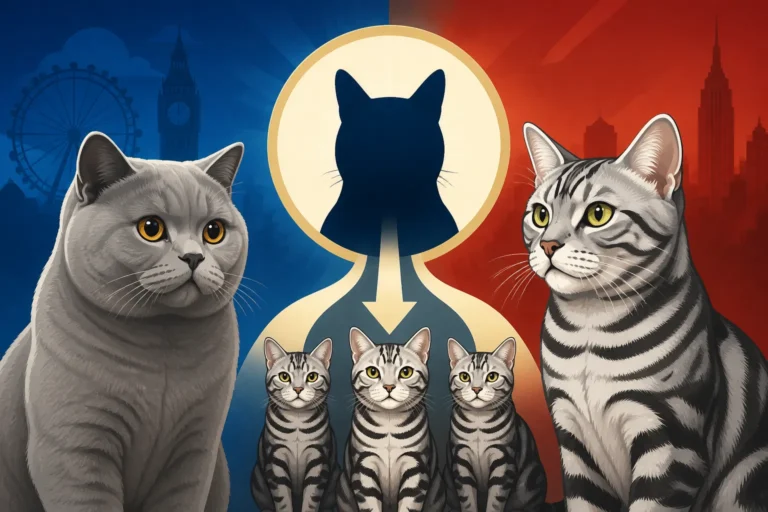
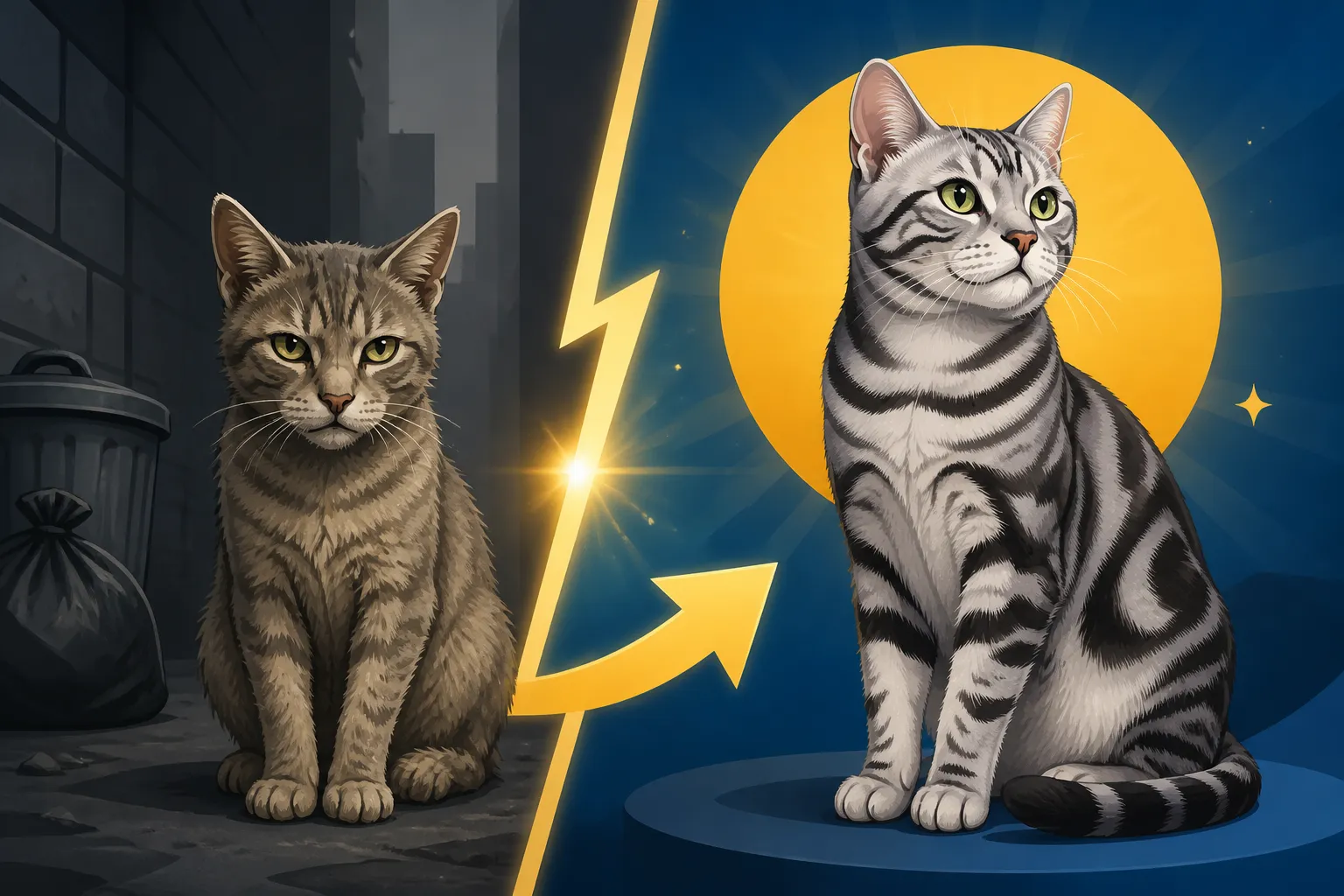
In 1966, after considerable debate and advocacy from dedicated breeders, the Cat Fanciers' Association (CFA) officially recognized the need for a change. The breed formerly known as the "Domestic Shorthair" was given a new, distinct, and proud name: the American Shorthair. This decision was a landmark moment, signaling a clear separation between pedigree and general household cat. It was a conscious effort to differentiate the carefully developed breed from the millions of unpedigreed, short-haired cats roaming homes and streets across the country.
The "American" prefix was chosen intentionally to honor the breed's deep roots in the United States, acknowledging its historical journey from the earliest settlements to its place in the modern cat fancy. "Shorthair" kept the descriptive element of its coat, but the crucial addition of "American" cemented its identity as a unique and specific breed. This official recognition was a testament to the tireless work of breeders who had dedicated themselves to preserving and perfecting the characteristics of these magnificent cats. The Rename That Separated the American Shorthair From the Alley Cat is the very core of this discussion, marking the historical significance of this event.
Public Perception Shift: From Generic to Pedigree
The renaming had an almost immediate impact on public perception. Suddenly, the American Shorthair was no longer just "a cat" that looked like many others; it was the American Shorthair, a breed with its own history, standard, and characteristics. This clarity made it easier for the public to understand what they were looking at in a show ring or when researching a potential pet. Instead of vaguely understanding that some "Domestic Shorthairs" were special, people now understood that the American Shorthair was a distinct, recognized pedigree.
This shift in perception led to increased interest and respect for the breed. It encouraged more people to seek out registered American Shorthairs from reputable breeders, understanding that they were acquiring an animal bred to specific health and temperament standards. It allowed the breed to stand tall alongside other long-established pedigrees, proving that America's native working cat had truly arrived in the world of cat fancy. The name provided the necessary distinction, setting a new benchmark for appreciation and understanding.
What the Name Change Accomplished: Defining a Breed's Identity
The 1966 renaming of the American Shorthair was far more than a simple semantic tweak; it was a foundational act that permanently altered the breed's trajectory. It solidified its place in the cat fancy, provided a clear framework for its development, and helped shape the consistent, beloved breed we recognize today.
Clarifying Genetic Heritage: A Standardized Future
One of the most significant accomplishments of the name change was the clarification of the breed's genetic heritage. By calling it the American Shorthair, breeders and registries could more effectively define and maintain a closed gene pool, ensuring that only cats meeting the specific breed standard were recognized as such. This was crucial for moving towards a standardized future. Before the rename, the genetic lines were often blurred, making it difficult to predict traits or to systematically improve the breed over generations.
With a distinct name, breeders could focus on specific characteristics: the broad head, medium-sized ears, round eyes, well-muscled body, and the signature dense, hard coat. They could track lineage, identify desirable traits, and selectively breed to enhance these qualities, all while minimizing genetic predispositions to health issues. What an American Shorthair Pedigree Guarantees highlights how this clarity in genetic heritage provides assurances to owners about their cat's background and potential. This also helped distinguish it from other shorthaired breeds that might have similar appearances but different genetic makeups.
Impact on Breeding and Recognition: A Clear Path Forward
The impact on breeding programs was profound. The new name gave breeders a clear identity to work towards and protect. It fostered a sense of collective purpose among American Shorthair enthusiasts, allowing them to collaborate on refining the breed standard and promoting its unique qualities. This formal recognition by major registries like the CFA gave the breed credibility and structure, which in turn encouraged more dedicated individuals to become involved in ethical breeding.
Furthermore, the clear name facilitated broader recognition not just within the United States but internationally. Other cat associations worldwide could now clearly identify the American Shorthair as a distinct American breed, leading to its inclusion in their own registries and shows. This global acknowledgment was essential for the breed's growth and popularity. The name change provided a clear path forward, allowing the American Shorthair to move from a charming but often misunderstood type of cat to a universally celebrated and well-defined pedigree. If you're looking for quality supplies for your American Shorthair, knowing its specific breed status can help you choose products from retailers like Chewy that cater to breed-specific needs, even if those needs are primarily health-focused due to their robust nature.
Distinguishing the Pedigree from the Pet: American Shorthair vs. Domestic Shorthair Today
Despite the name change in 1966, the confusion between a pedigree American Shorthair and a common domestic shorthair still occasionally pops up. It's an understandable mix-up, given their shared heritage, but there are distinct differences that set the two apart, particularly when it comes to the expectations of ownership and the assurances a pedigree provides.
Physical Traits and Temperament: What Defines the American Shorthair
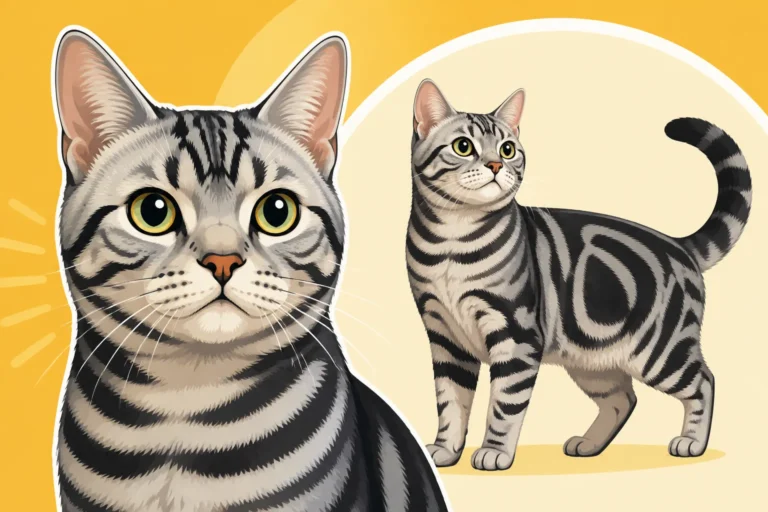
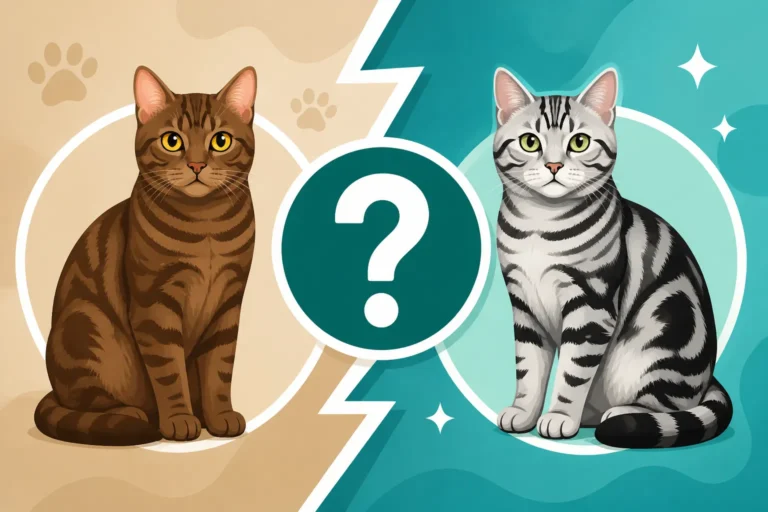
While a domestic shorthair can come in an astonishing array of colors, patterns, and body types, the American Shorthair adheres to a very specific and consistent standard. When you look at a true American Shorthair, you'll see a cat of substance and power. They are moderately large, powerfully built cats with a well-muscled body, broad chest, and strong jaws. Their head is large and rounded, with full cheeks and a square muzzle. Their eyes are large, round, and widely set, often a brilliant color that complements their coat. Their short, dense, and relatively hard coat is one of their most distinguishing features, designed to protect them from the elements and often displaying clear, vibrant tabby patterns, particularly the iconic silver tabby. What an American Shorthair Looks Like by the Standard provides a detailed description of these desired physical traits.
Beyond looks, temperament is also a defining factor. American Shorthairs are renowned for their adaptable, easygoing, and affectionate personalities. They are intelligent, playful, and generally very tolerant, making them excellent family pets. While a domestic shorthair's temperament can be a delightful lottery, an American Shorthair's nature is more predictable due to generations of selective breeding. This consistency is a hallmark of a recognized pedigree.
The Importance of Documentation: Papers and Pedigrees
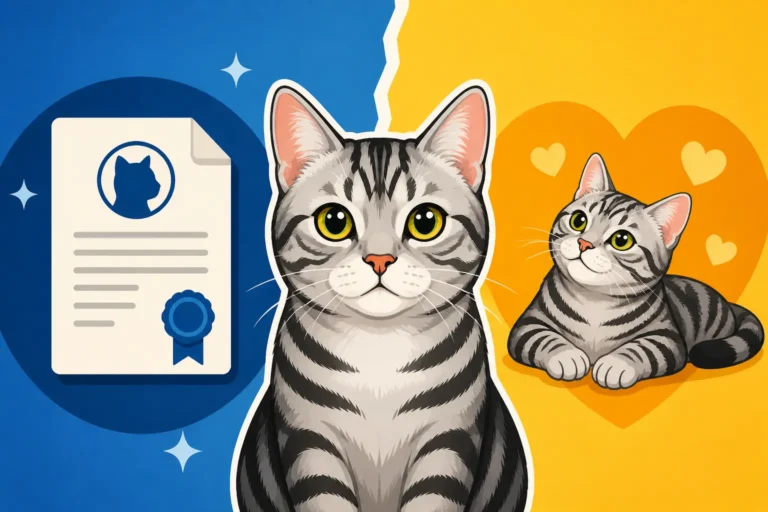
The most definitive way to tell a pedigree American Shorthair from a domestic shorthair is through documentation. A true American Shorthair will come with registration papers from a recognized cat registry, such as the CFA. These papers are a testament to the cat's lineage, proving that its ancestors have met the breed standard for generations. They provide a verifiable record of the cat's parentage, ensuring that it is indeed a purebred American Shorthair and not merely a cat that resembles one. Whether Papers Are the Only Proof of an American Shorthair directly addresses this critical distinction.
A domestic shorthair, by contrast, is a cat of unknown or unregistered parentage. They are often mixed-breed cats, even if they share some physical similarities with the American Shorthair. While they make wonderful companions, they don't have the documented lineage or the predictability of traits that come with a pedigree. The papers are not just a piece of fancy parchment; they represent the rigorous breeding practices, health screenings, and commitment to the breed standard that differentiate the American Shorthair. Without this documentation, even a cat that perfectly matches the American Shorthair's appearance is, by definition, considered a domestic shorthair. In essence, the pedigree papers are the birth certificate and family tree, confirming its status.
Comparison: American Shorthair vs. Domestic Shorthair
| Feature | American Shorthair | Domestic Shorthair (Moggy) |
|---|---|---|
| Origin | Recognized pedigree breed, standardized lineage | Mixed-breed, random ancestry |
| Physical Traits | Consistent, defined standard (e.g., muscular body, rounded head, specific coat texture/patterns) | Highly varied; can resemble different breeds, no standard |
| Temperament | Generally predictable (e.g., adaptable, calm, friendly) | Highly varied; personality is often a delightful surprise |
| Health | Predictable health profile through selective breeding and screening for known issues | Variable, depends on individual genetic mix |
| Documentation | Comes with official registration papers from a recognized cat association | No formal registration papers, ancestry usually unknown |
| Cost | Generally higher purchase price due to breeding and care | Often free or low adoption fee |
| Genetic Makeup | Relatively closed gene pool, specific traits selected | Open gene pool, diverse genetic contributions |
The Enduring Legacy of the Renaming
The decision to rename the Domestic Shorthair to the American Shorthair in 1966 was a turning point that continues to shape the breed today. It wasn't just about giving a cat a fancy title; it was about acknowledging a rich history, celebrating distinct qualities, and ensuring a clear, respected future for America's native working cat. The legacy of this renaming is evident in every aspect of the breed's modern existence.
Maintaining Breed Integrity in the Modern Era
One of the most profound effects of the renaming was its role in maintaining breed integrity. By providing a clear and specific identity, the American Shorthair breeders could more effectively protect their lines from indiscriminate outcrossing and genetic dilution. This meant that the desirable traits – the robust health, the sturdy conformation, the amiable temperament, and the iconic short, dense coat – could be consistently preserved and enhanced. Without this distinction, the breed might have slowly merged back into the general domestic cat population, losing its unique characteristics.
Today, breed clubs and registries rigorously uphold the standard established generations ago, ensuring that American Shorthairs continue to embody the qualities that made their ancestors so successful. This commitment to integrity means that when you acquire an American Shorthair, you are getting a cat whose traits are predictable and true to its heritage. The clarity provided by the name change remains a cornerstone of responsible breeding practices, ensuring the breed's authenticity for future generations. Whether a Domestic Shorthair and an American Shorthair Differ Genetically explains why this integrity is so important for the breed's unique genetic profile.
The American Shorthair's Place in History
The renaming cemented the American Shorthair's place not just in the cat fancy but in American history itself. It recognized these cats as more than just utilitarian animals; they were living heirlooms, direct descendants of the felines that accompanied early settlers. This historical connection gives the breed a unique narrative and a special significance that resonates with many owners. They are a tangible link to America's past, embodying the resilience, independence, and quiet dignity of those early companions.
Today, the American Shorthair is celebrated for its steady nature, its powerful yet elegant appearance, and its relatively robust health, a testament to its functional origins. It stands as a reminder that some of the most cherished pedigrees can arise from the humblest beginnings, elevated not by artificial extremes but by the recognition and preservation of their natural strengths. From the hold of the Mayflower to the show halls of today, the American Shorthair has traveled a long and distinguished path, all thanks to a pivotal decision that finally gave it a name worthy of its legacy. And for those seeking to care for these magnificent animals, whether through specialized diets or engaging toys, brands like Chewy offer a comprehensive selection to meet their needs. The Mayflower Cats Behind the American Shorthair illustrates the breed's deep historical roots, highlighting how far this breed has come.
Disclaimer
This article is for general informational purposes only and does not constitute professional advice. Laws, prices and regulations vary by location and change over time. Consult a qualified professional for guidance on your specific situation.