Whether Dental Treats Fit an American Shorthair’s Calories
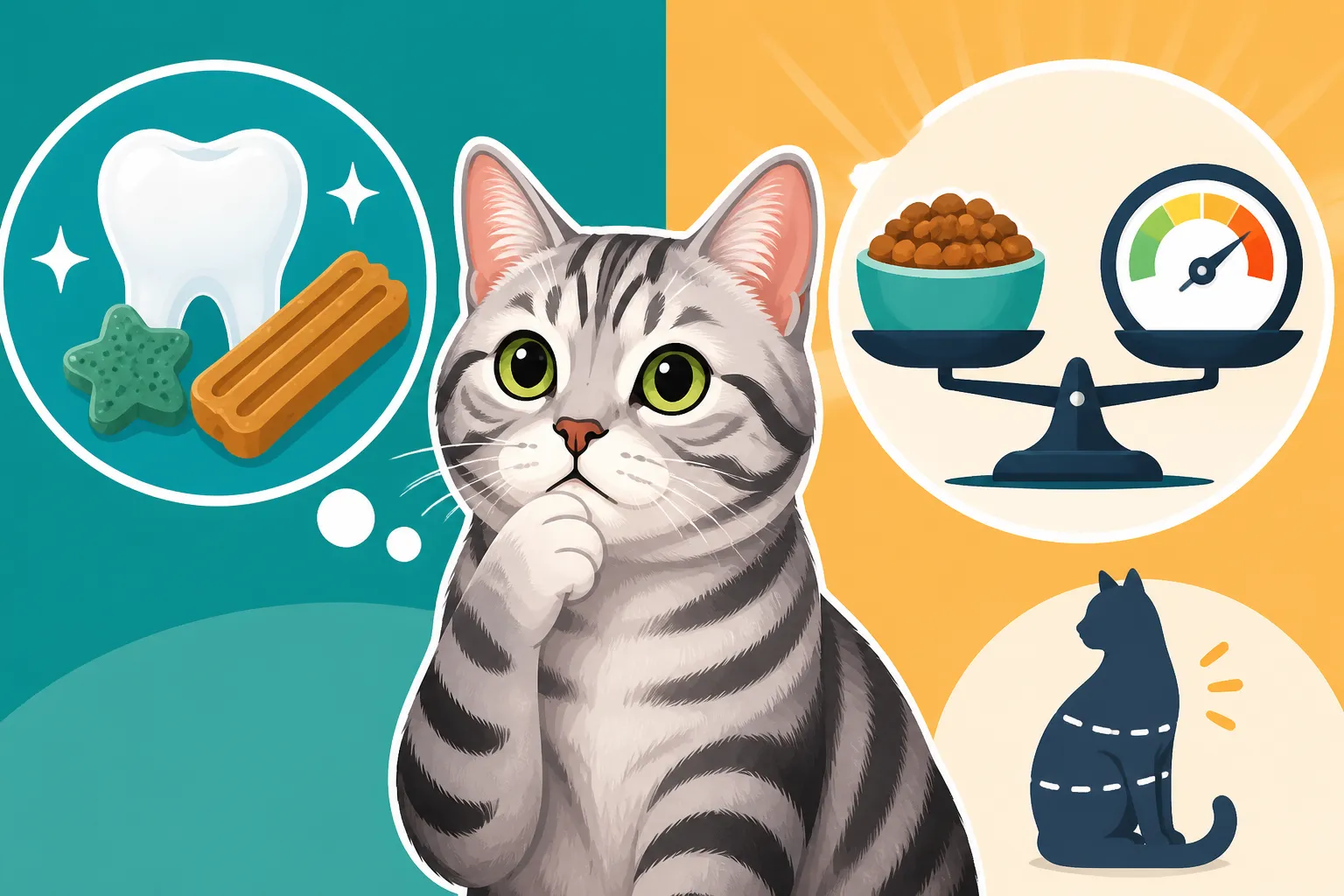
One of the biggest worries for any American Shorthair owner is keeping them healthy and happy, especially when it comes to balancing their natural appetite with the need to maintain a healthy weight. Dental treats, while beneficial for oral hygiene, often come with hidden calories that can quickly derail even the most carefully planned diet. This guide will help you navigate the world of dental treats, ensuring your American Shorthair gets the dental care they need without piling on unwanted pounds.
The Calorie Conundrum for Our American Shorthair Companions
It's a common scenario: you want to do everything right for your beloved American Shorthair, and that includes keeping their pearly whites in tip-top shape. You grab a bag of dental treats, thinking you're helping, but then you look at the back and see the calorie count. Suddenly, that helpful treat feels like a diet-buster. This breed, with its robust, working-class ancestry, has an unfortunate tendency to put on weight if not managed carefully, making every calorie a consideration.
Why Every Calorie Counts for an American Shorthair
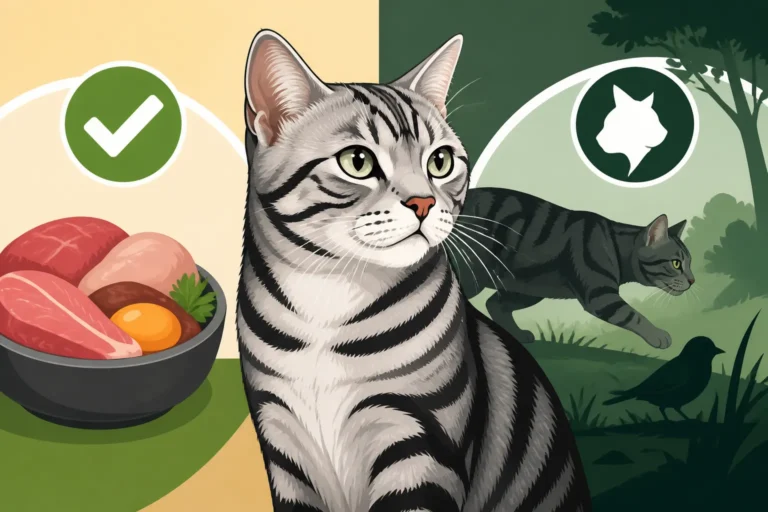
Our American Shorthairs, bless their hearts, come from a long line of working cats. Their ancestors were the mousers of barns and ships, constantly on the move, burning calories with every hunt and patrol. This history left them with a strong metabolism and a keen appetite, perfect for a life of constant activity. However, our modern indoor companions often live a much more sedentary lifestyle. They might chase a feather wand a few times a day, nap in sunbeams, and gaze out windows, but they're simply not expending the same energy as their rat-catching forebears. This mismatch between their inherent drive to eat and their reduced activity levels means that every calorie truly counts.
When an American Shorthair takes in more calories than they burn, those excess calories are stored as fat. This isn't just a cosmetic issue; it's a health concern. Extra weight puts a strain on their joints, especially given their naturally Why a Broad Chested American Shorthair Puts Weight Through Its Hips. It increases their risk for conditions like diabetes, and can even shorten their lifespan. It's truly heartbreaking to think that our desire to treat them could inadvertently lead to health problems. It's crucial to understand Obesity Is What Ending the American Shorthair's Job Cost It and how easily those pounds can creep on, especially after neutering when their metabolic needs shift dramatically.
Decoding Dental Treat Labels: More Than Just a Snack
Picking out dental treats can feel like a minefield. The packaging often boasts about fresh breath and plaque reduction, but rarely highlights the caloric content in a way that's easy to understand. You'll see terms like "low calorie" or "helps clean teeth," but without proper guidance, it's hard to tell what that truly means for your individual cat.
Many dental treats are, at their core, glorified biscuits. They can be surprisingly dense in calories for their small size. For example, a single treat might seem tiny, but if it contains 5-10 calories and your cat's daily allowance is only around 200-250 calories, giving them a handful a day can quickly add up to a significant portion of their intake. It's like us having a cookie – one might be fine, but five or six can easily push us over our daily limit. Different brands will have different formulations; some might use leaner proteins or more fiber to try and reduce the calorie load, while others focus purely on texture for plaque abrasion. It's not just about the marketing; it's about the nutritional facts. Always check the "guaranteed analysis" and the calorie count per treat, usually listed as kcals (kilocalories) per treat or per cup. If you can't find it on the packaging, don't hesitate to check the brand's website or even contact their customer service. Sometimes, product pages on retailers like Chewy or Amazon will list this vital information more clearly than the bag itself.
Making Smart Choices for Dental Health and Weight Management
So, how do we give our American Shorthairs the dental benefits of treats without sacrificing their waistline? It requires a bit of planning, a keen eye for labels, and sometimes, a little creativity to keep them active and engaged.
Calculating the Daily Calorie Budget for Your American Shorthair
First things first, you need to know roughly how many calories your American Shorthair actually needs in a day. This isn't a one-size-fits-all number, because just like people, cats have different metabolic rates, activity levels, and ideal weights. A young, active American Shorthair might need slightly more than an older, more sedentary one.
A good starting point is to know their ideal weight. An adult male American Shorthair might weigh anywhere from 11-15 pounds, while females typically range from 8-12 pounds. However, it's not just about the number on the scale; it's about their body condition. You should be able to feel their ribs without pressing too hard, and they should have a discernible waist when viewed from above. If you're unsure What an American Shorthair Should Weigh at Its Frame, your vet can help you assess their body condition score.
Once you have an ideal weight, a common rule of thumb for average, healthy adult cats is roughly 20-35 calories per pound of body weight per day. This is a very rough estimate, and it's always best to consult your veterinarian for a precise recommendation tailored to your cat's age, activity level, and health status. They can help you establish How a Vet Builds an American Shorthair's Weight Loss Plan if needed.
Here’s a simplified table to help you estimate:
| American Shorthair Weight (lbs) | Estimated Daily Calories (kcal) – Average Activity |
|---|---|
| 8 | 160 – 280 |
| 10 | 200 – 350 |
| 12 | 240 – 420 |
| 14 | 280 – 490 |
Note: These are rough estimates. Always consult your veterinarian for exact caloric needs.
Once you have this number, it becomes your daily "calorie budget." Every bit of food, every treat, every lick from your ice cream cone (which, by the way, should be a big no-no!) counts towards this total. Remember, Why a Bowl Left Down Ruins an American Shorthair when you're trying to manage calories, as free-feeding makes it impossible to track intake.
Integrating Dental Treats Without Overdoing It
Now that you know your American Shorthair's calorie budget, you can strategically fit those dental treats in. The key is balance and moderation. You don't want to sacrifice dental health, but you also don't want to inadvertently contribute to weight gain.
One effective strategy is to reduce the amount of their regular kibble or wet food to compensate for the calories in the dental treats. If a treat is 5 calories, and you give two a day, that's 10 calories you need to subtract from their main meals. It sounds simple, but it's often overlooked. Measure their food precisely, perhaps even using a kitchen scale, to ensure you're adjusting accurately. How Much to Put Down for an American Shorthair at Each Meal should be a calculated amount, not just a guess.
Another approach is to choose dental treats that are specifically formulated to be lower in calories. Some brands focus on natural ingredients and mindful calorie counts. Always compare labels. Look for treats that offer a good balance of efficacy for dental health and a reasonable calorie density.
You can also use dental treats as part of their interactive playtime or training sessions. Instead of just handing them over, make your American Shorthair "work" for them. Hide them in puzzle toys, toss them so your cat has to chase, or use them as rewards for simple tricks like coming when called. This adds mental and physical enrichment, burning a few extra calories in the process. Remember, dental treats are only one part of the equation when it comes to How Many Months an American Shorthair's Diet Runs if they are on a weight loss program.
Beyond Treats: Holistic Approaches to American Shorthair Dental Care
While dental treats can be a helpful component, they shouldn't be the only component of your American Shorthair's dental hygiene routine. A truly comprehensive approach involves multiple layers of care to ensure their mouth stays healthy throughout their long life.
The Power of Brushing: The Gold Standard
Let's be real, convincing a cat to let you brush their teeth isn't always easy, but it is, without a doubt, the single most effective way to prevent plaque and tartar buildup. Think of it this way: dental treats help scrape some plaque off the surface, but brushing physically removes the bacteria and food particles that cause dental disease. It's the difference between wiping down a counter and scrubbing it clean.
Start slow and make it a positive experience. Use a finger brush or a small, soft toothbrush designed for cats, along with cat-specific toothpaste (never human toothpaste!). Begin by letting them lick the toothpaste off your finger, then gently introduce the brush for a few seconds. Gradually increase the duration. Even a minute a day, or every other day, can make a huge difference. Our American Shorthairs are typically calm and adaptable, which can make them better candidates for learning to accept brushing than some more high-strung breeds. Consistency is key here. For detailed guidance, you might find articles like How to Brush an American Shorthair's Teeth incredibly helpful.
Diet and Dental Health: Food's Role in a Healthy Mouth
Beyond treats, the very food you put in their bowl can play a role in their dental health. Some prescription dental diets are specifically designed with larger, fibrous kibble that encourages chewing and provides a gentle abrasive action to clean the teeth as your cat eats. These diets often contain ingredients that help reduce plaque formation or mineralize tartar.
Discussing these options with your vet is a smart move. They can recommend a high-quality dental diet that suits your American Shorthair's specific needs, whether they need to maintain weight, lose weight, or manage other health conditions. Remember, diet is foundational, and making smart choices there can significantly impact overall health, including oral health. Choosing a good quality cat food from reputable suppliers like Chewy can be a great start.
Regular Vet Checks and Professional Cleanings
Even with diligent home care, professional veterinary dental check-ups are non-negotiable. Our stoic American Shorthairs can be masters at hiding discomfort, and dental pain is no exception. Why Gum Disease Is the American Shorthair's Quietest Problem is a real issue, as they might not show obvious signs until the problem is severe.
During annual wellness visits, your vet will examine your cat's mouth, checking for signs of gum disease, broken teeth, or other issues. They might recommend professional dental cleanings under anesthesia. While the thought of anesthesia can be daunting, it's often essential for a thorough cleaning and examination, allowing the vet to address problems below the gumline that aren't visible to the naked eye. These cleanings are preventative and can save your cat from more painful, costly interventions down the road. It's a significant investment, but one that truly pays off in terms of their long-term health and comfort. Ultimately, How Many Dentals an American Shorthair Owner Pays For over their lifetime can vary greatly depending on proactive home care and regular professional attention.
By combining thoughtful treat choices, regular brushing, a suitable diet, and professional veterinary care, you can ensure your American Shorthair maintains excellent dental health without compromising their ideal weight. It's about a holistic approach to their well-being, keeping them happy, healthy, and purring for years to come.
Disclaimer
This article is for general informational purposes only and does not constitute professional advice. Laws, prices and regulations vary by location and change over time. Consult a qualified professional for guidance on your specific situation.