Why a Female American Shorthair Finishes Smaller
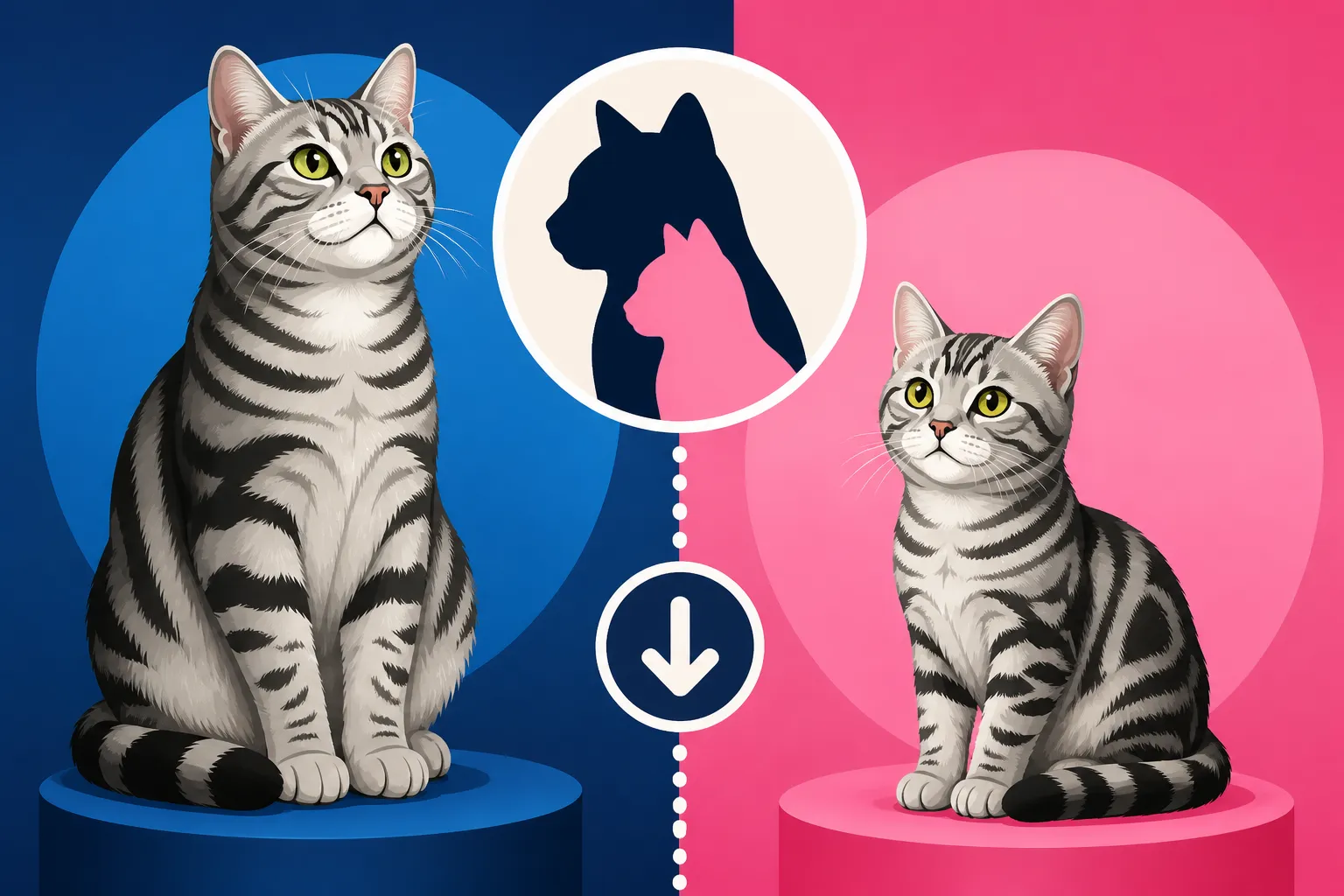
It's a common sight for American Shorthair owners: you might have two adorable furballs from the same litter, a brother and a sister, and as they grow, you notice a distinct size difference. Your female American Shorthair, despite being perfectly healthy and thriving, just seems to finish a little smaller and more refined than her male counterpart. This isn't just your imagination, and it's certainly not a sign of anything being wrong; it's a fascinating aspect of feline biology and a characteristic deeply ingrained in the very nature of this wonderful breed. This guide will explore the natural reasons behind why female American Shorthairs typically mature to be a more compact version of their sturdy male relatives.
The Universal Truth of Feline Dimorphism: Why Males Are Often Larger
Just like in many other species, from birds to humans, there's a biological tendency for males and females to exhibit differences in size, known as sexual dimorphism. In the world of our feline friends, this often translates to males being, on average, larger and more robust than females. It's not a flaw in the female design, but rather a reflection of distinct biological roles shaped over eons.
Biological Factors Behind Size Differences
When we talk about the raw biological mechanics, hormones are the major players in orchestrating these size differences. Male cats, particularly intact males, have higher levels of testosterone. This hormone is a powerhouse for muscle development and bone growth, contributing to the broader shoulders, thicker necks, and overall more substantial frame you often see in toms. Think of it like a natural anabolic agent, pushing for a more formidable physical presence. Females, on the other hand, have estrogen as their primary sex hormone, which doesn't promote the same degree of muscle and bone mass. Their bodies are instead geared towards pregnancy and nurturing, which requires a different energetic and physical profile.
From an evolutionary perspective, larger males had certain advantages in the wild. A bigger cat might be more successful in defending territory against rivals, attracting mates, and perhaps even dominating in hunting larger prey, though individual hunting skill often trumped sheer size. These traits, favoring larger males, were passed down through generations, making it a deeply entrenched genetic predisposition. While our domestic American Shorthairs aren't fighting for survival in the same way, these ancient blueprints still influence their development. It's a fundamental aspect of their mammalian heritage that your little queen will likely be more petite than her brother.
The Impact of Neutering and Spaying on Growth
It's interesting how human intervention, through neutering and spaying, can subtly alter the natural growth trajectory, though it rarely erases the inherent size difference between sexes. When a kitten is spayed or neutered at a young age, before their growth plates have fully closed, it can sometimes lead to them growing a little taller and lankier. This is because the removal of the sex hormones (testosterone in males, estrogen in females) delays the closure of these growth plates at the ends of the bones, allowing for a slightly longer growth period.
However, it's important to understand that while this might add a little length, it doesn't typically mean a spayed female will suddenly catch up in bulk to an intact male, or even a neutered male. The fundamental genetic programming for muscle mass and bone density still favors the male. Neutered males still often develop a larger frame and more substantial muscle compared to spayed females, even if they don't reach the extreme muscle development of an intact tom. For your female American Shorthair, spaying is a crucial health decision, offering numerous benefits, but it won't fundamentally change her predisposed smaller stature compared to her brother. It's simply how their bodies are built to mature.
The American Shorthair Standard: Built for Function, Not Extreme Size
The American Shorthair isn't just any cat; it's a breed with a storied past, one deeply rooted in practicality and purpose. Their physical characteristics, including the size differential between males and females, are a direct reflection of this history. They were bred for a job, not just for looks, and that job required a specific kind of physique.
Historical Context of the American Shorthair's Build
Imagine the ships arriving in the New World, or the early American farms and homesteads. These weren't luxury vessels or pampered pets. The cats on board and in the barns had a vital role: pest control. They were the original working cats, tasked with keeping rats and mice at bay. This demanding lifestyle shaped the breed into the robust, hardy, and intelligent hunters we know today. Their build had to be practical. They needed to be strong enough to tackle rodents, agile enough to navigate precarious ship decks or barn rafters, and resilient enough to withstand the elements.
This utility-focused breeding meant that while a strong, healthy cat was desired, extreme size for its own sake was never the goal. A cat that was too large might be slow, less agile, and consume more resources. Instead, selection favored a balanced, well-muscled, medium-to-large build. For females, this meant being efficient hunters and, crucially, capable mothers. Their bodies needed to support pregnancies and nurse litters effectively, while still maintaining their hunting prowess. A slightly smaller, more streamlined body might even have been an advantage for maneuverability and efficiency in their working roles, rather than a hindrance. You can see this practicality woven into their very being, a legacy of their beginnings as formidable rodent interceptors. How Farm Work Shaped the American Shorthair really showcases how their function shaped their form.
Breed Standard Expectations for Size and Structure
When you look at the official breed standard for the American Shorthair, it perfectly encapsulates this functional history. The standard describes a cat that is "medium to large," with a "powerfully built, well-muscled body." It emphasizes symmetry, balance, and athleticism. Crucially, the standard explicitly notes that males are typically larger and more powerfully built than females. This isn't a secondary observation; it's an expected characteristic of the breed.
A male American Shorthair will often display a broader head, more developed jowls (especially if intact), a thicker neck, and an overall more commanding presence. They are truly the muscular 'brick' of the cat world. Females, while still incredibly robust and well-muscled, typically have a more refined bone structure and a slightly less massive build. They are still strong and substantial, but their weight and dimensions will naturally be less than their male counterparts. This is not a "fault" but a reflection of the breed's natural sexual dimorphism, deemed desirable and characteristic by breed fanciers for generations. If you're wondering How Much a Male American Shorthair Weighs versus How Much a Female American Shorthair Weighs, the difference is consistently there, aligning with the breed's expectations. This inherent difference is a testament to the American Shorthair's practical origins and its celebration within the breed standard. You can learn more about the overall appearance in What an American Shorthair Looks Like by the Standard.
| Characteristic | Male American Shorthair (Typical) | Female American Shorthair (Typical) |
|---|---|---|
| Weight | 11-15+ pounds (5-7+ kg) | 8-12 pounds (3.6-5.4 kg) |
| Body Build | Broader, more muscular, heavier boned | More refined, slightly smaller frame, less overall bulk |
| Head Shape | Broader, more pronounced jowls | Slightly narrower, less prominent jowls |
| Maturity | May continue to develop muscle and fill out up to 3-4 years | Generally reaches full size by 2-3 years, but often less "filling out" in bulk |
| Presence | More commanding, sturdy | Graceful, agile, still sturdy but lighter |
Nutritional and Environmental Influences on Growth
While genetics undoubtedly play the starring role in determining your American Shorthair's ultimate size, nutrition and environment are like the crucial supporting cast. They might not change the fundamental script, but they can certainly influence how well the story unfolds, especially during those critical growth phases. Ensuring your female cat reaches her full, healthy potential, even if that potential means she's smaller than a male, involves providing the right care from day one.
The Role of Early Nutrition in Kitten Development
The foundation for a healthy, robust adult cat is laid during kittenhood. A high-quality, balanced kitten diet is absolutely non-negotiable for optimal growth in both males and females. Kittens are tiny bundles of energy undergoing rapid development – bone growth, muscle formation, organ development, and immune system maturation are all happening at lightning speed. This requires a dense supply of protein, healthy fats, vitamins, and minerals. Feeding a diet specifically formulated for kittens, which usually has higher calorie and nutrient levels than adult food, ensures they get everything they need. Many reputable brands offer excellent kitten formulas that you can easily find on sites like Chewy.
If a kitten experiences significant nutritional deficiencies during this crucial period, it can lead to stunted growth. However, this is quite distinct from the natural size difference between sexes. Stunted growth due to poor nutrition usually results in a smaller unhealthy cat, often with other developmental issues, regardless of sex. In contrast, a healthy female American Shorthair simply reaches her genetically predetermined, typically smaller, adult size. You can't feed her more to make her as big as a male, nor should you try. Her body knows what it needs to become a healthy, well-formed female of her breed. Giving her the best start with nutrient-rich food is about allowing her to meet her own potential, not changing her fundamental genetic blueprint. Knowing What an American Shorthair Kitten Should Eat is key to setting them up for success.
Lifestyle and Activity Levels
An American Shorthair's lifestyle and activity levels can certainly influence their overall physique, contributing to muscle tone and maintaining a healthy weight, though they won't fundamentally alter the genetic predispositions for size between sexes. Think of it this way: an active female American Shorthair, playing regularly and exploring her environment, will likely be lean, well-muscled, and in peak physical condition for her frame. She'll have the lithe, powerful build characteristic of her mouser ancestors.
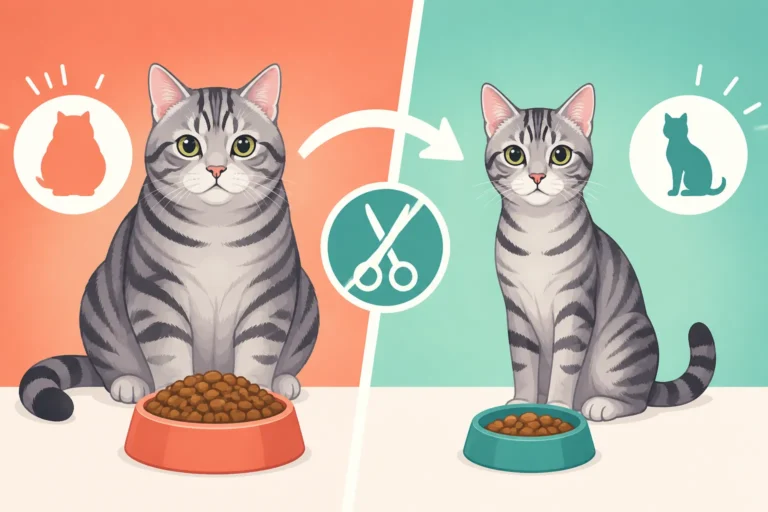
In contrast, an indoor American Shorthair, especially one with a sedentary lifestyle, can easily fall prey to obesity. This is a particular concern for a breed that was historically very active. A layer of excess fat can obscure their natural, sturdy build and make them appear larger, but this isn't healthy growth; it's unhealthy weight gain. It can also mask any inherent size differences, as a heavier female might feel bigger, but it's not muscle or bone. Keeping your cat active with interactive toys, regular play sessions, and even puzzle feeders from places like Amazon can help maintain a healthy weight and muscle mass. While we don't advocate for outdoor access due to the numerous risks, a secure catio can offer enrichment. Remember, How Many Calories an Indoor American Shorthair Burns is significantly less than an outdoor cat, making portion control vital.
The Impact of Litter Dynamics
While less impactful on the ultimate sexual dimorphism of size, the dynamics within a kitten litter can have some transient effects on growth. In a large litter, especially if the mother cat has limited milk supply or there's intense competition for nursing spots, some kittens might experience slightly slower initial growth. However, even in such scenarios, the male kittens usually maintain their growth advantage over their female littermates. They might start a little smaller than they would in a less competitive environment, but they're still likely to be larger than the female kittens in that same litter.
Once kittens are weaned and receiving consistent, high-quality nutrition, any minor early setbacks due to litter dynamics tend to even out. The genetic programming for sex-based size differences reasserts itself, and the males will typically continue to develop into larger adults. It's rare for litter dynamics alone to permanently alter the established pattern of males growing larger than females; it's more about ensuring every kitten gets the best possible start to fulfill their individual genetic potential.
Understanding Individual Variation and What It Means for Your Cat
While we talk about general rules and averages, it's vital to remember that every cat is an individual. The beauty of the American Shorthair breed lies not just in its uniformity to a standard, but also in the subtle differences that make each cat unique. Your female American Shorthair might still be smaller than a male, but her specific size within that range will be influenced by a host of factors, most notably her unique genetic makeup.
Genetics and Lineage: Not All Girls Are the Same
Just because female American Shorthairs are generally smaller than males doesn't mean every female will be exactly the same size, nor will every male hit the same weight. Genetics are complex, and while the overarching blueprint for sexual dimorphism is consistent, the specific genes passed down from her parents and their lineage will dictate her precise adult dimensions. If her dam (mother) was on the smaller side of the breed standard for females, it's highly probable your female kitten will also mature into a cat on the smaller end of that spectrum. Conversely, if her mother was a larger, more robust female, your cat might also grow to be a more substantial example of the female American Shorthair.
This is why understanding a cat's pedigree, if available from a reputable breeder, can offer clues. It provides insight into the typical size and build of the cats in that specific line. A well-bred American Shorthair comes with predictable traits, and size is one of them. For instance, What an American Shorthair Pedigree Predicts About Size can give you a lot of information about what to expect. While a rescue cat might have an unknown lineage, observing the size of her parents (if they are known) or even her siblings can offer some hints as to her genetic potential.
When to Be Concerned About Size or Growth
It's perfectly normal for your female American Shorthair to be smaller than her male counterparts, and usually, there's no cause for concern. She's simply following her natural genetic programming. However, there are instances when a cat's size or growth pattern might warrant a conversation with your veterinarian.
If your female kitten is significantly smaller than expected for her age, even compared to other female kittens of the same age, and is showing other signs of ill health—such as lethargy, poor coat quality, lack of appetite, or persistent digestive issues—then it's definitely time for a vet check. This could indicate underlying health issues, nutritional deficiencies, or internal parasites that are hindering her growth. Similarly, if an adult female American Shorthair suddenly starts losing significant weight without a clear reason, or exhibits a dramatic change in body condition, this is always a red flag, regardless of her starting size.
A healthy American Shorthair, even a petite female, should be active, have a good appetite, and maintain a bright, alert demeanor. If you have any doubts about your cat's health, or if her growth seems dramatically off what you'd expect, never hesitate to reach out to your vet. They can help assess her overall health and ensure she's thriving. Keeping an eye on her weight is always good practice. If you notice your typically stoic American Shorthair becoming withdrawn, this can also be a sign something is amiss, as discussed in Why a Withdrawn American Shorthair Should See a Vet. Understanding when An American Shorthair Reaches Full Size can also help you benchmark her growth.
Disclaimer
This article is for general informational purposes only and does not constitute professional advice. Laws, prices and regulations vary by location and change over time. Consult a qualified professional for guidance on your specific situation.