How to Bathe an American Shorthair That Objects
We've all been there: you look at your beloved American Shorthair, perhaps a little dusty from their latest patrol, or maybe they've gotten into something they shouldn't have, and you know, deep down, that a bath is inevitable. But for a breed known for its independence and self-sufficiency, the idea of a dip in the tub is often met with the kind of outrage usually reserved for unexpected vet visits. This guide is here to walk you through the often-dreaded process, offering empathetic, realistic strategies to make bath time as low-stress as possible for both you and your strong-willed feline friend.
Understanding Why Your American Shorthair Objects to Bath Time
It's easy to take a cat's aversion to water personally, especially when they suddenly sprout an extra set of claws and turn into a furious, wriggling blur. But trust me, it's not you, it's their history and their incredibly sensitive nature. Understanding why they dislike baths can help you approach the situation with more patience and a better strategy.
Their Ancestral Instincts and Water Aversion
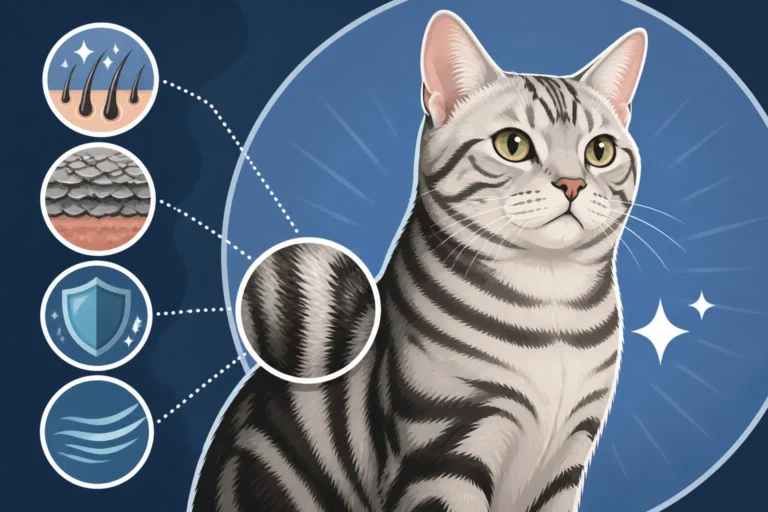
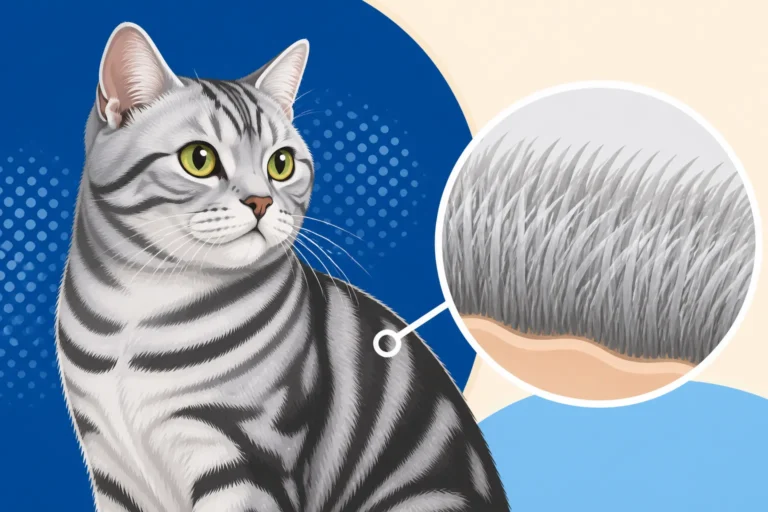
Think about the American Shorthair's lineage. These aren't creatures evolved from jungle cats that swam through rivers or fished for their dinner. No, their ancestors were working cats, barn cats, ship cats – land-based hunters brought to North America to keep rodent populations in check. Their primary environment was dry land, not deep water. While their dense, practical coats were built to withstand all sorts of weather, keeping them warm and dry, they weren't designed for full submersion. When water permeates their undercoat, it can feel heavy, cold, and take a long time to dry, which goes against every natural instinct to stay warm and agile. For a cat that was once expected to earn its keep by being an efficient predator, anything that hinders their movement or makes them uncomfortable is instinctively avoided. Whether the Coat Kept Ships' Cats Warm on Deck delves into just how practical their fur truly is.
The Sensory Overload of a Bath
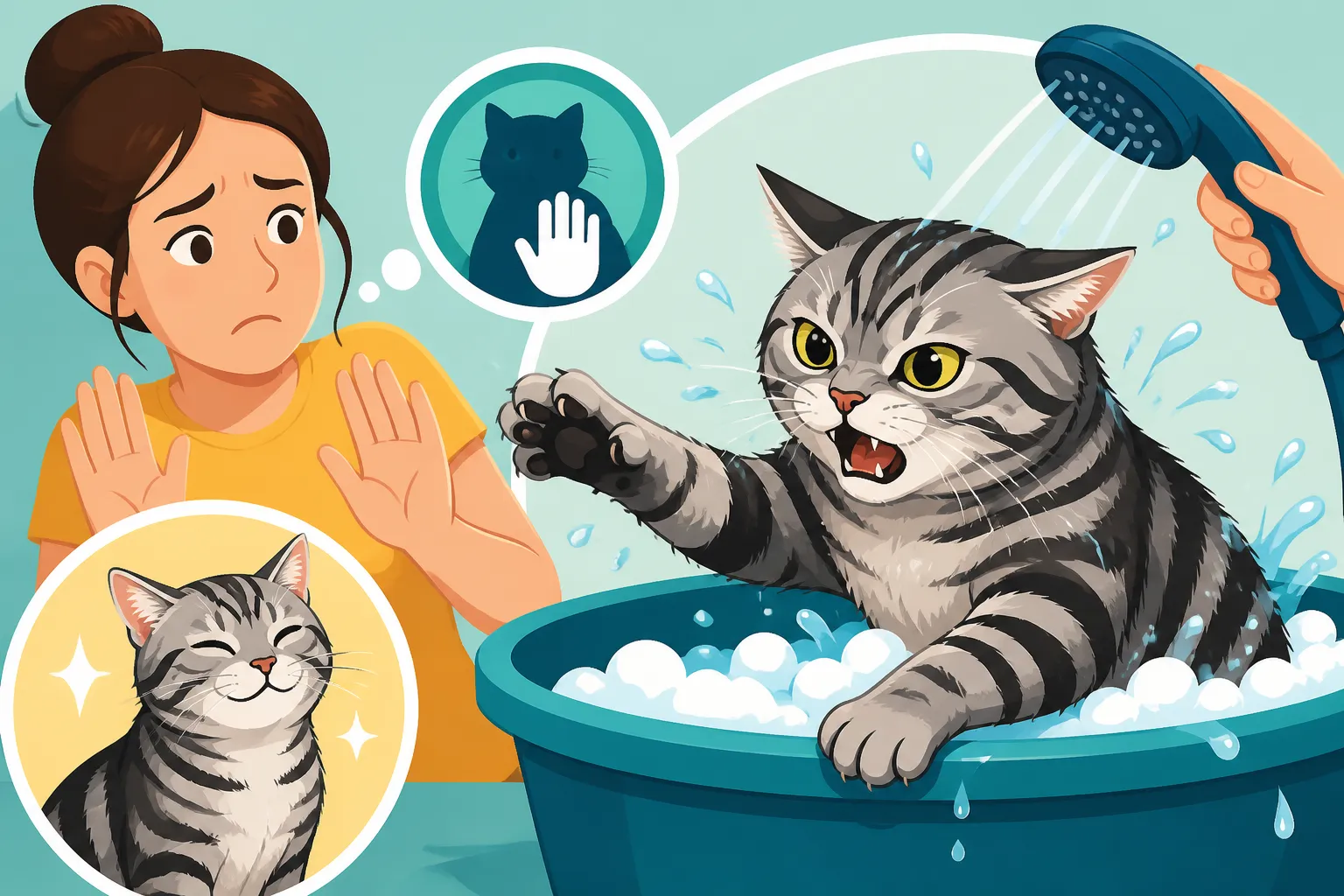
Imagine being suddenly plunged into a loud, wet, slippery environment where you can't control your movements, your delicate ears are bombarded with noise, and your super-sensitive nose is assaulted by unfamiliar, strong smells. That's what a bath can feel like to an American Shorthair. Their senses are far more acute than ours. The sound of running water, especially in an enclosed space like a bathroom, can be terrifyingly loud. The feeling of slippery surfaces under their paws makes them feel insecure and out of control, triggering a primal fear. Being held captive, unable to escape or even properly brace themselves, is incredibly disorienting. Then there are the strange, often overpowering scents of cat shampoo, which, while pleasant to us, can be overwhelming and artificial to their keen sense of smell. It's a full-on assault on their system, and it's no wonder they object so strongly.
Prior Negative Experiences
Cats have incredible memories, particularly when it comes to unpleasant events. If your American Shorthair has had a bad bath experience in the past – perhaps the water was too cold, they slipped, or they felt overly restrained – they will remember it vividly. This isn't just a fleeting discomfort; it can be a genuinely traumatic event for them. Even if you tried your best to be gentle, a single negative encounter can create a lasting association between the bathtub and fear or distress. They learn to anticipate the next bath with dread, making each subsequent attempt even harder. This is why validating their past experiences and approaching future baths with extra care and patience is so crucial. They're not being "difficult" just to spite you; they're reacting to what they've learned to perceive as a threat.
Essential Preparations for a Less Stressful Bath
The key to successfully bathing an American Shorthair that objects is preparation. Seriously, this isn't a step you can skip. Rushing into it unprepared is like walking into a feline-sized battle without your armor. You need to gather your tools, set the stage, and even prepare yourself mentally.
Gathering All Your Supplies Beforehand
Before you even think about putting your cat near the water, make sure everything you need is within arm's reach. There’s nothing worse than having a soaking, unhappy cat in the tub while you’re frantically searching for the shampoo.
Here’s a checklist of essentials:
- Cat-Specific Shampoo: This is non-negotiable. Human shampoos can irritate a cat’s skin and coat. Look for a gentle, tear-free formula specifically designed for felines. You can find excellent options on sites like Chewy or Amazon.
- Several Large, Absorbent Towels: You'll need at least two – one for immediate post-bath wrapping and another (or two) for further drying.
- Cotton Balls: These are fantastic for gently wiping around your cat’s ears and eyes, keeping water out of sensitive areas.
- Washcloth: A soft washcloth is perfect for wetting and cleaning delicate areas like the face and chin, rather than pouring water directly.
- Non-Slip Mat: Place this in the bottom of the tub or sink. A stable surface gives your cat a sense of security, making them less likely to panic and try to escape.
- A Familiar Brush or Comb: For pre-bath grooming and post-bath fluffing (if they tolerate it).
- High-Value Treats: These are your secret weapon! Have a handful of their absolute favorite treats ready for positive reinforcement before, during (if possible), and after the bath. Think soft, palatable treats they can quickly gobble down.
- An Old Shirt or Apron for You: You will get wet. And possibly scratched. Protect yourself!
Having these items ready minimizes your fumbling and distraction, which in turn reduces your cat's anxiety.
Setting the Right Environment and Mindset
The atmosphere matters just as much as the tools. Choose a time when your household is quiet and calm. Avoid bath time when there's a lot of activity, loud noises, or other pets running around.
- Secure the Bathroom: Close the bathroom door before bringing your cat in. You don't want them making a break for it mid-bath. Remove any breakable items or things they might knock over in a panic.
- Warm Water Temperature: Fill the tub or sink with a few inches of lukewarm water before your cat enters the room. Running water can be startling. Test the water with your wrist – it should be comfortably warm, not hot or cold.
- Your Calm Demeanor: Cats are incredibly perceptive to our emotions. If you’re stressed, anxious, or anticipating a fight, your cat will pick up on it instantly, escalating their own fear. Take a few deep breaths. Speak in a soft, soothing voice. Your calmness is contagious.
- Consider a Second Person: If your American Shorthair is particularly challenging, having a calm helper can make a huge difference. One person can gently hold and soothe the cat, while the other focuses on the washing.
Pre-Bath Grooming and Claw Trimming
This step is vital for both your cat's comfort and your safety.
- Thorough Brushing: Before any water touches them, give your American Shorthair a really good brush. This helps to remove loose fur, dirt, and any minor mats that might tighten and become more painful once wet. Their hard, dense coats are pretty good at resisting mats, but a pre-bath brush can prevent any surprises. How Little Combing an American Shorthair Actually Needs explains how relatively easy their coat care usually is.
- Claw Trimming: This is for your protection. Even the sweetest American Shorthair can lash out with their claws when they feel threatened or scared during a bath. Trim their claws a few hours or even the day before the bath. If you’re not comfortable doing this yourself, your vet or a groomer can do it for you. This simple step can prevent painful scratches and make the experience safer for everyone involved. For tips, you might find How to Cut the Claws of an American Shorthair That Uses Them helpful.
Step-by-Step Guide to Bathing an Objecting American Shorthair
Okay, you're prepared. You've got your gear, your zen mindset, and your battle plan. Now, let's get down to the actual bath. Remember, patience and a gentle touch are your best friends here.
The Gentle Introduction to Water
This isn't about shocking them with a sudden plunge. It's about gradual exposure and positive association.
- Bring Them into the Bathroom Calmly: Carry your American Shorthair into the bathroom, speaking softly to them. Place them on a towel on the floor, allowing them a moment to acclimatize to the sounds and smells before you even approach the tub. Offer a treat.
- Introducing the Tub (without water, if possible): If your cat is somewhat tolerant, you might try placing them in the dry tub with the non-slip mat a few times before bath day, offering treats and praise. This helps them associate the tub with positive experiences, reducing fear on the actual day.
- The First Contact with Water: Gently place your cat into the tub, making sure they can feel the non-slip mat under their paws. Don't force them. If they resist intensely, pause, comfort them, and try again. Start by using your washcloth, dampened with the warm water, to gently stroke their back, avoiding their face and ears for now.
- Positive Reinforcement is Key: Throughout this initial phase, continuously offer praise, gentle strokes (if they tolerate them), and those high-value treats. The goal is to create as many positive associations as possible. Even if they're still nervous, associating the tub with yummy treats can help them tolerate it more.
The Bathing Process: Lather, Rinse, Repeat (Carefully)
Now for the main event. Move slowly and deliberately.
- Wetting the Coat: Use a small cup or the dampened washcloth to slowly wet their coat. Start from their neck and work your way down their back and sides, carefully avoiding their face, eyes, and ears. You don't want water running into these sensitive areas, as it can be very distressing. If you have a spray nozzle, ensure it's on a very gentle setting and held close to their body to minimize noise and spray.
- Applying Shampoo: Once their coat is damp, apply a small amount of cat-specific shampoo to your hands, lather it up, and then gently massage it into their fur. Focus on their body, tail, and legs. Continue to avoid the face. If you need to clean their face, use a damp washcloth with a tiny dab of diluted shampoo, wiping very carefully. Remember, you can find quality cat shampoos at pet retailers like Chewy or on Amazon, ensuring you're using a product safe for them. Which Shampoo Suits an American Shorthair can give you more specific guidance.
- Gentle Scrubbing: Work the shampoo through their fur, paying attention to any areas that might be particularly dirty. Keep a firm, but gentle, hold on your cat. Talk to them soothingly throughout the process.
- Thorough Rinsing: This is perhaps the most crucial part. Any leftover shampoo residue can irritate your cat's skin and cause itching, which will certainly make them hate baths even more. Rinse thoroughly with lukewarm water, again starting from the neck and working your way down. Use the cup or gentle spray nozzle. Lift their paws and underbelly to ensure all suds are gone. Continue rinsing until the water runs clear and their fur feels free of product.
Drying and Post-Bath Comfort
The bath isn't over until your American Shorthair is warm, dry, and feeling a bit more like themselves again.
- Immediate Towel Drying: As soon as you finish rinsing, wrap your cat snugly in one of the large, absorbent towels. Gently but firmly rub them down to remove as much excess water as possible. Some cats will tolerate this, others will try to squirm away. Just do your best.
- Second Towel and Warmth: Once the first towel is saturated, switch to a fresh, dry one. You can either continue to rub them dry or simply let them air dry in a warm, draft-free room. Avoid using a blow dryer unless your cat is genuinely accustomed to the noise and sensation, as most will find it terrifying.
- Offer Rewards and Comfort: As soon as they are released from the towel, immediately offer those high-value treats and plenty of praise. Provide a cozy, warm spot for them to finish drying and relax – perhaps a favorite bed near a sunny window or a soft blanket in a quiet corner. They'll likely spend a good amount of time meticulously grooming themselves once they're out of the tub. This self-grooming is crucial for them to feel "clean" again and put their fur back in order. How Much Time an American Shorthair Spends Grooming Itself gives you an idea of how seriously they take their personal hygiene.
When to Consider Alternatives or Professional Help
Sometimes, despite your best efforts, a full bath at home just isn't the answer. Or perhaps, the situation doesn't even warrant a full immersion. Knowing when to pivot to other options can save you a lot of stress and keep your American Shorthair happier.
Spot Cleaning and Waterless Shampoos
For minor messes or general freshening up, a full bath is often overkill and unnecessary, especially for a self-grooming expert like the American Shorthair. Their short, dense coats typically stay quite clean with minimal intervention from us. Why an American Shorthair Rarely Needs a Bath is a testament to their excellent self-maintenance.
- Targeted Spot Cleaning: If your cat has a small area that's dirty, like a muddy paw print or a bit of food on their chin, focus only on that spot. Use a warm, damp washcloth, perhaps with a tiny drop of cat-safe shampoo, and gently wipe the area clean. Follow with a clean, damp cloth to rinse. This avoids the full sensory overload of a bath.
- Waterless Shampoos and Wipes: These products can be a lifesaver for cats who absolutely detest water. Waterless shampoos often come in foam or spray form, which you apply to the coat and then brush out. Grooming wipes are pre-moistened cloths that can be used to wipe down your cat's fur. Both are great for removing light dirt, dander, and odors without any rinsing required. Brands available on platforms like Chewy or even local pet stores offer various options. Always choose products specifically formulated for cats to avoid skin irritation or accidental ingestion issues. These can be particularly useful for older cats who might struggle to groom themselves thoroughly. When an Old American Shorthair Needs Help Grooming highlights the importance of assisted grooming in senior felines.
The Role of Professional Groomers
There are times when even the most patient owner needs to throw in the towel (pun intended!). If your American Shorthair is aggressively resistant to baths, becomes overly stressed or fearful, or has developed mats that you can't safely remove, a professional cat groomer can be an invaluable resource.
- Experience and Equipment: Professional groomers have specialized training, tools, and facilities designed to handle even the most challenging felines. They know how to restrain cats safely and minimize stress, often employing techniques that aren't practical in a home bathroom. They also have specialized dryers and grooming tables that can make the process more efficient and less frightening for your cat.
- Medical or Extreme Cases: For cats with severe matting, skin conditions requiring specific bathing techniques, or those who are simply too aggressive or fearful for you to manage, a professional is the safest option. They can ensure the job gets done effectively and safely for both the cat and the human. Don't feel guilty about seeking help; your cat's well-being is the priority. Whether an American Shorthair Ever Needs a Groomer typically leans towards "no," but these exceptional circumstances are precisely why groomers exist.
Addressing Underlying Issues
Sometimes, a sudden or increased need for baths, or a dramatic change in your cat's tolerance for grooming, can signal an underlying health issue.
- Skin Conditions or Parasites: If your American Shorthair is unusually greasy, itchy, flaky, or has developed a strong odor, it could be a sign of a skin condition, allergies, or even parasites like fleas. These issues might necessitate medicated baths, which are best administered under veterinary guidance.
- Mobility Issues: An American Shorthair struggling with arthritis or hip problems might find it painful to groom themselves effectively, especially hard-to-reach areas like their back or tail base. This can lead to a dirty or matted coat, making baths more necessary. Why an Overweight American Shorthair Cannot Reach Its Back directly addresses how excess weight can hinder self-grooming, and How to Tell an American Shorthair's Stiffness From Middle Age offers insight into recognizing mobility challenges.
- Obesity: Overweight cats often can't reach all parts of their bodies to groom, leading to a greasy coat or matted areas. Addressing their weight through diet and exercise is the long-term solution, but in the meantime, they might need more frequent cleaning assistance.
Always consult your veterinarian if you notice a significant change in your cat's coat quality or grooming habits. They can diagnose any health problems and recommend the best course of action, which might include specific bathing instructions or alternative treatments.
Here's a quick comparison of bathing approaches:
| Method | Best For | Pros | Cons | Frequency Recommended |
|---|---|---|---|---|
| Full Bath (Home) | Significant dirt, sticky substances, fleas | Cost-effective, convenient (if cat tolerates) | Can be very stressful for cat, physically demanding for owner, messy | Rarely, as needed |
| Spot Cleaning | Localized dirt, small accidents | Minimally invasive, quick, less stress | Not effective for full body cleaning or heavy soiling | As needed |
| Waterless Shampoo | Light dirt, odors, dander, older cats | No water required, less stress than full bath, quick refresh | May not fully clean heavy soiling, can leave residue if not brushed out | Monthly/Bi-monthly |
| Professional Groom | Aggressive cats, severe matting, medical baths | Expertise, specialized equipment, safer for cat and owner | Can be expensive, requires travel, still potentially stressful | As needed |
Remember, every American Shorthair is an individual, and what works for one might not work for another. Be patient, be prepared, and always prioritize your cat's comfort and safety. Sometimes, the best bath is the one you don't have to give!
Disclaimer
This article is for general informational purposes only and does not constitute professional advice. Laws, prices and regulations vary by location and change over time. Consult a qualified professional for guidance on your specific situation.