Why an American Shorthair’s Guard Hairs Are Stiff
If you've welcomed an American Shorthair into your family, you might have quickly noticed something distinctive about their fur: it’s not always the super-soft, plush coat you might expect from some other cat breeds. Instead, you might feel a definite stiffness, especially when you run your hand against the grain. This unique texture, particularly the robust nature of their guard hairs, is actually a hallmark of the breed and a direct link to their incredible history and purpose. This guide will explore exactly why your American Shorthair's guard hairs are stiff and what this means for their inherent health, functional beauty, and surprisingly minimal care requirements.
The Historical Purpose Behind the American Shorthair's Stiff Coat
It's easy to look at our pampered house cats today and forget that many breeds, including the venerable American Shorthair, were developed for very practical purposes. Their physical traits, including their coat, weren't selected for cuddliness or aesthetic fluffiness, but for survival and efficiency in a demanding working life. This isn't a design flaw; it's a testament to their heritage.
Built for the Elements, Not the Sofa
Imagine the life of the early ancestors of the American Shorthair. These weren't delicate creatures kept indoors on velvet cushions. They were working cats, often living semi-feral lives on ships or farms, facing all sorts of weather conditions. From the biting winds on colonial ships to the damp chill of a barn in winter, their coat had to be an effective shield against the elements. A soft, flimsy coat simply wouldn't cut it.
The stiffness you feel in their guard hairs is a direct result of this historical need for protection. These hairs are robust, designed to shed water, block wind, and provide a durable barrier against scratches, thorns, and other environmental hazards they encountered while hunting or patrolling their territory. They were, in essence, their own built-in waterproof and windproof jacket. This hardy construction ensured they could remain healthy and effective no matter what the day (or night) threw at them. If you delve into the breed's origins, you'll find that Ships Carried the American Shorthair's Ancestors as Ratters, making their sturdy coats an essential tool for survival.
A Legacy of Self-Sufficiency and Protection
These cats were the ultimate self-sufficient workers, brought over on ships to keep vermin at bay. This historical role, stretching back to the earliest colonial days – you could say they were among The Mayflower Cats Behind the American Shorthair – meant they had to be tough and resilient. Their coat played a vital role in this resilience. It wasn't just about weather; it was also about fending off minor injuries and keeping parasites at bay. A stiffer, denser coat offers a degree of physical protection that a softer, silkier coat simply cannot.
Think about a cat navigating dense undergrowth or squeezing into tight spaces in a barn. A coat that can resist snags and minor scrapes is invaluable. The stiff guard hairs act like tiny armor plates, preventing superficial damage from reaching the skin. This innate protection meant less vulnerability to injury and infection, allowing them to focus on their primary job: pest control. This ruggedness is part of what makes them such a healthy and adaptable breed even today, a stark contrast to some breeds selectively bred for extreme aesthetics.
Understanding the Structure of the American Shorthair's Coat
To truly understand why the American Shorthair's guard hairs have that distinct stiffness, we need to look closer at the actual structure of their coat. It's a marvel of natural engineering, perfectly adapted for their original purpose.
Guard Hairs: The First Line of Defense
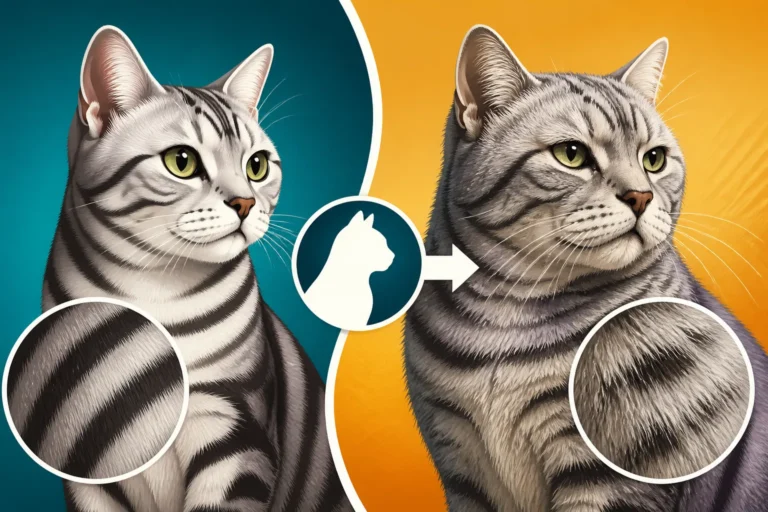
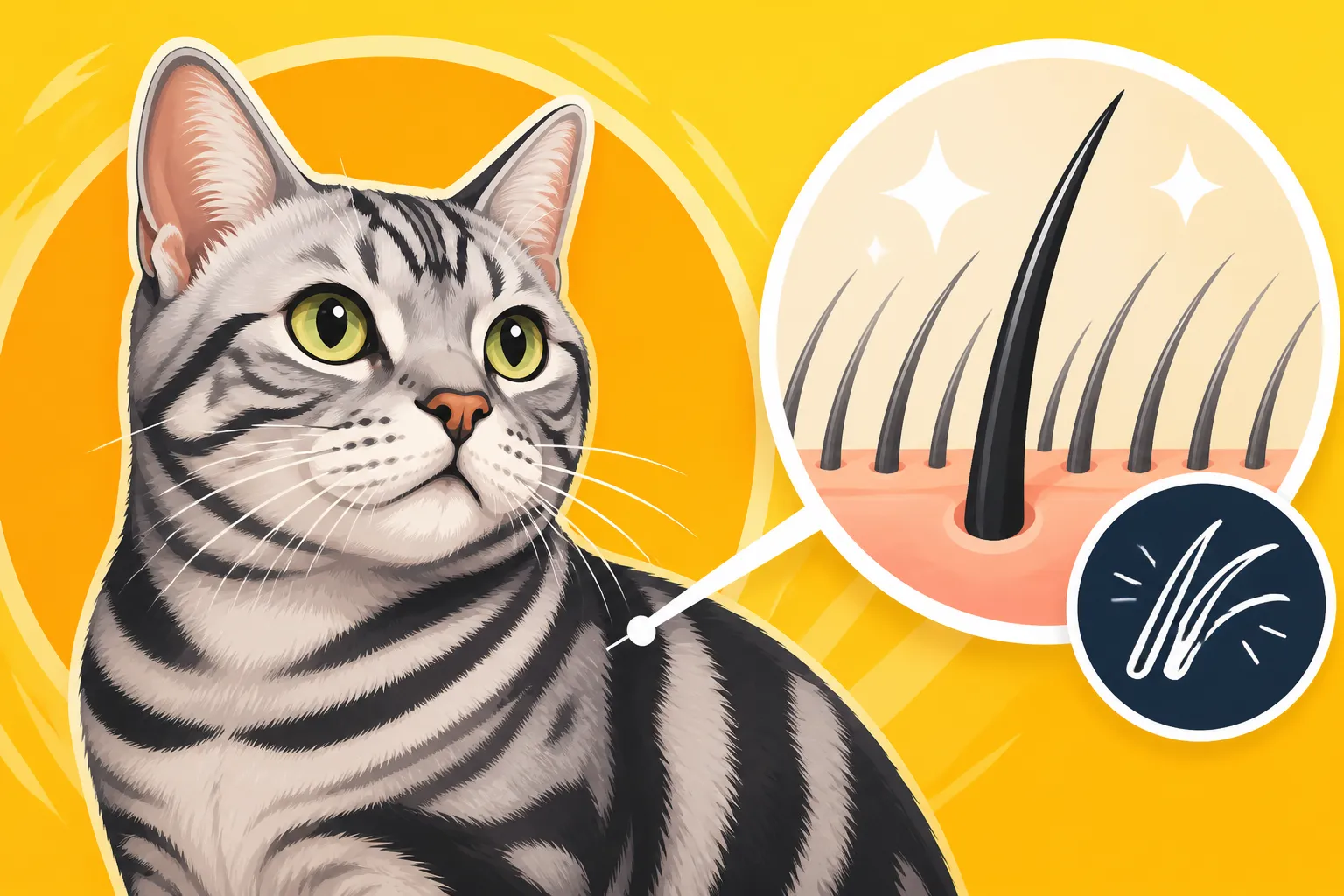
The guard hairs are the outermost layer of your American Shorthair's coat, and they are indeed meant to be quite firm to the touch. These are thicker, coarser, and generally longer hairs compared to the underlying fur. Their primary job is to provide protection. They stand slightly away from the body, creating a natural barrier that helps water roll off rather than soaking into the undercoat. This is why Whether Rain Runs Off an American Shorthair is often a yes – those guard hairs are doing their job!
These individual guard hairs are not meant to feel like silk; they are designed for durability and function. They're what gives the American Shorthair its characteristic "hard" or "crisp" coat texture, a trait highly valued in the breed standard. This texture helps them maintain their body temperature, acting as insulation in cold weather by trapping air, and allowing air circulation in warmer conditions. It's a dual-purpose layer that speaks volumes about their hardy genetics.
The Role of the Undercoat
Beneath those stiff guard hairs lies a softer, denser undercoat. While you might not feel it as readily as the guard hairs, it's there, providing crucial insulation. In colder months, this undercoat can become remarkably thick, contributing to the overall density of the fur. This is a noticeable change, as Why an American Shorthair's Coat Thickens for Winter is a natural adaptation to lower temperatures. The stiff guard hairs protect this valuable insulating layer, ensuring it stays dry and functional.
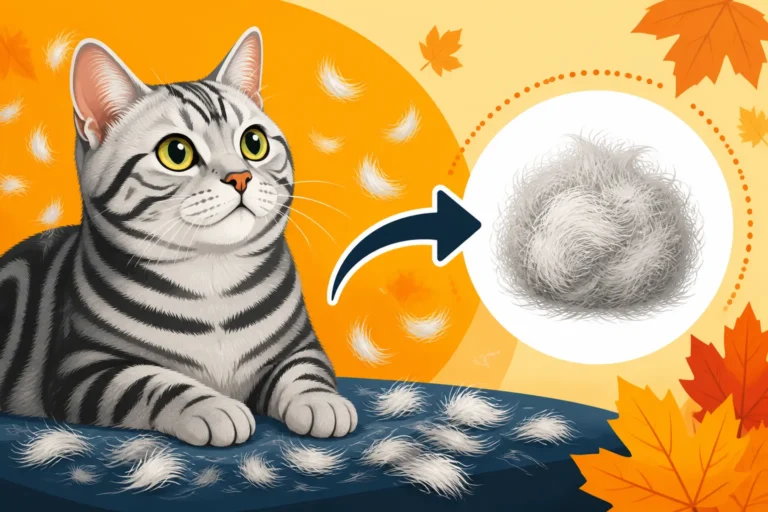
When you comb your American Shorthair, you'll primarily be removing loose undercoat, especially during seasonal shedding cycles. The guard hairs are more resistant to coming out and less prone to tangling because of their inherent stiffness and smooth nature. This combination of a sturdy outer layer and a soft, insulating inner layer creates a highly efficient and self-maintaining coat system. It's a testament to how well-adapted this breed is to various environments.
Why This Texture Is a Sign of Health
For an American Shorthair, a coat with appropriately stiff guard hairs is not a fault; it's a sign of a healthy, well-bred cat adhering to its natural standard. Breeders and cat fanciers appreciate this texture because it signifies a coat that is fit for purpose – robust, protective, and low-maintenance. A truly soft, fine coat on an American Shorthair, while perhaps appealing for petting, would actually be considered incorrect for the breed's type.
This characteristic texture also means the American Shorthair's coat rarely mats or tangles, a blessing for owners who might have struggled with other long-haired or fine-coated breeds. Why an American Shorthair Almost Never Mats is a direct benefit of those strong guard hairs and the self-grooming efficiency they promote. It signifies a natural, unadulterated coat that hasn't been subjected to extreme selective breeding for purely cosmetic traits that might compromise its function or the cat's overall health.
| Coat Type/Breed | Guard Hair Texture | Undercoat Density | Primary Function | Grooming Needs | Matting Risk |
|---|---|---|---|---|---|
| American Shorthair | Stiff, Coarse | Moderate to Dense | Protection, Weatherproofing | Low to Moderate | Very Low |
| British Shorthair | Plush, Soft | Very Dense | Insulation, Aesthetic | Moderate | Low |
| Domestic Shorthair (Moggy) | Variable | Variable | Survival, Adaptability | Low to Moderate | Variable |
| Persian (Long-haired) | Fine, Soft | Very Dense | Aesthetic | High (Daily) | Very High |
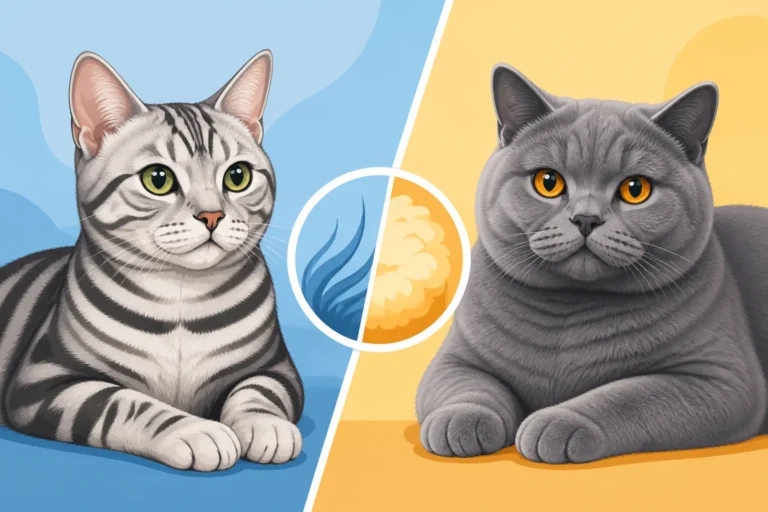
As you can see, the American Shorthair's coat falls squarely into the "functional" category, prioritizing health and utility over a purely luxurious feel. This is one of the many ways How an American Shorthair's Coat Differs From a British Shorthair's Plush visually and texturally.
Caring for a Working-Class Coat
Given their heritage and the functional design of their coat, caring for an American Shorthair is refreshingly straightforward. You won't need an elaborate grooming kit or daily sessions, but understanding their coat's needs will help you keep them healthy and happy.
Grooming Needs for a Stiff Coat
Despite its firmness, the American Shorthair's coat is surprisingly low maintenance. Those stiff guard hairs are quite effective at shedding dirt and debris on their own. While some breeds require extensive brushing to prevent tangles and mats, your American Shorthair largely takes care of itself. However, a regular, gentle grooming routine can still be beneficial, especially during their seasonal shedding periods.
A good, sturdy comb or a deshedding tool can help remove loose undercoat, particularly in spring and fall. You might find some excellent options on Chewy or Amazon. Remember, you're not trying to soften the guard hairs; you're simply assisting in the natural shedding process. A quick brush once or twice a week is usually all it takes to keep their coat healthy and minimize stray hairs around your home. This routine is far less demanding than for many other breeds, highlighting How Little Combing an American Shorthair Actually Needs compared to, say, a fluffy Persian. Beyond basic combing, they rarely need baths, as their coat is naturally designed to stay clean.
Maintaining Coat Health Through Nutrition
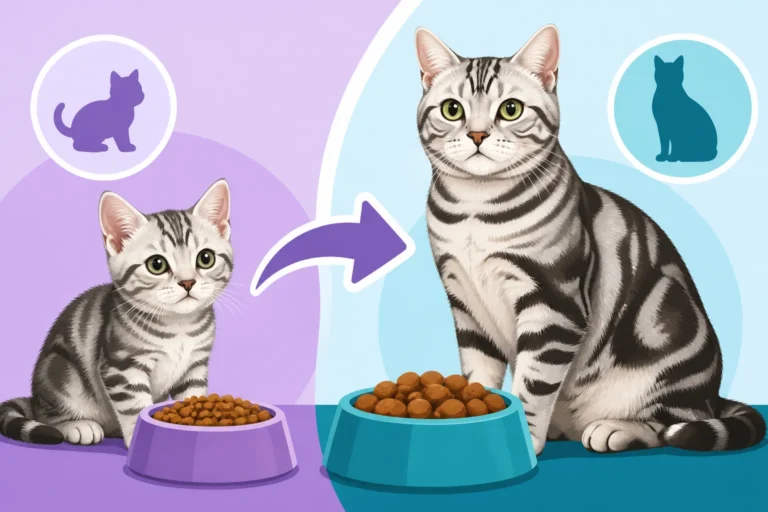
A healthy coat, regardless of its texture, starts from the inside out. Your American Shorthair's diet plays a crucial role in maintaining the strength and luster of those magnificent guard hairs and the overall health of their skin. Because they are naturally muscular cats with a history of activity, they thrive on a diet rich in high-quality protein and essential fatty acids.
Look for cat foods that list real meat as the first ingredient. Foods with whole, nutritious ingredients support overall health, including skin and coat condition. These foods provide the necessary building blocks for strong hair follicles and healthy skin, which in turn produce those resilient, protective guard hairs. Ensure they have access to plenty of fresh water too, as proper hydration is fundamental for skin and coat health, and indeed for all bodily functions. How Much Water an American Shorthair Should Drink is an important consideration for any owner. A well-nourished American Shorthair will naturally have a coat that lives up to its historical standard: tough, protective, and impressively easy to care for.
Disclaimer
This article is for general informational purposes only and does not constitute professional advice. Laws, prices and regulations vary by location and change over time. Consult a qualified professional for guidance on your specific situation.