How an American Shorthair Copes Left Overnight
The American Shorthair stays overnight alone safely through proper food preparation, litter box maintenance, and safety checks.
Change the room, not the cat.
Litter box avoidance, scratching and furniture, multi-cat tension and night activity — and the vertical space, play routines and feeding puzzles that solve more than correction does.
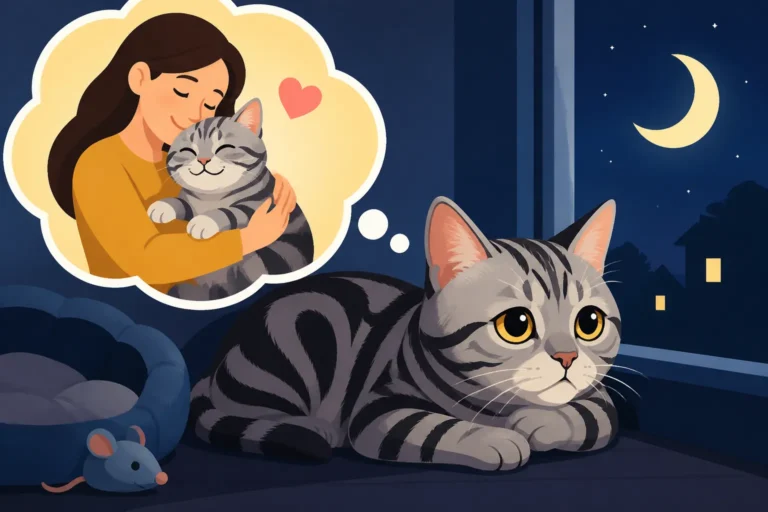
The American Shorthair stays overnight alone safely through proper food preparation, litter box maintenance, and safety checks.
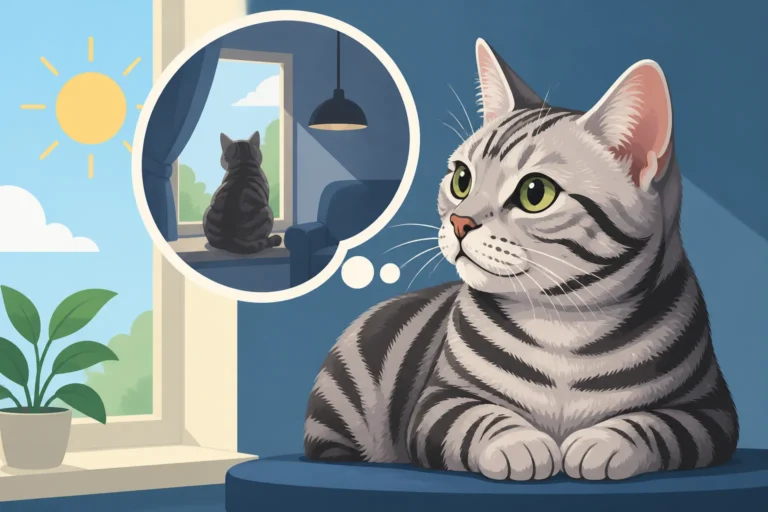
American Shorthair cats manage daytime solitude through natural self-reliance, historical mousing instincts, routines, and environmental enrichment.
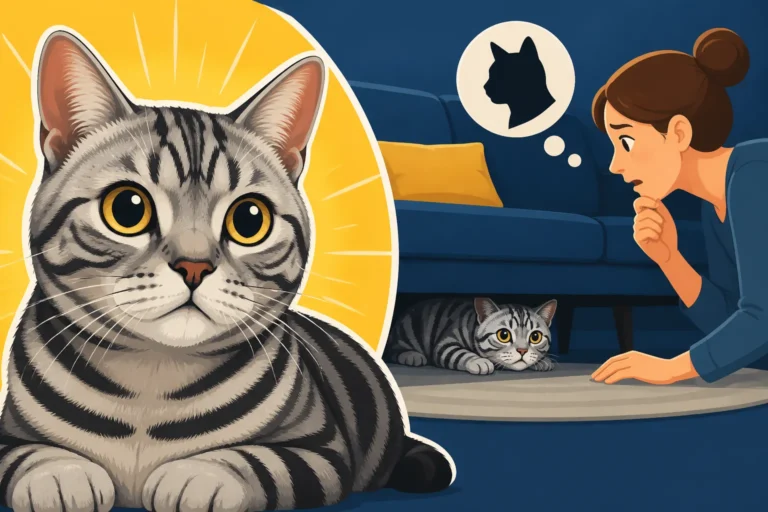
An American Shorthair cat acting too quiet might signal hidden pain, illness, or environmental stress requiring immediate veterinary attention.

American Shorthair communication methods include subtle body language and quiet signals that explain how cats request food and play.
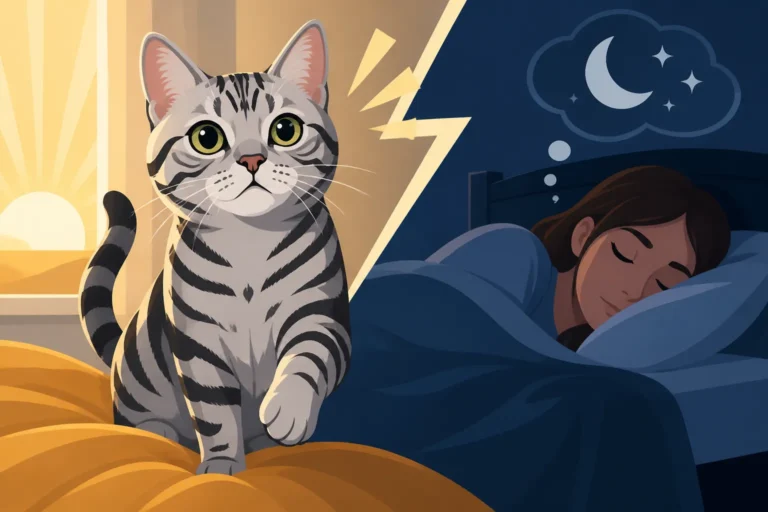
American Shorthair early morning waking habits stem from natural hunting instincts, crepuscular biology, and deep-seated evolutionary traits.

The American Shorthair cat breed uses a quiet, reserved voice, soft meows, and deep purrs to communicate without nagging.
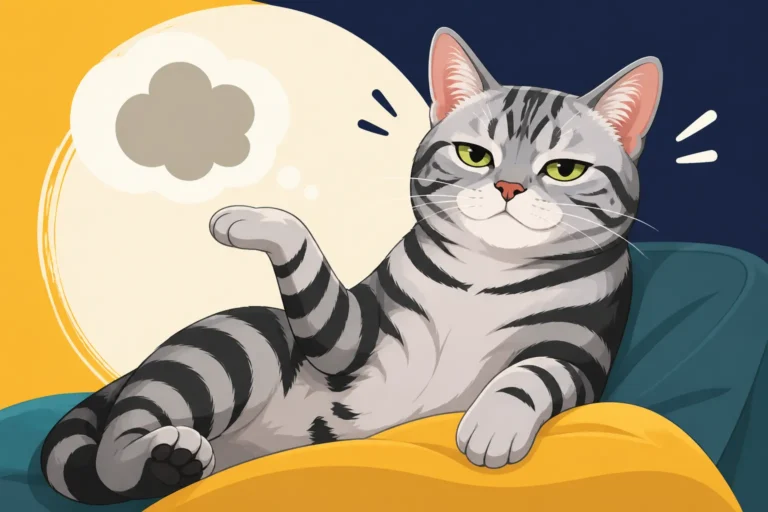
American Shorthair cats remain quiet due to hunting heritage, explaining their silent companionship and subtle body language communication.
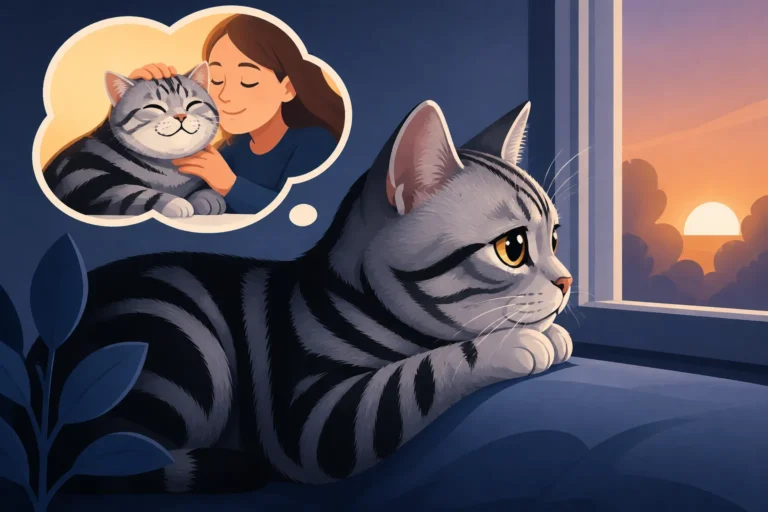
American Shorthair grief causes appetite loss, lethargy, and vocalization, requiring veterinary care after thirty-six hours without food.
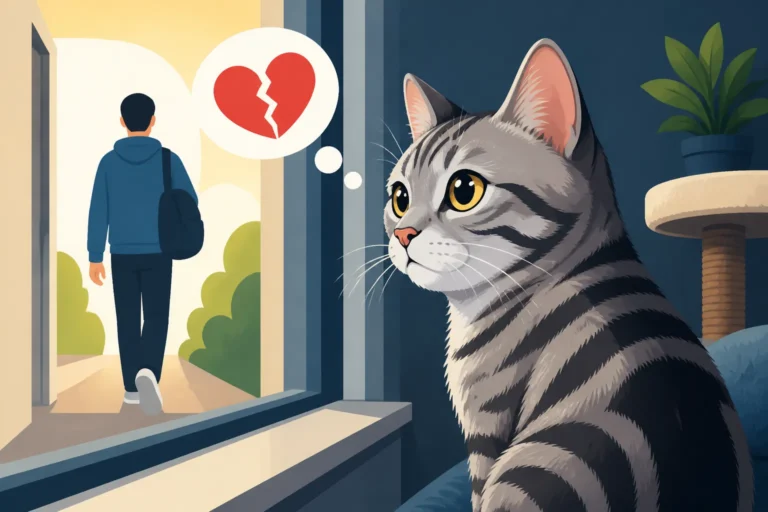
American Shorthair cats miss owners quietly through subtle behaviors, greeting rituals, and routine changes during absences.
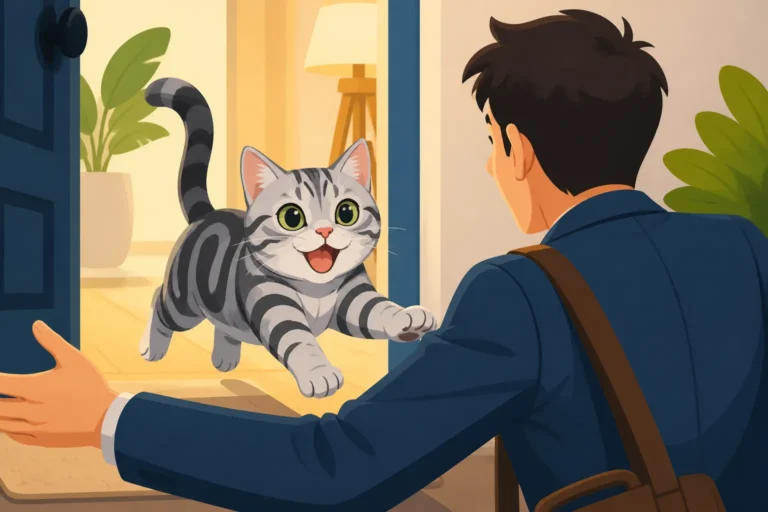
American Shorthair homecoming behavior reveals why these cats offer quiet observations, tail signals, and subtle greetings after your workday.