Whether Two American Shorthairs Hunt Together
Two American Shorthairs hunt independently rather than cooperatively, often chasing the same prey in parallel rather than as a team.
Change the room, not the cat.
Litter box avoidance, scratching and furniture, multi-cat tension and night activity — and the vertical space, play routines and feeding puzzles that solve more than correction does.
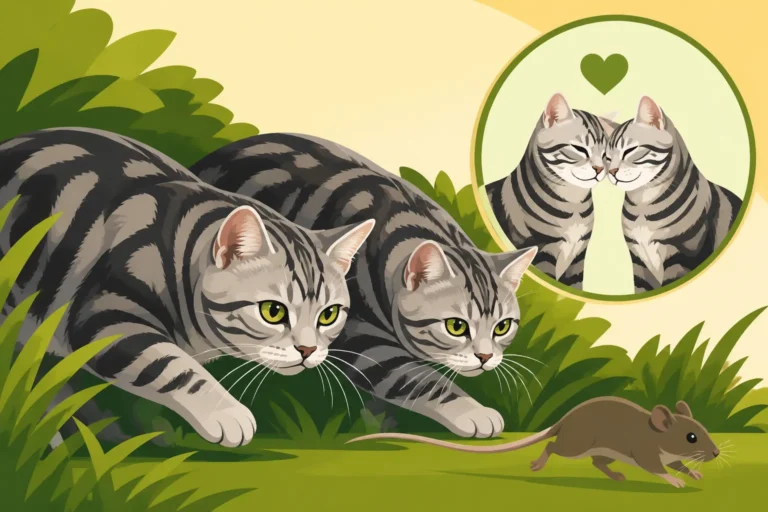
Two American Shorthairs hunt independently rather than cooperatively, often chasing the same prey in parallel rather than as a team.
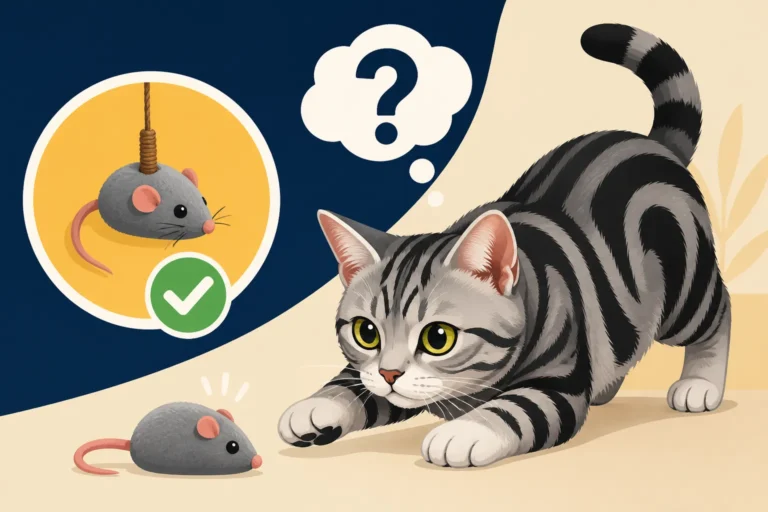
Indoor American Shorthairs need safe hunting outlets. This explains interactive toys and puzzle feeders for their health.
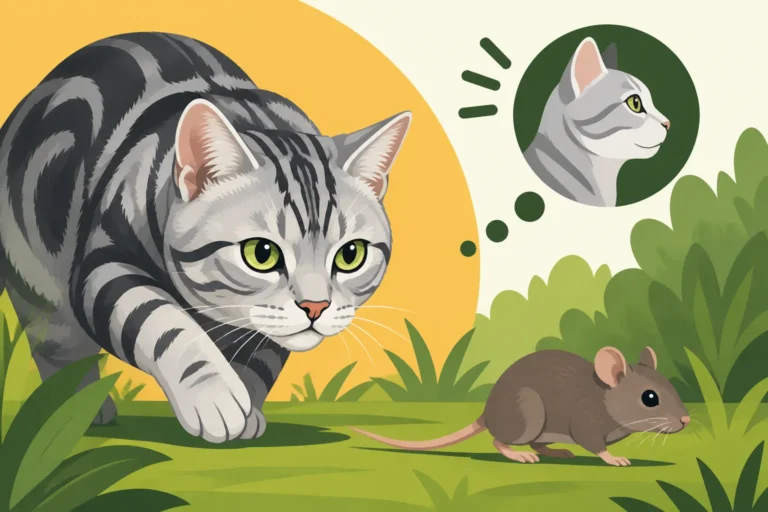
American Shorthair hunting instincts persist as cats age, adapting through modified indoor play and lower physical exertion.
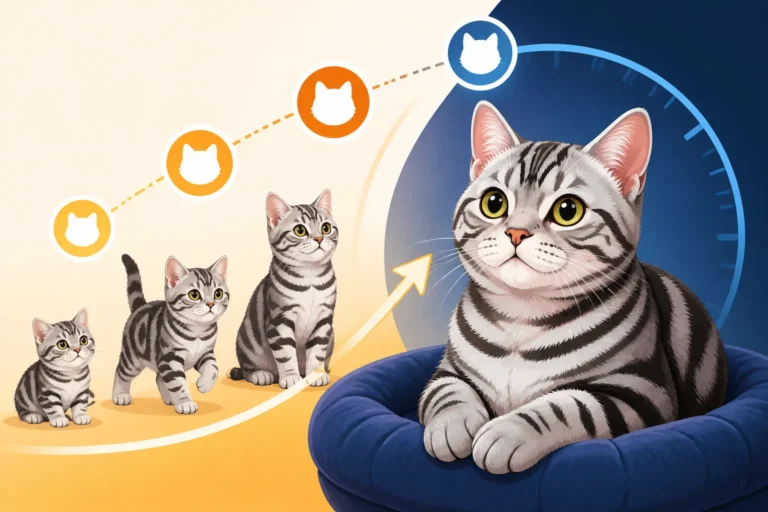
American Shorthair maturation stages explain when lively kittens transition into calm, confident adult cats between two and three years of age.
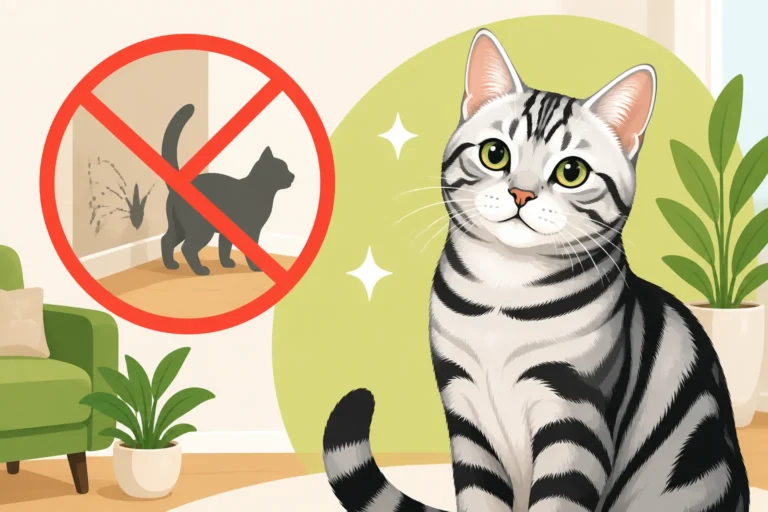
American Shorthair indoor marking behavior stems from health issues, stress, or litter box problems that require immediate attention.
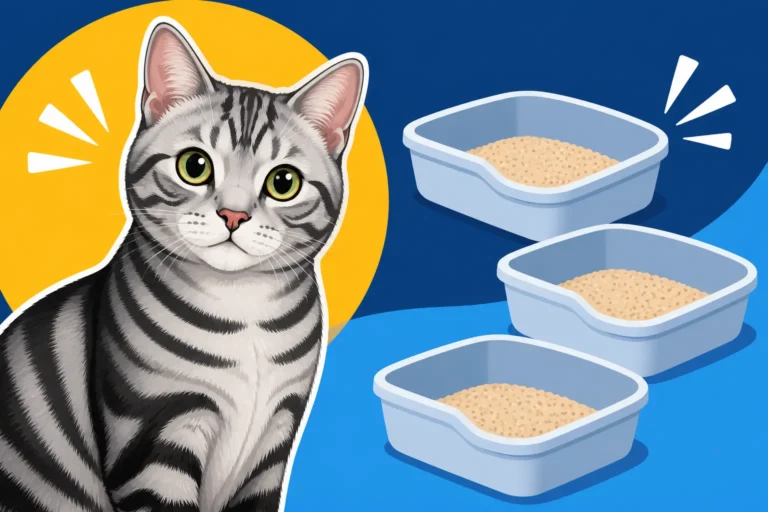
American Shorthair litter box setups require the N+1 rule, meaning two boxes for one cat to prevent territorial disputes.
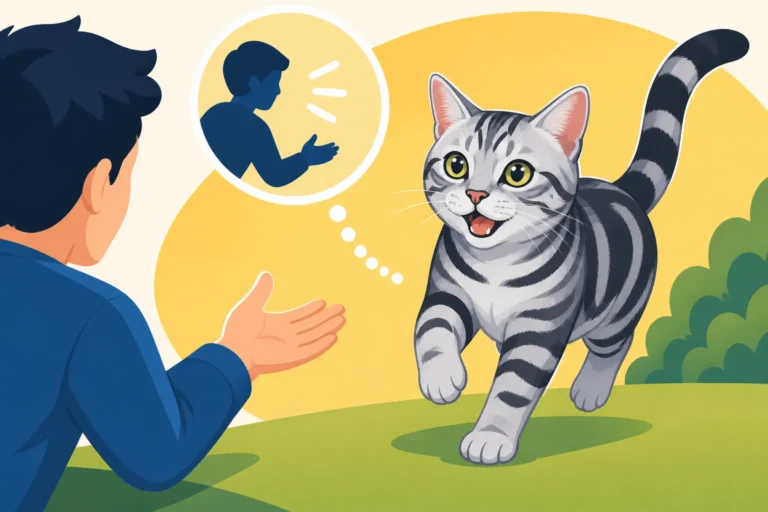
American Shorthair recall training explains how to use high-value treats and hunting instincts so cats reliably come when called.
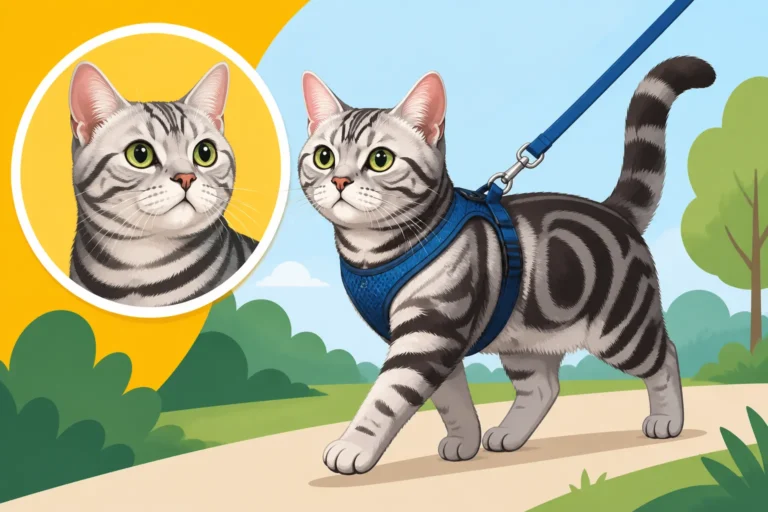
American Shorthair harness training requires patience. Readers learn to select proper gear and follow gradual desensitization steps.
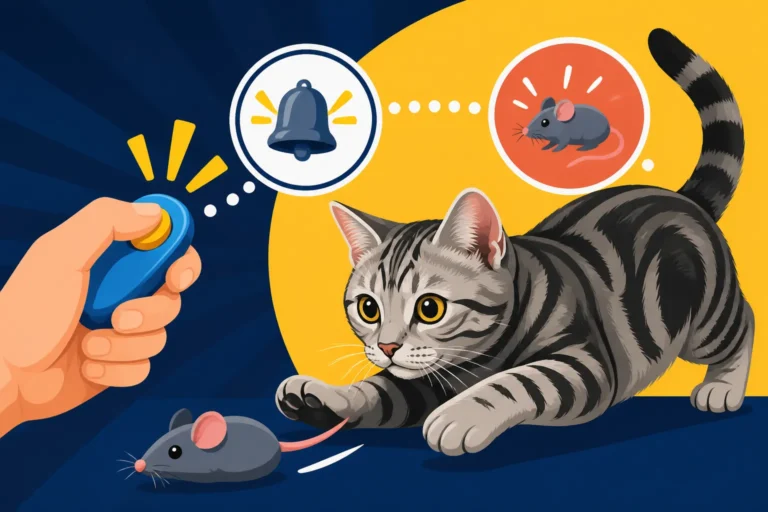
American Shorthair clicker training utilizes innate prey drive and high-value rewards instead of human praise for effective learning.
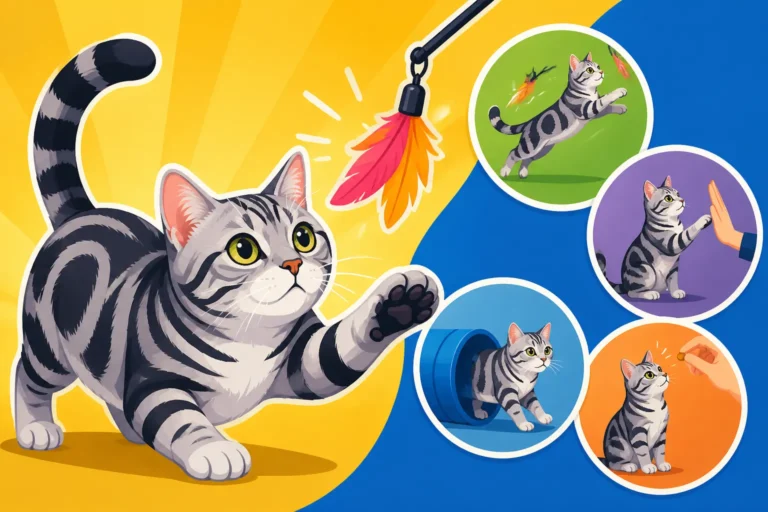
American Shorthair cats learn come, retrieval, and target training fastest by channeling their natural prey drive into rewards.