How Much a Self Sufficient American Shorthair Misses You
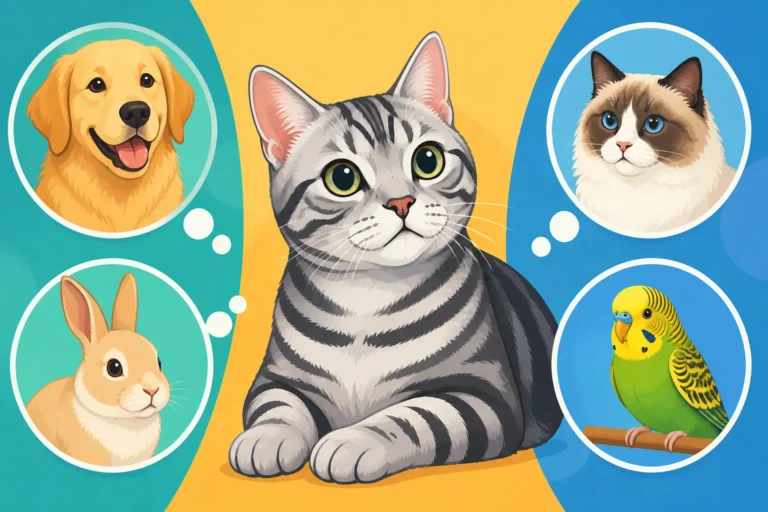
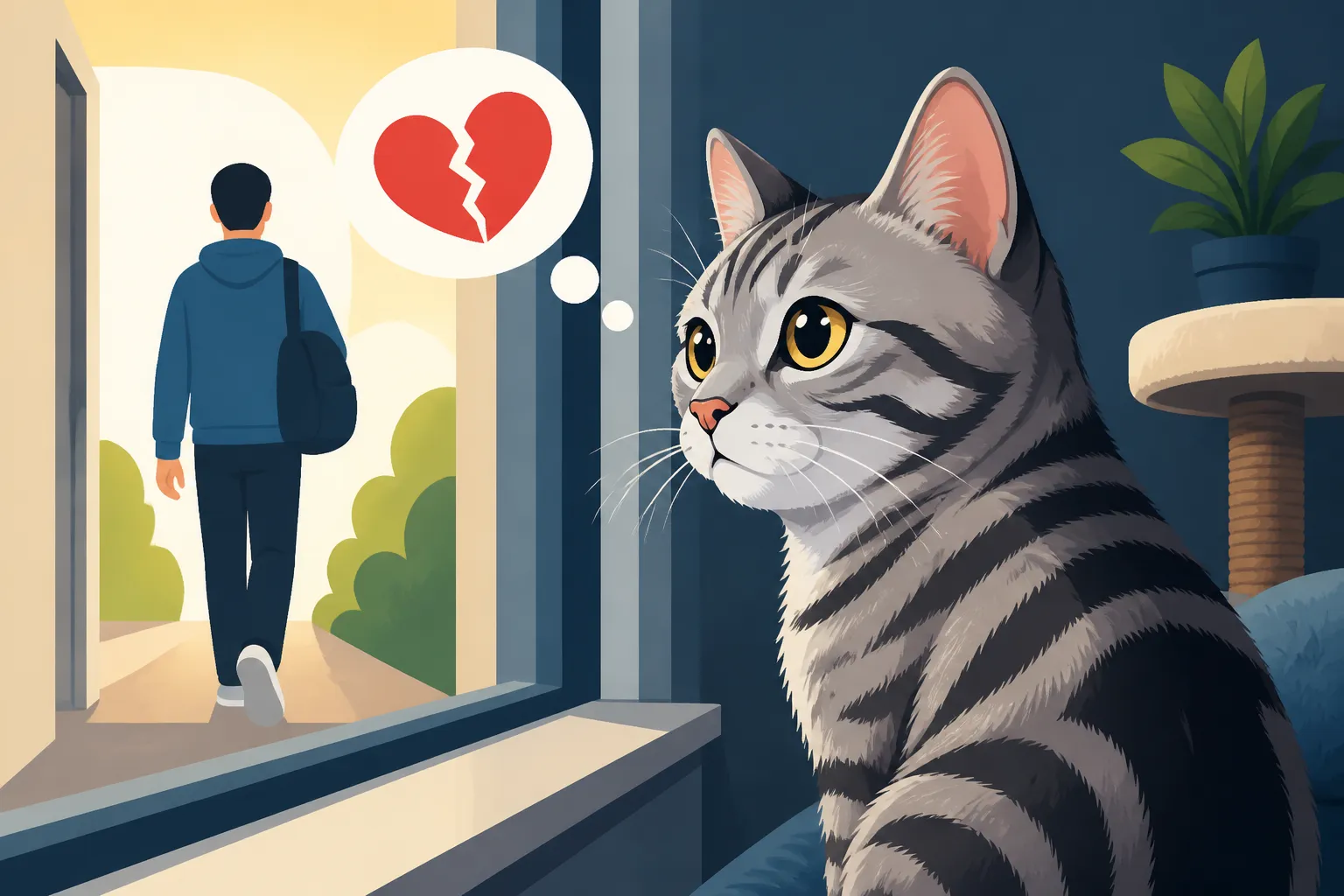
As cat parents, we've all been there: waving goodbye to our beloved feline, a pang of guilt hitting as we wonder if they'll pine away until we return. This feeling can be even stronger when you share your home with an American Shorthair, a breed often praised for its calm and self-sufficient nature. You might worry that their independence means they don't truly care about your absence, but I'm here to tell you that while they might not show it like a clingy puppy, they absolutely notice when you're gone. This guide will explore how these wonderful, stoic cats experience and express missing their favorite humans.
The Deep Roots of American Shorthair Self-Sufficiency
Let's start by understanding why American Shorthairs are so independent in the first place. These aren't creatures bred for delicate laps or constant human attention; their ancestors were the working cats of early America, keeping ships and barns free of vermin. They earned their keep, and their survival depended on their intelligence, hunting prowess, and ability to manage themselves without constant human intervention. This history is baked into their very being, shaping their personality even today.
Imagine a cat whose daily life involved patrolling vast barn spaces, strategizing hunts, and generally being responsible for its own well-being. There wasn't a human around to provide endless entertainment or comfort on demand. They learned to rely on their instincts and their own company. This isn't to say they didn't value their human companions; quite the opposite. A good working cat knew its human provided shelter and food, but the relationship was based on mutual respect and a certain degree of autonomy. This legacy means your American Shorthair probably won't be draped over you 24/7, but their quiet presence is often a deeper sign of trust.
Their strong sense of territory, a holdover from those working days, also contributes to their self-reliance. They feel secure in their familiar environment, and as long as their basic needs are met, they are content to monitor their domain. This is why many American Shorthairs tolerate being left alone for reasonable periods without developing separation anxiety. They are, in essence, still patrolling their territory, even if that territory is your living room. Understanding Why an American Shorthair Was Never Bred to Need You really helps put their modern behavior into perspective.
Subtle Signs an American Shorthair Misses You
Because of their inherent independence, an American Shorthair's way of showing they miss you is often much more subtle than a dog's ecstatic greeting or a clingier cat breed's incessant meows. They won't necessarily tear up the house or howl at the door, but if you pay close attention, you'll see the quiet ways they express their connection. Their stoic nature means you might have to read between the lines a bit, but the affection is definitely there.
The Post-Arrival Greeting Ritual
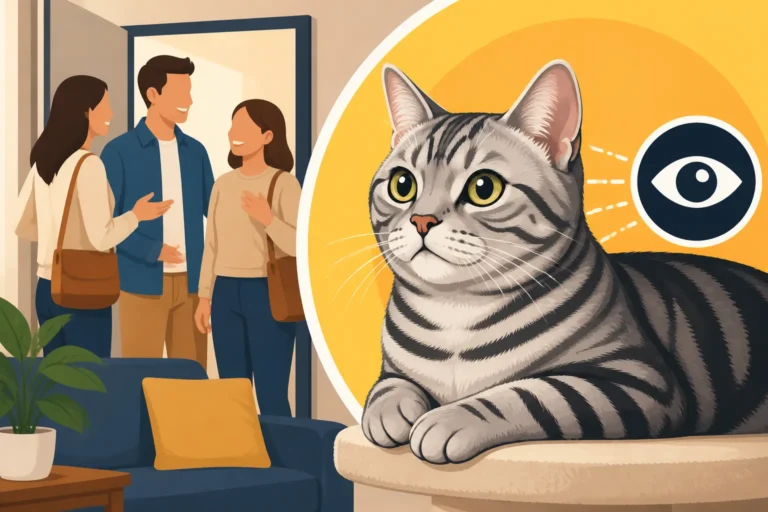
When you finally walk through the door after a day out, your American Shorthair might not immediately rush to you in a flurry of purrs and head-butts. They might stretch languidly, giving you a slow blink, or even continue grooming for a moment before casually strolling over. This isn't indifference; it's their calm acknowledgment. Many American Shorthairs will then follow you from room to room as you settle in, a quiet shadow, checking in on your activities. They might rub against your legs as you prepare dinner or jump onto the sofa next to you once you sit down. This "shadowing" behavior is a subtle way of re-establishing their connection and re-integrating you into their monitored territory. It's their way of saying, "Okay, you're back. All is right with my world now." For more on this, check out How an American Shorthair Greets You After Work.
Changes in Routine and Appetite
While you're away, some American Shorthairs might show changes in their typical routine. A cat known for being an enthusiastic eater might pick at their food more slowly or leave some behind, only to finish it with gusto once you've returned and reassured them with your presence. Others might sleep more, or conversely, be more restless, pacing certain areas of the house that they associate with you. They might also become more vocal in your absence, not necessarily with distressed cries, but with more insistent meows when a trusted pet sitter comes by, or a slightly louder greeting chirp when you get home. These are small deviations from their norm, but they indicate a disruption in their comfortable world that only your return can truly rectify.
Increased Affection Upon Your Return
Once you're home for a while, you might notice an uptick in their affectionate overtures. This isn't just about missing you; it's about making up for lost time and reinforcing the bond. They might choose to nap closer to you, seek out more petting sessions, or even engage in a longer play session than usual. For a breed that generally values its space, any increase in proximity or tactile interaction is a significant sign of their attachment. They're reconnecting, soaking up your presence, and ensuring that their human is indeed back and accounted for. It's a quiet celebration of your reunion, American Shorthair style.
Nurturing Their Independent Spirit While You're Away
It's natural to want to make sure our American Shorthairs feel loved and secure, even when we can't be there. The key is to support their independent nature rather than try to change it. Since they thrive on routine and territory, providing consistency and enrichment can go a long way in preventing them from feeling truly lonely or stressed when you're out. They're not looking for a constant companion, but rather a stable environment where they feel safe and entertained.
Environmental Enrichment is Key
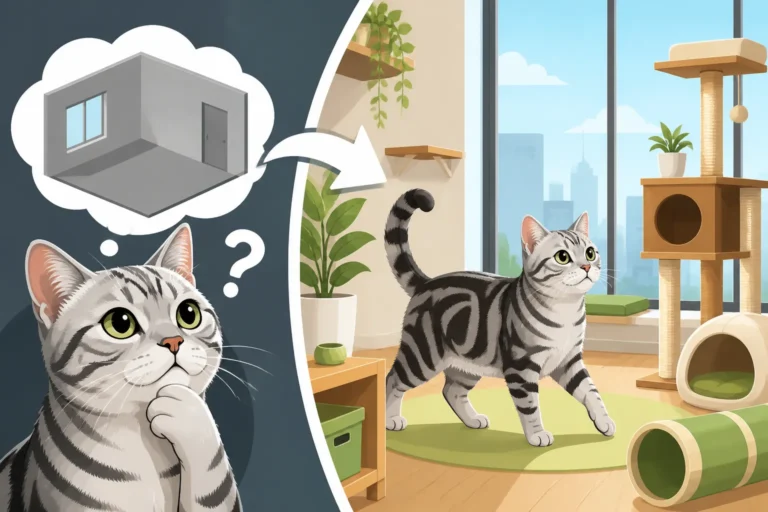
An American Shorthair, with its natural hunting instincts, benefits immensely from environmental enrichment. This means providing outlets for their innate behaviors, even when you're not there to actively play. Think vertical space like cat trees or shelves where they can survey their domain, scratching posts that allow them to stretch and condition their claws, and a variety of toys that simulate prey. Puzzle feeders are particularly excellent for this breed, turning mealtime into a mental and physical game, engaging their problem-solving skills and predatory drive. You can find a fantastic selection of puzzle feeders on Amazon that can keep them engaged for hours.
Here’s a simple table of enrichment ideas for your independent American Shorthair:
| Enrichment Type | Description | Benefit |
|---|---|---|
| Puzzle Feeders | Devices that dispense food only when manipulated. | Mimics hunting, mental stimulation, slows eating. |
| Vertical Space | Cat trees, wall shelves, window perches. | Allows patrolling, feeling secure, resting high up. |
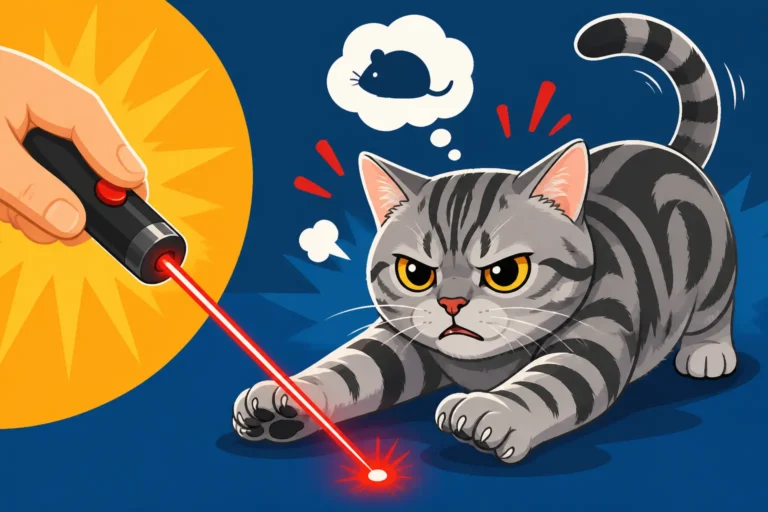
| Interactive Toys | Wand toys, remote-controlled mice, automatic lasers (used sparingly). | Satisfies prey drive, provides exercise. |
| Scratching Posts | Sisal, cardboard, horizontal, vertical. | Healthy claw maintenance, stress relief, territorial marking. |
| Window Perches | Secure ledges overlooking outdoor views. | "Cat TV" entertainment, sensory stimulation. |
Maintaining Routine and Comfort
Cats are creatures of habit, and the American Shorthair is no exception. Sticking to a consistent feeding schedule, even if automated, and maintaining their litter box cleanliness can significantly reduce stress in your absence. If you're going to be gone for an extended period, consider having a trusted friend or a professional pet sitter come by. They can not only feed and clean but also offer a brief play session or a quiet presence, maintaining some semblance of human interaction. A familiar scent, like an unwashed shirt of yours placed in their favorite sleeping spot, can also provide comfort. Remember, How Long an American Shorthair Copes Alone in the Day often depends on how well their routine is maintained.
When it comes to puzzle feeders, the variety available on Amazon means you can start with easier ones and gradually introduce more complex challenges. This keeps their minds sharp and prevents boredom. Whether a Puzzle Feeder Satisfies an American Shorthair really comes down to finding the right challenge level and rotating them to keep things fresh.
Strengthening Your Bond with an Independent Cat
Just because an American Shorthair is self-sufficient doesn't mean they don't crave connection. Their bond with you might be expressed differently, but it's incredibly strong. Understanding their unique communication style and respecting their boundaries is key to deepening that connection. They appreciate your presence, your calm demeanor, and the security you provide.
Respecting Their Need for Space
Unlike some breeds that demand constant petting, your American Shorthair might prefer to sit beside you rather than directly on your lap. They might enjoy a gentle head scratch or a brief rub but then be content to simply share the same space. This is their way of showing affection – being near you, in your orbit, but retaining their sense of autonomy. Don't force interaction; instead, offer it and let them initiate or choose how much they want. A slow blink from across the room is often a profound sign of trust and affection from an American Shorthair.
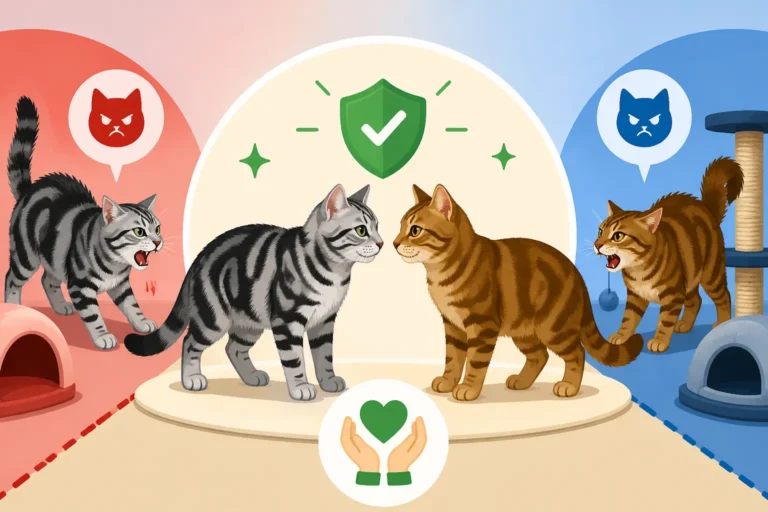
Building this bond also involves providing them with a sense of security within their territory. This means ensuring they have safe, quiet spaces to retreat to if they feel overwhelmed, and predictable interactions that don't startle them. A cat that feels safe in its home with its human will be more likely to show its affection on its own terms.
Quality Time Over Quantity
For an American Shorthair, quality interactions are far more valuable than constant, overwhelming attention. Engage in interactive play with a wand toy that mimics hunting, allowing them to stalk, pounce, and "kill" their prey. These short, focused play sessions satisfy their instinctual needs and strengthen your bond through shared activity. Even simply sitting quietly in the same room, perhaps reading a book while they nap nearby, can be incredibly meaningful to them. It reinforces that you are a stable, reassuring presence in their world, not just a source of food.
Consider investing in a good pet camera, easily found on Amazon, to check in on them while you're out. While it won't replace your presence, it can offer peace of mind and help you understand their patterns. If you need to find a pet sitter, services often recommend asking for references and ensuring the sitter understands the nuances of caring for a more independent cat, which might differ from a very social one. How an American Shorthair Greets a Visitor can give you an idea of how they interact with new people in their space. Ultimately, your American Shorthair misses you in their own quiet, dignified way, and understanding that is the greatest gift you can give them.
Disclaimer
This article is for general informational purposes only and does not constitute professional advice. Laws, prices and regulations vary by location and change over time. Consult a qualified professional for guidance on your specific situation.