Why an American Shorthair Brings You Things
There's nothing quite like the experience of your beloved American Shorthair, purring contentedly, dropping a soggy toy mouse or even a forgotten hair tie right at your feet. It's a behavior that can be both endearing and, let's be honest, a little perplexing. Why do they do it? This comprehensive guide will explore the deep-seated instincts and unique communication behind this "gifting" behavior, helping you understand and appreciate your American Shorthair even more.
Unraveling the Instinct: The American Shorthair's Hunting Heritage
To truly understand why your American Shorthair brings you "gifts," we have to go back in time, tracing their lineage through centuries of dedicated service. These aren't just fluffy companions; they are descendants of hardy working cats, shaped by generations of necessity and instinct.
Centuries of Predation: Why They Hunt
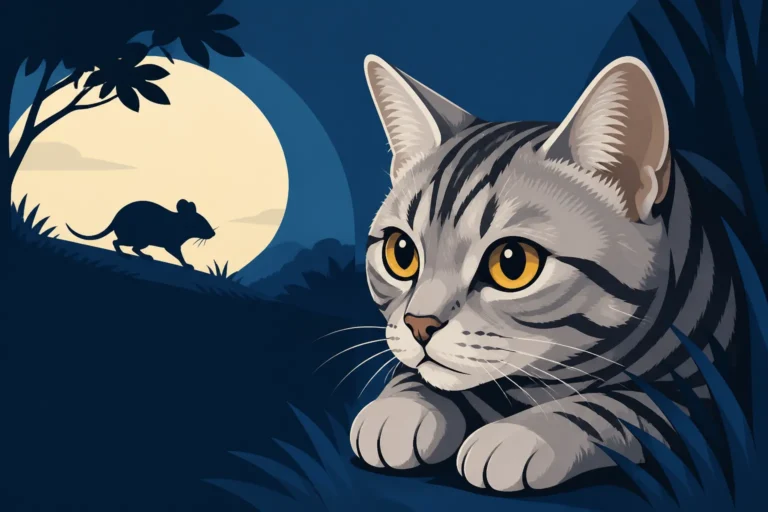
The American Shorthair's ancestors were not bred for delicate features or exotic coats; they were bred for function. Imagine sailing on an early European ship bound for the New World, or settling on a bustling farm. Rodents were a constant threat, devouring food stores, spreading disease, and damaging property. Enter the cat, an invaluable member of the crew or household, whose very presence was synonymous with pest control. These cats were the original "working cats," selected for their robust health, adaptable nature, and, most importantly, their exceptional hunting prowess.
This isn't just ancient history; it's etched into their DNA. Even if your American Shorthair has never seen a mouse outside of a television screen, the inherent drive to stalk, chase, and capture remains incredibly strong. It's a fundamental part of their being, a primal urge that exists independently of hunger. They are, at their core, efficient predators, and this instinct needs an outlet, whether it's on a farm or in a cozy apartment. It’s what makes them such self-sufficient and capable creatures. Centuries of Ratting Left the American Shorthair Its Drive
This deep-rooted history means that when your American Shorthair engages with a toy, they aren't just playing; they're enacting a deeply ingrained behavioral sequence. The thrill isn't just in the pounce; it's in the entire ritual that leads up to it and the satisfaction of "winning." They might not be bringing down a field mouse anymore, but their genetic programming still pushes them through the motions of the hunt. This instinctual drive explains why they can be so focused during playtime, completely absorbed in the pursuit of a feather wand or a bouncing ball.
The Full Hunting Sequence: Catch, Kill, Play, Consume
For a cat, hunting isn't a single action; it's a complex, multi-stage sequence. It typically begins with stalking, where the cat uses stealth and patience to get close to its prey. This is followed by the pounce, a sudden burst of energy to capture the target. Next comes the "kill bite," often a swift, precise action to dispatch the prey, usually to the neck. After the kill, there's often a period of play, where the cat might bat the prey around, toss it, or carry it before finally consuming it. Each stage provides a distinct form of gratification.
In the modern indoor environment, this sequence is often incomplete. Your American Shorthair might stalk and pounce on a toy, but they can't actually "kill" or "consume" it in the way their ancestors would have. This can leave them with a sense of unfinished business, an instinctual itch that hasn't been fully scratched. The urge to complete this deeply satisfying sequence is a powerful motivator for many of their behaviors, including bringing you their "prey." It’s an evolutionary hardwiring that doesn't just switch off because dinner is served in a bowl. How an American Shorthair Hunts
When they bring you a toy, it's often after they've "caught" and "killed" it in their own way, engaging in that intense, focused play that mimics the real hunt. By delivering it to you, they're not only sharing their "success" but also bringing the "prey" to a safe place, or perhaps to a more dominant member of their perceived social group – that's you! This final act of presentation can be their way of completing the entire hunting loop, a primal behavior playing out in a domestic setting, even if it’s just with a piece of crumpled paper.
Simulated Hunting and the Drive to "Finish"
Since real prey is scarce indoors, American Shorthairs rely on toys and interactive play to satisfy their hunting instincts. However, not all play is created equal. A laser pointer, for instance, provides excellent stalking and chasing opportunities, but it never allows the cat to physically "catch" or "kill" the red dot. This can lead to frustration, as the hunting sequence remains perpetually incomplete, leaving the cat stimulated but ultimately unsatisfied. They need that tangible connection, that moment of physical capture.
This is where the act of bringing you something comes in. When your American Shorthair drops a toy at your feet, especially after an intense play session, it often signals their desire to "finish" the hunt. They've caught it, they've "killed" it, and now they are presenting it, perhaps hoping you'll engage with it, or simply acknowledging their accomplishment. It’s a clear indication that they need the closure of the predatory sequence, which often means having you acknowledge their success and perhaps even re-engage in the chase.
Interactive wand toys that allow for a final "capture" are incredibly valuable for meeting this need. By mimicking the erratic movements of real prey and allowing your cat to physically pounce on and "capture" the toy at the end of the session, you help them complete that crucial cycle. The act of bringing the "kill" to you then becomes a natural extension of a satisfying hunt, a testament to their prowess and an expression of their intrinsic nature. This connection between the simulated hunt and the "gift" is key to understanding this endearing behavior.
"Look What I Caught!": The Gift-Giving Behavior Explained
The act of an American Shorthair bringing you things isn't just about hunting; it's deeply intertwined with their social structure and how they perceive their relationship with you. It's a complex behavior with several fascinating theories behind it, all rooted in their ancestral past.
Sharing the Spoils: A Maternal or Social Instinct?
One prominent theory suggests that this "gifting" behavior stems from a cat's maternal instincts. Mother cats often bring their kittens live or dead prey, not just to feed them, but to teach them how to hunt and to provide for their young. When your American Shorthair brings you a toy, especially with a particular vocalization or a proud stance, they might be extending this innate nurturing behavior to you. They see you as part of their family, their "pride," and you, perhaps, are the rather clumsy, oversized "kitten" who needs a bit of help with hunting.
Alternatively, this behavior can be viewed through the lens of social sharing within a cat colony. In a natural environment, cats living in groups might share food or bring prey back to a central den. Your home is your American Shorthair's territory, and you are a vital member of their established social group. By bringing you a "kill," they are contributing to the welfare of the "colony," demonstrating their capabilities, and reinforcing their place within the household hierarchy. It’s a display of their inherent value and ability to provide. Why an American Shorthair Presents Its Kill
This theory speaks to the American Shorthair's practical, community-oriented nature. Unlike some more aloof breeds, they appreciate their home and the creatures within it as their domain. They are not merely tolerating you; they are engaging with you as a fellow inhabitant. So, when that favorite crinkle ball lands at your feet, see it not just as a toy, but as a symbolic offering, a generous contribution to the family's shared resources, and a subtle nod to their role as a capable provider. It’s their unique way of saying, "We’re in this together."
Teaching You to Hunt (Or at Least Acknowledge Their Prowess)
Another compelling theory posits that your American Shorthair might actually be trying to teach you how to hunt. From their perspective, you, a human, are clearly not very adept at catching prey. You rarely bring home mice, and your efforts to "hunt" (like grocery shopping) are utterly baffling to them. So, in their innate wisdom, they decide to demonstrate proper hunting technique, offering you a freshly "caught" item and perhaps waiting for you to emulate their actions. It's a patient, albeit persistent, attempt to educate their less-skilled companion.
You might notice this behavior when your cat drops a toy and then stares intently at you, perhaps letting out a soft trill or chirrup. They might bat the toy, look at you again, then bat it once more, as if saying, "See? This is how it's done." This isn't just a request for play; it's a demonstration. They are showing off their hunting skills and, at the same time, giving you an opportunity to learn. It’s a gentle, furry mentorship, designed to improve your pitiful hunting abilities.
Beyond teaching, they are also seeking acknowledgment for their prowess. Imagine spending a significant amount of effort stalking, pouncing, and "killing" a prized toy. Naturally, you'd want someone to notice your achievement! When your American Shorthair presents their "kill," they are often looking for validation. A simple word of praise, a gentle stroke, or a re-toss of the toy can go a long way in satisfying their need for recognition. It confirms that you appreciate their efforts and acknowledge their inherent talent.
Seeking Attention and Reinforcement
Let's be real: cats are smart, and they quickly learn what behaviors get them a reaction. If, every time your American Shorthair drops a toy at your feet, you stop what you're doing, make eye contact, offer praise, or even better, engage in a play session, you are effectively reinforcing that behavior. They've discovered a surefire way to get your attention, and they'll continue to use it. It's a classic example of operant conditioning, where a behavior followed by a rewarding consequence is likely to be repeated.
This isn't always about positive attention, either. Sometimes, even a frustrated "Oh, not another sock!" can still count as attention from your cat's perspective. Any response that breaks your focus from whatever you were doing and directs it toward them can be perceived as a reward. They might not understand the nuance of your tone, but they understand that their action successfully diverted your attention. This makes it crucial for owners to be mindful of how they react to these "gifts." How to React When an American Shorthair Brings You Something
Therefore, if you want to encourage the behavior (perhaps because you find it endearing, or you want them to engage in more interactive play), respond positively. If there are certain "gifts" you'd rather not receive (like actual live critters, or your favorite pair of earrings!), then the best approach is often to ignore the unwanted offering and redirect their attention to an appropriate toy instead. Consistency is key here; your reactions shape their understanding of what "works" to get your attention and approval.
The "Prey" of Choice: What Your American Shorthair Brings
It's not just any item your American Shorthair decides to bring you; there's often a method to their madness, an instinctual selection process that dictates what becomes a worthy "kill" and, subsequently, a cherished "gift." From manufactured toys to surprising household objects, their choices reveal a lot about their innate predatory drives.
Toys Mimicking Real Prey
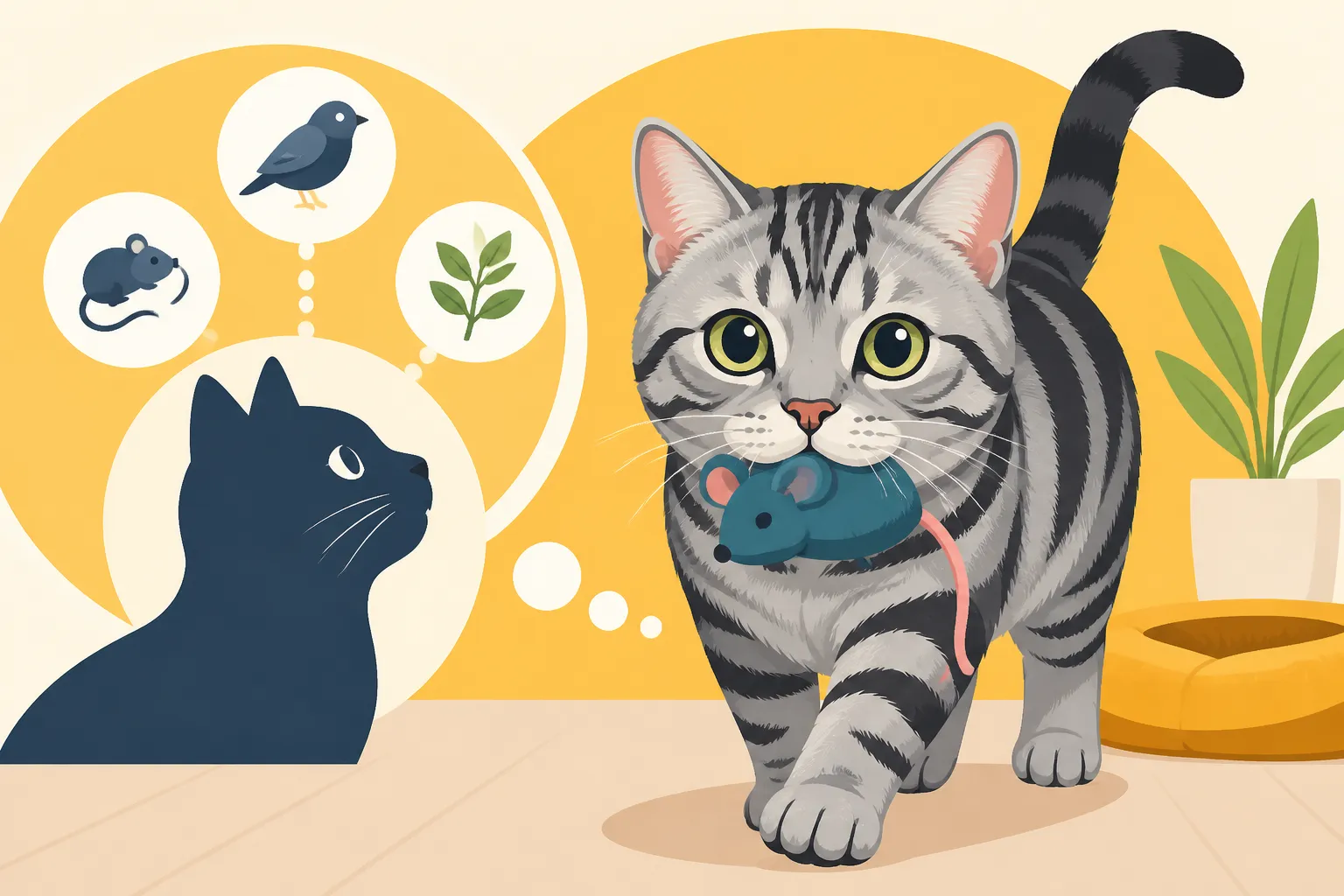
Unsurprisingly, many of the items your American Shorthair brings are toys specifically designed to mimic real prey. Think about those soft, furry mice, the ones with little beady eyes and a tail. These toys tap directly into their genetic programming, simulating the size, texture, and often the movement of small rodents. The crinkly sound of a Mylar ball might remind them of rustling leaves or the fluttering wings of an insect, making it an irresistible target for their hunting instincts.
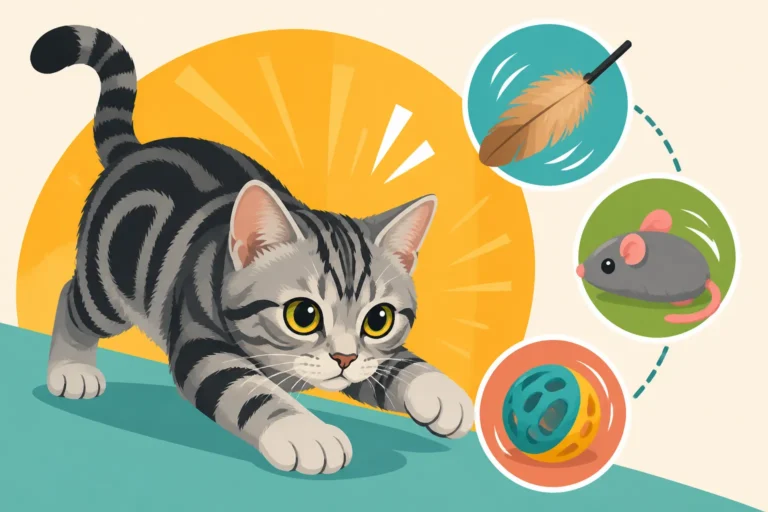
Wand toys with feathers or small plush animals on the end are also highly effective. The erratic, bird-like movements you can create with these toys can trigger an intense predatory response in your cat. Once they've "caught" the toy at the end of the wand, it becomes their prized possession, a successful kill that they might then proudly bring to you. The key is that these items allow them to fully engage their hunting sequence, from stalking to the final, satisfying pounce and capture.
When looking for toys, consider those that offer different sensations and encourage varied hunting behaviors. Some American Shorthairs prefer toys they can bat around and chase, while others enjoy "killing" and carrying softer, more substantial items. Providing a variety of these prey-like toys is essential for keeping them stimulated and giving them plenty of appropriate "gifts" to bring you. Websites like Amazon offer a vast selection of these types of toys, from interactive teasers to durable plush mice, ensuring you can find something that truly captivates your feline hunter.
Household Items: The Unexpected "Kill"
Beyond dedicated cat toys, American Shorthairs often show a surprising talent for turning everyday household items into their personal "prey." How many times have you found a missing hair tie, a bottle cap, or even a crumpled receipt deposited strategically on your pillow? These items, seemingly mundane to us, possess qualities that make them irresistible to a cat's hunting instincts. They are often lightweight, making them easy to bat around and carry. Their unpredictable bounce or slide across a smooth floor can mimic the erratic movements of a fleeing insect or small animal, triggering the chase instinct.
The "forbidden" aspect of these items might also add to their allure. Cats are naturally curious, and anything that isn't explicitly a "toy" can become a fascinating object of investigation and, ultimately, conquest. A sock might smell like you, making it even more desirable as a personal treasure. These objects fit perfectly into their mouths for carrying, allowing them to perform the final, crucial step of bringing the "kill" to you. It's a way for them to expand their hunting grounds beyond designated playthings.
While it's generally harmless, it's worth keeping an eye on what items your American Shorthair is choosing to "hunt" and present. Small items like hair ties, rubber bands, or plastic bottle caps can sometimes be accidentally ingested, posing a choking hazard or leading to internal blockages. If your cat frequently brings you these items, it might be a sign they need more engaging, appropriate toys to redirect their attention. Regularly scanning your floors for potential "prey" can help ensure their safety while still appreciating their unique gifting tendencies.
Live Prey: When the Instinct is Untamed
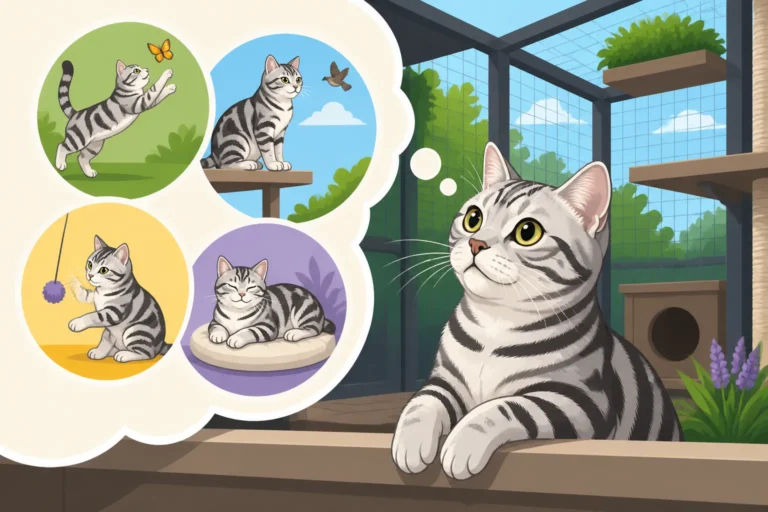
While many indoor American Shorthairs confine their hunting to toys, their instincts are so strong that if given the opportunity, they will absolutely hunt live prey. For cats with outdoor access, this often means birds, mice, or small rodents brought back to the home. Even strictly indoor cats can occasionally catch and present insects like flies, moths, or spiders. This is the raw, untamed hunting instinct in full display, serving as a powerful reminder of their predatory heritage.
When an American Shorthair brings live prey indoors, or presents a recently deceased animal, it's not done out of malice or a desire to gross you out. From their perspective, they are bringing a valuable resource to their "den" and sharing it with their perceived family members. This behavior is a direct echo of their ancestors' survival strategies, ensuring the sustenance of their kin. It can be startling for us, but for them, it's a perfectly natural and commendable act. What an American Shorthair Catches Indoors
Dealing with live prey brought indoors requires a calm approach. Punishing your cat will only confuse them and could damage your bond, as they are acting on instinct and believe they are doing something good. Instead, thank them gently, and then safely and quietly remove the creature (if it's still alive) or dispose of it. If your American Shorthair has outdoor access and frequently brings live prey, consider limiting their outdoor time, especially during dawn and dusk when small animals are most active. This can help protect local wildlife and reduce these less-than-desirable "gifts." How Often an American Shorthair Still Catches Mice
Different Ways American Shorthairs "Gift"
Just as every American Shorthair has a unique personality, they also have individual styles when it comes to presenting their cherished "gifts." Some will make a grand announcement, while others prefer a more subtle, almost secretive delivery. Observing these nuances can give you even deeper insight into your particular cat's communication style.
The Vocal Announcer: "Look What I Got!"
Some American Shorthairs are true showmen when it comes to their "gifts." You won't just find a toy quietly deposited; you'll know it's coming. They might parade through the house with their prize held proudly in their mouth, letting out a distinctive series of vocalizations. This could be a triumphant yowl, a rapid-fire trill, or a persistent, expectant meow that clearly says, "Hey! Over here! I've achieved something magnificent, and you simply must witness it!"
This vocal fanfare is often an explicit invitation for you to engage. It's not enough for them to just drop the item; they want you to acknowledge their success, perhaps join in a follow-up play session, or simply offer praise for their hunting prowess. This type of gifter thrives on interaction and uses their voice to ensure their offering does not go unnoticed. They want to share their excitement and feel a connection with you over their achievement. What an American Shorthair's Voice Sounds Like
If your American Shorthair is a vocal announcer, lean into it! Respond with enthusiastic praise, a happy tone, and perhaps immediately pick up the item and toss it for them. This positive reinforcement encourages their communication and strengthens your bond, turning a simple drop-off into a shared moment of celebration. It shows them that their efforts are not only recognized but appreciated, reinforcing their instinct to share their successes with you.
The Silent Dropper: A Quiet Offering
In contrast to the vocal announcers, some American Shorthairs are much more discreet about their gift-giving. They might silently appear, drop the toy or item at your feet without a sound, and then sit back, watching you intently with calm, expectant eyes. There's no fanfare, no loud meows – just a quiet offering and a hopeful gaze. This doesn't mean they're any less proud of their "kill"; it simply reflects a different personality or a different aspect of their instinct.
This quiet delivery might be a subtle request for attention, an invitation to play, or simply their way of completing the hunting sequence in your presence. They trust that you will eventually notice their gift and respond in kind. It could also stem from their natural self-sufficiency; they don't need to shout about their accomplishments, but they still feel the urge to present them to their perceived leader or family member. Their quiet demeanor often speaks volumes about their trust and comfort in your shared space.
When dealing with a silent dropper, it’s important not to miss their subtle cues. A quick glance down, noticing the item, and offering a soft "Thank you, sweetie!" or a gentle pat can make all the difference. Even if you don't immediately pick up the toy, acknowledging their gesture strengthens your bond and shows them their quiet effort was recognized. It builds a foundation of respect for their subtle communication, reassuring them that you understand their unspoken language.
The "Hide and Seek" Gifter
Then there are the "hide and seek" gifters – the American Shorthairs who deposit their treasures in specific, often unexpected, locations. You might wake up to find a collection of bottle caps neatly arranged in your shoe, a favorite toy mouse tucked into your bed covers, or a hair tie strategically placed near your coffee cup. These cats aren't necessarily looking for immediate interaction; their motivations might be more nuanced, involving territorial marking, caching, or simply ensuring you eventually discover their bounty.
This behavior could be linked to an instinct to cache or store prey for later, a common behavior in many predatory animals. While your cat isn't likely saving that crinkly ball for a future meal, the instinct to place valuable "resources" in a secure or significant location remains. Your bed, your shoes, or your personal belongings are clearly important to you, and therefore, they become important locations for your cat to deposit their valuable "kills." It’s their way of sharing their treasures in a meaningful way.
It can also be a form of subtle territorial marking or a gentle way of including you in their world. By placing their prized possessions in your personal spaces, they are intertwining their life with yours, creating a shared experience that goes beyond immediate interaction. Discovering these hidden gifts can be a delightful surprise, a testament to your American Shorthair's unique personality and their thoughtful (if sometimes odd) ways of showing affection and engagement within their home.
The Bond Between Cat and Owner Through Gifting
Beyond the raw instinct, the act of an American Shorthair bringing you things is also a profound form of communication that speaks volumes about their relationship with you. It's not just a quirk; it's a testament to the unique bond you share, revealing levels of trust, affection, and perceived social dynamics.
A Sign of Trust and Affection
When your American Shorthair brings you a "gift," especially something they've "caught" with focus and effort, it is a clear and powerful sign of trust. In the wild, vulnerable young animals and trusted family members are the ones to whom prey might be presented. By bringing their "kill" to you, they are demonstrating that they feel safe and secure enough in your presence to share something deeply personal and instinctual. It's a primal gesture of inclusion and acceptance into their inner circle.
This behavior is an expression of their affection, albeit one that might manifest differently than a snuggle or a purr. For a cat whose ancestors were rugged, independent hunters, sharing their "bounty" is a significant act of caring. They are demonstrating their ability to provide, to contribute to the well-being of their perceived family, and to offer something they deem valuable to someone they value. It’s their unique love language, rooted in their evolutionary history. How an American Shorthair Shows Affection Between Patrols
It’s easy to dismiss a dropped toy as just a cat being a cat, but pause and consider the depth of this action. Your American Shorthair is essentially saying, "I trust you with my hard-earned prize. You are important to me, and I want to share my success with you." This vulnerability, this offering of their "kill," is a beautiful and often overlooked demonstration of the deep, quiet love they hold for their human companions. It’s a connection forged in instinct and refined by companionship.
Strengthening the Human-Animal Connection
Responding positively to your American Shorthair's gifts, whether it’s a toy mouse or a retrieved sock, is a powerful way to strengthen your bond. When you acknowledge their offering with praise, a gentle pet, or by engaging in a brief play session, you reinforce their perception that this behavior is desirable and appreciated. This positive feedback loop encourages them to repeat the action, creating a shared ritual that deepens the connection between you.
These small, consistent interactions build a richer relationship. Your cat learns that you understand and appreciate their unique way of communicating, which fosters a sense of mutual respect and understanding. It's a form of non-verbal dialogue where their actions and your reactions create a flow of communication that transcends spoken language. This ongoing exchange solidifies their place in your heart and yours in theirs.
Moreover, these gifting moments often lead to invaluable shared playtime, which is crucial for any cat's physical and mental well-being. By engaging with the "gift," you're not just accepting their present; you're accepting their invitation to interact, to hunt, to play. This active participation in their natural instincts fulfills a fundamental need for them and creates joyful memories for you both, solidifying the idea that you are a true partner in their daily adventures.
Understanding Your Cat's Love Language
Every cat has its own unique "love language," and for many American Shorthairs, bringing you things is a primary way they express affection and engage with their environment. Unlike some breeds that might be more overtly cuddly or vocal in their demands for attention, the American Shorthair's heritage as a self-sufficient, working cat often translates into a more practical, action-oriented form of affection. Their love isn't always expressed through endless purrs on your lap, but rather through participation in your shared world.
Recognizing this aspect of their personality is crucial for a fulfilling relationship. If you're expecting constant lap snuggles, you might miss the subtle yet profound ways your American Shorthair shows they care. Their ability to adapt and contribute, exemplified by their "gifting" behavior, is a core part of their charm. It’s a love that says, "I am capable, and I value you enough to share my capabilities with you."
By appreciating this distinct behavior for what it is—a blend of ancient instinct and modern affection—you gain a deeper understanding of your American Shorthair. It allows you to meet them on their terms, to honor their innate nature, and to cherish the unique ways they choose to interact with you. So, the next time a toy lands at your feet, remember it's not just a toy; it's a piece of their wild heart, shared lovingly with you.
Encouraging and Managing the Behavior
Understanding why your American Shorthair brings you things is the first step; the next is learning how to appropriately encourage or manage this behavior. Whether you find it endearing or occasionally inconvenient, there are strategies to foster a healthy outlet for their natural instincts.
Appropriate Toys for Hunting Play
Providing a variety of engaging and appropriate toys is fundamental to satisfying your American Shorthair's hunting drive. Look for toys that mimic the size, texture, and movement of real prey. Small, soft, furry mice that they can bat around and carry are often big hits. Crinkly balls provide auditory stimulation that can sound like rustling prey. Interactive wand toys, especially those with feathers or a small plush toy at the end, are excellent for simulating the chase and capture.
It's also a great idea to rotate your cat's toys. Leaving all toys out all the time can lead to boredom and disinterest. By cycling through a selection, you keep things fresh and exciting, making each "rediscovered" toy feel like a new hunting opportunity. Consider placing some toys in puzzle feeders or hiding them for your cat to "hunt" and discover, further engaging their natural foraging instincts. This variety ensures their internal hunter never gets complacent.
When choosing toys, prioritize durability and safety, especially if your cat is prone to "killing" them vigorously. Look for toys made from non-toxic materials, and regularly inspect them for damage to prevent your cat from ingesting small pieces. Many excellent options are available on platforms like Amazon, from simple bouncy balls to elaborate interactive feeders, allowing you to curate a collection that perfectly suits your American Shorthair's preferences and keeps their predatory instincts happily engaged.
Structured Play Sessions
One of the most effective ways to channel your American Shorthair's hunting instincts and encourage appropriate "gifting" is through structured, daily play sessions. Aim for at least 10-15 minutes, once or twice a day, using an interactive wand toy. The key is to mimic the natural hunting sequence: make the toy "hide," "pounce," and "flee" unpredictably. Drag it along the floor, hide it behind furniture, and let it dart out of sight, just as real prey would behave.
Crucially, always allow your cat to "catch" the toy at the end of the session. Let them pounce on it, hold it in their paws, and even give it a few "kill bites." This completion of the hunting sequence is vital for their mental satisfaction and prevents the frustration that can arise from perpetual chasing without capture. This final capture reinforces their success and provides closure to their innate drive, making them feel accomplished and content. Which Toys Finish an American Shorthair's Hunt
Ending the play session properly is also important. Don't just suddenly stop. Gradually slow down the pace, allow for one last decisive capture, and then put the toy away out of sight. This signals the end of the "hunt" and allows your cat to wind down. If they bring you a toy after such a session, it's a clear sign you've done well in helping them fulfill their hunting needs, and they're sharing their success. How to End a Play Session With an American Shorthair
Positive Reinforcement and Safe Handling
When your American Shorthair brings you a gift, whether it's a toy or a peculiar household item, responding with positive reinforcement is key. Offer calm praise, a soft "Good cat!" or a gentle head scratch. If it's a toy, you can pick it up and toss it gently for them to "hunt" again, engaging in a brief, low-key play session. This teaches them that bringing you things is a behavior that earns them positive attention and interaction.
However, if your American Shorthair brings you something you'd rather they didn't—like a live insect, a dead mouse, or a pair of your underwear—the approach needs to be more nuanced. Never punish or scold them, as they are acting on deep instinct and will not understand why they are being reprimanded for what they perceive as a good deed. Punishment can create fear and confusion, damaging your bond.
For unwanted non-live items, gently and silently remove them and redirect your cat's attention to an appropriate toy. For live or deceased prey, remain calm. Take a deep breath. Praise them gently for their effort (even if you're internally screaming), and then, using gloves or a paper towel, discreetly remove the item. If the creature is still alive, release it safely outdoors if possible. The goal is to acknowledge your cat's natural instinct without encouraging them to bring you things that pose a risk or are truly undesirable. This balance is crucial for a harmonious household.
| Reason for Gifting | Cat's Behavior Cues | Owner's Appropriate Response |
|---|---|---|
| Instinctual Hunt Completion | Drops toy, looks expectant, perhaps nudges it | Praise, toss toy for another "hunt," engage in brief play |
| Social Sharing/Teaching | Drops toy or item, often vocalizes, watches intently | Praise, gentle acknowledgement, "Thank you!", offer a treat |
| Seeking Attention | Brings item directly to you, follows you, meows | Positive verbal praise, petting, immediate play engagement |
| Caching/Territorial (hidden gifts) | Items found in personal spaces (bed, shoes) | Quiet acknowledgement, remove if unsafe, appreciate the sentiment |
| Live Prey (Outdoor/Insect) | Brings live or dead animal, sometimes vocalizes proudly | Calmly praise (for effort), safely remove/dispose of prey, no punishment |
| Unwanted Household Item (e.g., sock) | Drops specific non-toy item at your feet | Ignore the item, redirect immediately to an appropriate toy |
Disclaimer
This article is for general informational purposes only and does not constitute professional advice. Laws, prices and regulations vary by location and change over time. Consult a qualified professional for guidance on your specific situation.