What an American Shorthair’s Hip Assessment Costs
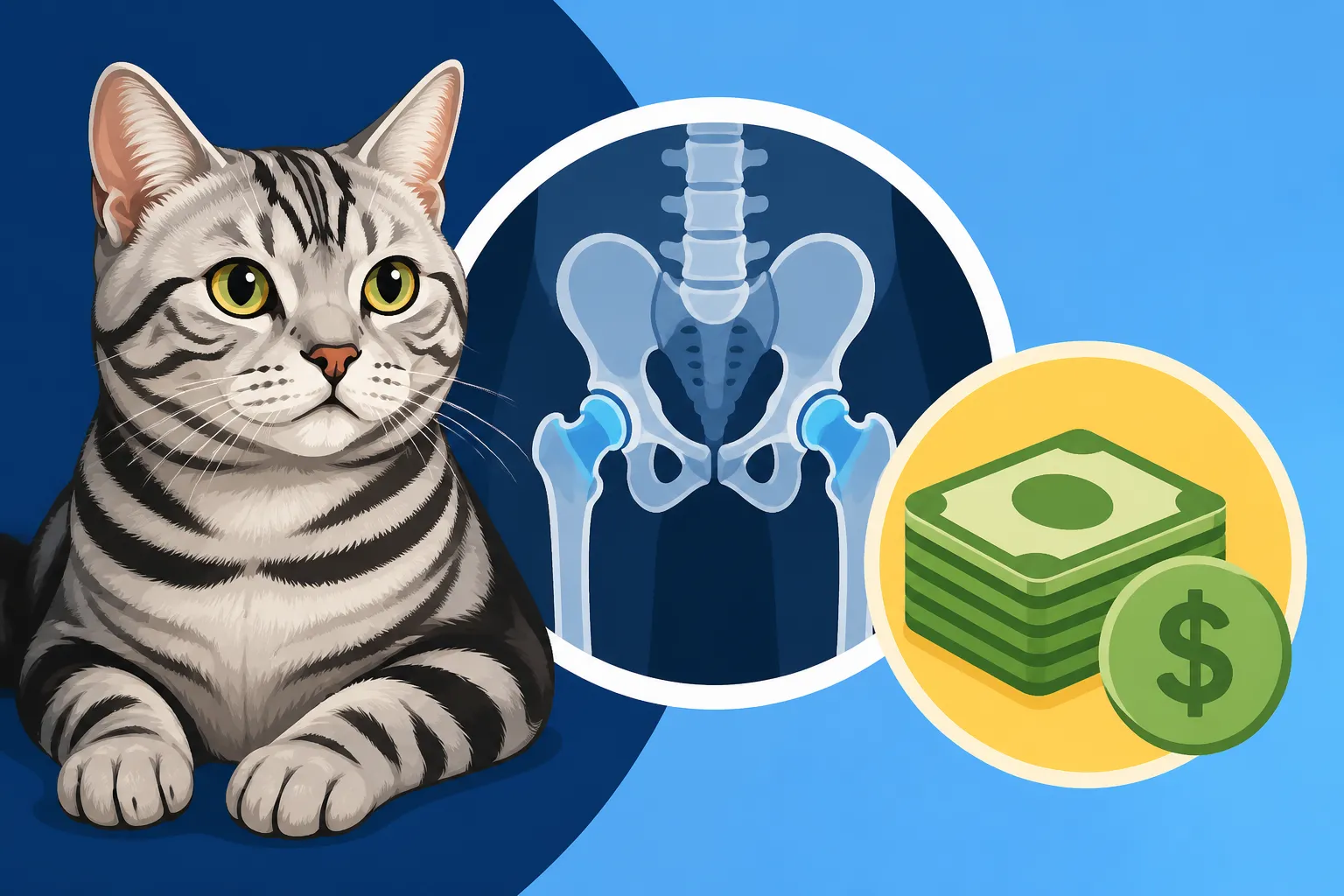
It's incredibly worrying when you notice your beloved American Shorthair isn't quite moving with the same effortless grace they once did, and the thought of medical bills for something as specific as a hip assessment can feel overwhelming. Many of us have been there, wondering not only what’s wrong but also what it’s going to cost to get answers. This guide is here to shed some light on the various expenses associated with getting your American Shorthair's hips properly evaluated, helping you understand the factors at play and how to prepare.
Why a Hip Assessment Might Be Needed for Your American Shorthair
Even though American Shorthairs are generally known for their robust health and sturdy build, they aren't entirely immune to issues, and hip problems can sometimes crop up. It's a frustrating reality when you choose a breed specifically for its perceived hardiness. Recognizing the signs that your cat might need a hip assessment is the first crucial step, but it’s often made harder by their inherently stoic nature. They're not always going to scream and hobble; sometimes, it's just a subtle shift in their routine or demeanor.
Recognizing the Subtle Signs of Hip Discomfort
American Shorthairs, with their history as working cats, are remarkably good at masking pain. This trait, while admirable in a sense, can make detecting discomfort incredibly challenging for their human companions. You might not see a dramatic limp right away. Instead, pay close attention to subtle changes. Perhaps your cat, who once leaped onto the kitchen counter with ease, now pauses, seems to struggle, or avoids jumping altogether. They might start using a stool or a lower piece of furniture as a stepping stone to reach their favorite high perch. Why an American Shorthair Stops Jumping to the Counter delves deeper into these behavioral cues.
Another common sign can be a reluctance to engage in play that involves running or chasing. A cat that used to tear through the house after a wand toy might now prefer to watch from the sidelines or participate less enthusiastically. Grooming habits can also change; if reaching certain areas, like their lower back or hind legs, becomes painful, you might notice their coat looking a bit unkempt in those spots. They might also show stiffness, particularly after resting, or appear less interested in being petted around their hindquarters. Some cats might even start vocalizing more than usual when moving, or conversely, become unusually quiet and withdrawn, signaling discomfort.
Understanding Breed Predispositions
While not as commonly associated with severe hip dysplasia as some larger dog breeds, American Shorthairs, given their muscular, medium-to-large build, can still experience hip issues. Their "square" and substantial frame, while contributing to their charming appearance, can put particular stress on joints over time. Why a Stocky Build Costs an American Shorthair Its Hips explores this aspect of their conformation. These cats were bred for function, for agile movement and effective hunting, but the modern indoor lifestyle combined with their inherent build can sometimes lead to issues.
Factors like genetics, weight management, and activity levels all play a role. If your American Shorthair comes from lines where hip issues have been noted, or if they've struggled with weight (a common problem for indoor cats who retain a hunter's appetite), these can increase the likelihood of needing a hip assessment. An assessment early on, even if it's just a check-up due to mild concern, can be invaluable for long-term management and quality of life. Don't wait until the problem is severe, as early intervention often leads to better outcomes and potentially less costly treatments down the road.
Breaking Down the Costs of a Hip Assessment
When your vet suggests a hip assessment, it’s natural to immediately think about the bill. It's not just one fixed price; rather, it’s a combination of different services, each contributing to the total. Understanding these components can help you prepare financially and know what questions to ask your veterinary team.
Initial Veterinary Consultation and Examination
Every hip assessment begins with a thorough physical examination by your regular veterinarian. This initial visit is crucial for your vet to observe your cat's gait, palpate their hips and legs, and assess their range of motion and pain response. They'll ask you a lot of questions about your cat's behavior at home, any changes you've noticed, and their general health history. This consultation establishes a baseline and helps your vet decide if further diagnostics, like X-rays, are indeed warranted.
The cost of this initial exam will vary depending on your clinic's location and whether it's a routine visit or an emergency. Sometimes, if the signs are clear, your vet might immediately recommend imaging. Other times, they might suggest a course of anti-inflammatory medication first to see if the symptoms improve, indicating less severe discomfort. It’s also during this visit that your vet will discuss potential diagnostic pathways and give you an estimate for the next steps. Don't be shy about asking for these estimates upfront; transparency is key to managing expectations.
Diagnostic Imaging: X-rays and Sedation
The cornerstone of a hip assessment is usually radiographic imaging, or X-rays. For clear, diagnostic X-ray images of a cat's hips, sedation or sometimes even a light anesthetic is almost always required. Cats, unlike dogs, rarely lie still enough in the precise positions needed for proper hip radiographs without it. This sedation allows the veterinary team to safely position your American Shorthair for the best possible views, ensuring that the images accurately show the condition of their hip joints without motion blur or improper alignment. How an American Shorthair's Hips Are Positioned for X Ray is a useful read if you want to understand this part of the process better.
The cost associated with X-rays includes not only the imaging itself but also the medications for sedation, the monitoring during and after sedation, and the professional interpretation of the images by the veterinarian. Sometimes, your vet might recommend sending the X-rays to a board-certified radiologist for a specialist opinion, which will be an additional fee. This expert review can be invaluable, especially if the initial images are ambiguous or if a nuanced diagnosis is required. The number of views taken also influences the cost; typically, multiple angles are needed for a comprehensive assessment.
Potential Additional Diagnostic Tests
While X-rays are usually the main event for a hip assessment, there are situations where your vet might recommend additional tests. This could include blood work to ensure your cat is healthy enough for sedation, especially for older American Shorthairs, or to rule out other underlying health conditions that might be mimicking hip pain. Whether an American Shorthair Needs Pre Anesthetic Bloodwork can give you more insight into why these tests are important.
In some cases, if the X-rays are inconclusive or if your vet suspects a more complex issue, they might refer you to a veterinary orthopedic specialist. A specialist consultation will incur its own fee, but it brings a higher level of expertise and equipment. They might recommend advanced imaging techniques like CT scans or MRI, which provide a much more detailed view of soft tissues, cartilage, and bone structure than X-rays alone. These advanced diagnostics are significantly more expensive than standard X-rays, but they can be critical for precise diagnosis and surgical planning if needed.
Here’s a general overview of the potential cost components:
| Service Component | Description | Key Factors Influencing Cost |
|---|---|---|
| Initial Vet Exam & Consultation | Physical assessment, discussion of symptoms, health history. | Clinic location, vet's experience, time spent. |
| Sedation/Anesthesia | Medications and monitoring required for still, accurate X-rays. | Cat's weight, type of sedative, monitoring equipment. |
| Radiographs (X-rays) | Digital imaging of hip joints from multiple angles. | Number of views, digital vs. film, clinic equipment. |
| X-ray Interpretation | Vet's review of images; sometimes by a specialist radiologist. | Vet's fees, specialist consultation fee (if applicable). |
| Pre-Anesthetic Blood Work | Tests to assess organ function and anesthetic risk. | Age of cat, scope of tests (basic vs. comprehensive). |
| Pain Management & Take-Home Meds | Initial pain relief, anti-inflammatories post-assessment. | Type of medication, dosage, duration. |
| Specialist Referral (if needed) | Consultation with a veterinary orthopedic specialist. | Specialist's fees, location, complexity of case. |
| Advanced Imaging (CT/MRI) | Detailed scans for complex cases or surgical planning. | Specific imaging center, sedation required, scan type. |
Navigating the Assessment Process and Financial Planning
Understanding the potential costs is one thing, but knowing how to navigate the actual assessment process and plan for the financial impact can feel like a whole different challenge. It's about being proactive, asking the right questions, and exploring all your options.
What to Expect During the Assessment
Once your vet recommends X-rays, they'll usually schedule a separate appointment for the procedure. You'll likely be asked to withhold food from your American Shorthair for a period before the appointment, especially if sedation is involved, to prevent nausea and vomiting. When you arrive, your cat will be admitted, and the veterinary team will administer the sedatives. They'll monitor your cat closely throughout the process, just like they would for any procedure requiring sedation.
After the X-rays are taken and your vet or a specialist has reviewed them, you'll receive a diagnosis. This could range from "hips look great!" to mild arthritis, or in more severe cases, hip dysplasia. Your vet will explain the findings, show you the images, and discuss the recommended treatment plan. This plan might include medication, joint supplements, physical therapy, or in very rare and severe instances, surgical options. Which Hip Grade an American Shorthair Should Have can offer more context on what a good or bad hip grade looks like. Don't hesitate to ask for clarification on anything you don't understand. It’s your cat, and you deserve to be fully informed.
Strategies for Managing Hip Assessment Costs
The idea of unexpected vet bills can be daunting, but there are several ways to make managing the costs of a hip assessment more feasible. Planning ahead, even for a healthy cat, is always a smart move.
First, pet insurance can be a lifesaver. Companies like Healthy Paws offer policies that can cover a significant portion of diagnostic tests, specialist visits, and ongoing treatments for conditions like hip dysplasia or arthritis. It’s important to enroll your cat when they are young and healthy, before any pre-existing conditions develop, as most policies won't cover conditions that were present before the policy started. If you have a senior American Shorthair, it’s worth noting that How an American Shorthair Premium Climbs After Twelve discusses how premiums can change with age, but insurance might still be a good option even then.
Secondly, don't be afraid to discuss payment options with your veterinary clinic. Many practices offer payment plans or work with third-party financing companies that allow you to spread out the cost of treatment over time. It never hurts to ask what's available.
Thirdly, preventative care can minimize the need for costly interventions down the line. Maintaining your American Shorthair at a healthy weight is paramount. Obesity puts immense strain on joints, exacerbating any underlying hip issues. Providing a high-quality diet that supports lean muscle mass and ensuring regular, appropriate exercise can go a long way. What Extra Weight Does to an American Shorthair's Working Frame highlights the specific impact of weight on these cats. Joint supplements, when recommended by your vet, can also be a proactive measure to support hip health as your cat ages. When a Stiff American Shorthair Needs Joint Support can help you understand when these might be beneficial.
Lastly, always get a detailed estimate before any major procedure. This allows you to compare costs if you have multiple veterinary options and ensures there are no surprises. It also opens the door for a conversation about what parts of the assessment are absolutely essential versus what might be optional or deferrable. Your vet wants the best for your cat, but they also understand financial constraints and can often work with you to prioritize care.
Post-Assessment Care and Long-Term Management
Getting a diagnosis is just the beginning. The real work, and sometimes the ongoing costs, come with the care and management required after the hip assessment. This is where your commitment to your American Shorthair's long-term comfort and well-being truly shines.
Following Through on Treatment Recommendations
Whether the assessment reveals minor stiffness or a more significant hip condition, adhering to your veterinarian's treatment plan is crucial. This might involve a regimen of anti-inflammatory medications, which can dramatically improve your cat's comfort and mobility. Long-term medication costs can add up, so factor this into your budget. Alongside medication, your vet might recommend specific joint supplements. While some are available over-the-counter, your vet can guide you to reputable brands and formulations that are effective for feline joint health. What Joint Support Costs an American Shorthair Owner can give you an idea of the financial commitment for these.
Beyond medication and supplements, lifestyle adjustments are often key. This includes managing your cat's weight with a carefully controlled diet and encouraging appropriate exercise. Your vet might even recommend physical therapy or hydrotherapy in some cases, which, while beneficial, will also add to the overall expense. The goal is to keep your American Shorthair as comfortable and active as possible, slowing the progression of any degenerative joint disease and maintaining their quality of life for as long as possible.
Environmental Adjustments for Comfort
Making your home more accessible and comfortable for an American Shorthair with hip issues can make a world of difference, often without significant financial outlay. Think about ways to reduce jumping, especially to and from high surfaces. Ramps or pet stairs can be invaluable for accessing beds, sofas, or even windowsills that were once easy leaps. Ensure their litter box has low sides, so they don't have to awkwardly climb in and out, which can be painful for stiff hips.
Provide comfortable, supportive bedding that eases pressure on joints. Orthopedic pet beds, though a small investment, can offer excellent support. Keeping food and water bowls easily accessible, perhaps on the main floor if your cat usually goes up and down stairs, also helps. Consider non-slip mats on slippery floors to give them better traction and prevent falls that could aggravate their condition. These thoughtful adjustments demonstrate your care and can significantly enhance your cat's daily comfort, proving that sometimes the best care isn't always the most expensive.
Disclaimer
This article is for general informational purposes only and does not constitute professional advice. Laws, prices and regulations vary by location and change over time. Consult a qualified professional for guidance on your specific situation.