How Many Registered Kittens an American Shorthair Litter Yields
When you’re eagerly anticipating a litter of American Shorthair kittens, or perhaps you're just curious about the behind-the-scenes of pedigree breeding, it’s natural to wonder how many of those adorable little fluffballs will actually receive official registration papers. It can feel a bit like a mystery, especially with all the nuances of breed standards and ethical breeding practices. This guide is here to shed light on exactly how many kittens in an American Shorthair litter typically qualify for and receive official registration, breaking down the factors that play a role in this important process.
Understanding American Shorthair Litter Sizes and Initial Assessment
Bringing new life into the world, especially a litter of American Shorthair kittens, is an incredible experience for any breeder or owner. Before we even get to registration, there’s the exciting, and sometimes anxious, period of a queen giving birth and those first few weeks of fragile growth. Not every kitten born will necessarily thrive, and reputable breeders pay close attention to the health and development of each tiny individual from day one.
Average Litter Size for the American Shorthair
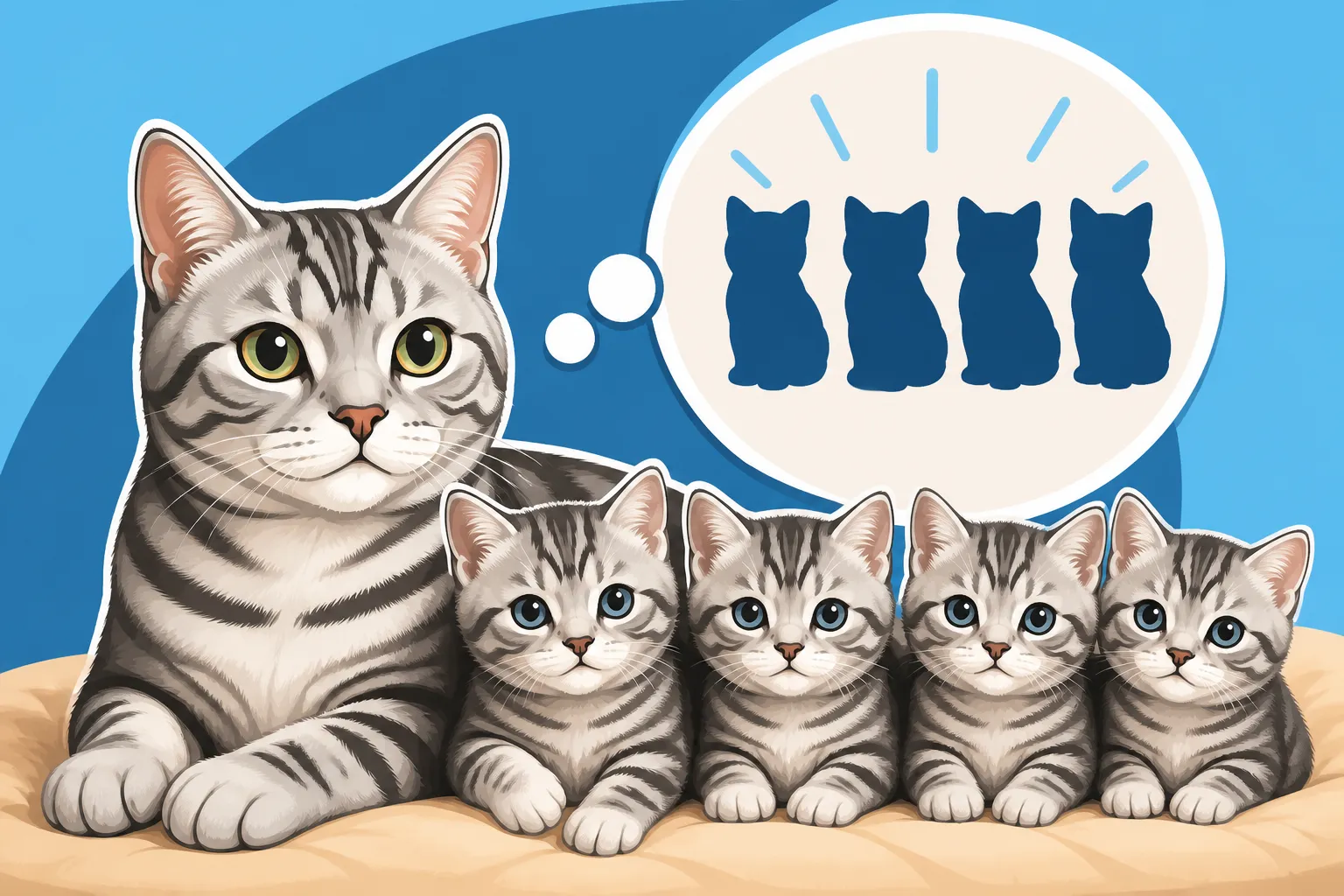
American Shorthairs are generally known for being robust and healthy cats, and their litter sizes tend to reflect this. On average, you can expect an American Shorthair queen to have a litter of anywhere from 4 to 6 kittens. Of course, this is just an average; some queens might have a smaller litter of 2 or 3, while others could surprise you with 7 or even 8 healthy little ones! Factors like the queen's age, her general health, previous litter history, and even the stud cat's fertility can all play a part in determining the exact number.
For a breeder, preparing for a litter means having everything on hand for potential variations in size. Each kitten needs immediate attention, warmth, and monitoring to ensure they get off to the best start possible. It's not just about the numbers, but about the quality of care for every single kitten from the moment they arrive.
Early Health and Conformation Checks in a New Litter
Once the kittens are born, the breeder’s work shifts immediately to vigilant observation. The first few days and weeks are critical. Are all kittens nursing effectively? Are they gaining weight steadily? Are there any visible health concerns, such as cleft palates or obvious congenital issues? A responsible breeder will be meticulously checking for these things, as the health of the kittens is paramount. Sadly, not every kitten born is viable, and breeders sometimes face the heartbreaking reality of losing a kitten in the early days, despite their best efforts.
Beyond basic health, breeders also start to assess the kittens' conformation – how well they "conform" to the breed standard – even at a very young age. While it’s impossible to tell definitively if a kitten will be "show quality" when it's just a few weeks old, breeders can spot major deviations from the standard early on. This might include issues with tail length, paw structure, or certain genetic traits that are already presenting. These initial checks are vital because only healthy kittens that meet the basic physical criteria can ever be considered for registration. You might be surprised to learn that even healthy kittens that don't quite meet the stringent aesthetic requirements for the show ring can still be fully registered as excellent family pets, a topic we dive into in What an American Shorthair Looks Like by the Standard.
The Core Requirements for American Shorthair Registration
So, you have a litter of healthy, thriving American Shorthair kittens. That's a huge hurdle cleared! Now comes the actual process of getting them recognized as official members of the American Shorthair pedigree club. This isn't just a formality; it's how their lineage is preserved, and how buyers can be assured they are indeed getting a purebred cat.
Parentage and Pedigree Verification
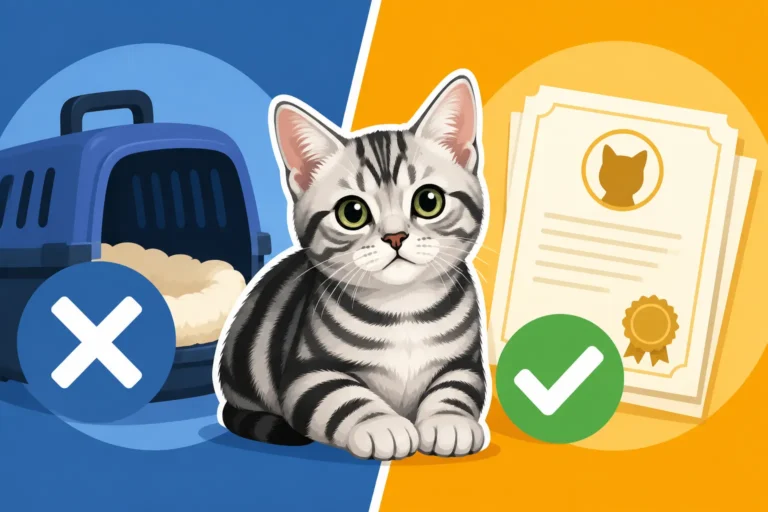
The absolute bedrock of registering an American Shorthair kitten is proving its parentage. This means both the mother (queen) and the father (stud) must themselves be registered American Shorthairs with a recognized cat association, such as the Cat Fanciers' Association (CFA). If either parent isn't registered, then their offspring cannot be registered as purebreds, no matter how much they might look like an American Shorthair. This is why when you're looking for a kitten, asking Whether an American Shorthair Kitten Comes With Papers is so important—those papers are the proof.
The breeder will need to provide documentation to the registry proving who the parents are, often through litter applications that list the registered names and numbers of both the queen and the stud. This tracking ensures the integrity of the breed lines and provides a verifiable history for each kitten. It's a system designed to protect the breed and, by extension, future owners who invest in a purebred American Shorthair.
Adherence to Breed Standards (Even for Pet Quality)
While parentage is key, the kittens themselves must also meet certain criteria, even if they are destined to be beloved family pets rather than show champions. The breed standard, meticulously laid out by organizations like the CFA, describes the ideal American Shorthair. This includes aspects like coat texture, body type, head shape, eye color, and even temperament. A registered American Shorthair, whether it’s a pet or show quality, should generally align with these characteristics.
However, here’s where a common misconception arises: not every kitten in a registered litter will be "show quality." A kitten can have a slight deviation in ear set, a less-than-perfect coat pattern, or a subtle difference in eye shape that means it won’t win ribbons in the show ring, but it is still 100% a purebred American Shorthair. These kittens are typically sold as "pet quality" with a spay/neuter contract, ensuring they go to loving homes and don't contribute to breeding programs if they don't meet the highest standards. The breeder will explain these distinctions clearly, and the kitten will still come with its full registration papers, showing its pedigree. Understanding these subtle differences can help you appreciate Why a CFA Registered American Shorthair Costs More.
The Breeder's Process: From Birth to Registration Certificate
So, you’ve got healthy kittens, and their parents are both fully registered American Shorthairs. Great! Now, what does the breeder actually do to get those little ones officially registered? It’s not an automatic process; there’s a good deal of paperwork, record-keeping, and interaction with the breed registry involved. It highlights the dedication and ethical practices of responsible breeders.
Documentation and Record Keeping by Reputable Breeders
A responsible American Shorthair breeder begins keeping detailed records long before a litter even arrives. This includes registration certificates for both the sire and dam, health clearances (like heart scans for HCM, which is vital for the American Shorthair as discussed in Why an American Shorthair Still Needs a Yearly Heart Scan), breeding dates, and a meticulous log of the queen's pregnancy and delivery. Once the kittens are born, each one is assigned a unique identifier, often a temporary name or number, and its progress is tracked.
The breeder will submit a "litter registration" application to their chosen registry, providing the parents' registered names and numbers, the birth date of the litter, and details about each kitten born. This often includes their sex, color, and pattern. The registry then uses this information to record the litter. After the litter is registered, the individual kittens can be registered to their new owners. This process is how a new owner eventually receives their kitten’s individual registration certificate, proving its lineage. These detailed records are part of Which Health Results an American Shorthair Breeder Must Show and demonstrate the breeder's commitment to transparency and ethical practices.
The Registry's Role: How Organizations Process Applications
Organizations like the Cat Fanciers' Association (CFA) are the gatekeepers of pedigree cat breeding. Their role is to maintain accurate records of every registered cat and litter, ensuring that breed standards are upheld and genetic lines are properly documented. When a breeder submits a litter application, the registry verifies the information against their existing records of the parents. They confirm that the sire and dam are indeed registered and that there are no red flags that would prevent the litter from being recorded.
Once approved, the registry issues a litter certificate or number, and then individual registration paperwork for each kitten. This paperwork allows new owners to transfer ownership into their name with the registry, completing the registration cycle. This entire process ensures that when you adopt a registered American Shorthair, you’re not just getting a cat that looks the part, but one with a verified history. This pedigree is part of what allows services like Healthy Paws pet insurance to understand the background of your feline family member, which can be reassuring.
The Nuance Between Registered, Pet, and Show Kittens
It's common for new American Shorthair enthusiasts to be a little confused by the terms "registered," "pet quality," and "show quality." They're not mutually exclusive, and understanding their relationship is key to appreciating the value of a well-bred American Shorthair, regardless of its future role. Every kitten from a registered litter can be registered, but not every registered kitten is destined for the bright lights of a cat show.
Why Not Every Kitten in a Registered Litter is "Show Quality"
Even in a meticulously planned and bred American Shorthair litter, it's incredibly rare for every single kitten to be considered "show quality." Cat show judges have a very specific and strict interpretation of the breed standard. A kitten might have a beautiful personality and be perfectly healthy, but if its tail is just a tiny bit too short, or its tabby markings aren't as clear as desired, or its head shape is slightly off from the ideal, it might not be deemed suitable for competitive showing.
These subtle variations don't make the kitten any less of an American Shorthair. It simply means it won't excel in the competitive show ring where perfection is the goal. Reputable breeders will be honest about these distinctions. They might identify one or two kittens in a litter with the potential for showing, while the others are designated as "pet quality." This classification doesn't mean they are inferior; it just means they are perfectly suited for a loving home where they can be cherished companions. Many owners find their perfect companion among these pet-quality kittens, and they are still fully registered cats.
The Value of a Registered Pet-Quality American Shorthair
So, if a kitten isn't "show quality," what's the point of registration? The value of a registered pet-quality American Shorthair is immense, and it goes far beyond just winning ribbons. Firstly, registration confirms that your cat is a purebred American Shorthair with a verifiable pedigree, ensuring you know its lineage and that it comes from a line bred to uphold the breed's characteristics. This is a huge differentiator from a "domestic shorthair" that merely resembles the breed, a distinction explained further in How to Tell an American Shorthair From a Domestic Shorthair.
Secondly, purchasing a registered kitten from a reputable breeder often means you are getting a cat from parents who have undergone health screenings. This proactive approach helps to minimize the risk of inherited diseases, giving you a better chance of a long, healthy life with your feline friend. Websites like Chewy offer a wide range of products tailored to the nutritional and health needs of such well-bred cats, reflecting the care owners put into them. A registered cat also typically comes with a health guarantee, giving you peace of mind. Thirdly, breeders who go through the registration process are generally more dedicated to the well-being and genetic health of their lines. They are invested in the future of the breed, not just in selling kittens. This commitment often translates into well-socialized, healthy, and temperamentally sound kittens, making them wonderful additions to any family.
In essence, a registered pet-quality American Shorthair is a cat that embodies the wonderful traits of the breed – its calm demeanor, robust health, and classic good looks – guaranteed by its official papers, even if it won't be gracing the cover of a cat show program.
| Kitten Characteristic | Eligible for Registration? | Typically "Show Quality"? |
|---|---|---|
| Purebred parents, healthy | Yes | Yes (potential) |
| Purebred parents, minor flaw (e.g., ear set, marking) | Yes | No |
| Purebred parents, major flaw (e.g., kinked tail, odd number of toes) | Usually No | No |
| Unregistered parents, healthy | No | No |
| Registered parents, health issue (e.g., HCM positive) | Yes, but breeder should not breed from it | No |
Disclaimer
This article is for general informational purposes only and does not constitute professional advice. Laws, prices and regulations vary by location and change over time. Consult a qualified professional for guidance on your specific situation.