Whether an American Shorthair Kitten Comes Neutered
When you're excitedly anticipating bringing home a sweet American Shorthair kitten, there are so many details swirling around in your head. You’re probably thinking about food, toys, where they’ll sleep, and, of course, their health. One common question that often comes up, especially for first-time purebred owners, is whether that precious little fluffball will arrive already spayed or neutered. The reality for most American Shorthair breeders is that your kitten will typically come to you intact, with the understanding that you, the new owner, will take care of the procedure at the appropriate time. This guide will walk you through why that is and what you can expect.
The Standard Breeder Practice: Why Kittens Aren't Usually Neutered Before Sale
It's a common misconception that all kittens from reputable breeders come pre-neutered, largely because shelter adoptions often involve this practice. However, the world of purebred American Shorthair breeding operates a little differently, with good reasons behind their protocols. Most ethical breeders prioritize the long-term health and development of their kittens, which often means delaying certain procedures.
Age and Anesthesia Risks for Young Kittens
When it comes to surgery, particularly those involving general anesthesia, age and size really do matter. While veterinary medicine has advanced significantly, making anesthesia safer than ever, there's still a general preference among many private veterinary practices to wait until a kitten is a bit older and more developed before performing spay or neuter surgery. Kittens, with their tiny bodies and still-developing systems, are simply more delicate. Their metabolism processes anesthetics differently, and maintaining body temperature during surgery can be a challenge.
Reputable American Shorthair breeders often work closely with their veterinarians to establish protocols that prioritize the kitten's safety. This means waiting until the kitten is generally at least five or six months old, and sometimes even older, before undergoing the procedure. This allows their bodies to mature a bit, making the anesthetic event less risky. While an American Shorthair is generally considered a sturdy breed with Why an American Shorthair Is a Low Anesthetic Risk, applying this to a tiny kitten versus a mature adult is a different conversation for many vets.
Growth and Hormonal Development
Beyond the immediate surgical risks, there's also the consideration of growth and hormonal development. The sex hormones that an intact kitten produces play a role in the closure of growth plates in their bones and the development of their musculature. While the impact of early neutering on bone growth is a more hotly debated topic in some dog breeds, some veterinarians and breeders believe that allowing a kitten to mature a bit with their natural hormones can contribute to a more robust, well-developed adult American Shorthair.
A well-grown American Shorthair is known for its strong, muscular build and square frame. Breeders want to ensure each kitten reaches its full potential, and for many, that means letting nature take its course for the first few months. They want the best for your kitten's physical development, aiming for that classic, sturdy American Shorthair physique.
Legal and Contractual Obligations
This is where the breeder's agreement often comes into play. When you purchase an American Shorthair kitten from a reputable breeder, you'll almost certainly sign a contract. This contract will usually stipulate that the kitten is being sold as a pet, not for breeding, and that you are required to have them spayed or neutered by a specific age. This age is typically between six and twelve months. The breeder usually asks for proof from your veterinarian that the procedure has been completed, sometimes requiring a copy of the surgical certificate or a letter from the vet.
These clauses are in place for a couple of key reasons. Firstly, they protect the integrity of the breed lines. Breeders invest significant time, effort, and resources into carefully planned pairings and health screening to produce healthy, well-tempered American Shorthairs that meet the breed standard. Selling a kitten with a neuter contract prevents unauthorized or irresponsible breeding that could dilute the gene pool or perpetuate undesirable traits. Secondly, it ensures the health and welfare of the individual kitten, as spaying and neutering offer significant health benefits later in life. This is also why understanding What a Contract Restricts on an American Shorthair You Could Have Adopted is so important.
Understanding Early Spay/Neuter Programs
While most American Shorthair breeders prefer to sell kittens intact, it's worth understanding that early spay/neuter is a common and often beneficial practice in other contexts, primarily in animal shelters and some high-volume rescue organizations. This difference often leads to the initial confusion for new owners.
When Early Neutering Does Occur
In environments like animal shelters, kittens are often spayed or neutered as young as eight to ten weeks old, provided they meet certain weight and health criteria. This practice, often called "pediatric spay/neuter," is driven by the critical need for population control and ensuring every animal adopted out cannot contribute to the pet overpopulation crisis. The benefits here are immediate: kittens can be adopted out quickly, and the risk of them leaving the shelter only to produce an accidental litter is eliminated entirely.
While this is standard for many shelter and rescue organizations, it's less common for dedicated purebred American Shorthair breeders who often have fewer animals, more control over their breeding lines, and a different set of priorities regarding early development. Their focus is on the very specific characteristics and health lineage of the American Shorthair breed, which often means adhering to traditional veterinary timelines for elective surgeries.
Breeder Choice vs. Buyer Preference
For a purebred American Shorthair, the decision regarding the timing of spay/neuter largely rests with the breeder, guided by their veterinarian's advice and their breed-specific practices. Buyers don't typically get to request an earlier or later neuter date from the breeder, as the sales contract will already outline the post-purchase expectations. This is a significant distinction from a general shelter adoption, where the surgery is usually a prerequisite for going home.
If you have strong feelings about early versus later neutering, it's essential to discuss this with a potential breeder upfront, before committing to a kitten. Most reputable American Shorthair breeders will be happy to explain their reasoning and their vet's recommendations. They want you to feel comfortable and informed about the care of your new family member.
The Health and Ethical Debate Surrounding Timing
The discussion around the optimal age for spay/neuter is one that veterinarians and animal welfare advocates have engaged in for years, with valid points on both sides. Some studies suggest potential minor risks with early neutering, such as a slightly higher risk of certain orthopedic issues or urinary tract problems, though these findings are often debated and can be breed-specific. For cats, these concerns are generally less pronounced than in large-breed dogs.
Conversely, the benefits of early neutering in terms of population control and preventing problem behaviors like spraying or roaming (especially in males) are widely accepted. For American Shorthairs, allowing a male to remain intact for too long can sometimes lead to more territorial behaviors or a higher risk of injuries if they manage to get outdoors and encounter other intact males. Which Injuries an Outdoor American Shorthair Comes Home With can be quite serious, including abscesses from fighting. Ultimately, the best timing is a conversation you'll have with your own trusted veterinarian once your kitten is settled in their new home.
Your Responsibilities as a New American Shorthair Owner
So, you've brought home your adorable, intact American Shorthair kitten. Now what? Your journey continues with some important responsibilities to ensure their health and to uphold the agreement you made with your breeder. This next phase is crucial for your kitten's well-being and your peace of mind.
The Spay/Neuter Clause in Your Contract
As we touched upon earlier, your purchase contract will be your guide. Most American Shorthair breeders include a legally binding spay/neuter clause. This typically states that you agree to have your kitten altered by a certain age, often between 6 and 12 months, and provide proof of the procedure. Failing to adhere to this clause can sometimes result in penalties or even the forfeiture of your kitten's registration papers. This means your American Shorthair, even if purebred, might not be officially recognized by registries like the CFA without that proof.
It's a really important part of being a responsible American Shorthair owner. Not only are you preventing accidental litters, but you're also taking a significant step in safeguarding your cat's health. Don't let this slip! Schedule the appointment well in advance, and make sure to communicate with your breeder if you have any questions or delays. For some, the paperwork, including Whether an American Shorthair Kitten Comes With Papers, is contingent upon this proof of neuter.
Finding the Right Vet for the Procedure
Choosing the right veterinarian for your American Shorthair's spay or neuter surgery is paramount. This isn't just any check-up; it's a significant surgical procedure. You want a vet and a clinic staff who are experienced with feline anesthesia, pain management, and post-operative care. Don't be shy about asking questions when you're interviewing potential vets:
- What is their protocol for pre-anesthetic bloodwork? (This helps ensure your kitten's organs can handle the anesthesia.)
- What type of anesthesia do they use, and how do they monitor your kitten during the procedure?
- What pain management plan do they have in place for before, during, and after surgery?
- What kind of post-operative instructions and support will you receive?
Your American Shorthair deserves the best care, and a good relationship with a trusted vet is invaluable. For many owners, it's not just about the cost, but the peace of mind that comes from knowing your feline friend is in competent, caring hands.
Planning for the Cost and Recovery
Spay or neuter surgery isn't usually a major expense in the grand scheme of cat ownership, but it's an important one to budget for. The cost can vary quite a bit depending on your location, the specific veterinary clinic, and whether there are any complications (though these are rare for routine procedures). Remember, this cost typically includes the surgery itself, anesthesia, pain medication, and sometimes a follow-up check.
Beyond the financial aspect, you'll need to prepare for your kitten's recovery. This usually involves:
- A quiet recovery space: A warm, comfortable, secluded spot where they can rest without disturbance.
- Monitoring: Keeping a close eye on their incision site for any signs of swelling, redness, or discharge.
- Restricting activity: Limiting jumping and strenuous play for about 7-10 days to allow the incision to heal properly.
- Cones or recovery suits: Many vets will recommend an Elizabethan collar (the "cone of shame") or a recovery suit to prevent your kitten from licking or chewing at their stitches.
Many new owners consider pet insurance for unexpected costs, and it's worth checking out providers like Healthy Paws. While routine spay/neuter is often not covered by basic plans, having insurance can be a huge relief for any unforeseen issues that might arise during recovery or later in your American Shorthair's long life. Also, stocking up on special recovery food or treats from places like Chewy can make the post-op period a little easier on your kitty. A solid plan for What an American Shorthair's Neuter Costs and what follows helps tremendously.
Benefits of Spaying or Neutering Your American Shorthair
While the decision to spay or neuter is sometimes seen as a chore or just a contractual obligation, it truly offers a wealth of benefits for your American Shorthair's health, behavior, and the larger feline community. It's one of the most responsible choices you can make as a pet parent.
Significant Health Advantages
One of the most compelling reasons to spay or neuter is the positive impact on your American Shorthair's long-term health. For females (spaying), it drastically reduces the risk of mammary cancer, especially if done before their first heat cycle. It also completely eliminates the risk of uterine infections (pyometra) and uterine or ovarian tumors, which can be life-threatening and require emergency surgery.
For males (neutering), it prevents testicular cancer entirely and significantly lowers the risk of certain prostate problems later in life. Intact males are also more prone to injuries and infections from fighting with other cats, particularly abscesses, which can be painful and costly to treat. Early neutering avoids these potential health pitfalls, contributing to a longer, healthier life for your robust American Shorthair.
Behavioral Improvements for a Calmer Home
Many of the behaviors we associate with "difficult" cats are actually driven by intact hormones. Neutering can make a world of difference in your home environment.
For males:
- Reduced roaming: Intact male cats have an incredibly strong drive to seek out mates, leading them to try and escape the house. Neutering dramatically reduces this urge, making them much less likely to bolt out the door.
- Decreased spraying and marking: Unneutered male cats are notorious for marking their territory with strong-smelling urine, both indoors and out. Neutering usually eliminates or significantly reduces this undesirable behavior, making for a much fresher home.
- Less aggression: Intact males can be more aggressive towards other cats, and sometimes even people, due to hormonal urges. Neutering can lead to a calmer, more even-tempered cat. How an Abscess Forms After an American Shorthair's Cat Fight is a stark reminder of the risks of not neutering.
For females:
- No heat cycles: Spaying eliminates heat cycles, which can be noisy, messy, and stressful for both the cat and owner. During heat, females will often vocalize loudly, seek attention, and actively try to escape to find a mate.
- Reduced escape attempts: Like males, intact females in heat will go to great lengths to find a mate, increasing their risk of getting lost or injured outdoors.
Overall, spaying or neutering helps your American Shorthair become a more contented, well-adjusted member of your family. It lessens their hormonal anxieties and allows their personality to shine through without the constant pull of mating instincts. This is also why Why an American Shorthair Suits a First Time Owner is so true, as an altered cat is often much easier to manage.
Contributing to Population Control
While a purebred American Shorthair kitten from a responsible breeder isn't part of the pet overpopulation problem, the act of spaying or neutering still plays a crucial role in the bigger picture. Every intact cat has the potential to produce unwanted litters, and sadly, countless cats and kittens end up in shelters every year because there aren't enough homes. By neutering your American Shorthair, you are actively participating in the solution, preventing any accidental contributions to this cycle.
Even if you meticulously keep your cat indoors, accidents can happen. A quick dash out the door, a torn screen, or an unmonitored moment can lead to an unexpected pregnancy. Spaying and neutering remove this risk entirely, giving you peace of mind and helping to reduce the burden on animal shelters and rescue organizations. This is a commitment not just to your cat, but to the welfare of all felines.
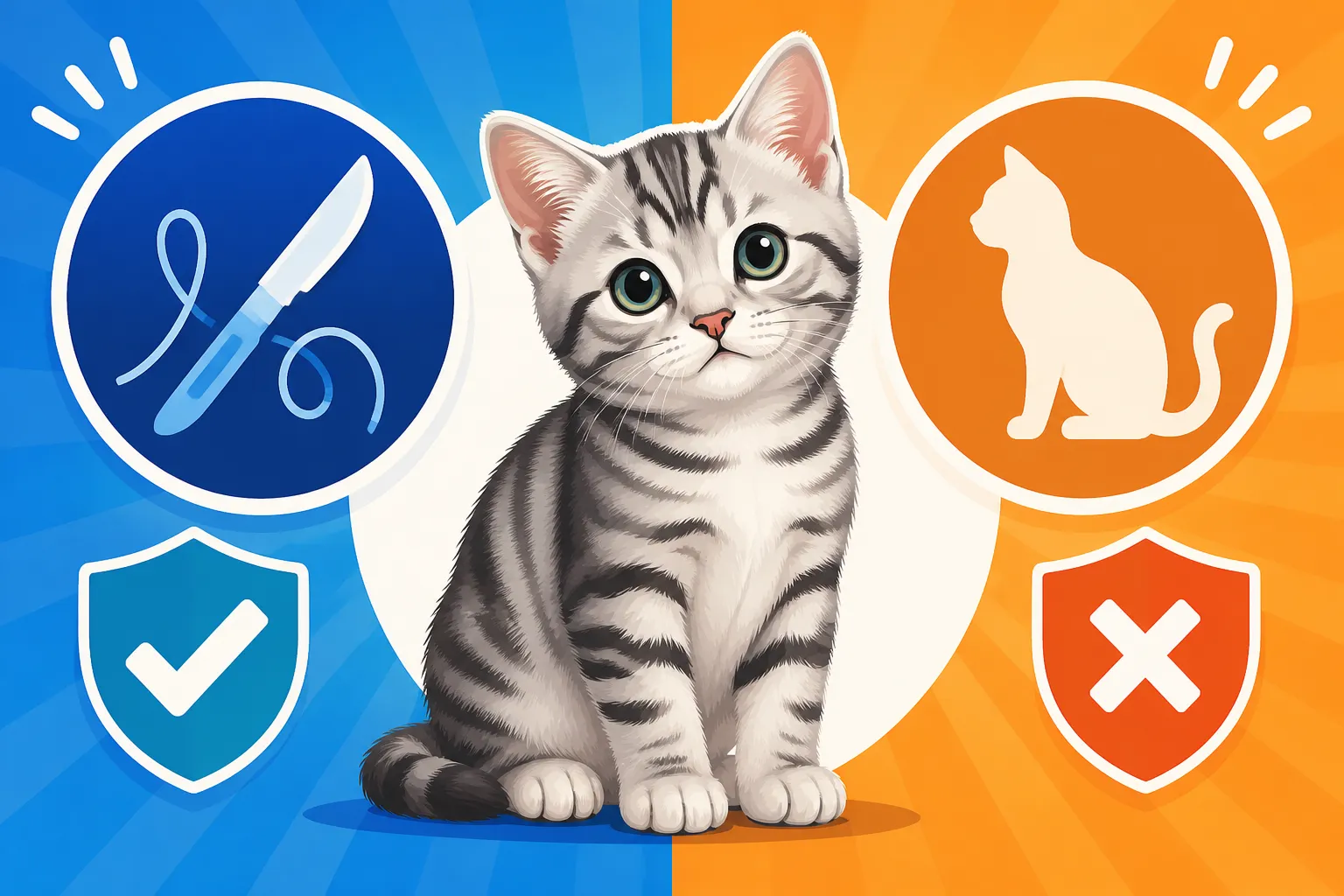
Here's a quick look at the typical approaches to neutering kittens:
| Aspect | Reputable American Shorthair Breeder Practice | Animal Shelter/Rescue Practice |
|---|---|---|
| Timing of Surgery | Kitten leaves breeder intact; neutering by new owner at 6-12 months | Kitten is neutered before adoption, often 8-12 weeks old |
| Reason for Timing | Prioritizes kitten's growth, development, and minimizes early anesthesia risks | Focus on population control, health benefits, and immediate adoption readiness |
| Who Performs Surgery | Your chosen private veterinarian | Shelter/rescue veterinarian or contracted clinic |
| Cost Responsibility | New owner covers the full cost | Included in adoption fee |
| Contractual Obligation | Explicit clause requiring neuter and proof of procedure | Already completed before adoption |
| Main Goal | Health & breed integrity, responsible pet ownership | Population control, quick adoption, health benefits |
While it might seem like an extra step compared to adopting from a shelter, the process of getting your American Shorthair kitten neutered is a vital part of responsible pet ownership. It’s an investment in their long-term health, happiness, and the overall well-being of the feline community. You’re not just getting a pet; you're committing to their full lifecycle of care.
Disclaimer
This article is for general informational purposes only and does not constitute professional advice. Laws, prices and regulations vary by location and change over time. Consult a qualified professional for guidance on your specific situation.