Which Prescription Diet an American Shorthair Ends Up On
It can be incredibly disheartening when your beloved American Shorthair, known for its robust health and easy-going nature, suddenly faces a health challenge that requires a special diet. You might feel overwhelmed by the sheer number of prescription foods available, wondering which one is truly the best fit for your cat's unique needs. This comprehensive guide will walk you through the world of prescription diets for American Shorthairs, explaining why they become necessary, how to choose the right one with your vet, and how to successfully transition your feline friend.
Understanding Why Your American Shorthair Needs a Prescription Diet
Even though American Shorthairs are celebrated for their generally sturdy constitution and longevity—often living 15 to 20 years with proper care—they aren't immune to health issues that might necessitate a change in their dinner bowl. Sometimes, these issues can creep up slowly, and because American Shorthairs are often so stoic, you might not notice a problem until it's quite advanced. This is why paying close attention to their habits and working closely with your veterinarian is so crucial.
Common Health Issues Requiring Dietary Intervention
Many conditions can lead a vet to recommend a specific prescription diet for your American Shorthair. These diets aren't just fancy versions of regular cat food; they are carefully formulated therapeutic tools designed to manage, alleviate, or even resolve certain medical conditions.
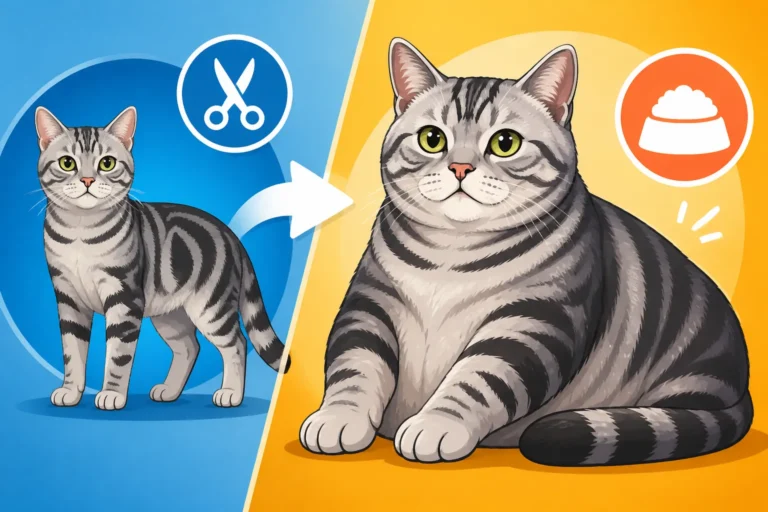
One of the most frequent culprits is obesity. Our American Shorthairs, having evolved from working cats that once spent their days actively hunting rodents, now often lead much more sedentary indoor lives. This shift means their calorie needs are drastically different from their ancestors who were constantly on patrol. It's easy for them to put on extra pounds, especially once they've been spayed or neutered, which further reduces their metabolic rate. A thick-set, muscular American Shorthair can easily look "chunky" without actually being overweight, making it harder for owners to spot the true issue. However, excess weight can lead to a cascade of other health problems, including joint issues, diabetes, and even heart strain. If you're noticing your cat is slowing down, or struggling to jump to their favorite perch, it might be an early sign they need a closer look, especially at their weight. You can read more about how their earlier roles impacted their build in articles like Why the American Shorthair Was Called Domestic Shorthair Until 1966.
Then there's diabetes mellitus, a condition often linked to obesity. When a cat's body struggles to regulate blood sugar, a special diet becomes paramount. These diets aim to stabilize glucose levels, sometimes even allowing cats to go into diabetic remission, especially if caught early. The signs might be subtle at first: increased thirst and urination, or perhaps an unexpected weight loss despite a good appetite. These are red flags that warrant immediate veterinary attention.
Kidney disease is another common concern, particularly as American Shorthairs age. The kidneys play a vital role in filtering waste from the blood. When they start to fail, toxins build up, making the cat feel unwell. A prescription kidney diet is designed with lower protein (but high quality) and phosphorus levels to reduce the workload on the kidneys and slow the progression of the disease. It's a condition that can creep up quietly, often only detected through routine bloodwork as your cat gets older, highlighting the importance of yearly vet checks.
Urinary tract issues, such as Feline Lower Urinary Tract Disease (FLUTD) or bladder stones, are also common, particularly in male American Shorthairs. These conditions can cause painful urination, frequent trips to the litter box, or even blockages, which are life-threatening emergencies. Special urinary diets work by altering the pH of the urine and controlling mineral levels to dissolve existing stones or prevent new ones from forming. If your American Shorthair tom blocks, you'll know it's a serious situation, often requiring emergency intervention and a subsequent dietary change to prevent recurrence.
Finally, some American Shorthairs can develop gastrointestinal sensitivities or food allergies. This might manifest as chronic vomiting, diarrhea, or even skin issues. Hypoallergenic or highly digestible diets are formulated to reduce inflammation in the gut and provide nutrients in an easily absorbed form, giving their digestive system a much-needed break. It's a frustrating journey for owners to pinpoint the exact trigger, but a therapeutic diet can often provide significant relief.
The Role of a Veterinarian in Diagnosis and Recommendation
It cannot be stressed enough: prescription diets are medical treatments, not just different flavors of cat food you can pick up at the pet store. They require a diagnosis and recommendation from your veterinarian. Think of it like a doctor prescribing medication – you wouldn't self-prescribe, and the same goes for these specialized foods.
The process usually begins with a thorough examination and a series of diagnostic tests. For suspected kidney disease, this might involve blood tests to check kidney values like BUN and creatinine, and urinalysis. For diabetes, blood glucose curves and fructosamine levels are key. If obesity is the concern, your vet will assess your cat's body condition score, not just their weight, to determine the ideal healthy weight for their frame. You can learn more about how vets assess body condition in articles such as How to Spot Weight Gain on a Square Built American Shorthair. In cases of urinary issues, X-rays or ultrasound might be necessary to identify bladder stones, along with urinalysis to check for infection or crystal formation.
Once a diagnosis is made, your vet will recommend a specific prescription diet tailored to your American Shorthair's condition. They will explain why this particular diet is suitable, what nutritional goals it aims to achieve, and how long your cat might need to be on it. In some cases, like a temporary gastrointestinal upset, it might be for a short period. For chronic conditions like kidney disease or diabetes, it could be for the rest of their lives. Your vet is also your best resource for monitoring progress and making adjustments, so regular follow-up appointments are vital.
Navigating the World of Prescription Diets for American Shorthairs
The aisle of prescription pet food can look intimidating, filled with different brands and formulas, each promising specific benefits. Understanding the categories and what they're designed for can help you feel more confident in your vet's recommendation. Brands like Hill's Science Diet, Royal Canin, and Purina Pro Plan Veterinary Diets are common names you'll encounter, each offering a range of therapeutic options.
Key Categories of Prescription Diets and Their Purposes
Prescription diets are broadly categorized by the specific health conditions they are designed to manage. Each category has a unique nutritional profile to support recovery or long-term management.
For weight management, diets like Hill's Prescription Diet Metabolic or Royal Canin Satiety Support are often recommended. These formulas are typically lower in calories but high in fiber and protein. The increased fiber helps your American Shorthair feel full and satisfied, curbing hunger between meals, which is essential for a cat that once worked for its food and might still possess a strong appetite. The higher protein helps maintain lean muscle mass while they shed fat. This is particularly important for American Shorthairs with their naturally muscular build, preventing them from losing muscle alongside fat. Learning how few calories an indoor American Shorthair burns can put their dietary needs into perspective.
When it comes to diabetes management, diets like Purina Pro Plan Veterinary Diets DM (Diabetes Management) or Royal Canin Glycobalance are frequently prescribed. These diets are typically high in protein and low in carbohydrates. This macronutrient balance helps stabilize blood glucose levels by minimizing the post-meal sugar spike. For an American Shorthair with diabetes, switching to such a diet is a cornerstone of their treatment plan, often working in conjunction with insulin therapy.
For American Shorthairs with kidney disease, options like Royal Canin Renal Support or Hill's Prescription Diet k/d are the go-to. As mentioned, these diets are formulated with restricted, but high-quality, protein to reduce the amount of waste products the kidneys have to filter. They also have controlled phosphorus levels, which is crucial because phosphorus can accumulate in the blood as kidney function declines, worsening the condition. Additionally, they often contain added omega-3 fatty acids and antioxidants to support kidney health. Understanding How Kidney Disease Creeps Up on an Old American Shorthair can help you recognize the subtle signs.
If your American Shorthair is battling urinary issues, your vet might recommend a diet like Hill's Prescription Diet c/d Multicare or Royal Canin Urinary SO. These diets manipulate urine pH to dissolve struvite stones and prevent the formation of both struvite and calcium oxalate crystals. They also often increase water intake, which helps dilute the urine, making it less concentrated and less likely to form crystals. Some formulas also contain ingredients to reduce stress, a known factor in feline idiopathic cystitis. For male American Shorthairs, especially, these diets are critical to prevent life-threatening blockages.
Lastly, for gastrointestinal issues or food sensitivities, your vet might suggest Hill's Prescription Diet z/d (for allergies) or Royal Canin Gastrointestinal Low Fat. Hypoallergenic diets use hydrolyzed proteins, which are broken down into such small pieces that the immune system doesn't recognize them as allergens. Highly digestible diets focus on easily absorbed ingredients and often contain prebiotics and probiotics to support gut health, helping to soothe an inflamed digestive tract and ensure proper nutrient absorption.
Specific Ingredients and Nutritional Profiles to Look For
Beyond the general categories, it's helpful to understand what specific ingredients and nutritional profiles make these diets effective for your American Shorthair.
For obesity diets, look for a high protein content (often 35-45% on a dry matter basis) to maintain muscle and promote satiety. Fiber content will also be significantly higher than regular foods, often from sources like powdered cellulose or psyllium husk, which adds bulk without calories. L-carnitine is a common additive, as it helps with fat metabolism.
Diabetic diets prioritize protein (often 40-50% dry matter basis) and keep carbohydrates very low (typically below 15-20%). This mimics the natural diet of a feline, which thrives on protein and fat, not high carbs. These diets often avoid ingredients like corn, wheat, and soy, which can contribute to blood sugar spikes.
In renal diets, the protein is restricted (around 28-32% dry matter basis) but must be of very high quality to meet your cat's essential amino acid needs without producing excess waste. Phosphorus levels are carefully controlled and significantly lower than maintenance diets. Sodium might also be reduced to help manage blood pressure, as hypertension often accompanies kidney disease. These diets are also often calorie-dense to encourage intake in cats with poor appetites.
For urinary diets, the key is mineral balance, particularly magnesium and phosphorus, to prevent crystal formation. They also often contain ingredients to acidify (e.g., DL-methionine) or alkalinize the urine, depending on the type of crystals being targeted. Increased moisture content (especially in wet food formulas) is always beneficial for urinary health, as it promotes dilute urine.
When dealing with food allergies or sensitivities, hydrolyzed protein diets are the gold standard. The protein source (often chicken or soy) is broken down to a molecular level, preventing the immune system from reacting. Alternatively, novel protein diets might use a protein source your cat has never been exposed to before, like duck or venison, to avoid known allergens. Both types are often highly digestible and contain specific fatty acids to support skin and coat health, as allergies can often manifest dermatologically.
Always remember that these diets are formulated by veterinary nutritionists based on extensive research. It's not about simply choosing "low fat" or "high protein" off the shelf; it's about the precise balance of nutrients and specific ingredients working synergistically to address a complex medical issue.
| Diet Category | Primary Purpose | Key Nutritional Features | Common Ingredients/Additives |
|---|---|---|---|
| Weight Management | Promote healthy weight loss, maintain muscle mass | Low calorie, high fiber, high protein | Powdered cellulose, L-carnitine, lean protein sources |
| Diabetes Management | Stabilize blood glucose, support insulin sensitivity | High protein, very low carbohydrate | Animal protein (chicken, turkey), minimal grains/starches |
| Renal Support | Reduce kidney workload, slow disease progression | Restricted high-quality protein, controlled phosphorus, low sodium | Egg, specific amino acids, omega-3 fatty acids, antioxidants |
| Urinary Health | Dissolve/prevent bladder stones, maintain urinary pH | Controlled minerals (Mg, P), urine acidifiers/alkalinizers | DL-methionine, cranberry extract, increased moisture |
| Gastrointestinal | Improve digestion, reduce inflammation, manage allergies | Highly digestible, hydrolyzed protein/novel protein, prebiotics | Hydrolyzed soy/chicken, duck, venison, FOS, MOS, omega-3s |
Transitioning Your American Shorthair to a New Prescription Food
Getting your American Shorthair to accept a new food, especially a prescription one, can sometimes feel like a monumental task. They are creatures of habit and can be quite particular about what they eat. Rushing the process can lead to digestive upset or, worse, a complete refusal to eat, which is dangerous for cats.
The Importance of a Gradual Introduction
A slow, gradual transition is absolutely critical when introducing any new food, but especially a therapeutic diet. Switching too quickly can cause gastrointestinal distress like vomiting or diarrhea, making your cat associate the new food with feeling unwell, which will only make future attempts harder.
The general rule of thumb is to introduce the new food over a period of 7 to 10 days, gradually increasing the proportion of the new diet while decreasing the old one. Here's a typical schedule, but always listen to your cat and extend the process if they are particularly sensitive or picky:
- Days 1-2: 75% old food, 25% new food. Mix them thoroughly in the same bowl.
- Days 3-4: 50% old food, 50% new food.
- Days 5-6: 25% old food, 75% new food.
- Days 7-10: 100% new food.
Some cats, being the finicky individuals they are, might need an even longer transition, perhaps two weeks or more. Watch your American Shorthair for any signs of digestive upset (vomiting, diarrhea, constipation) or refusal to eat. If you notice any issues, slow down the transition. Go back to the previous ratio for a few extra days until their system adjusts before attempting to increase the new food again. Remember that your American Shorthair is a very self-reliant cat, and they might quietly resent this change to their routine, so patience is key.
Overcoming Picky Eating and Ensuring Compliance
American Shorthairs are known for their strong hunting instincts, even if they no longer hunt for their meals. This instinct can sometimes translate into pickiness when it comes to novel foods. If your American Shorthair is turning up their nose at the new prescription diet, don't despair! There are several tricks you can try, but always consult your vet before adding anything to the prescription diet, as it could alter the nutritional balance.
One common strategy is to warm wet food gently to body temperature (around 95-100°F or 35-38°C). The warmth enhances the aroma, making it more appealing to your cat. You can do this in the microwave (stir well to avoid hot spots) or by placing the covered bowl in a larger bowl of warm water for a few minutes.
You can also try adding a small amount of warm water or low-sodium chicken or beef broth (make sure it's onion and garlic-free) to either wet or dry kibble. This can soften the texture and also enhance the smell, making it more palatable. Some cats prefer a gravy-like consistency, while others prefer softened kibble. Experiment to see what your American Shorthair likes.
For particularly stubborn eaters, your vet might suggest a palatability enhancer specifically designed for prescription diets. These are often flavorings that can be sprinkled on the food. However, these must be used cautiously and only with veterinary approval, as they can sometimes contain ingredients that might be counterproductive to the diet's purpose (e.g., high sodium in a renal diet).
Consistency is key. Offer the new food at consistent meal times and remove any uneaten food after about 20-30 minutes. This prevents free-feeding, which can lead to overeating and can make a picky cat even pickier, knowing that food is always available. If your American Shorthair truly refuses to eat for more than 24 hours, contact your vet immediately. Cats can develop serious liver problems (hepatic lipidosis) if they go too long without eating, especially if they are already ill or overweight.
Finally, ensure your American Shorthair has a quiet, safe place to eat, away from other pets or household disturbances. A calm environment can make a big difference, especially for a cat that values its personal space and patrol route.
Long-Term Management and Monitoring
Switching to a prescription diet is often just the beginning of managing a chronic health condition for your American Shorthair. Long-term success hinges on ongoing veterinary care and a holistic approach to their well-being. This is where dedication and vigilance truly pay off in supporting your cat's health for years to come.
Regular Vet Check-ups and Adjustments
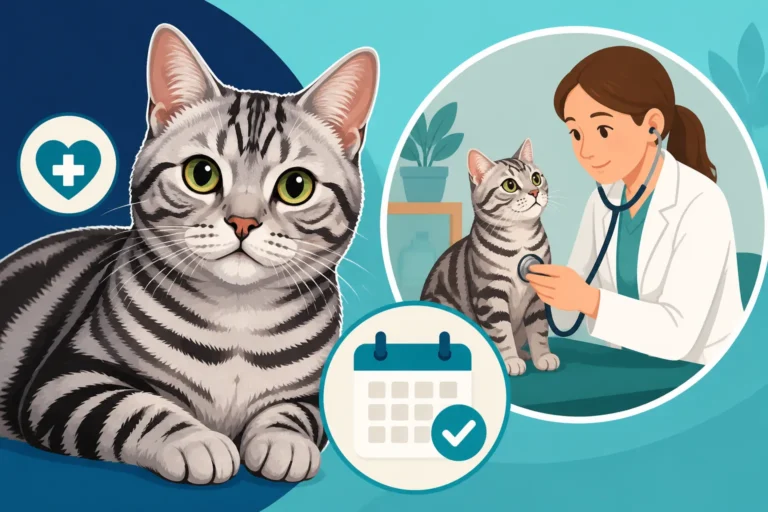
Once your American Shorthair is on a prescription diet, regular veterinary check-ups become even more crucial. These appointments allow your vet to monitor your cat's response to the diet, assess the progression (or improvement) of their underlying condition, and make any necessary adjustments.
For example, if your American Shorthair is on a weight management diet, your vet will regularly weigh them and assess their body condition score to ensure they're losing weight at a healthy rate. If they're losing too quickly, which can be dangerous, or not quickly enough, the caloric intake might need to be tweaked. Similarly, diabetic cats will need frequent blood glucose checks, and their diet might be adjusted in conjunction with their insulin dosage. Knowing how many months an American Shorthair's weight plan runs helps set realistic expectations.
Cats with kidney disease will require routine blood and urine tests to track kidney values and phosphorus levels. Over time, their dietary needs might change, and your vet might recommend a different formula within the renal diet range (e.g., moving from a less restrictive early-stage kidney diet to a more restrictive advanced-stage diet). Your vet will also be on the lookout for other age-related issues, as caring for an American Shorthair past twelve often means addressing multiple health concerns simultaneously.
These follow-up visits are also your opportunity to discuss any concerns you might have, from changes in appetite to behavioral shifts. Your vet can provide guidance and reassurance, ensuring you feel confident in your cat's care plan. Having pet insurance like Healthy Paws can also be incredibly helpful in covering the costs of these ongoing vet visits, diagnostics, and the prescription food itself, alleviating some of the financial burden associated with chronic conditions.
The Impact of Lifestyle and Environment on Dietary Needs
Diet isn't the only factor in managing your American Shorthair's health. Their overall lifestyle and environment play a significant role in the success of any prescription diet.
For cats on a weight management diet, increasing their activity level is just as important as reducing calories. Encourage play sessions with wand toys that mimic hunting prey, ensuring they get to complete the "hunt" with a satisfying catch. Puzzle feeders can also be fantastic for making your American Shorthair "work" for their food, burning calories and engaging their natural instincts. This also helps with enrichment, as an indoor American Shorthair needs to do something with a mouser's instinct. Consider setting up vertical spaces like cat trees or shelves to encourage climbing and exploration.
For cats with stress-related urinary issues, environmental enrichment and stress reduction are paramount. This means providing multiple clean litter boxes in quiet, accessible locations, offering plenty of scratching posts, and ensuring they have safe hiding spots. Maintaining a predictable routine can also help reduce anxiety.
Even for conditions like kidney disease or diabetes, a stress-free environment and a consistent routine can help your American Shorthair feel more secure and less likely to experience exacerbations of their condition. Fresh, clean water should always be available in multiple locations, as hydration is vital for many conditions, especially kidney and urinary issues. A water fountain can sometimes encourage increased water intake for a cat who might otherwise ignore a still bowl.
Ultimately, managing a chronic health condition with a prescription diet is a partnership between you, your American Shorthair, and your veterinary team. By understanding the diet's purpose, transitioning carefully, and providing ongoing support, you can help your American Shorthair live a long, comfortable, and happy life, despite their health challenges.
Disclaimer
This article is for general informational purposes only and does not constitute professional advice. Laws, prices and regulations vary by location and change over time. Consult a qualified professional for guidance on your specific situation.