Which Drugs Slow an American Shorthair’s Heart Disease
Discovering that your beloved American Shorthair has a heart condition can feel like a punch to the gut. The thought of their health declining is terrifying, and you're left wondering what can possibly be done to keep them comfortable and with you for as long as possible. This guide aims to shed light on the medications veterinarians commonly use to manage and slow the progression of heart disease in American Shorthairs, offering you a clearer picture of their treatment journey.
Understanding Heart Disease in American Shorthairs
It’s a tough reality to face, but heart disease, particularly hypertrophic cardiomyopathy (HCM), is a significant concern for many cat owners, including those of the sturdy and typically robust American Shorthair. This isn't a condition that suddenly appears overnight; it often develops silently, making early detection incredibly vital for managing its progression. Knowing what you're up against is the first step in advocating for your cat's health.
The Silent Threat of Hypertrophic Cardiomyopathy HCM
Hypertrophic Cardiomyopathy, or HCM, is the most common heart disease in cats, and unfortunately, it's a condition that American Shorthairs can be predisposed to. Unlike some other breeds that have been heavily bred for extreme traits, the American Shorthair is often considered a picture of natural health. However, as many breeders and owners can attest, HCM Is the One Inherited Disease the American Shorthair Kept. This condition causes the muscular walls of a cat's heart, specifically the left ventricle, to thicken abnormally. This thickening makes the heart muscle stiff, reducing its ability to pump blood effectively and relax properly between beats.
The insidious nature of HCM is that it often progresses quietly, without obvious symptoms until it's quite advanced. Your cat might seem perfectly normal, eating, playing, and cuddling just as always, while significant changes are happening within their heart. This silent progression is one of the biggest frustrations for owners and veterinarians alike, as outward signs might not appear until the cat is in a more critical state, such as developing congestive heart failure or arterial thromboembolism, more commonly known as a "saddle thrombus." The history of the breed's development, focused on utility rather than extreme aesthetics, makes the persistence of HCM a particular puzzle, leading many to wonder Why HCM Survived in the American Shorthair.
Early Detection and Diagnosis
Given the silent nature of HCM, regular veterinary check-ups are absolutely non-negotiable for American Shorthairs, even if they appear perfectly healthy. These routine visits are your first line of defense. During an annual exam, your veterinarian will listen to your cat's heart for murmurs or abnormal rhythms, which can be early indicators of heart issues. However, it's crucial to understand that not all cats with HCM have a murmur, and not all murmurs indicate serious heart disease. This is why more advanced diagnostics are often recommended.
The gold standard for diagnosing HCM and assessing its severity is an echocardiogram – a specialized ultrasound of the heart. This non-invasive procedure allows a veterinary cardiologist to visualize the heart's structure and function in real-time, measuring the thickness of the heart walls, the size of the chambers, and the efficiency of blood flow. It's truly eye-opening to see the images and understand what's happening inside. This is Why an American Shorthair Still Needs a Yearly Heart Scan, especially as they age or if a murmur is detected. A board-certified cardiologist can then provide a detailed assessment of How a Cardiologist Reads an American Shorthair's Scan, determining the stage of the disease and guiding treatment decisions. Early diagnosis, before clinical signs develop, offers the best chance to intervene and potentially slow the progression of the disease.
Key Medications for Managing American Shorthair Heart Disease
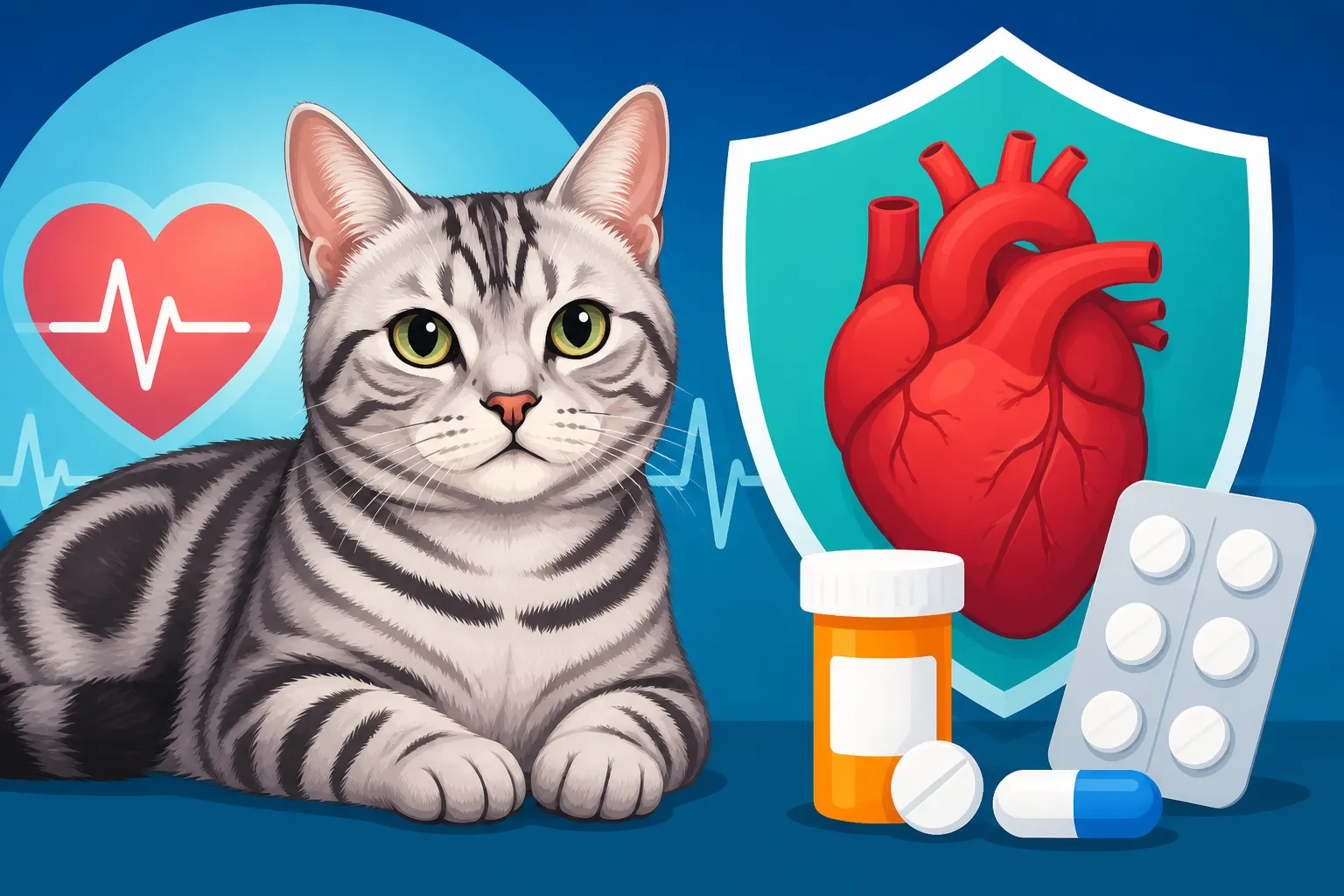
Once heart disease, particularly HCM, has been diagnosed in your American Shorthair, your veterinarian or cardiologist will develop a treatment plan. The goal of these medications isn't to cure the disease, as there is currently no cure for HCM. Instead, the focus is on managing symptoms, improving heart function, preventing complications, and ultimately, slowing the progression of the disease to enhance your cat's quality of life and longevity. It’s about providing support to a heart that’s working harder than it should be.
Beta-Blockers
Beta-blockers are a class of drugs that are often among the first prescribed for cats with HCM, particularly in the earlier stages when the heart muscle is thickening but significant heart failure hasn't yet occurred. Medications like atenolol or propranolol work by blocking the effects of adrenaline on the heart. This has a few key benefits for an American Shorthair with HCM. First, they help to slow the heart rate, giving the thickened heart muscle more time to fill with blood between beats. This is important because a faster heart rate means less filling time, which reduces the amount of blood pumped out to the body.
Second, beta-blockers help the heart muscle relax more effectively. The stiffness caused by HCM makes relaxation difficult, so improving this can reduce pressure within the heart chambers. Third, these drugs can help to reduce the dynamic outflow tract obstruction that sometimes occurs in HCM, where the thickened muscle partially blocks the outflow of blood from the left ventricle. By addressing these issues, beta-blockers aim to reduce the heart's workload, decrease oxygen demand, and potentially mitigate further thickening of the heart muscle, offering a critical measure in slowing disease progression and making your American Shorthair feel more comfortable and less stressed.
ACE Inhibitors
Angiotensin-converting enzyme (ACE) inhibitors are another cornerstone of heart disease management in cats. Common examples include benazepril or enalapril. These medications work by interrupting a complex hormonal system in the body called the Renin-Angiotensin-Aldosterone System (RAAS). When the heart isn't pumping blood efficiently, the body can mistakenly activate this system, leading to the constriction of blood vessels, increased fluid retention, and even further remodeling or damage to the heart muscle. Essentially, the body tries to compensate for perceived low blood pressure, but these compensatory mechanisms can actually worsen heart failure in the long run.
ACE inhibitors help by dilating blood vessels, which reduces the resistance the heart has to pump against. This makes it easier for the heart to push blood out to the body. They also help reduce fluid retention by affecting kidney function, which can be crucial in preventing or managing congestive heart failure symptoms like fluid in the lungs. By mitigating these detrimental effects, ACE inhibitors play a vital role in protecting the heart, reducing its workload, and ultimately contributing to slowing the progression of heart disease in your American Shorthair.
Diuretics
When heart disease progresses to the point of congestive heart failure, fluid starts to build up in the body. This often manifests as fluid in the lungs (pulmonary edema), which can lead to coughing, labored breathing, or even acute respiratory distress. This is where diuretics, such as furosemide, become incredibly important. These medications work by increasing the production of urine, helping the body to shed excess fluid.
For an American Shorthair experiencing congestive heart failure, diuretics can provide rapid relief by removing the fluid that is making it difficult to breathe. They are often a critical intervention in an emergency situation where a cat is struggling with acute heart failure, and then continued as part of a long-term management plan to keep fluid accumulation at bay. While diuretics don't directly treat the underlying heart muscle thickening, they are indispensable for managing the life-threatening symptoms associated with advanced heart disease, making them crucial for maintaining a good quality of life and giving other medications a chance to work more effectively.
Calcium Channel Blockers
Calcium channel blockers, like diltiazem, are sometimes used in the management of HCM in American Shorthairs, though less commonly than beta-blockers or ACE inhibitors. These drugs work by blocking the influx of calcium into heart muscle cells. Calcium plays a critical role in muscle contraction, so by modulating its entry, diltiazem can help the heart muscle relax more effectively and reduce its contractility.
This effect can be particularly beneficial in cases where there is significant dynamic outflow tract obstruction or severe diastolic dysfunction (the heart's inability to relax and fill properly). By promoting better relaxation, calcium channel blockers can improve the heart's ability to fill with blood and reduce intracardiac pressures. The decision to use a calcium channel blocker is usually made by a veterinary cardiologist, often after other medications have been considered or in combination with them, as part of a tailored approach to slow the progression of heart disease.
Anticoagulants
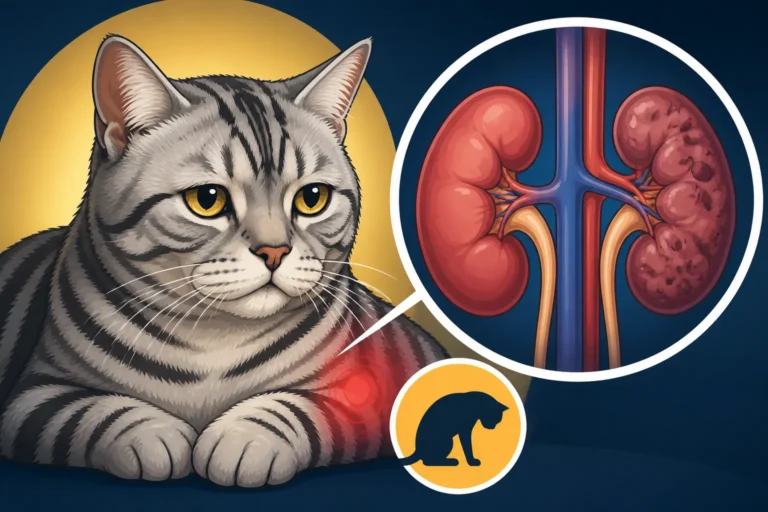
One of the most devastating complications of advanced HCM in cats is the formation of blood clots, particularly in the left atrium of the heart, which can then travel and lodge in arteries elsewhere in the body. This is a terrifying scenario known as arterial thromboembolism, or "saddle thrombus," which often causes sudden, excruciating paralysis of the hind legs. Understanding How a Thickened Heart Throws a Clot in an American Shorthair is critical for prevention. The turbulent blood flow and enlarged left atrium associated with HCM create ideal conditions for clots to form. Owners often witness Why an American Shorthair Suddenly Loses Its Back Legs, a heartbreaking sign of this complication.
To prevent this painful and often fatal complication, veterinarians will often prescribe anticoagulants or antiplatelet medications for American Shorthairs with advanced HCM, especially those with an enlarged left atrium or a history of clots. Drugs like clopidogrel (an antiplatelet) or low-dose aspirin (though aspirin must be used with extreme caution and under vet guidance due to toxicity risk in cats) help to make the blood less likely to clot. While these medications don't directly treat the heart muscle itself, they are absolutely vital for preventing a major, life-threatening secondary complication, thereby significantly improving the cat's prognosis and quality of life by avoiding immense suffering.
Beyond Medication: Holistic Management and Support
While medications are absolutely crucial for slowing the progression of heart disease in your American Shorthair, it's important to remember that they are just one piece of a larger puzzle. A truly comprehensive approach involves continuous monitoring, thoughtful lifestyle adjustments, and proactive financial planning to ensure your cat receives the best possible care throughout their journey.
Regular Veterinary Monitoring and Lifestyle Adjustments
Once your American Shorthair has been diagnosed with heart disease, regular veterinary monitoring becomes an even more critical part of their life. You'll likely be visiting the vet more frequently for recheck appointments, which may include follow-up echocardiograms to track the progression of the disease and blood tests to monitor organ function, especially the kidneys, as many heart medications can impact them. During these visits, your vet will be looking for subtle signs of change, because a stoic American Shorthair can hide a lot. They'll know What an American Shorthair Shows Before Its Heart Fails, such as changes in breathing patterns, appetite, or activity level, which can indicate the disease is advancing.
Beyond medications, lifestyle adjustments can make a significant difference. Keeping your cat in a calm, low-stress environment is paramount, as stress can exacerbate heart conditions. Gentle, consistent exercise tailored to their energy levels is often encouraged, but always check with your vet. Dietary management is also key; your vet might recommend a low-sodium diet, especially if your cat is prone to fluid retention, to ease the burden on their heart. Sometimes, supplemental nutrients like taurine or L-carnitine might be suggested, though their efficacy in treating established HCM is still debated and should only be given under veterinary supervision. These combined efforts are essential in How a Vet Manages an American Shorthair With HCM, aiming for comfort and stability.
Financial Considerations and Pet Insurance
Let's be realistic: managing chronic heart disease in a beloved pet can become expensive. From initial diagnostic echocardiograms and repeat scans to a lifetime of daily medications and potential emergency visits, the costs can quickly add up. This is a significant concern for many owners, and it's a valid one. You might find yourself wondering Whether Insurance Pays for an American Shorthair's Echo, and often, pet insurance can be a real lifesaver in these situations.
Many pet insurance providers, such as Healthy Paws, offer plans that can cover a substantial portion of these ongoing veterinary expenses, especially if the condition wasn't pre-existing when you enrolled. Having a good policy from Healthy Paws can give you immense peace of mind, knowing that you can make treatment decisions based on what's best for your American Shorthair, rather than solely on your budget. It’s important to research different providers and understand their coverage details, deductibles, and reimbursement rates. Remember, as your cat ages and their health needs potentially increase, How an American Shorthair Premium Climbs After Twelve can also be a factor, so planning ahead with a reliable insurer like Healthy Paws is a smart move. Exploring options like Healthy Paws for pet insurance is a proactive step that can alleviate financial stress and allow you to focus on your cat's well-being.
Final Thoughts on Supporting Your American Shorthair's Heart Health
Living with an American Shorthair diagnosed with heart disease, particularly HCM, can be challenging, but it's far from a hopeless situation. With diligent veterinary care, appropriate medication, and a loving, supportive home environment, many cats can continue to enjoy a good quality of life for an extended period. The key lies in early detection, consistent adherence to your vet's treatment plan, and being proactive about both their medical needs and their emotional well-being. Remember, you're not alone in this journey, and there are many resources and professionals dedicated to helping you and your cherished feline companion navigate these waters.
| Drug Class | Primary Action | Common Examples | When It's Used (General) |
|---|---|---|---|
| Beta-Blockers | Slows heart rate, improves relaxation, reduces oxygen demand, decreases obstruction | Atenolol, Propranolol | Early to moderate HCM, to reduce heart workload |
| ACE Inhibitors | Dilates blood vessels, reduces fluid retention, protects heart muscle | Benazepril, Enalapril | Moderate to advanced HCM, to reduce afterload and fluid build-up |
| Diuretics | Increases urine production, removes excess fluid | Furosemide | Congestive heart failure, pulmonary edema |
| Calcium Channel Blockers | Improves heart muscle relaxation, reduces contractility | Diltiazem | Specific HCM cases with obstruction or severe diastolic dysfunction |
| Anticoagulants/Antiplatelets | Prevents blood clot formation | Clopidogrel | Advanced HCM with left atrial enlargement, history of clots |
Disclaimer
The information provided in this article is for general educational purposes only and should not be considered a substitute for professional veterinary advice. Always consult with your veterinarian or a board-certified veterinary cardiologist for any health concerns or before making any decisions related to your pet's medical care.