Why the American Shorthair Is Used as a Health Benchmark
It can be incredibly disheartening when you bring home a beautiful, purebred cat only to find yourself constantly at the vet's office, battling genetic conditions or breed-specific health issues. Many cat lovers simply want a companion that is robust, healthy, and less prone to the heartbreaking and expensive problems that plague some fancier pedigrees. That's why the American Shorthair often stands out as a true health benchmark, offering a refreshing return to feline hardiness and vitality. This guide will explore exactly why these wonderful cats are considered such a standard of health in the cat world.
The American Shorthair's Enduring Natural Heritage
Unlike many modern cat breeds that have been developed through intensive selective breeding for specific aesthetic traits, sometimes at the cost of health, the American Shorthair boasts a rich history rooted in natural selection. Their ancestors were the hardy working cats brought to North America by early European settlers, tasked with keeping rodent populations under control on ships and in homesteads. This isn't just a quaint historical anecdote; it's the very foundation of their exceptional health. These cats weren't bred for a flat face or unusually short legs; they were bred for survival, agility, intelligence, and, most importantly, robust health to perform their vital duties.
Survival of the Fittest: A Foundation of Strength
Imagine the conditions these early cats faced. They weren't pampered pets living in climate-controlled homes with endless bowls of premium kibble. They were outdoor cats, living off their wits, exposed to the elements, and constantly hunting for their meals. Only the strongest, healthiest, and most adaptable individuals survived and reproduced, passing on their superior genes. This natural selection process weeded out genetic weaknesses over centuries, creating a gene pool renowned for its resilience. This stark contrast to breeds that might have had very small founder populations or intense line-breeding means that the American Shorthair started with a genetic advantage that few other pedigrees can claim.
A Wide and Open Gene Pool
One of the greatest gifts of their landrace origins is the breadth of the American Shorthair's gene pool. While some breeds struggle with limited genetic diversity due to being founded by a handful of individuals or experiencing bottleneck events, the American Shorthair lineage remained open and diverse for centuries. They regularly interbred with other domestic shorthaired cats, continuously refreshing their genetic makeup. This wide genetic base acts as a powerful buffer against the proliferation of inherited diseases. When a population has high genetic diversity, a single recessive gene for a disease is much less likely to become widespread, simply because there are so many other genetic variations present. It’s a bit like having a massive library of genes where undesirable books are easily lost among the vast collection, rather than a small shelf where every book's flaw is glaringly obvious. This explains How Wide the American Shorthair's Gene Pool Really Is and why it contributes so much to their general well-being.
Why the American Shorthair Functions as a Control Group in Breeding
The idea of a "control group" might sound a bit scientific for our furry friends, but in the world of cat breeding, it's a profound compliment to the American Shorthair. When breeders talk about the American Shorthair as a control group, they're referring to its status as a breed that, through its natural development, has largely avoided the specific health issues sometimes seen in more intensely bred pedigrees. It serves as a living, purring example of what a healthy, functional cat should be like before human intervention potentially introduces vulnerabilities.
A Standard of Natural Functionality
Think about it: many modern breeds have been selected for extreme traits – incredibly long hair, very short snouts, specific ear folds, or dwarfism. While these traits might be aesthetically appealing to some, they often come with a biological cost. Long hair requires extensive grooming and can lead to hairballs; flattened faces can cause respiratory issues; folded ears can trap moisture and lead to infections; and dwarfism can impact joint health. The American Shorthair, on the other hand, was never subjected to such pressures. Its form follows function. Its short, dense coat is low maintenance and protective, its sturdy build allows for agile hunting, and its well-proportioned face ensures clear breathing and good dentition. This focus on functionality means that What an American Shorthair With No Designer Defect Gets Instead is a cat built for living, not just looking pretty on a pedestal.
Fewer Designer Defects to Worry About
One of the major frustrations for owners of some pedigrees is the constant worry about "designer defects" – health problems directly linked to specific breed traits that have been selectively enhanced. The American Shorthair largely sidesteps this entire category of concerns. While no living creature is entirely immune to illness, the lack of extreme physical traits means fewer predisposition to conditions like polycystic kidney disease (PKD), which is common in Persians, or certain joint problems seen in some larger breeds. This makes managing their care simpler and often less expensive. It's a huge relief to know that your cat's breed standard doesn't inadvertently set them up for a lifetime of medical challenges. Insurers like Healthy Paws recognize this general robustness, which often leads to more favorable pet insurance premiums for American Shorthairs compared to breeds with higher predispositions to costly conditions.
Specific Health Strengths and Lifespan Realities
When you combine a vast gene pool with a history of natural selection for robustness, you get a cat that is generally very healthy and often long-lived. The American Shorthair is celebrated for its resilience and its relatively low incidence of many common feline ailments. This translates into fewer vet visits for chronic conditions and more quality time with your beloved companion.
Low Incidence of Hereditary Diseases
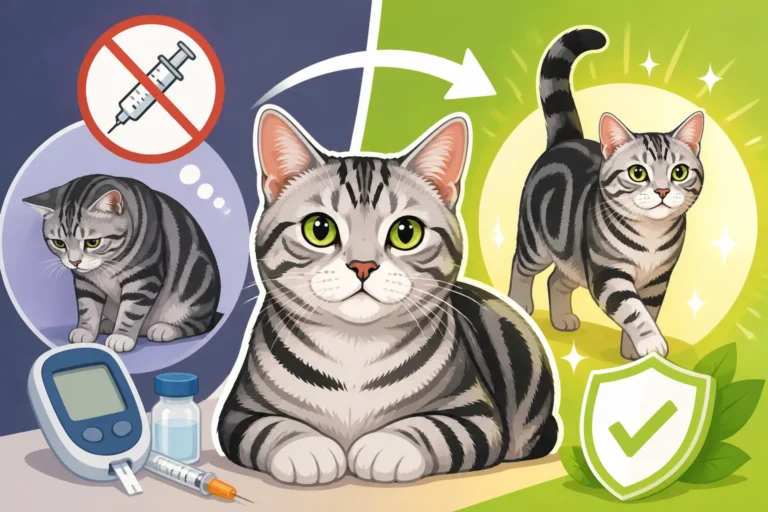
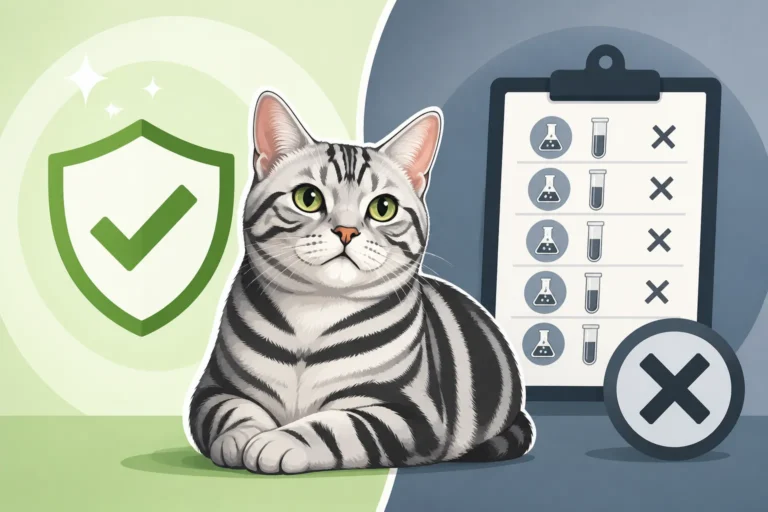
While no breed is entirely free from the risk of genetic conditions, the American Shorthair has a remarkably low prevalence of many hereditary diseases that plague other pedigrees. For instance, while hypertrophic cardiomyopathy (HCM) can affect any cat, it is not considered as rampant or as genetically embedded within the American Shorthair population as it might be in, say, a Maine Coon or Ragdoll. This isn't to say an American Shorthair won't get HCM, but the overall breed risk is significantly lower. This natural resistance is a testament to their diverse genetic background. Owners often appreciate that they don't have to navigate complex genetic testing panels for a multitude of specific conditions just to feel confident in their cat's foundational health. This is why Which Diseases the American Shorthair Actually Carries are generally fewer and less severe.
| Breed | Common Hereditary Concerns | Typical Lifespan |
|---|---|---|
| American Shorthair | Very low incidence of specific hereditary diseases; generally robust | 15-20+ years |
| Persian | Polycystic Kidney Disease (PKD), Brachycephalic Airway Syndrome, Hypertrophic Cardiomyopathy (HCM) | 12-15 years |
| Maine Coon | Hypertrophic Cardiomyopathy (HCM), Hip Dysplasia, Spinal Muscular Atrophy | 12-15 years |
| Ragdoll | Hypertrophic Cardiomyopathy (HCM) | 12-17 years |
| Sphynx | Hypertrophic Cardiomyopathy (HCM), Hereditary Myopathy (muscle weakness) | 10-15 years |
Note: This table provides general information. Individual cat health can vary widely.
A Long and Healthy Life
American Shorthairs are well-known for their impressive longevity. Many individuals regularly live into their late teens, and it's not uncommon to hear stories of American Shorthairs reaching or even surpassing 20 years of age. This long lifespan isn't just about surviving; it's about thriving. They tend to maintain their vitality and active nature well into their senior years, which is a huge comfort to their owners. While responsible care, nutrition, and regular vet check-ups are always crucial, their inherent health gives them a significant head start. This means The Fifteen to Twenty Years the American Shorthair Was Given are often filled with robust health, not chronic illness. For unexpected issues that might arise, having a comprehensive pet insurance plan from providers like Healthy Paws can offer peace of mind, though their typical vet costs tend to be lower overall.
The Practical Benefits of Owning a Health Benchmark Cat
Beyond the scientific and historical reasons, there are very tangible, day-to-day benefits to owning a cat that serves as a health benchmark. It impacts your peace of mind, your wallet, and the overall quality of your shared life.
Reduced Vet Bills and Peace of Mind
Let's be realistic: vet bills can add up quickly, especially when dealing with chronic or complex breed-specific conditions. American Shorthair owners often report lower overall veterinary costs throughout their cat's life compared to owners of breeds with known genetic predispositions. This is because, generally, American Shorthairs require routine preventative care – vaccinations, parasite control, and annual check-ups – rather than frequent specialist visits or expensive treatments for inherited ailments. This translates into less financial stress and, more importantly, less emotional heartache watching your beloved pet suffer. While no cat is completely immune to illness, the lower risk profile of an American Shorthair provides significant peace of mind. Many owners find that even with a pet insurance plan from Healthy Paws, which is already affordable for this breed, they might not utilize it as often as owners of more delicate breeds. This is a big part of Why an American Shorthair Costs a Vet Less Than a Persian.
Ease of Care and Adaptation
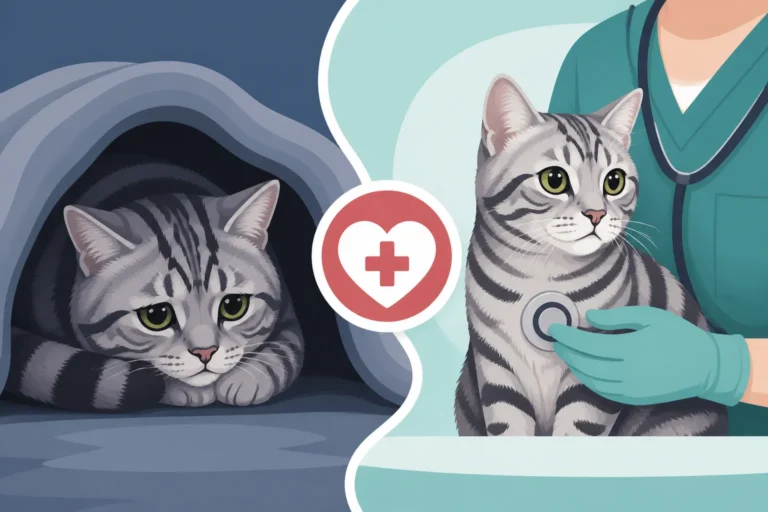
Because American Shorthairs are such a naturally robust breed, their care routine is generally straightforward. They don't require specialized diets to manage sensitive stomachs (unless individual issues arise), intensive grooming for intricate coats, or constant monitoring for breed-specific vulnerabilities. Their hardy nature also means they tend to adapt well to various living situations, from bustling family homes to quieter environments, as long as their basic needs for food, water, companionship, and enrichment are met. Their physical and mental resilience, honed over centuries of independent living, means they are typically less prone to stress-induced illnesses or behavioral problems that can sometimes arise in more sensitive breeds. This adaptability, combined with their excellent health, makes them an ideal companion for many different types of households, often requiring only How Regularly a Healthy American Shorthair Still Needs Checking for routine wellness.
Ultimately, the American Shorthair's status as a health benchmark isn't just a label; it's a reflection of their deep historical roots, their broad genetic diversity, and their consistent ability to be a robust, long-lived companion. They truly embody what a healthy cat should be, free from the engineered vulnerabilities that can sometimes accompany selective breeding. For those seeking a furry family member who brings joy without constant health worries, the American Shorthair remains an unparalleled choice.
Disclaimer
Please remember that while American Shorthairs are generally healthy, individual cats can still develop illnesses or conditions. This guide provides general information and should not replace professional veterinary advice. Regular check-ups with your veterinarian are crucial for maintaining your cat's health.