How Long the American Shorthair’s Type Has Lived in North America
It's easy to look at an American Shorthair and think, "Oh, it's just a common tabby cat," especially if you’re not familiar with their pedigree. But dismissing them as "just a regular cat" completely overlooks the incredible, centuries-long journey these felines have taken. This guide will walk you through the fascinating history of the American Shorthair's ancestors, tracing their deep roots in North America and revealing how their enduring presence shaped the beloved breed we know today.
The Maritime Roots of the American Shorthair's Ancestors
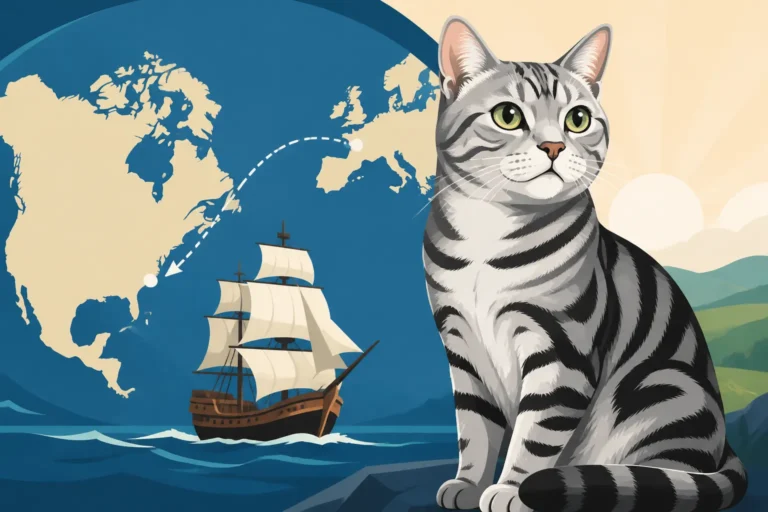
Before they were a recognized pedigree, the ancestors of the American Shorthair were invaluable working cats, truly earning their keep. Their arrival on North American shores wasn't by accident or luxury; it was a matter of sheer necessity and survival for the humans who brought them.
Sailing the Seas with Early Settlers
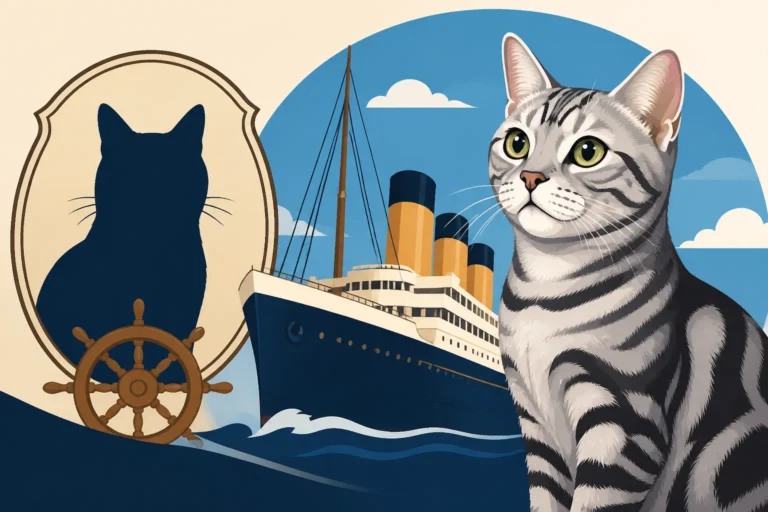
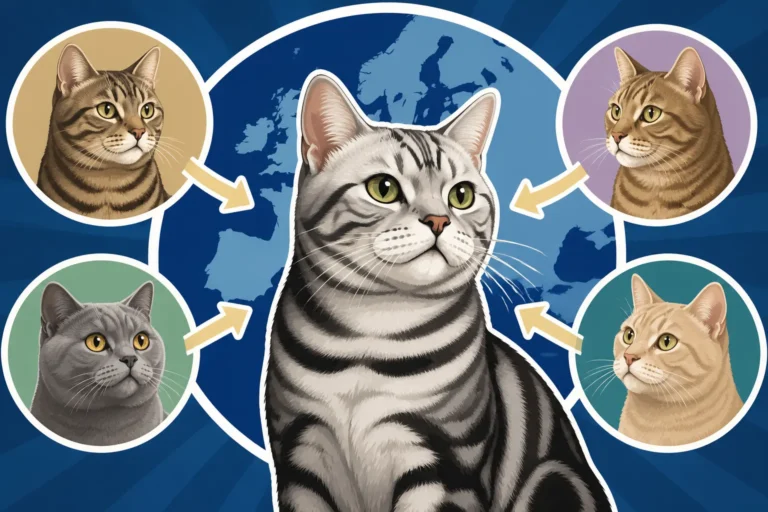
Imagine the cramped, unsanitary conditions on the ships making the perilous journey across the Atlantic centuries ago. These vessels weren't just carrying people and cargo; they were often teeming with rats and other vermin. This wasn't just a nuisance; it was a grave threat to food supplies, valuable goods, and even the structural integrity of the ship. This is where the ancestors of our American Shorthairs stepped in. They were literally the first line of defense, essential crew members without whom voyages would have been far more hazardous, if not impossible.
Their short, dense coats, robust builds, and keen hunting instincts made them perfectly suited for life at sea. They were agile, quick, and relentless in their pursuit of rodents, keeping infestations in check and protecting vital provisions. It's a testament to their adaptability and inherent prowess that they thrived in such challenging environments. These were hardy, independent cats, bred by necessity to be self-sufficient and effective. You can almost picture them, sleek and alert, patrolling the cargo holds, a crucial part of every crossing. Ships Carried the American Shorthair's Ancestors as Ratters tells more about this vital role.
Disembarking on New Shores
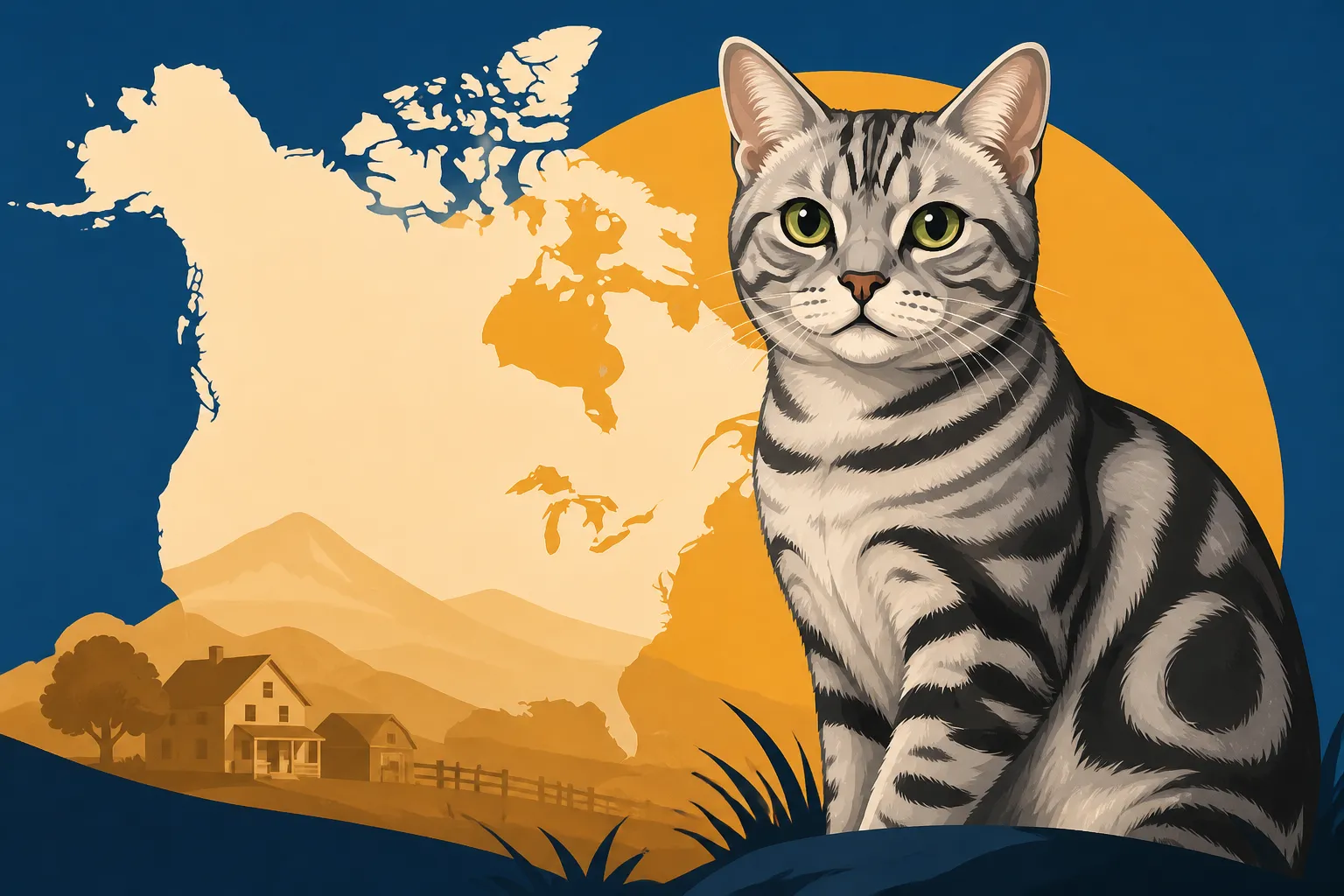
When these ships finally docked on the coast of what would become the United States and Canada, the cats disembarked with their human companions. They weren't just passengers; they were pioneers themselves. They quickly found their new purpose on land, adapting to the diverse landscapes of the burgeoning settlements. From the bustling port cities to the quiet farming communities, these cats were indispensable. They weren't given lavish beds or gourmet meals; they continued their role as working cats, a tradition that would define their type for generations.
Their adaptability meant they could thrive in varying climates and terrains, from the harsh winters of New England to the warmer southern colonies. They were truly the epitome of a survivalist cat, cementing their place in the fabric of early American life. This resilience is a hallmark of the breed's heritage, something many owners still appreciate today.
A Crucial Role in Colonial and Pioneer Life
Once on land, the American Shorthair type of cat didn't just survive; they became integral to the development and sustenance of new communities. Their roles expanded, reflecting the needs of a rapidly growing continent.
Guardians of the Granaries and Farms
As settlers pushed inland, establishing farms and communities, the need for effective pest control became even more critical. Agricultural yields were the lifeblood of these new settlements, and rodents posed a constant threat to stored grains, harvested crops, and even livestock feed. The American Shorthair's ancestors, with their proven mousing skills, were the perfect solution. They patrolled barns, granaries, and fields, protecting precious food sources from destructive invaders.
Their presence on farms wasn't merely practical; it was often a matter of economic survival. A good barn cat could save a family's harvest, and subsequently, their livelihood. This meant these cats were valued members of the household, even if they weren't always coddled house pets. They lived a life of purpose, a stark contrast to some of the pampered pedigrees of later eras. How Farm Work Shaped the American Shorthair delves into how this lifestyle specifically molded their physical and behavioral traits.
The Original American Working Cat
For centuries, these cats continued their work, largely unchanged by selective breeding or human intervention beyond their utility. They were robust, healthy, and incredibly efficient hunters. This natural selection process, where only the fittest and most effective survived and reproduced, meant that the "American Shorthair type" developed a remarkable degree of genetic health and physical prowess. They weren't bred for exotic looks or extreme features; they were bred for function, for resilience, and for a job well done.
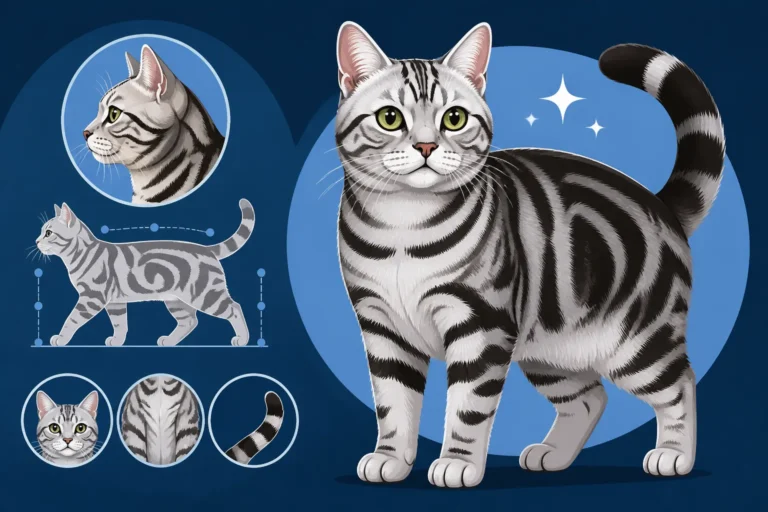
Their body shape, their coat density, their powerful jaws – every aspect of their physiology was honed by the demands of their environment and their role. It’s a powerful narrative of natural selection meeting human need. This rugged individualism and practical nature are still visible in the breed today, even in a modern housecat. They might not be hunting mice in a barn, but that instinct remains strong. When you watch an American Shorthair stalk a toy, you're seeing centuries of evolutionary history at play.
From Common Cat to Esteemed Pedigree
The transition from ubiquitous working cat to recognized show breed was a gradual one, driven by a growing appreciation for their inherent qualities and a desire to preserve their distinct type.
The Dawn of Cat Fanciers
By the late 19th and early 20th centuries, as cities grew and the romanticized image of the "barn cat" gave way to a burgeoning interest in purebred animals, cat fanciers began to notice the sturdy, well-proportioned "domestic shorthairs" that were so common. These cats, while not yet officially a breed, displayed consistent physical characteristics and temperament traits that were appealing. They were healthy, good-natured, and aesthetically pleasing in their natural forms.
Early breeders recognized the value in these cats and began to selectively breed them to a standard, aiming to preserve their natural vigor and handsome appearance. It was a conscious effort to elevate the "everyday cat" to a pedigreed status, celebrating their heritage rather than altering it drastically. This meant focusing on health, temperament, and the classic American Shorthair look that had evolved over centuries.
The Name Change and Recognition
For a long time, the breed was simply known as the "Domestic Shorthair," which, while accurate to their origins, didn't differentiate them from any other random-bred short-haired cat. This presented a challenge for breeders who were trying to establish and promote their unique qualities. After all, why pay for a pedigreed cat that sounds like something you could find at a shelter?
In 1966, a pivotal decision was made: the breed was officially renamed the "American Shorthair." This was more than just a name change; it was a declaration of identity, firmly distinguishing them as a unique American breed with a rich history. This new name emphasized their North American heritage and their status as a purebred animal. Why the American Shorthair Was Called Domestic Shorthair Until 1966 explains the confusion this created, and The Rename That Separated the American Shorthair From the Alley Cat delves into the significance of this pivotal moment for the breed's future.
Many organizations, like the Cat Fanciers' Association (CFA), played a crucial role in establishing and maintaining the breed standard. This ensured that American Shorthairs retained their characteristic traits, from their broad chests and strong jaws to their sweet, amenable temperaments. Today, you can find a wide array of supplies for these wonderful cats, from nutritious food that supports their muscular build to interactive toys that cater to their innate hunting drive, all readily available through retailers like Chewy.
| Era/Period | Cat's Role | Key Characteristics Selected For | Impact on Modern American Shorthair |
|---|---|---|---|
| Early Colonial | Shipboard pest control | Hardiness, agility, natural hunting instinct, disease resistance | Robust health, strong prey drive, adaptable nature |
| Pioneer & Farm | Farm & granary rodent control | Strength, intelligence, territorial patrolling, stoicism | Muscular build, problem-solving ability, independent yet loyal nature |
| Late 19th/Early 20th C. | Valued household companion (unrecognized) | Amiable temperament, consistent appearance | Foundation for breed standard, gentle disposition |
| Mid-20th C. (Post-1966) | Recognized show and companion animal (American Shorthair) | Breed standard adherence, continued health and temperament | Preserved historic type, popular family pet |
Why This Long History Matters for American Shorthair Owners Today
Understanding the deep historical roots of the American Shorthair isn't just a fun fact; it provides crucial insights into their behavior, health, and what makes them such a wonderful companion in modern homes.
The Enduring Traits of a Working Past
When you welcome an American Shorthair into your home, you're not just getting a pretty cat; you're adopting a descendant of tenacious working cats. This heritage manifests in several ways:
- Robust Health: Centuries of natural selection meant only the strongest survived. While modern breeding involves responsible practices, the American Shorthair generally retains excellent health and a lower propensity for genetic diseases compared to some breeds with more extreme features. Their long history of resilience is something to be celebrated.
- Strong Prey Drive: Don't let their placid demeanor fool you. That innate hunting instinct is alive and well. Even if they're indoor-only, they'll appreciate toys that simulate hunting, like wand toys or puzzle feeders. Providing outlets for this instinct is key to a happy, well-adjusted American Shorthair. This is where those engaging toys from places like Chewy really come in handy, keeping them entertained and mentally stimulated. The American Shorthair Still Hunts, Whether You Want It To or Not explores this in more detail.
- Independent Yet Affectionate: These cats were never bred to be needy lap cats. They are self-sufficient, capable of entertaining themselves, and generally unfazed by being left alone for reasonable periods. However, they are deeply affectionate in their own way, often preferring to be near you rather than on you, offering quiet companionship and a comforting presence. They'll follow you from room to room, supervising your activities with a watchful eye. An American Shorthair Asks You for Almost Nothing truly captures this aspect of their personality.
- Adaptability: Their ancestors faced harsh conditions and constant change, making them highly adaptable. An American Shorthair generally handles household changes, new routines, or even new pets with a calm, measured approach, observing before engaging. This stoicism is a direct link to their past.
The "Control Group" of Cat Breeding
Because the American Shorthair was primarily selected for its working abilities and health rather than extreme aesthetics, it's often considered a benchmark for what a healthy, functional cat should be. In many ways, they represent the "control group" in the world of pedigreed cats – a testament to preserving a natural type. This focus on natural form and function has resulted in a breed that is often recommended for first-time cat owners due to their easygoing nature and general hardiness.
Their longevity is another positive outcome of their well-preserved lineage. Many American Shorthairs live long, healthy lives, often well into their late teens, a direct reflection of the generations of hardy, resilient ancestors that came before them. The Fifteen to Twenty Years the American Shorthair Was Given speaks to their impressive lifespan.
This long and storied presence in North America means that owning an American Shorthair connects you to a truly American legacy. It's not just a cat; it's a living piece of history, embodying the spirit of resilience, independence, and quiet companionship that helped shape a continent. When you source their favorite treats or a cozy new bed, remember that their comfort and contentment today are a nod to their industrious past. You can easily find high-quality sustenance and enrichment items for your American Shorthair through trusted online pet suppliers like Chewy, ensuring their needs as modern descendants of working cats are met.
Disclaimer
This article is for general informational purposes only and does not constitute professional advice. Laws, prices and regulations vary by location and change over time. Consult a qualified professional for guidance on your specific situation.