What an American Shorthair Weighs
It's incredibly common for American Shorthair owners to wonder if their beloved feline companion is at a healthy weight. These cats have a naturally sturdy, muscular build that can sometimes make it tricky to tell if they're just well-proportioned or carrying a few extra pounds. This guide aims to demystify what a healthy weight truly looks like for an American Shorthair, delving into their unique physique, typical ranges, and the everyday factors that can tip the scales one way or another.
The American Shorthair's Natural Build and Its Impact on Weight
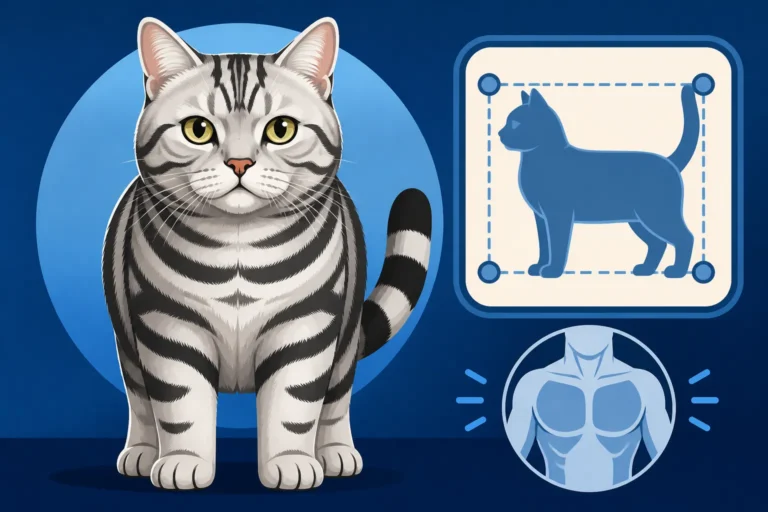
When you look at an American Shorthair, you're not just seeing a pretty face; you're seeing centuries of purpose. Their body isn't designed for delicate looks or extreme features; it's a testament to their heritage as robust, working cats. This intrinsic build plays a massive role in what constitutes a "healthy" weight for the breed, often setting them apart from more slender or exaggerated pedigrees.
Tracing Their Working Ancestry to Today's Physique
Imagine a cat patrolling the decks of a ship, or an early American farm, tasked with keeping rodents at bay. That's the lineage of the American Shorthair. Their ancestors needed strength, agility, and endurance, not a dainty physique. This history bred a cat with a strong, well-muscled body, a broad chest, powerful legs, and a solid bone structure. They weren't just decorative; they were essential workers.
This working-class background means they naturally carry more muscle and density than many other breeds. When you pick up an American Shorthair, you often notice their surprising heft – they feel like a compact brick of muscle, not a fluffy pillow. This is normal and desirable for the breed. Understanding this history helps us appreciate why their weight might seem higher than a more fine-boned cat of similar apparent size, but it's crucial to remember that this weight is ideally composed of muscle, not fat. If you want to dive deeper into their past, check out How Farm Work Shaped the American Shorthair.
Understanding the Breed Standard's Ideal Weight and Size
Breed standards, like those set by the Cat Fanciers' Association (CFA), don't usually give specific weight ranges in pounds or kilograms. Instead, they describe an ideal physique, focusing on characteristics that reflect health, balance, and the breed's historical function. For the American Shorthair, the standard emphasizes a cat that is "medium to large," "powerfully built," and "well-muscled." Terms like "sturdy" and "compact" are often used.
This focus on structure over numbers is incredibly important for owners. It means that simply stepping on a scale won't tell you the whole story. A 12-pound American Shorthair could be perfectly lean and muscular, while another 12-pound cat of a different breed might be considered overweight. The standard celebrates their natural athleticism and proportional strength. It’s all about a balanced, symmetrical appearance with good bone development and firm musculature. For more details on what judges look for, explore What the American Shorthair Standard Asks For.
Typical Weight Ranges by Age and Sex
While breed standards focus on conformation, real-world experience shows us some general weight guidelines. However, these are just averages, and individual variations are absolutely normal. Think of them as benchmarks rather than strict rules, because every cat is unique, even within the same breed.
Kitten to Adolescent: Growth Milestones and Weight Progression
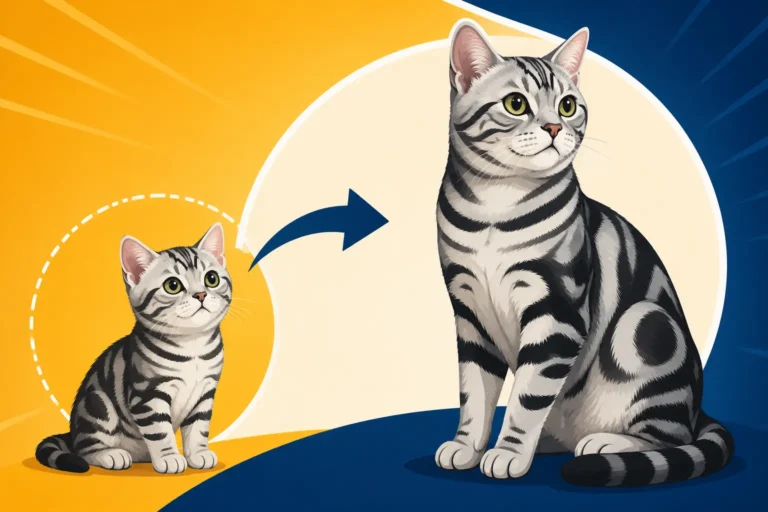
American Shorthair kittens are born tiny, of course, but they grow rapidly and steadily. By about 6 months, they'll have done most of their growing in terms of height and length, but their frames will continue to fill out, gaining muscle and girth. This "filling out" phase can actually last quite a while for American Shorthairs, often up to three years of age, as their sturdy bone structure and musculature fully develop.
During their first year, you'll see consistent weight gain. A healthy American Shorthair kitten should feel solid and active. While charts exist for kitten weight, it's more vital to ensure they're meeting developmental milestones, are active, and have a good appetite. A vet will monitor their growth curve to ensure they’re not too lean or gaining too quickly. By their first birthday, most American Shorthairs are close to their adult size, but might still have a little filling out to do. For a deeper look into their development, consider What an American Shorthair Weighs at One and How Much Is Left.
Adult Male vs. Female American Shorthair Weight Differences
Just like in many other species, there's a noticeable size and weight difference between adult male (toms) and female (queens) American Shorthairs. Males are typically larger, heavier, and more powerfully built, reflecting their natural masculine structure.
Generally, a healthy adult male American Shorthair might weigh anywhere from 11 to 15 pounds (about 5 to 6.8 kg), though some larger, well-muscled individuals can comfortably reach 18 pounds. They tend to have broader heads, thicker necks, and a more substantial overall presence. For more specific information on male American Shorthair weight, you can read How Much a Male American Shorthair Weighs.
Female American Shorthairs, while still sturdy, are usually a bit daintier, though "dainty" for an ASH still means a solid cat! Their healthy weight range typically falls between 8 to 12 pounds (about 3.6 to 5.4 kg). They have a slightly finer bone structure and are generally less massive than their male counterparts. For more on female weight, check out How Much a Female American Shorthair Finishes Smaller.
It's important to stress that these are averages. An individual cat's genetics, lineage, and overall build can push them slightly above or below these ranges while still being perfectly healthy. What matters most is their body condition, which we'll discuss in more detail shortly.
Factors Influencing an American Shorthair's Weight Beyond Genetics
While genetics give an American Shorthair its inherent sturdy frame, numerous environmental and lifestyle factors directly influence whether that frame is lean and muscular or if it's carrying too much, or too little, padding. Understanding these factors is key to helping your cat maintain an ideal weight.
Diet and Nutrition: Fueling a Hunter's Metabolism
The food you put in your American Shorthair's bowl is arguably the biggest determinant of their weight. Their ancestors worked hard for their meals, burning calories constantly. Our modern housecats, even with their strong hunting instincts, typically don't expend nearly as much energy. This means their caloric intake needs to be carefully managed.
A high-quality diet, rich in animal protein, is crucial for maintaining their muscular build without excess fat. Many brands offer high-protein, moderate-fat formulations perfect for maintaining that lean physique, and you can often find a wide selection on Chewy, making it easy to compare ingredients and prices. Dry kibble can be calorie-dense, so portion control is paramount. Wet food can be an excellent choice as it provides hydration and often has a lower caloric density per serving, helping cats feel fuller. Overfeeding, even by a small amount each day, adds up quickly. Those extra kibbles, those handfuls of treats – they all contribute. For a deeper dive into appropriate nutrition, take a look at Which Food Suits an American Shorthair Built for Muscle.
Activity Levels and Lifestyle: Indoor Versus Outdoor Considerations
An American Shorthair’s activity level directly correlates with their weight. A cat with ample opportunities to run, jump, climb, and "hunt" will naturally burn more calories than a sedentary one. The classic image of an American Shorthair chasing mice across a barn floor is a far cry from a cat napping on a sunny windowsill all day.
Most American Shorthairs today live exclusively indoors, which is safer for them but dramatically reduces their natural activity. An indoor cat simply burns fewer calories than one who roams and hunts outdoors. This lower caloric burn necessitates a proportionate reduction in food intake. If an indoor American Shorthair is fed the same amount as an active outdoor cat, weight gain is almost inevitable. It's a frustrating reality for many owners who just want to spoil their pets, but a sedentary lifestyle demands a more careful approach to diet. For insights into managing an indoor cat's calorie needs, read How Few Calories an Indoor American Shorthair Burns.
To combat this, it's vital to provide plenty of enrichment. Interactive play sessions with wand toys that simulate hunting, puzzle feeders that make them "work" for their food, and vertical climbing spaces like cat trees can all help burn calories and keep their minds engaged. Toys that mimic prey movements, such as those found on Chewy, can provide much-needed mental and physical stimulation.
Spaying/Neutering and Hormonal Shifts
One of the most significant, yet often overlooked, factors affecting an American Shorthair's weight is spaying or neutering. While these procedures are essential for health and population control, they also lead to hormonal changes that significantly alter a cat's metabolism. Post-surgery, many cats experience a decrease in their metabolic rate and often an increase in appetite.
This combination is a recipe for weight gain. An American Shorthair might feel hungrier, even though their body now needs fewer calories to maintain the same weight. It's a common struggle for owners, who find their once lean cat slowly becoming rounder. This isn't a failure on the owner's part, but a biological reality that requires proactive management. Often, a calorie reduction of about 20-30% is recommended after neutering, and special "light" or "weight management" formulas can be helpful. Being aware of this change allows you to adjust their diet and activity proactively. To understand more about this effect, see Why a Neutered American Shorthair Puts On Weight Faster.
Recognizing Healthy Weight vs. Overweight/Underweight
Knowing what your American Shorthair should weigh numerically is one thing, but actually assessing their body condition is far more important. A scale doesn't tell you if that weight is muscle or fat. This is where the Body Condition Score comes in – a practical, hands-on method you can use right at home.
The Body Condition Score BCS: A Practical Guide for Owners
The Body Condition Score (BCS) is a universally recognized system used by veterinarians and owners alike to assess a cat's fat reserves. It typically uses a 1-to-9 scale (or sometimes 1-to-5), where 1 is severely underweight, 9 is severely obese, and 5 (or 3 on a 5-point scale) is ideal. Instead of relying purely on numbers on a scale, the BCS involves both visual assessment and gentle palpation (feeling) of your cat's body.
Here's how to perform a BCS check on your American Shorthair:
- Look from Above: Stand over your cat as they stand normally. Do you see a definite waistline, an indentation behind the ribs? In an ideal American Shorthair, you should see a subtle waist. If they're shaped like a perfect rectangle or even bulge outwards, they're likely overweight. If their hip bones are prominent, they might be underweight.
- Look from the Side: Observe your cat's abdomen. A healthy American Shorthair should have an abdominal tuck – the belly should rise slightly upwards from the ribs to the hind legs, not hang low or be distended.
- Feel Their Ribs: Gently run your fingers along your cat's side. You should be able to feel their ribs easily, like feeling the knuckles on the back of your hand. They should feel distinct, but not sharp or protruding. If you can't feel the ribs without pressing firmly, there's too much fat covering them. If they're very prominent and sharp, your cat is likely too thin.
- Feel Their Spine and Hips: Similarly, run your hands over their spine and hip bones. You should be able to feel them, but they shouldn't be bony or sharply angled. An ideal American Shorthair will have good muscle mass around these areas.
Using the BCS is far more accurate for gauging health than simply looking at a number on a scale, especially for a muscular breed like the American Shorthair. It provides a visual and tactile assessment of their fat-to-muscle ratio. Regularly checking your cat's BCS helps you make proactive adjustments to their diet and exercise before problems become significant. To learn more about this crucial assessment, refer to How to Score a Square Built American Shorthair's Body Condition.
Here’s a simplified guide to the Body Condition Score:
| BCS Score | Description | How it Feels/Looks on an American Shorthair |
|---|---|---|
| 1-2 | Underweight | Ribs, spine, and hip bones are very prominent, easily visible. No fat stores. Minimal muscle mass. Waist is extremely pronounced. |
| 3-4 | Lean/Ideal | Ribs are easily felt but not visible. Waist is evident when viewed from above. Abdominal tuck present. Minimal fat pad on belly. |
| 5-6 | Overweight | Ribs are difficult to feel under a slight fat covering. Waist is less obvious or absent. Slight bulge over stomach. May have a small, hanging fat pad. |
| 7-9 | Obese | Ribs are very difficult to feel under thick fat. No waist evident. Significant abdominal distention and prominent fat pad. Muscle mass may be obscured. |
Health Risks Associated with Being Underweight or Overweight
Both extremes of the weight spectrum come with serious health implications for your American Shorthair. While we often focus on obesity, being underweight can also signal underlying problems that require immediate veterinary attention.
Risks of Being Underweight:
If your American Shorthair is too thin, it could be a sign of insufficient food intake, poor nutrition, or, more concerningly, an underlying health issue. Conditions like hyperthyroidism, kidney disease, dental problems that make eating painful, inflammatory bowel disease, or even certain cancers can cause unexplained weight loss. A cat that's underweight might also have a weakened immune system, making them more susceptible to infections, and they lack the energy reserves needed to fight off illness. If your cat is losing weight without a change in diet or activity, it's crucial to schedule a vet visit promptly.
Risks of Being Overweight or Obese:
This is, unfortunately, a more common problem for American Shorthairs, especially given their hearty appetites and indoor lifestyles. The consequences of carrying extra weight are significant and can drastically reduce their quality of life and lifespan.
- Diabetes Mellitus: Obesity is a primary risk factor for developing feline diabetes, requiring daily insulin injections and dietary changes. How Weight Turns Into Diabetes in an American Shorthair
- Joint Problems: Their strong, sturdy frame is designed for a healthy weight. Extra pounds put immense strain on their joints, particularly hips and elbows, accelerating the onset of arthritis and making movement painful. Imagine carrying a heavy backpack all day, every day – that's what it's like for an overweight cat. What Extra Weight Does to an American Shorthair's Working Frame
- Heart Disease: Obesity can exacerbate or contribute to heart conditions, making the heart work harder.
- Urinary Tract Issues: Overweight cats can have difficulty grooming themselves, leading to hygiene issues that can predispose them to urinary tract infections.
- Skin and Coat Problems: As mentioned, obese cats struggle to reach all parts of their bodies, leading to matted fur, skin infections, and general discomfort.
- Reduced Lifespan and Quality of Life: Simply put, overweight cats tend to live shorter, less active, and less comfortable lives. They're less playful, less mobile, and more prone to chronic diseases.
The impact of extra weight isn't just aesthetic; it’s a serious health concern that needs to be addressed.
Managing Your American Shorthair's Weight for Optimal Health
Once you've assessed your American Shorthair's body condition and determined if they are at an ideal weight, or if adjustments are needed, the next step is to create a plan. Whether they need to shed a few pounds, gain some, or simply maintain their current healthy state, a thoughtful approach is essential.
Strategies for Healthy Weight Loss If Needed
If your American Shorthair is carrying too much weight, a gradual, controlled weight loss plan is key. Rapid weight loss can be dangerous for cats, potentially leading to a serious liver condition called hepatic lipidosis. Patience and consistency are your best friends here.
- Veterinary Consultation First: Always start by consulting your veterinarian. They can rule out any underlying medical conditions contributing to weight gain and help you determine a safe target weight and a personalized calorie reduction plan. They might recommend specific prescription weight-loss diets available through veterinary clinics or specialized retailers like Chewy.
- Portion Control: This is the most critical step. Measure food precisely. Don't eyeball it. If your cat is free-fed, transition to scheduled meal times. Often, feeding smaller, more frequent meals can help manage hunger.
- Choose the Right Food: Your vet might suggest a "light" or "weight management" cat food. These formulas are typically lower in calories but higher in fiber and protein to help your cat feel full and maintain muscle mass while losing fat. Consider incorporating more wet food, as its higher water content can be more satiating.
- Increase Activity: Encourage more play! Invest in interactive toys like wand toys, laser pointers (with a treat at the end to "catch" the prey), or puzzle feeders. Aim for multiple short play sessions throughout the day, mimicking their natural hunting behaviors. Cat trees and vertical climbing spaces can also encourage movement.
- Limit Treats: Treats are often calorie bombs. If you must give them, choose low-calorie options and factor them into your cat's daily calorie allowance. Break larger treats into smaller pieces.
- Patience and Monitoring: Weight loss will be slow. Expect to see about 0.5-2% of their body weight lost per week. Regular weigh-ins (weekly or bi-weekly) at home and follow-up vet visits are crucial to track progress and make adjustments.
Ensuring Adequate Nutrition for Underweight Cats
If your American Shorthair is underweight, the approach needs to be equally careful and guided by a vet. This often points to an underlying issue, so a thorough medical check-up is paramount before simply increasing food.
- Veterinary Diagnosis: First and foremost, a vet needs to identify why your cat is underweight. Is it dental pain, parasites, hyperthyroidism, kidney disease, or something else? Treating the root cause is essential.
- High-Quality, Nutrient-Dense Food: Once medical issues are addressed, your vet might recommend a more calorie-dense, highly digestible food. Sometimes, kitten food can be used temporarily for its higher fat and protein content, but always under vet guidance.
- Small, Frequent Meals: Offer food more often throughout the day. Some cats prefer smaller meals rather than large ones, and frequent offerings can encourage consistent intake.
- Palatability: Make food appealing. Warming wet food slightly can enhance its aroma and make it more enticing. Ensure their eating environment is quiet and stress-free.
- Supplements (if advised): Your vet might recommend specific nutritional supplements if there are deficiencies, but never administer these without professional advice.
- Monitor Intake and Weight: Keep a food diary to track how much your cat is actually eating, and monitor their weight weekly. Adjust as needed with your vet's input.
Regular Veterinary Check-ups and Professional Guidance
No matter if your American Shorthair is at an ideal weight, needs to lose, or needs to gain, regular veterinary check-ups are non-negotiable. These appointments are about more than just vaccinations; they are comprehensive health assessments.
During routine visits, your vet will:
- Perform a physical examination, including a hands-on BCS assessment.
- Weigh your cat and track their weight history.
- Discuss their diet, activity level, and any changes you've observed.
- Offer tailored advice based on your cat's age, lifestyle, and health status.
- Identify and address any emerging health concerns early, before they become serious.
For American Shorthairs, who are known for their stoic nature and tendency to hide pain or illness, these regular check-ups are even more vital. They allow a professional eye to catch subtle changes that you might miss at home. Think of your vet as your partner in maintaining your cat's long-term health and ideal weight. Consistent preventative care is truly the best investment in their well-being. Regular health checks are crucial; learn more about them in How Regularly a Healthy American Shorthair Still Needs Checking.
Disclaimer
This article is for general informational purposes only and does not constitute professional advice. Laws, prices and regulations vary by location and change over time. Consult a qualified professional for guidance on your specific situation.