What the Breed Was Called Before American Shorthair
It can be incredibly confusing when you're delving into the world of pedigree cats, especially when a breed that looks so familiar has gone through a significant name change. Many American Shorthair enthusiasts today might not even realize that this beloved, robust breed was once known by a far more generic and, frankly, less distinguishing name. This guide will walk you through the history of the American Shorthair's identity, exploring what it was called before, why that name no longer served its purpose, and the journey to becoming the well-respected breed we know today.
The Humble Beginnings: Ancestors of the American Shorthair
Before the American Shorthair was ever thought of as a "breed" in the formalized sense, its ancestors were simply essential workers, brought to the New World for a very practical reason. These were hardy, adaptable cats, valued for their skills, not their fancy pedigrees. Their lives were far from pampered, shaped by the demands of survival and service.
Life as a Working Cat on Ships and Farms
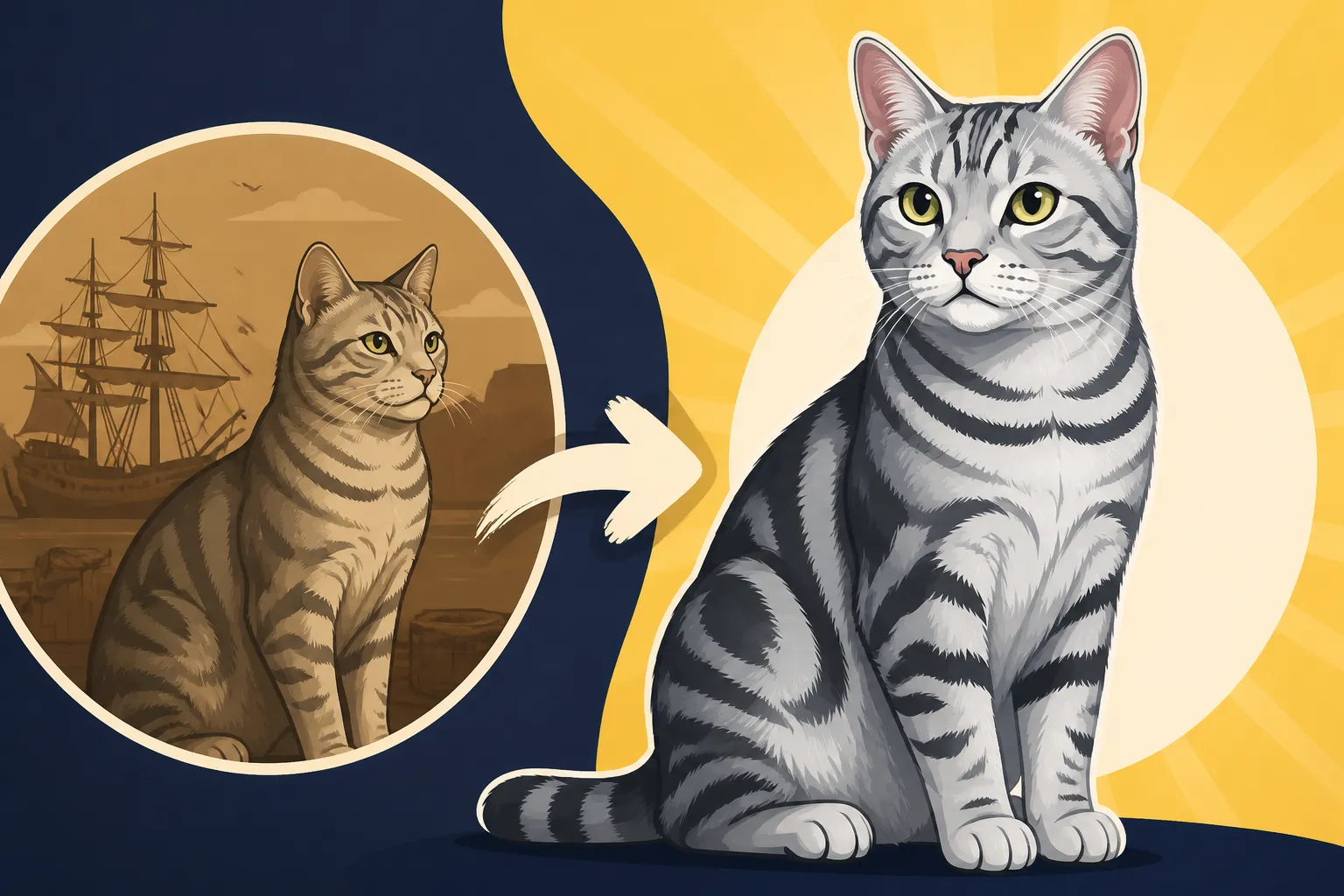
Imagine the early days of colonial America. Ships arriving from Europe weren't just carrying people and goods; they were bringing along these incredibly resourceful cats. Their primary job? Pest control. Vermin, especially rats, were a constant threat on long sea voyages, destroying cargo and spreading disease. These feline voyagers, with their strong hunting instincts and resilient natures, were indispensable members of the crew. They earned their keep, often quite literally, by keeping the rat population in check.
Once they arrived on American shores, their role didn't change much. They spread throughout farms, barns, and homes, continuing their vital work. They were the original pest control experts, protecting grain stores, keeping kitchens clear, and generally making life more manageable for early settlers. Their build — solid, muscular, with a thick coat — was perfectly suited for these demanding tasks, enduring various climates and conditions. They were truly working cats, shaped by their environment and the constant need for vigilance and survival. The Mayflower Cats Behind the American Shorthair certainly played a crucial role in these early times, ensuring the health and safety of the communities they served.
The Unsung Heroes of Early American Settlements
These cats weren't just skilled hunters; they were also remarkably self-sufficient. They lived by their wits, largely independent, finding their own food and shelter. They adapted to diverse landscapes, from bustling port cities to isolated rural farms. Their presence was so common and their utility so profound that they blended into the fabric of everyday life, often going unnoticed as anything special beyond their functional purpose.
Because they were so common and their ancestry was so varied – a mix of European domestic cats brought over generations – they weren't seen as a distinct type. They were simply "cats." There was no need for a fancy name or pedigree; their value was in their actions, not their lineage. They were the quiet guardians of homes and livelihoods, essential but often unremarked upon. These were the foundational animals that, over centuries, would naturally select for traits that made them robust and effective, forming the genetic bedrock of what would eventually become a recognized breed. They embody the natural selection of a species simply doing what it does best.
The Original Moniker: "Domestic Shorthair" and Its Implications
For a significant period, the cats we now recognize as American Shorthairs were known by a very straightforward, yet ultimately limiting, name: Domestic Shorthair. This label accurately described them in a literal sense but failed to capture their unique history or potential as a distinct breed.
Why "Domestic Shorthair" Made Sense at First
The name "Domestic Shorthair" was, for a long time, perfectly fitting. It precisely described a cat that was, indeed, domestic – living with humans, unlike its wild counterparts – and possessed a short coat. At a time when formal cat breeding was still nascent in America, and most cats were simply functional members of a household or farm, this generic descriptor served its purpose. It differentiated them from long-haired breeds, which were often more exotic or deliberately bred for specific aesthetic traits.
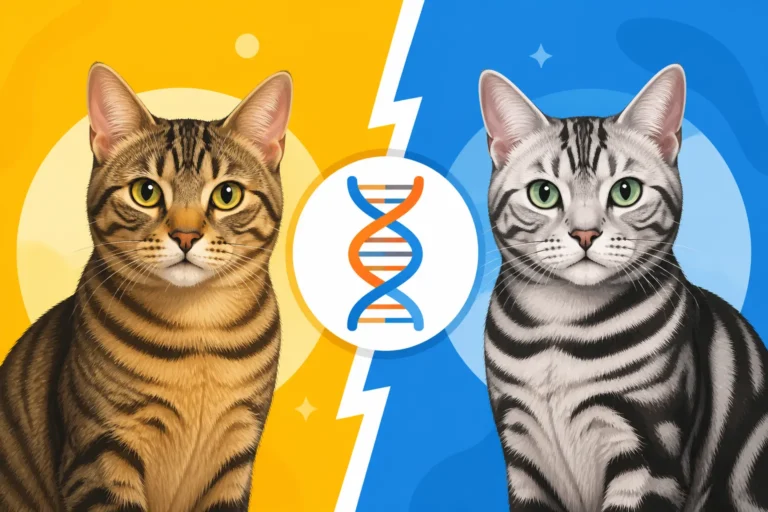
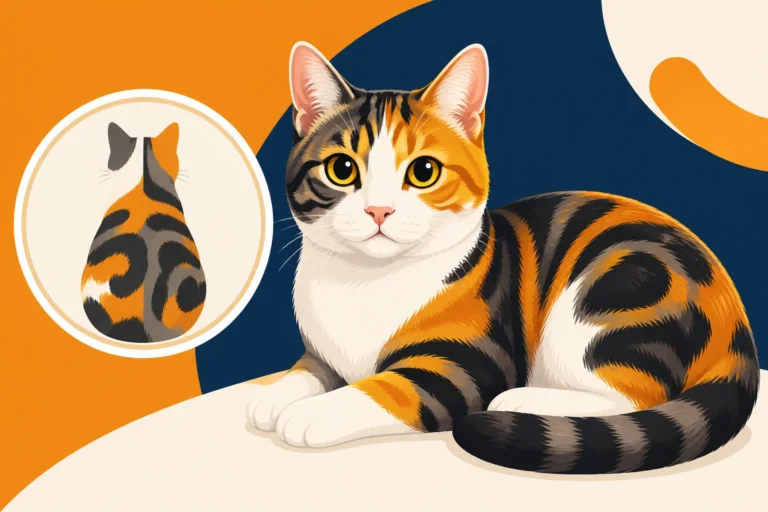
Most of these cats were a beautiful, chaotic mix of genetic diversity. You could find a sleek black cat, a fluffy orange tabby, or a playful calico, all falling under the umbrella of "Domestic Shorthair." They were the everyday cats you'd see roaming neighborhoods, lounging on porches, or diligently hunting in barns. There was no real need for further distinction because their utility was universal, and their appearance, while varied, didn't typically adhere to any specific human-defined standard. They were simply, wonderfully, cats. How an American Shorthair Differs From a Domestic Shorthair is a question that truly highlights the journey this breed undertook.
The Problem with a Generic Name
As cat fancy began to grow in America and specific breeds like the Persian or the Siamese gained popularity and formal recognition, the label "Domestic Shorthair" started to become a problem. It lumped together all non-pedigreed, short-haired cats, regardless of their true lineage or potential for consistent breed characteristics. This meant that the sturdy, uniquely American cat that had been developing for centuries was indistinguishable from any other short-haired alley cat or mixed-breed house cat.
For those enthusiasts who saw the inherent value and consistent traits in these native American cats – their robust build, their calm temperament, their excellent hunting prowess – the generic name diluted their efforts to establish them as a legitimate, recognized breed. How could you promote a specific "type" of cat when its name implied it was just a random mix? It was frustrating for breeders and cat lovers who admired these animals and wanted them to be appreciated for their unique qualities, not just as common household pets. It made it difficult to define a standard, to track lineage, or to elevate their status in the burgeoning world of cat shows.
The Drive for Recognition: Elevating the Breed's Status
The transition from a generic "Domestic Shorthair" to the distinguished "American Shorthair" was not a sudden decision but the culmination of years of dedication by passionate breeders and cat fanciers. They recognized the inherent qualities of these cats and strove to give them the recognition they deserved.
Early Efforts to Standardize and Show
By the late 19th and early 20th centuries, cat shows were becoming more popular, and formal breeding societies were forming. American cat lovers started to look at their native short-haired cats with new eyes. They saw their strength, their intelligence, their gentle dispositions, and their striking variety of coat patterns, especially the classic tabby. These were not just random cats; they possessed a consistent type, a certain look and temperament that set them apart.
Breeders began selecting individuals that best exemplified these desirable traits. They focused on maintaining the robust health and conformation that had made these cats such effective working animals. They sought to create a standard, a blueprint of what an ideal example of this "native" American cat should look like. This was a painstaking process, often involving careful record-keeping and selective breeding to solidify traits. It was about preserving what was already good, rather than trying to create something entirely new. When Breeders Started Showing the American Shorthair marked a pivotal moment in this journey, bringing these cats into the spotlight.
The Need for a Distinct Identity
The inherent problem with the "Domestic Shorthair" label was that it offered no distinction. Imagine trying to explain the specific qualities of a particularly fine example of your local cat to someone who associates "Domestic Shorthair" with any cat that isn't a Siamese or a Persian. It created a barrier to understanding and appreciation. These cats had a long, significant history in America, a natural heritage that was completely lost under such a broad, all-encompassing term.
To be taken seriously in the world of pedigree cats, a breed needed a name that reflected its origins, its unique characteristics, and its journey. It needed a name that commanded respect and clearly separated it from the vast population of mixed-breed housecats. This quest for a distinct identity was crucial not only for show recognition but also for preserving the specific traits that had been naturally selected for over centuries in North America. Without a unique name, it was challenging to build a coherent breeding program or to attract serious enthusiasts looking for a specific type of cat.
The Pivotal Name Change: From Generic to Pedigreed
The year 1966 marks a truly significant moment in the history of this wonderful breed. It was the year that their identity was formally cemented, finally giving them a name that matched their heritage and their growing status in the cat world.
The Official Transition in 1966
The journey to an official name change was a testament to the perseverance of dedicated breeders. After years of advocacy and careful breeding, the Cat Fanciers' Association (CFA), one of the oldest and most respected cat registries, officially recognized the need for a more specific name. In 1966, they formally changed the breed's designation from "Domestic Shorthair" to "American Shorthair." This wasn't just a cosmetic change; it was a declaration. It acknowledged that these cats, while sharing superficial similarities with everyday household cats, represented a distinct, pedigreed lineage with a rich history rooted deeply in American soil. Why the American Shorthair Name Changed in 1966 is a story of determination and recognition.
This change also served a practical purpose. It helped clarify for judges, breeders, and the public alike that an "American Shorthair" was a specific breed with a defined standard, meticulous lineage tracking, and predictable traits, not just a random cat that happened to have short hair. It signaled a serious commitment to the preservation and promotion of this unique feline heritage. The renaming was a victory for those who had seen the potential in these unassuming, hardworking cats and had strived to elevate their standing.
How the New Name Benefited the Breed
The impact of the name change was profound and far-reaching. Firstly, it instilled a sense of pride and identity in the breed. No longer were they merely "domestic" cats; they were distinctly "American," linking them directly to the history and development of the nation. This unique descriptor instantly elevated their perceived value and uniqueness in the eyes of the public and within the cat fancy community.
Secondly, it provided a clear distinction, making it easier for potential owners to understand what they were getting. When someone sought an "American Shorthair," they were looking for a cat with a specific set of characteristics: a robust build, a calm and adaptable temperament, and a history of health and hardiness. This clear branding helped cement the breed's reputation for being a wonderful, low-maintenance companion. Furthermore, it encouraged more rigorous breeding practices, as breeders now had a clearer, more recognized identity to uphold. The name change undeniably opened doors for the breed to flourish, gain wider acceptance, and secure its place as a celebrated pedigree cat. Whether the Rename Raised the American Shorthair's Price is a topic that delves into the economic impact of this change, showing how recognition can influence value.
Here's a quick look at the evolution of the name:
| Era | Common/Official Name | Key Implication | What it Emphasized |
|---|---|---|---|
| Colonial to Mid-19th Century | "Ship's Cat," "Barn Cat" | Functional worker, pest control | Utility, survival |
| Late 19th – Early 20th Century | Domestic Shorthair | Generic, any short-haired house cat | Commonality, lack of distinction |
| Post-1966 | American Shorthair | Specific pedigree breed, American heritage | Identity, standard, predictable traits |
The Lasting Legacy: American Shorthair Today
Today, the American Shorthair stands as a testament to the success of thoughtful breeding and dedicated preservation. It’s a breed cherished for its well-balanced nature, robust health, and classic good looks, all of which were cultivated long before it had its definitive name.
Distinguishing a Pedigree from a Household Cat
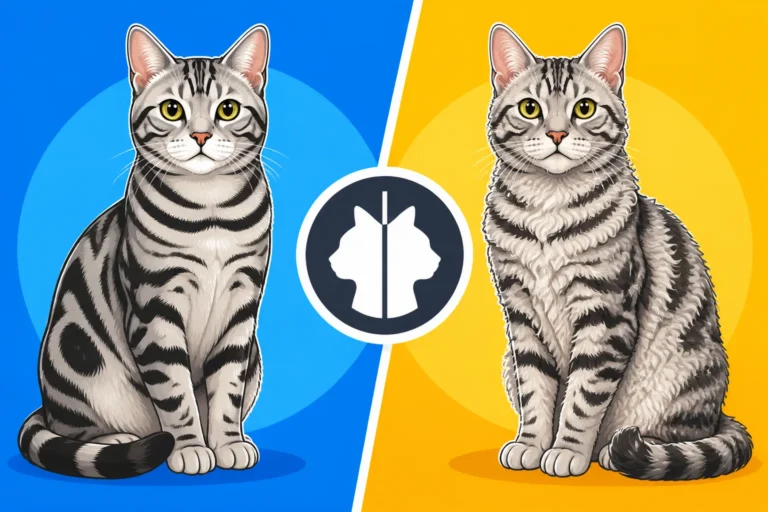
Even with its official name, sometimes people still struggle to differentiate a true pedigree American Shorthair from a lovely, short-haired household cat (often still informally called a Domestic Shorthair). The key lies in the breed standard and documented lineage. A pedigree American Shorthair is bred to meet specific criteria for appearance, temperament, and health. This includes details about their broad head, medium-sized ears, round eyes, muscular body, and specific coat texture and patterns. For instance, the classic silver tabby pattern is particularly iconic and often what people picture when they think of the breed. How to Tell an American Shorthair From a Domestic Shorthair goes into much more detail on these specific differences.
When you acquire an American Shorthair from a reputable breeder, you receive registration papers that trace their ancestry back through many generations. This lineage confirms their breed purity and often comes with health guarantees and screenings for common feline ailments. In contrast, a household cat, no matter how beautiful or well-behaved, typically has an unknown genetic background and does not conform to a specific breed standard, even if it might share some superficial resemblances. This distinction is crucial for those seeking predictable traits and the assurance of a carefully managed genetic heritage.
The Importance of a Defined Breed Standard
The defined breed standard for the American Shorthair is the backbone of its continued integrity. It's a detailed description that outlines every aspect of the ideal American Shorthair, from head shape and eye color to body type and coat texture. This standard is what breeders strive for, ensuring consistency and preserving the characteristics that make the breed unique. It acts as a guide, preventing the breed from drifting too far from its original, functional roots towards extreme or unhealthy features that sometimes plague other breeds.
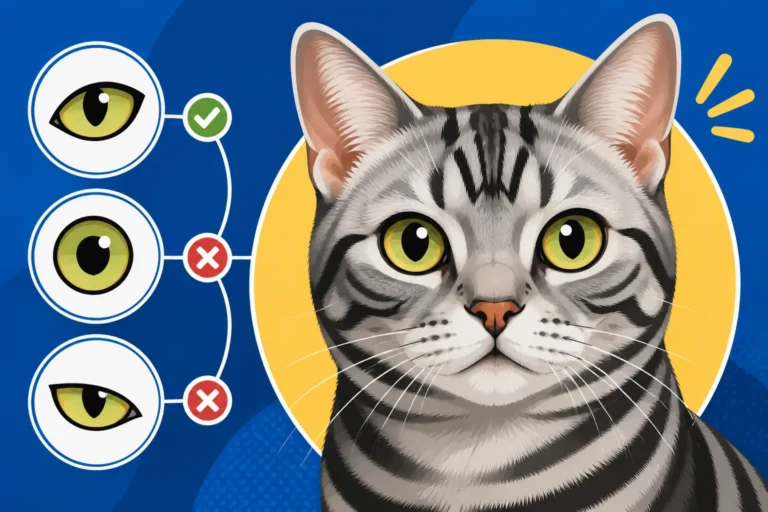
For instance, the standard emphasizes a "well-balanced, powerful, and muscular body," reflecting its working cat heritage. It calls for "large, wide-set eyes" that are "round and full," giving it an open and sweet expression. This careful attention to detail ensures that American Shorthairs continue to be healthy, adaptable, and long-lived companions. Organizations like Chewy often feature products tailored to the needs of robust, healthy cats like the American Shorthair, recognizing their specific requirements for nutrition and care to maintain that ideal conformation. Without this standard, the breed could easily lose its distinct identity, reverting to a generic type rather than the celebrated and predictable feline friend we know it to be. The adherence to this standard is why What an American Shorthair Looks Like by the Standard is such an important document for breeders and enthusiasts.
The Enduring Appeal and Why It Matters
The journey from an anonymous "Domestic Shorthair" to the recognized "American Shorthair" is a story of appreciation for natural hardiness and charm. It highlights how keen observation and dedicated effort can elevate a common animal to the status of a cherished purebred.
A Breed Shaped by Purpose, Not Whim
What truly sets the American Shorthair apart, and what its name change helped to underscore, is that it’s a breed whose characteristics were primarily forged by necessity, not by human aesthetic whim. For centuries, these cats survived and thrived because they were good at their job: hunting. This natural selection process honed their physical attributes and their temperament. They developed strong jaws, powerful bodies, and intelligent, adaptable minds. Their short, dense coats provided protection against varying weather conditions. They learned to be self-sufficient, yet also genial companions when in the company of humans.
This origin story is a huge part of their appeal. Unlike some breeds created through intensive selective breeding for extreme features, the American Shorthair's core traits emerged from their practical role in pioneering America. This history imbues them with a remarkable resilience and generally excellent health. When you choose an American Shorthair, you’re not just getting a pretty face; you're welcoming a piece of living history, a direct descendant of the cats that helped shape early American life. Their fundamental traits are those of a survivor and a helper, which continues to make them ideal family pets. Whether a Landrace Origin Explains the American Shorthair's Health certainly explores this fascinating aspect of their development.
The Impact on Modern Breeding and Ownership
The clear distinction and official name have had a lasting positive impact on modern American Shorthair breeding. It has allowed breeders to focus on maintaining the health, temperament, and conformity to the established standard without the confusion of a generic label. This means prospective owners can more confidently seek out a cat that is known for its predictable qualities: a calm disposition, good health, and a sturdy physique. They are known for being adaptable, good with children and other pets, and generally low-maintenance, traits that stem directly from their working heritage.
For owners, knowing they have a recognized American Shorthair means they are part of a community that values these specific qualities. It provides access to breed-specific information, shows, and resources. When you look at products on a site like Chewy, you'll find everything from specific foods to enrichment toys, all designed for cats, and the sturdy, intelligent American Shorthair benefits immensely from a thoughtful approach to their environment. This recognition also contributes to the breed's continued popularity, solidifying its place as one of America's most beloved and enduring cat breeds. The clarity of the name ensures that this breed’s unique story and characteristics are preserved and celebrated for generations to come. Why the American Shorthair Was Called Domestic Shorthair Until 1966 is a chapter in history that profoundly shaped the breed's future.
Disclaimer
This article is for general informational purposes only and does not constitute professional advice. Laws, prices and regulations vary by location and change over time. Consult a qualified professional for guidance on your specific situation.